 A Untsmart guide
LED Shoe Displays for Retail: Setup, Maintenance, and Common Issues Explained
A led display led display in a retail environment needs the right setup, routine care, and quick troubleshooting to keep customers engaged.
LED Display Setup for Retail Spaces
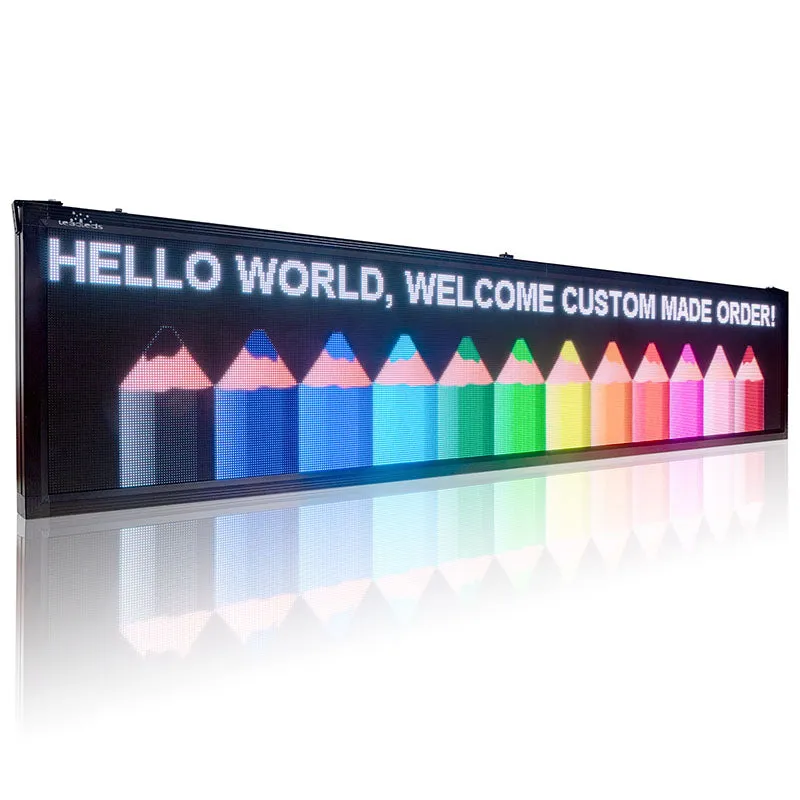
A led display led display system in a retail environment needs proper installation to perform well from day one. Whether you’re using a led display, led display screen, or signage led unit, the setup process determines how reliably it attracts customers and displays your messaging.
Start by choosing the right location. Your display should be visible from customer entry points and positioned at eye level when possible. Avoid direct sunlight if you’re working with indoor units, as glare reduces visibility. For outdoor setups, outdoor digital signage requires weatherproof mounting and proper ventilation to handle temperature changes.
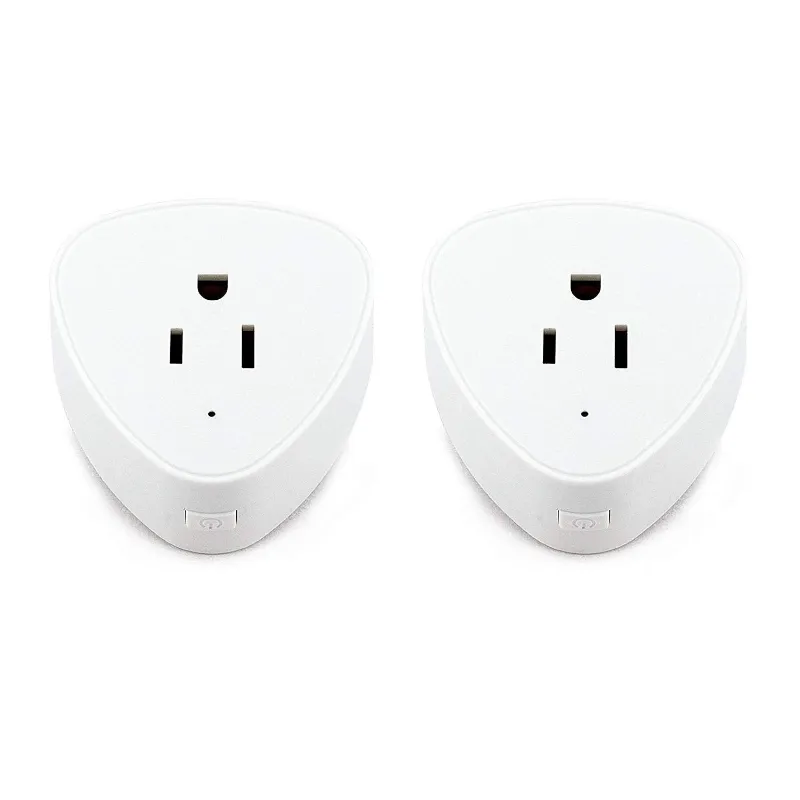
Power placement matters more than most retailers realize. Run electrical lines away from high-traffic areas to prevent tripping hazards. If you’re using a wifi smart plug or smart plug outlet to control your display remotely, position the outlet within reasonable reach for maintenance but out of view. This gives you scheduling flexibility and lets you power down the display during off-hours to extend its lifespan.
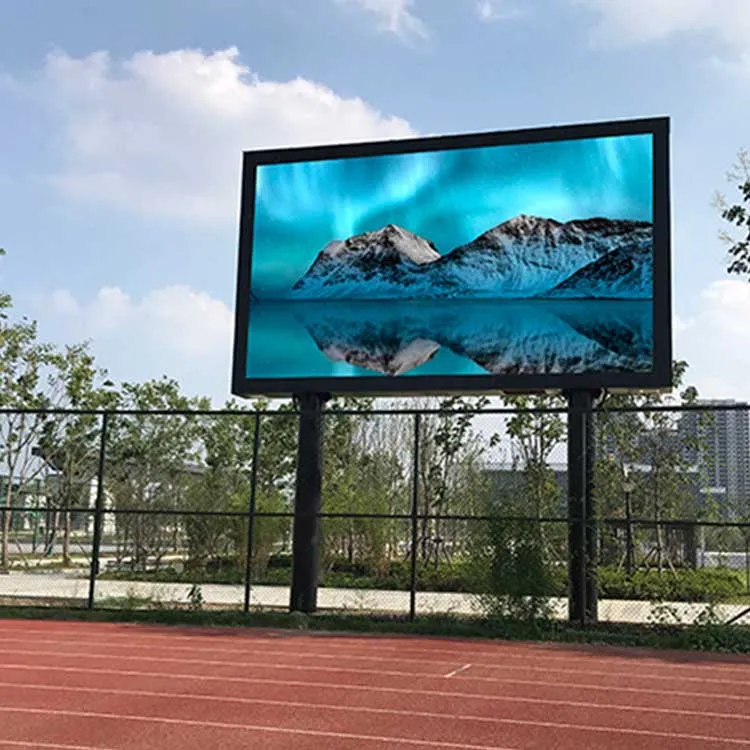
Before going live, test all connections. Check that content displays correctly at various brightness levels and confirm that your led display led display syncs properly if you’re running multiple screens. A test run catches configuration issues before your display goes public.
Understanding LED Display Technology
LED displays work by using tiny light-emitting diodes to create images and video. For retail, this technology offers brightness, clarity, and energy efficiency that older display methods simply can’t match. An electronic bulletin board or digital reader board uses the same core technology to communicate pricing, promotions, or real-time information to shoppers.
The quality of your led display led display depends on pixel density (the number of LEDs per square meter) and refresh rate. Higher pixel density gives sharper images at closer viewing distances. Retail environments typically work well with mid-range density unless customers view the screen from very close range. Understanding these specs helps you pick the right product for your space. For more details on how this technology functions, LED Displays – What Are They and How Do They Work? breaks down the mechanics.
Daily and Weekly Maintenance
Keeping your led display led display clean is the simplest maintenance task and one of the most important. Dust and debris collect on the screen surface and reduce brightness and clarity. Use a soft, dry microfiber cloth to gently wipe the screen weekly. Never spray liquid directly on the display. If moisture is needed, lightly dampen the cloth first, then wipe carefully.
Check your power connections weekly. Loose cables can cause flickering or unexpected shutdowns. If you’re using a wifi smart plug or smart plug outlet, verify that it’s responding to commands and that scheduling features are working as expected.
Monitor brightness and color accuracy. If certain sections of your display appear dimmer than others, or if colors look off, make a note. These signs often indicate early LED degradation in specific areas, and catching them early lets you plan for repairs.
Run a content refresh test. Load a test image or video and confirm it displays without artifacts, lag, or color banding. This monthly check prevents surprises when you’re running live promotions.
Troubleshooting Common Issues
Flickering or intermittent display: Check power connections first. A loose cable at the display unit or at the outlet is the most common cause. If your display uses a smart plug outlet, verify that the plug isn’t overloaded with other devices. Try a different outlet to rule out electrical issues in your wiring.
Uneven brightness: This happens when some LED modules age faster than others or when dust buildup is heavier on one section. Clean the screen thoroughly. If cleaning doesn’t help, individual LED modules may need replacement. Document which areas are affected and contact support if the issue persists.
Color distortion or dead pixels: Dead pixels are single LEDs that no longer light up. One or two are typically not noticeable, but clusters of dead pixels degrade image quality. If you see a pattern of dead pixels or color blocks, the display may need module replacement. Check your warranty and reach out to the manufacturer.
No power or no signal: Confirm that the outlet itself has power by testing another device. Check all cables from the power source to the display. If you’re using a wifi smart plug, make sure it’s turned on and that your display isn’t set to a scheduled off-time. If the display receives power but shows no content, restart it using the power button and wait 30 seconds before powering back on.
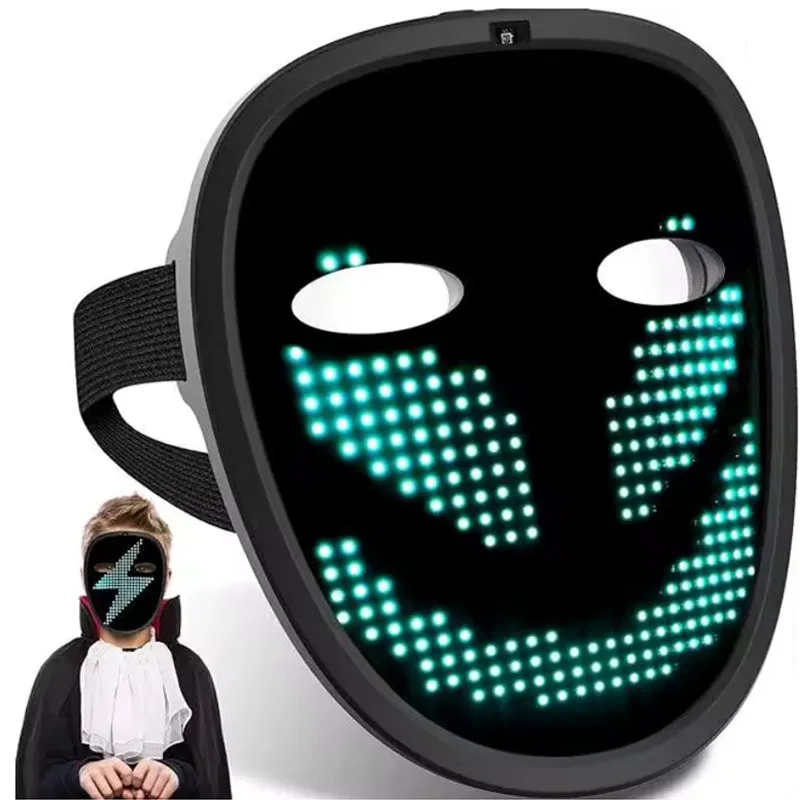
Content not updating: Verify your network connection if your display is wifi-enabled. Restart your router and the display, then check for firmware updates from the manufacturer. If you’re using a masking led feature to control which sections display content, confirm the mask settings are correct.
Long-Term Care and Lifespan
Your led display led display lasts longer when you follow a maintenance schedule. Keep a log of when you clean, restart, or make configuration changes. This history helps you spot patterns if issues emerge.
Control heat buildup. Ensure your display has adequate ventilation around the rear. Don’t stack objects against the back of the unit or seal it in an enclosed space. Heat is one of the biggest factors in LED degradation.
Schedule regular firmware updates if your display supports them. Manufacturers release updates to improve performance, add features, and patch issues. Set a reminder to check for updates quarterly.
Consider the environment. Humidity, temperature extremes, and physical impacts all reduce lifespan. If your display is exposed to weather, use a protective cover when it’s not in use. For indoor displays, avoid placement near heating vents or air conditioning ducts that create temperature swings.
For detailed options on professional-grade displays, Direct View LED Signage, Posters, and Displays shows the range of commercial solutions available in the market.
When to Upgrade or Replace
A well-maintained led display led display can serve retail for 5 to 10 years, but technology advances quickly. If your display is over 5 years old and showing frequent issues, replacement may be more cost-effective than repairs. Newer led display screen or led screen display models offer better brightness, lower power draw, and improved reliability.
If you’re expanding your display setup or upgrading to a larger format, check out outdoor digital signage or electronic bulletin board options that fit your new space. Untsmart offers a range of quality displays, and you can grab the code for 5% off sitewide to maximize your budget.
Before investing in a new display, audit your current one with fresh eyes. Sometimes a deep clean, replaced cables, or updated firmware solve performance issues that look like hardware failure. A quick troubleshoot can save you thousands and extend your display’s useful life by several more years.
When to Call Support
If your display fails to power on after checking connections, if more than a small cluster of pixels go dark, or if color reproduction becomes severely distorted, contact the manufacturer. Don’t attempt to open or repair the unit yourself, as internal components carry electrical risk and disassembly can void your warranty.
For setup questions, configuration help, or bulk orders, check the latest price on Untsmart’s site and reach out to their team. Having your model number, purchase date, and a clear description of the issue speeds up support.
Retail displays are an investment in customer experience. With the right setup, routine maintenance, and quick troubleshooting, your led display led display system will deliver reliable performance and keep your messaging sharp.
Questions
How often should I clean a led display led display?
Clean weekly with a soft, dry microfiber cloth to remove dust and maintain brightness. Use a lightly dampened cloth only if needed, never spray liquid directly on the display.
What causes flickering in a led display screen?
Flickering is usually caused by loose power cables at the display or outlet, electrical issues in the wall circuit, or an overloaded smart plug if you're using one. Check connections first and try a different outlet to isolate the problem.
Can I use a wifi smart plug with any led display?
Most modern led displays work with a wifi smart plug outlet, but check your display's power specifications first. Ensure the smart plug can handle the wattage your display draws and that it's not overloaded with other devices.
How long does a led display last in a retail environment?
With proper maintenance, a led display led display typically lasts 5 to 10 years. Lifespan depends on usage patterns, climate conditions, cleaning frequency, and how well ventilation is maintained.
What should I do if dead pixels appear on my display?
One or two dead pixels are often not noticeable, but clusters indicate a module issue. Clean the display thoroughly first. If the problem persists, check your warranty and contact the manufacturer for module replacement options.
How do I prevent heat damage to my retail display?
Ensure proper ventilation around the rear of the display, avoid stacking objects against it, and keep it away from heating vents and air conditioning ducts. Monitor ambient temperature and avoid extreme heat or humidity environments.
Products in this guide
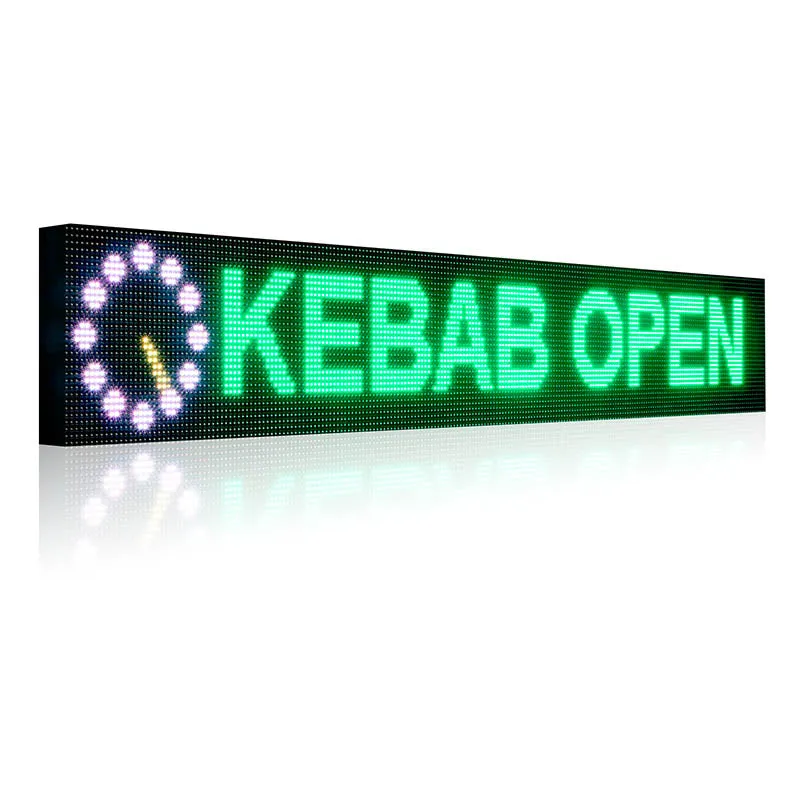
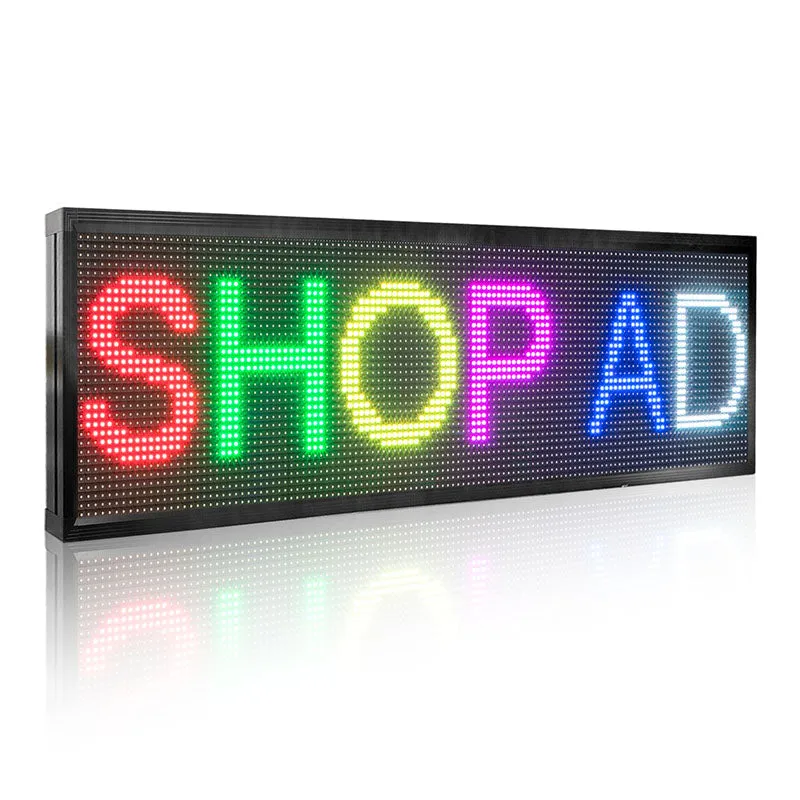
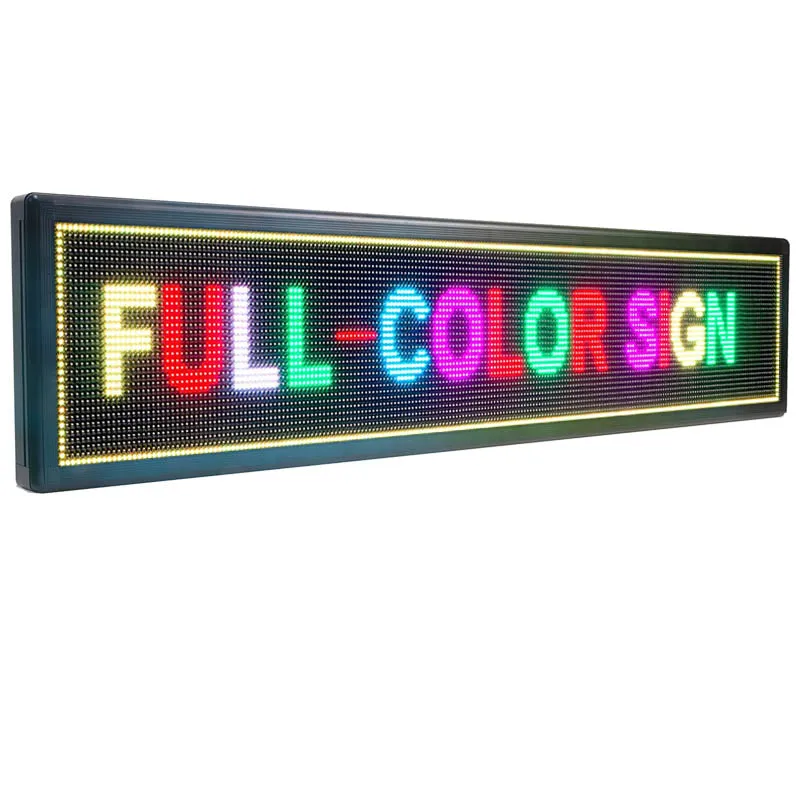 Shopping at Untsmart? See the discount code
5% OFF Sitewide
Shopping at Untsmart? See the discount code
5% OFF Sitewide
More in this series
Do Smart Plugs Work With Outdoor LED Displays? What You Need to Know26 Aug 20264 minBest Weatherproof LED Signs for Restaurants and Storefronts: What to Look For26 Aug 20264 minLED Display vs. Traditional Signage: Which Lasts Longer and Costs Less Over 5 Years26 Aug 20263 minHow to Install an Outdoor LED Screen for Retail, and When to Call a Pro26 Aug 20265 min