 A TLW Shoes guide
Do Leather Black Loafers Stretch Over Time? What to Expect
Quality leather black loafers mens do stretch over time, typically expanding about a quarter to half a size with regular wear.
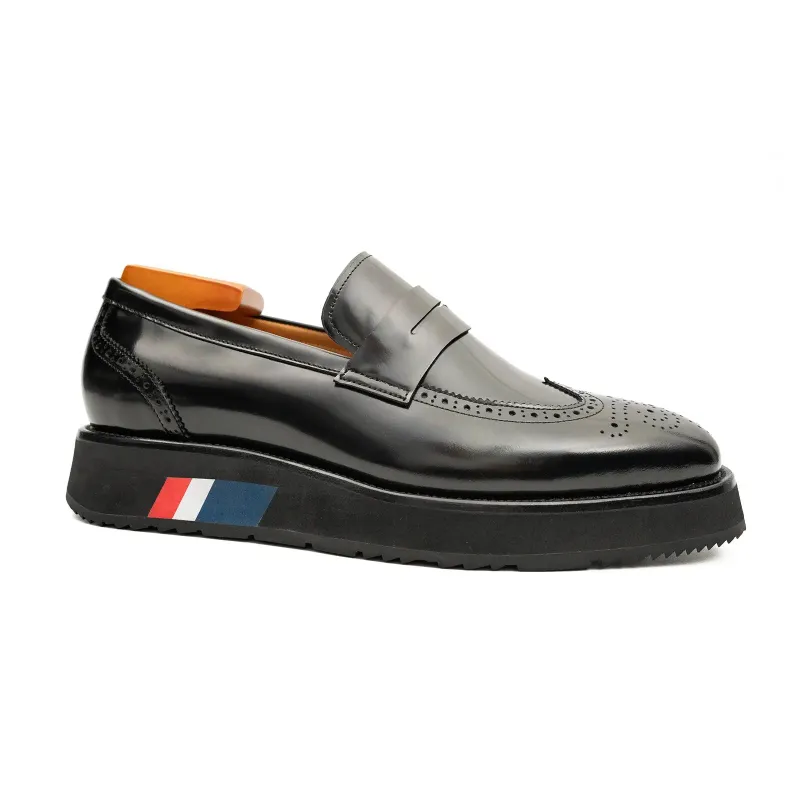
Yes, leather black loafers mens do stretch over time, typically expanding about a quarter to half a size with regular wear. The natural fibers in genuine leather relax and conform to your foot shape, especially across the width and instep, though you should never buy a pair that feels painfully tight hoping they will magically fit later.
Whether you are eyeing men’s black casual loafers for weekend wear or men’s black loafers dress shoes for the office, knowing the science behind leather stretch will save you from costly sizing mistakes.
How Much Do Leather Black Loafers Mens Actually Stretch?
Genuine leather stretches primarily in width rather than length. Most quality pairs will give you about a quarter to half a size of width expansion after 2-4 weeks of regular wear. The instep and vamp also soften and mold to your foot contours, creating a custom fit over time.
Full-grain leather stretches more predictably than corrected-grain or bonded leather. We have seen:
- Full-grain calfskin: stretches 4-6 mm in width, excellent memory
- Top-grain leather: stretches 3-5 mm, good durability
- Suede leather: stretches faster (1-2 weeks) but less structurally
- Patent or coated leather: minimal stretch, stays closer to original dimensions
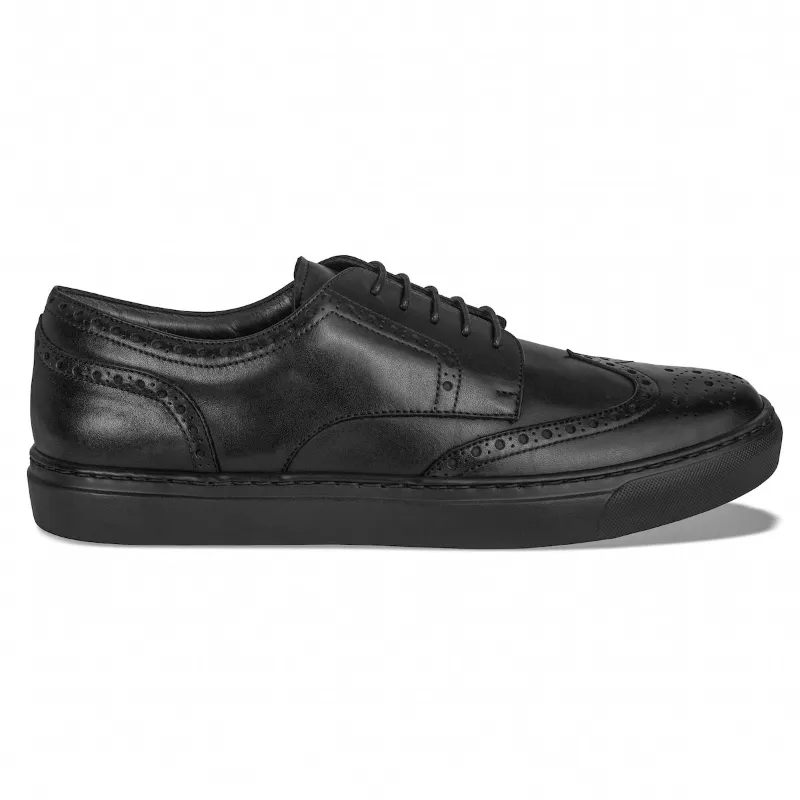
The sole construction matters too. Blake-stitched and hand-welted loafers conform better than cemented soles because the upper is not locked rigidly to a synthetic base. If you are comparing options like giovanini shoes, which often feature traditional construction, versus modern bonded styles, expect more give from the former.
Length rarely changes more than 2-3 mm, so if your toes are jammed at purchase, they will stay uncomfortable. Check the latest price on quality leather pairs that start with proper toe room.
The Break-In Timeline: What to Expect Week by Week
Week 1: Stiffness across the vamp and heel counter. You may feel pressure points at the widest part of your foot. Wear indoors for 1-2 hours daily.
Week 2: Noticeable softening at flex points. The leather begins conforming to your arch and ball. Gradually extend wear time to 4-5 hours.
Week 3-4: The loafer feels broken in. Width has expanded 3-5 mm, pressure points have disappeared, and the footbed shows compression matching your foot shape.
Month 2-3: Maximum stretch achieved. The fit stabilizes here and will not continue expanding unless you gain weight or develop foot swelling.
Men’s black casual loafers with unlined interiors break in faster than fully lined dress pairs. Leather black loafers mens with cushioned insoles also feel comfortable sooner because the footbed absorbs some initial stiffness.
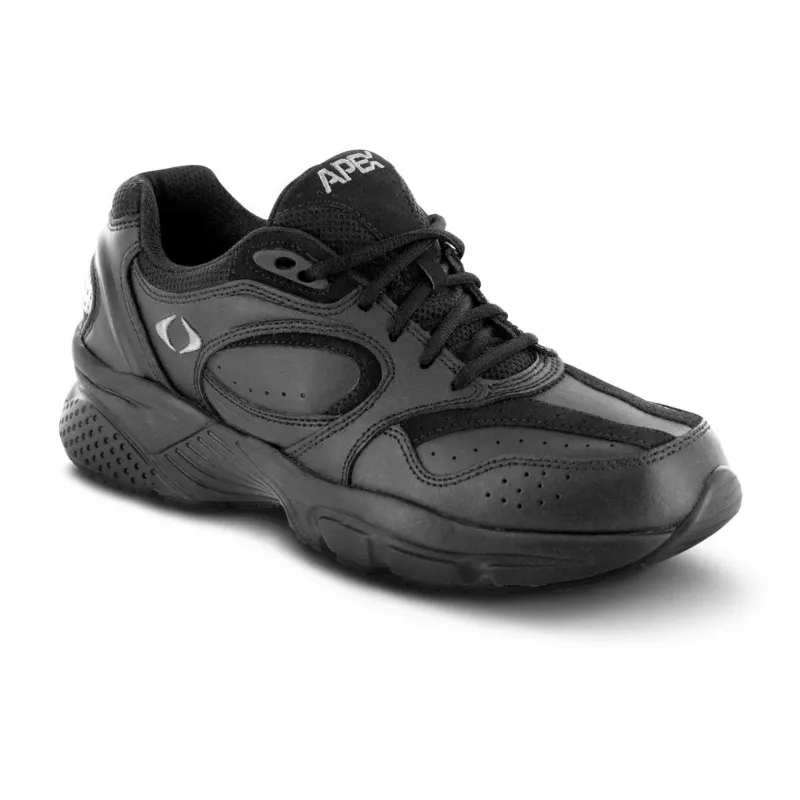
For context, softer leather products like walking cradles shoes or piper women’s leather driving loafers often reach peak comfort in 7-10 days, while structured oxfords may take twice as long.
Smart Sizing: Should You Buy Tight or True-to-Size?
Buy true-to-size or a half-size down only if the loafer feels snug but not painful in width. Your toes should never curl, and you should be able to wiggle them freely from day one.
When to size down a half size:
- The loafer fits perfectly in length but feels slightly roomy in width
- You have narrow feet and the store carries only medium widths
- The brand is known to run large (check reviews first)
When to stick with your true size:
- Any discomfort in the toe box or length
- You have wide feet or high arches
- The loafer already feels snug across the ball of your foot
When to size up:
- Your toes touch the front even lightly
- You plan to wear thick socks
- You have bunions, hammertoes, or other structural foot issues
We recommend trying loafers at the end of the day when your feet are slightly swollen. This simulates how they will feel after hours of wear once broken in. Grab the code for 10% off your order and consider ordering two sizes if the store offers free returns.
Luxury brands like Prada’s leather slip-on loafers and heritage names featured at Clarks’ loafer collection typically size true and stretch predictably, while fast-fashion options can be inconsistent.
Material Comparison: Which Leathers Stretch Most?
| Leather Type | Stretch Amount | Break-In Time | Durability |
|---|---|---|---|
| Full-grain calfskin | 4-6 mm width | 3-4 weeks | Excellent |
| Suede | 5-7 mm width | 1-2 weeks | Good |
| Patent leather | 1-2 mm width | 4-6 weeks | Very good |
| Bonded/faux leather | 0-1 mm | Minimal | Poor |
Black loafers men’s designer models typically use full-grain or shell cordovan, both of which stretch moderately and hold their shape for years. Avoid faux leather if you are counting on stretch; synthetics may crack before they give. Budget options like Old Navy’s faux-leather loafers work for occasional wear but will not mold to your feet the same way.
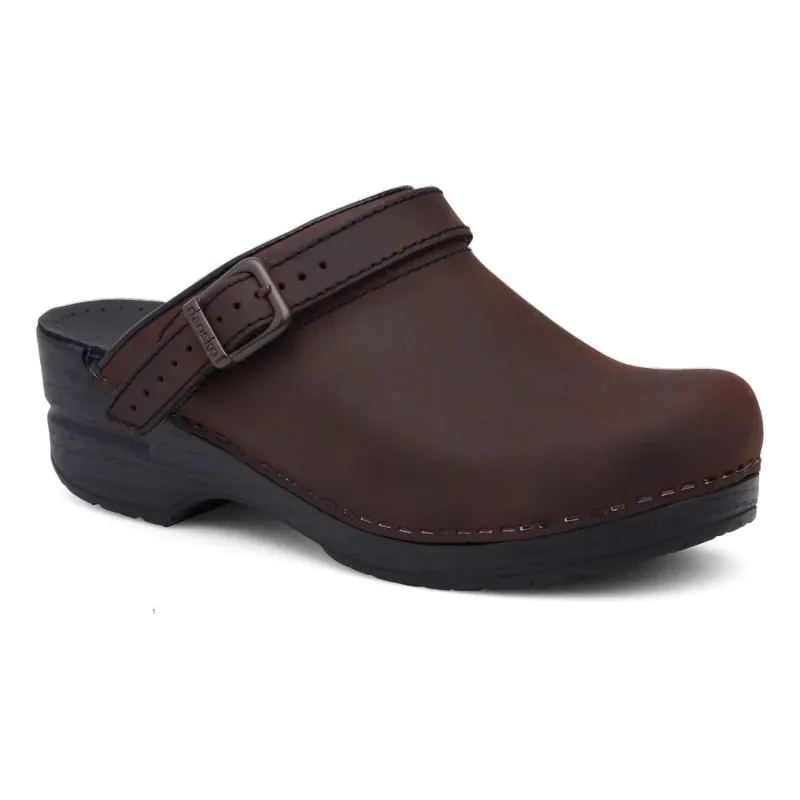
If you are exploring other leather footwear, note that structured styles like dansko ingrid clogs or sanita clare women’s mary jane clog use thicker leather that stretches less but offers superior arch support from the start.
Care Tips to Control and Maintain Stretch
To encourage stretch:
- Wear thick socks and walk around indoors for 30-60 minutes daily
- Use a shoe stretcher with adjustable bunion plugs for targeted width expansion
- Apply leather conditioner to soften fibers before wearing
To prevent overstretching:
- Use shoe trees every time you remove the loafers to maintain shape
- Rotate between two pairs so leather can rest and contract slightly between wears
- Avoid wearing in rain or high humidity without waterproofing spray
Condition your loafers every 8-12 wears with a quality leather cream. This keeps fibers supple and prevents cracking at stress points. Men’s black loafers dress shoes benefit especially from regular care since office environments dry out leather faster.
Store loafers with cedar shoe trees to absorb moisture and hold the upper taut. This prevents the leather from collapsing inward and losing its stretched fit. After 6-12 months of wear, consider a professional cobbler’s stretch if you need another 2-3 mm of width.
Who Should Count on Stretch vs. Buy Bigger
Count on natural stretch if you:
- Have average-width feet and the loafer feels snug but not painful
- Are buying full-grain leather from a reputable brand
- Can tolerate 2-3 weeks of break-in discomfort
Buy a half-size larger if you:
- Have wide feet (D width or above) and the store only stocks medium
- Need immediate all-day comfort for travel or events
- Are buying patent, coated, or synthetic leather that will not give much
Avoid the guessing game if you:
- Can try the loafers in-store first
- Order multiple sizes online and return the rest
- Work with a brand that publishes actual sizing data (heel-to-toe and width measurements)
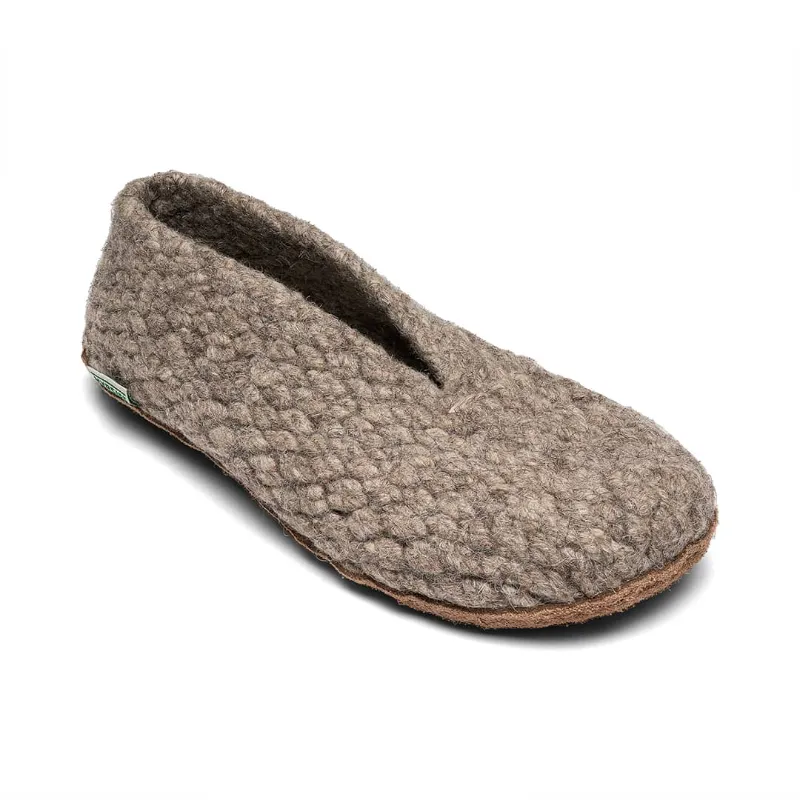
We have found that most buyers overestimate how much stretch will happen. A loafer that feels tight across the ball on day one will feel snug-but-comfortable after break-in, not loose. If you are also considering walking cradles for everyday comfort or kyrgies slippers for indoor wear, those categories prioritize immediate fit over break-in.
For the best value on quality leather styles, check current offers and read buyer reviews that mention true-to-size fit and stretch behavior. The right pair of loafers will feel like a second skin once broken in, but only if you start with the correct size.
Questions
How long does it take for leather black loafers mens to stretch?
Most genuine leather loafers stretch noticeably within 2-4 weeks of regular wear, expanding about a quarter to half a size in width. Full break-in and maximum stretch typically occur by the 6-8 week mark.
Will loafers stretch in length or only width?
Leather loafers stretch primarily in width and across the instep, typically giving 4-6 mm. Length rarely changes more than 2-3 mm, so always buy a pair with adequate toe room from the start.
Can I speed up the break-in process for tight loafers?
Yes, wear thick socks indoors for 30-60 minutes daily, use a shoe stretcher with adjustable plugs, and apply leather conditioner to soften the fibers. Professional cobbler stretching is also an option for stubborn pairs.
Do patent leather or faux leather loafers stretch like real leather?
No, patent and coated leathers stretch minimally (1-2 mm at most), and synthetic or bonded leather barely gives at all. These materials may crack before they conform to your foot, so buy them in your true size or slightly larger.
Should I buy men's black casual loafers a half size smaller expecting stretch?
Only if the loafer feels snug in width but perfect in length, and you have average or narrow feet. Never buy a size that causes toe pain or curling, as length will not stretch enough to fix that discomfort.
How do I prevent my loafers from stretching too much?
Use cedar shoe trees after every wear to maintain shape, rotate between multiple pairs, and avoid wearing them in wet conditions without waterproofing. Regular conditioning also helps leather hold its structure.
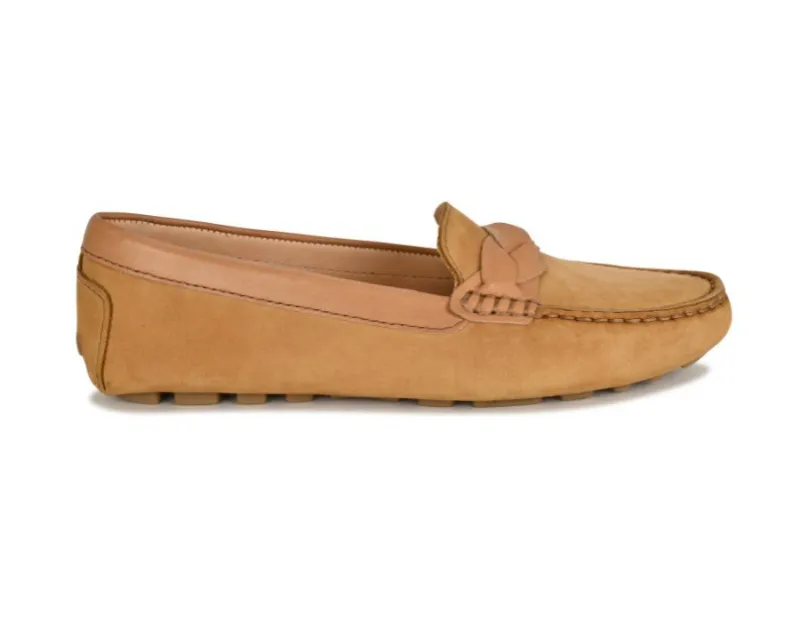
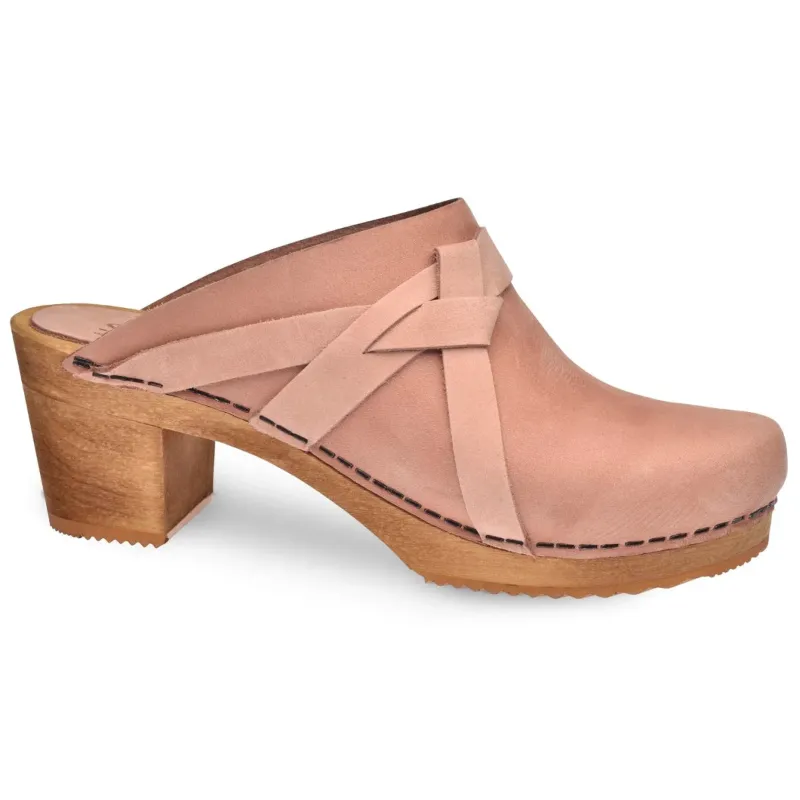
Products in this guide
 Shopping at TLW Shoes? See the discount code
10% OFF Sitewide
Shopping at TLW Shoes? See the discount code
10% OFF Sitewide
More in this series
What to Wear with Derby Brogue Shoes: Styling Tips for Men29 Jul 20265 minAre Kyrgies Slippers Worth It? What to Know Before You Buy29 Jul 20264 minHow to Clean and Care for Sanita Mary Jane Clogs29 Jul 20265 min Walking Cradles vs Apex Sneakers: Which Offers Better Arch Support for All-Day Wear?29 Jul 20265 minHow to Break in Dansko Ingrid Clogs Without Blisters29 Jul 20266 min