 A TLW Shoes guide
How to Clean and Care for Sanita Mary Jane Clogs
The Sanita Clare women's mary jane clog requires regular cleaning with gentle leather care products and proper storage to maintain its professional-grade construction and comfort.
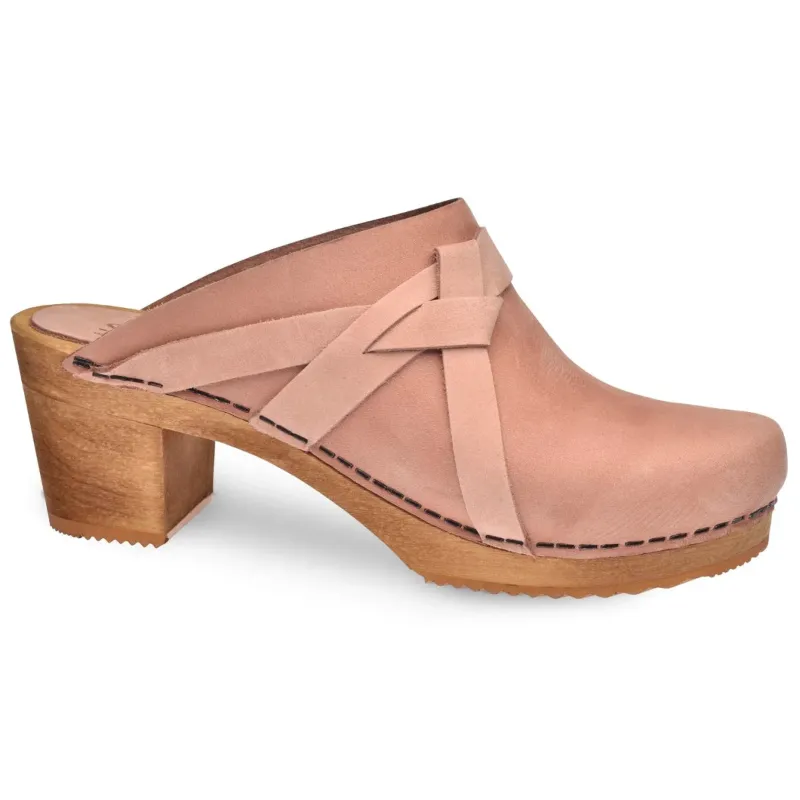
The sanita clare women’s mary jane clog requires regular cleaning with gentle leather care products and proper storage to maintain its professional-grade construction.
Sanita clogs are built for healthcare professionals and service workers who spend long shifts on their feet, so proper care directly impacts both longevity and comfort. These Danish-crafted clogs feature full-grain leather uppers, anatomical footbeds, and polyurethane outsoles that each need specific maintenance approaches.
Daily Maintenance for Your Sanita Clogs
Quick daily care prevents dirt buildup and extends the time between deep cleans. After each wear, wipe down the leather upper with a soft, dry cloth to remove surface dust and debris. Pay attention to the mary jane strap and buckle area where oils from skin contact accumulate.
For the footbed, use a lightly dampened cloth to wipe away moisture or residue. Never saturate the interior, as excess water can break down the cork and latex layers that provide arch support. Allow clogs to air dry completely before storing them in a well-ventilated space away from direct heat sources.
- Brush off dirt with a soft horsehair brush before it sets into leather grain
- Clean the buckle hardware with a dry cloth to prevent tarnish
- Rotate between two pairs if you wear clogs daily to allow full drying time
- Insert cedar shoe trees to maintain shape and absorb moisture
Check current pricing and grab our exclusive code for the best deal on Sanita clogs and other professional footwear.
Deep Cleaning Leather Uppers
Deep clean your Sanita Clare clogs every two to four weeks depending on wear frequency. Start by removing loose dirt with a soft brush, then mix a small amount of pH-neutral saddle soap or leather cleaner with lukewarm water. Dip a clean cloth into the solution, wring it nearly dry, and gently wipe the leather in circular motions.
Avoid soaking the leather or getting water on the wooden base. For stubborn stains on lighter leather, make a paste of baking soda and water, apply it to the spot, let it sit for 10 minutes, then wipe clean with a damp cloth. For patent leather or oiled leather finishes, consult Sanita’s official care guidelines as these require specialized products.
After cleaning, apply a leather conditioner formulated for full-grain leather. Work it into the material with a soft cloth, allow it to absorb for 15 minutes, then buff away excess with a clean, dry cloth. Conditioning prevents cracking and maintains the supple feel that makes mary jane clogs comfortable during long wear periods.
Protecting the Wooden Base and Outsole
The wooden midsole that gives Sanita clogs their signature support needs protection from water damage. If the base gets wet, dry it immediately with a towel and let the clogs air dry away from heaters or direct sunlight, which can cause wood to warp or crack.
Every few months, inspect the polyurethane outsole for wear patterns. Uneven wear indicates gait issues or the need for professional resoling. Clean the outsole with warm soapy water and a stiff brush to remove embedded debris that can affect traction.
For scuff marks on the wooden sides, use fine-grit sandpaper (220 grit) to gently buff the area, then apply a thin coat of clear furniture wax or wood conditioner. This restores the finish and adds a protective layer against future scuffs.
Conditioning and Weatherproofing
Condition the sanita clare women’s mary jane clog leather every four to six weeks to maintain flexibility and prevent drying. Choose a conditioner appropriate for your leather finish: mink oil for oiled leather, neutral cream polish for smooth leather, or specialized products for nubuck and suede variations.
Apply weatherproofing spray before first wear and reapply every month during wet seasons. Hold the spray 6 to 8 inches from the leather and apply light, even coats. Let each coat dry for 20 minutes before applying a second layer. Waterproofing products create an invisible barrier that repels water and salt stains without changing leather appearance.
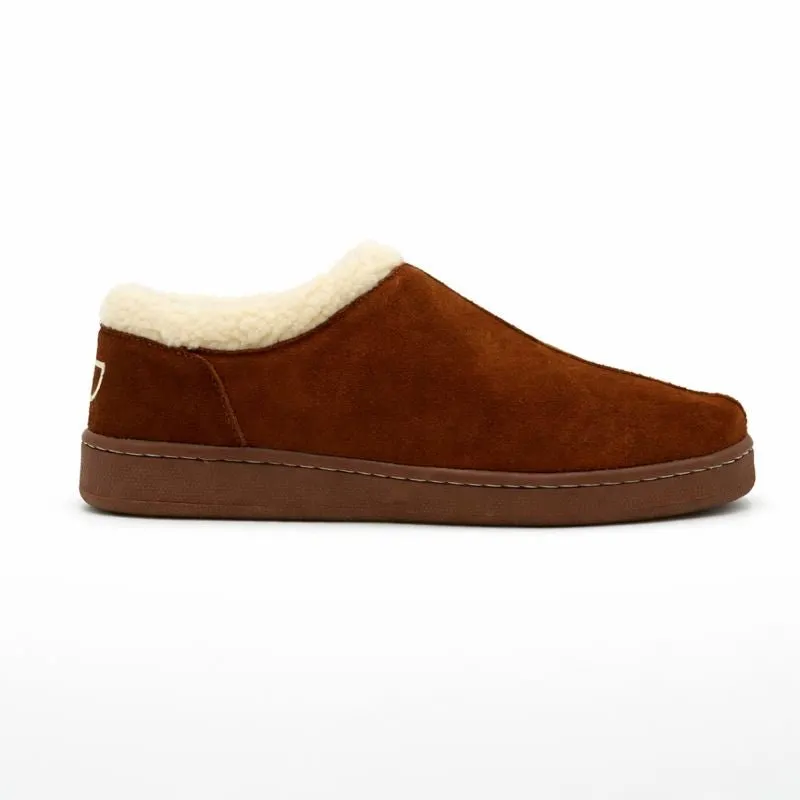
If you work in environments with frequent spills or exposure to chemicals, consider clogs with protective finishes or pair your Sanita clogs with clog slippers for home wear to reduce overall exposure.
Storage and Long-Term Care
Proper storage between wears prevents premature aging. Store clogs in a cool, dry location with consistent temperature. Avoid basements or attics where humidity fluctuates, as this causes leather to mildew or crack.
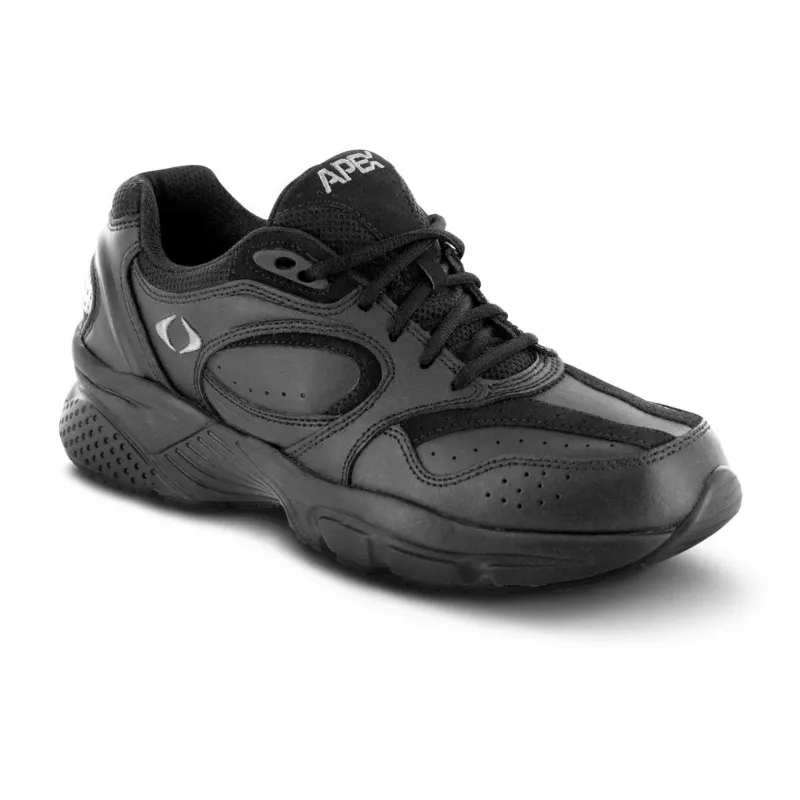
Stuff clogs with acid-free tissue paper or shoe trees to maintain shape when storing for extended periods. Never stack heavy items on top of clogs, as this can compress the footbed and distort the wooden base. If you own multiple pairs like walking cradles shoes alongside your Sanitas, organize them on a shoe rack that allows air circulation around each pair.
Before storing clogs for a season, complete a full cleaning and conditioning cycle. Apply extra conditioner to prevent leather from drying out during storage, and place cedar blocks nearby to deter moisture and pests.
Comparing Care Needs Across Professional Clogs
Different clog styles require varying maintenance intensity based on materials and construction.
| Clog Style | Cleaning Frequency | Special Care |
|---|---|---|
| Sanita Clare Mary Jane | Every 2-4 weeks | Condition leather, protect wood base |
| Dansko Ingrid | Every 2-3 weeks | Oil leather, check stapled construction |
| Leather Clog Slippers | Weekly light clean | Indoor use reduces weatherproofing needs |
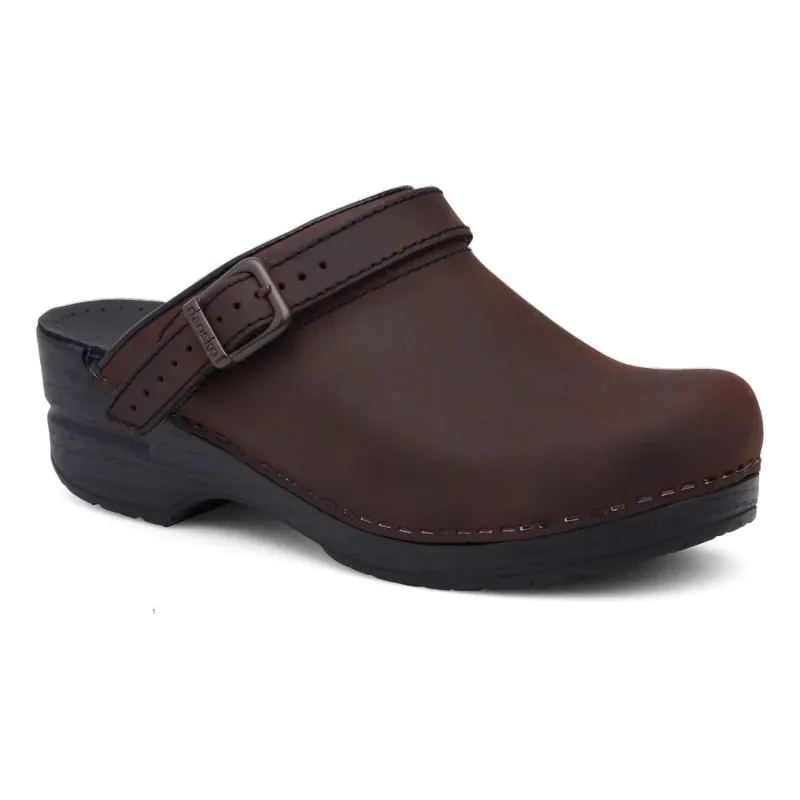
Professional clogs like the Sanita and dansko ingrid demand more maintenance than casual styles because they endure longer wear periods in demanding environments. The investment in regular care pays off through extended lifespan and maintained comfort features like arch support and cushioning.
When to Seek Professional Care
Bring your clogs to a cobbler if you notice separated soles, deep cracks in leather that conditioning cannot repair, or significant wear on the outsole that affects stability. Professional resoling costs less than replacement and can add years to well-maintained clogs.
If hardware like buckles or rivets becomes loose, a cobbler can replace these components. Attempting DIY hardware repairs often damages the surrounding leather. For specialty finishes or exotic leathers, professional cleaning services ensure appropriate products and techniques.
Check our discount code before purchasing replacement clogs or exploring other professional footwear options. Regular care combined with smart shopping keeps your work footwear budget manageable while maintaining the quality your feet need.
Questions
How often should I condition Sanita Clare mary jane clogs?
Condition the leather every four to six weeks with a quality leather conditioner appropriate for your finish. Increase frequency to every two weeks if you wear them daily in dry environments or notice the leather feeling stiff.
Can I wear Sanita clogs in the rain?
Sanita clogs can handle light moisture if properly weatherproofed, but avoid prolonged exposure to rain or puddles. The wooden base can warp with repeated soaking, and wet leather loses its shape and support properties.
What's the best way to remove odor from clog footbeds?
Sprinkle baking soda inside the clogs and let sit overnight, then vacuum or brush out the powder. For persistent odor, wipe the footbed with a cloth dampened in equal parts water and white vinegar, then air dry completely.
How do I know when Sanita clogs need resoling?
Check the outsole for worn tread patterns, especially in the heel and ball areas. If you notice reduced traction, uneven wear that affects your gait, or can see the midsole layer, take them to a cobbler for professional resoling.
Can I use regular shoe polish on my Sanita clogs?
Use only pH-neutral leather cleaners and conditioners designed for full-grain leather. Regular shoe polish can clog leather pores and may not match Sanita's specific leather treatments, potentially causing discoloration or drying.
Should I treat oiled leather and smooth leather Sanitas differently?
Yes. Oiled leather requires mink oil or leather oil for conditioning, while smooth leather needs cream-based conditioners. Oiled finishes repel water naturally but need regular oil application to maintain their protective properties.
Products in this guide
Shopping at TLW Shoes? See the discount code
10% OFF Sitewide
More in this series
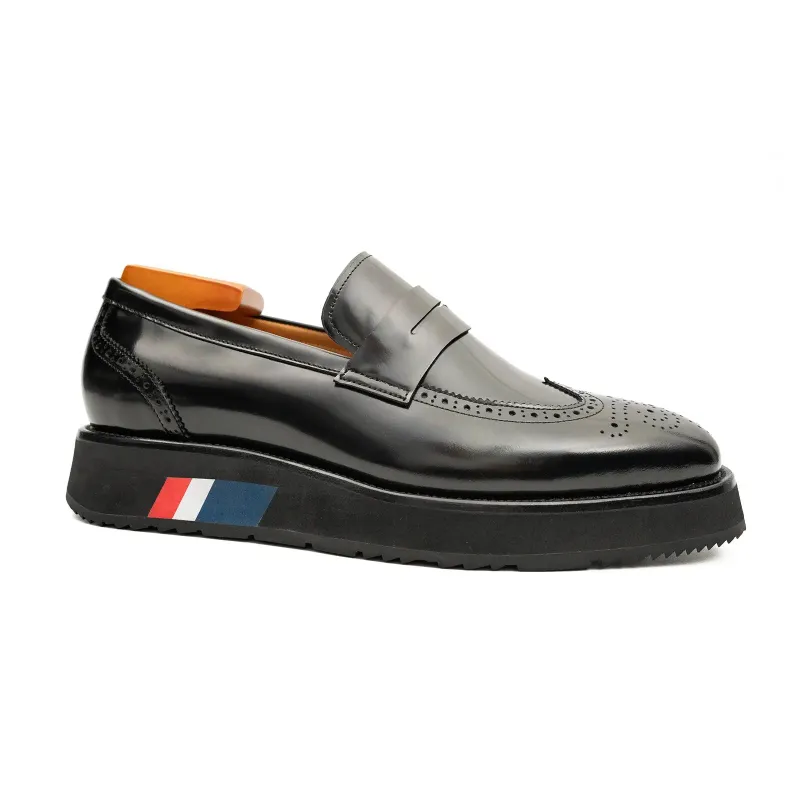 What to Wear with Derby Brogue Shoes: Styling Tips for Men29 Jul 20265 min
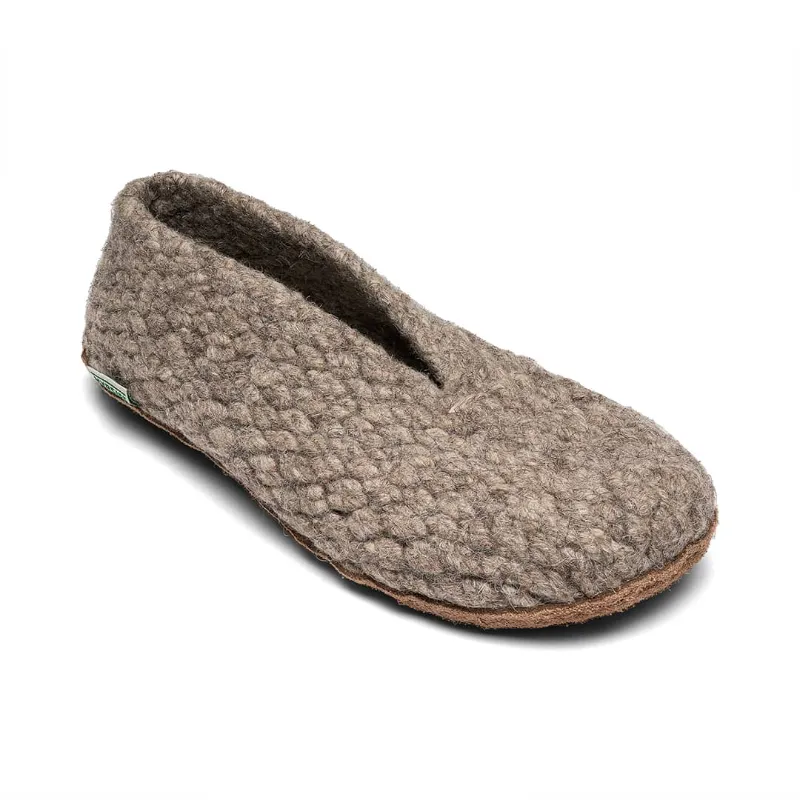 Are Kyrgies Slippers Worth It? What to Know Before You Buy29 Jul 20264 minDo Leather Black Loafers Stretch Over Time? What to Expect29 Jul 20265 min
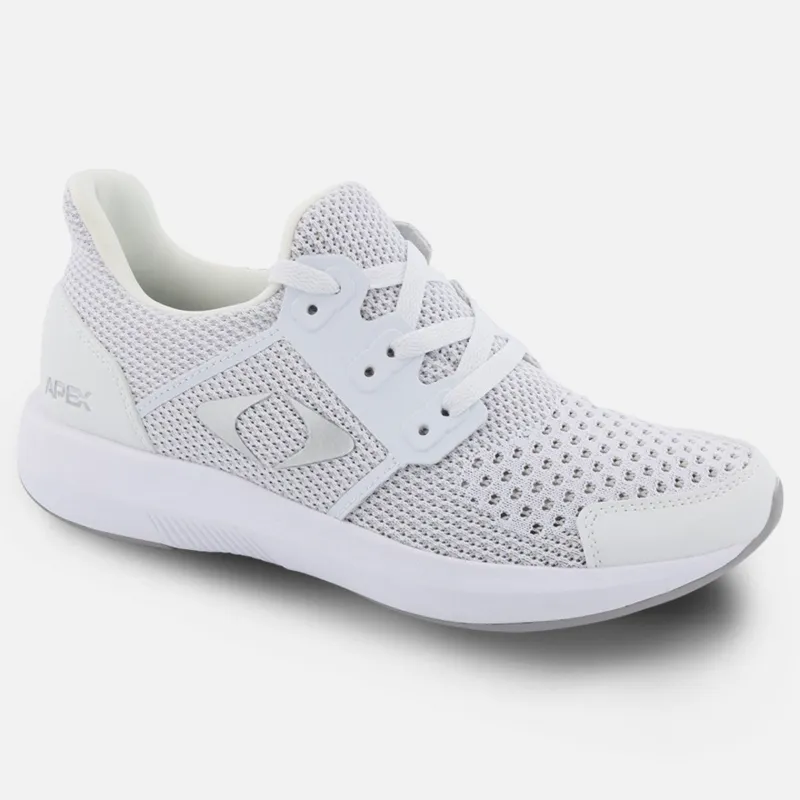 Walking Cradles vs Apex Sneakers: Which Offers Better Arch Support for All-Day Wear?29 Jul 20265 minHow to Break in Dansko Ingrid Clogs Without Blisters29 Jul 20266 min