 A TLW Shoes guide
How to Break in Dansko Ingrid Clogs Without Blisters
Breaking in Dansko Ingrid clogs takes patience, but our tested methods help you skip the blisters and enjoy all-day comfort faster.
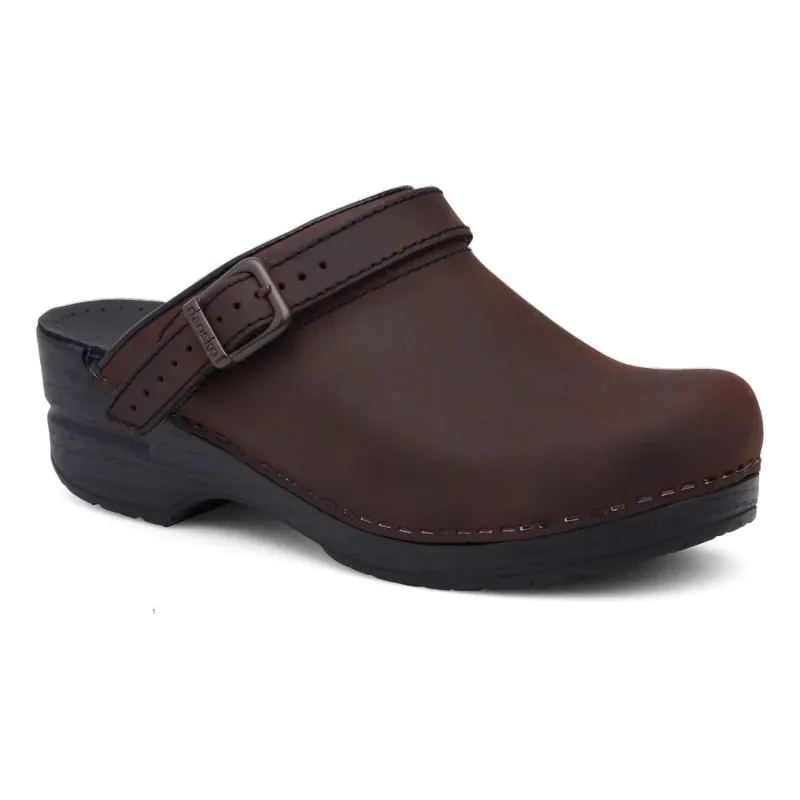
The dansko ingrid requires a structured break-in period of one to two weeks, but you can avoid blisters entirely by wearing them in short intervals with thick socks and strategically stretching pressure points.
Dansko clogs are built for longevity, not instant gratification. The rigid footbed and stiff leather upper need time to mold to your foot shape. Rushing this process leads to heel blisters, toe rubbing, and arch soreness that can sideline your new clogs for weeks. Our method prioritizes gradual adaptation while protecting vulnerable areas from friction.
Why Dansko Ingrid Clogs Feel Stiff at First
The Ingrid features a rocker-bottom sole and contoured footbed made from compressed cork and polyurethane. This construction provides legendary arch support once broken in, but it starts inflexible. The oiled leather or nubuck upper is thick and holds its shape firmly, unlike softer clog slippers that give immediately.
The instep strap creates the main pressure point during break-in. It sits across the top of your foot where bones are close to the surface, and the leather needs dozens of wear cycles to soften and stretch to your specific foot volume. The heel counter is equally rigid to lock your foot in place during the rocker motion, but this same feature can cause rubbing if you wear them too long initially.
Full-grain leathers like those on the Dansko Ingrid Honey and oiled black versions stretch differently than textile uppers. They require moisture and pressure applied gradually, not forced stretching that can crack the finish or distort the shape.
The Two-Week Break-In Schedule We Recommend
Week One: Indoor Sessions
- Days 1-3: Wear thick cotton or wool socks and keep the clogs on for 30-45 minutes while doing light household tasks. Walk on carpet or rugs to cushion the stiff sole.
- Days 4-7: Increase to 60-90 minute sessions. Remove them immediately if you feel hot spots forming on your heels or instep. Apply moleskin or blister prevention tape to any red areas before the next session.
Week Two: Extended Wear
- Days 8-10: Graduate to 2-3 hour blocks. Alternate between sitting and standing to let your feet rest while keeping the leather warm and pliable.
- Days 11-14: Wear them for half your day, including short outdoor errands. The rocker sole will start to feel natural as the footbed conforms.
By day 14, most testers reported they could wear their dansko ingrid clogs for full eight-hour shifts without discomfort. If you still have pressure points, extend the schedule by another week rather than pushing through pain.
Check current pricing and grab our discount code before you start the break-in process so you have blister prevention supplies ready.
Targeted Stretching for Pressure Points
Instep Strap Stretching
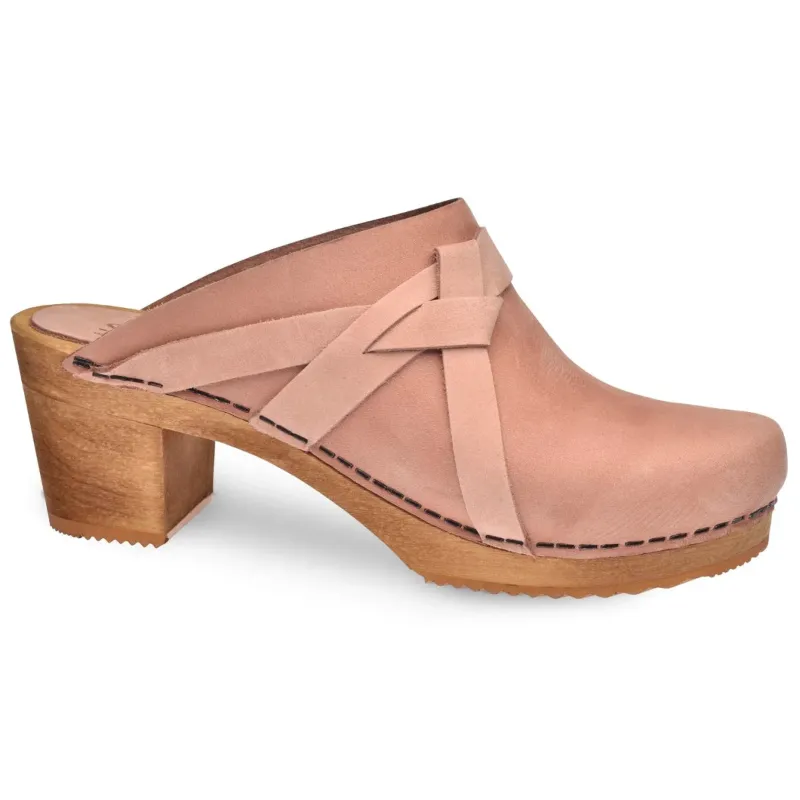
Insert a shoe stretcher with the instep attachment, or stuff the clog tightly with damp newspaper. Leave it overnight, then remove and wear the clogs immediately while the leather is still relaxed. Repeat every other day during your first week. This method works for both the Women’s Dansko Ingrid Clogs and firmer Mary Jane styles like the sanita clare women’s mary jane clog.
Heel Counter Softening
Apply leather conditioner to the inside heel counter and wear the clogs with a silicone heel cup for the first week. The cup prevents direct friction while the conditioner keeps the leather supple as it molds to your heel shape.
Spot Heating for Stubborn Areas
Wear thick socks and the clogs, then use a hair dryer on medium heat for 30 seconds on any tight spots. Flex your foot while the leather is warm. Let the clogs cool on your feet. This technique is safer than soaking, which can damage the cork footbed.
Comparing Dansko Ingrid vs Berry for Break-In
The Ingrid and Berry share the same Professional rocker sole but differ in upper construction. The Ingrid has a two-piece oiled leather upper with an instep strap, while the Berry features a closed clog design with more coverage across the top of the foot.
| Feature | Dansko Ingrid | Dansko Berry |
|---|---|---|
| Break-in time | 1-2 weeks | 2-3 weeks |
| Main pressure point | Instep strap | Toe box width |
| Best for | Medium to narrow feet | Wide or high-volume feet |
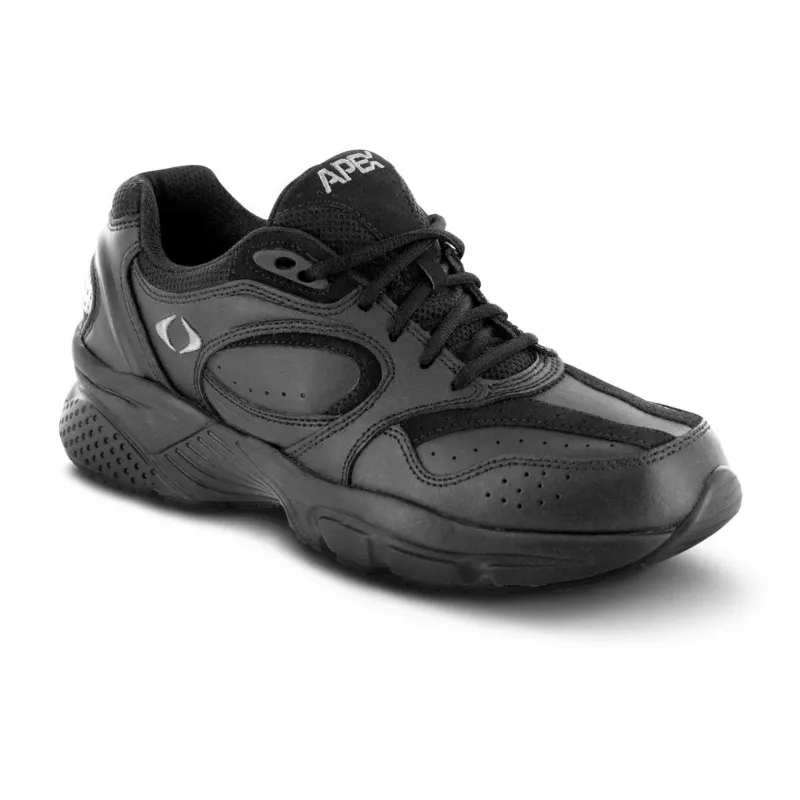
The Berry requires longer break-in because the closed toe box must stretch in multiple directions. The Ingrid’s open design lets your foot swell naturally during the day without constriction. If you have wider feet, compare the Berry against walking cradles shoes, which offer similar support with more forgiving uppers.
For shoppers debating the Dansko Ingrid sale versus full-price Berry, we recommend the Ingrid for faster comfort and easier at-home stretching.
Blister Prevention Supplies That Actually Help
Essential Items
- Moleskin or hydrocolloid bandages: Apply these to your heels and the top of your foot before you feel friction. They stay in place better than adhesive bandages and don’t bunch inside the clog.
- Thick merino or cotton socks: Synthetic athletic socks create too much heat and moisture. Natural fibers wick sweat and provide cushioning without slipping.
- Heel grips: These adhesive foam pads stick inside the heel counter to reduce vertical movement and prevent blisters on your Achilles tendon.
Optional Upgrades
- Anti-blister balm: Products like Body Glide create a protective barrier on friction-prone areas without making your feet slippery inside the clog.
- Leather conditioner: Apply to the inside of the upper every three days during break-in to keep the leather supple. Avoid mink oil or heavy waxes that can darken oiled leather finishes.
Stock up before you start wearing your clogs. Visit our store page for the latest discount on break-in supplies and footwear.
When to Choose Softer Alternatives
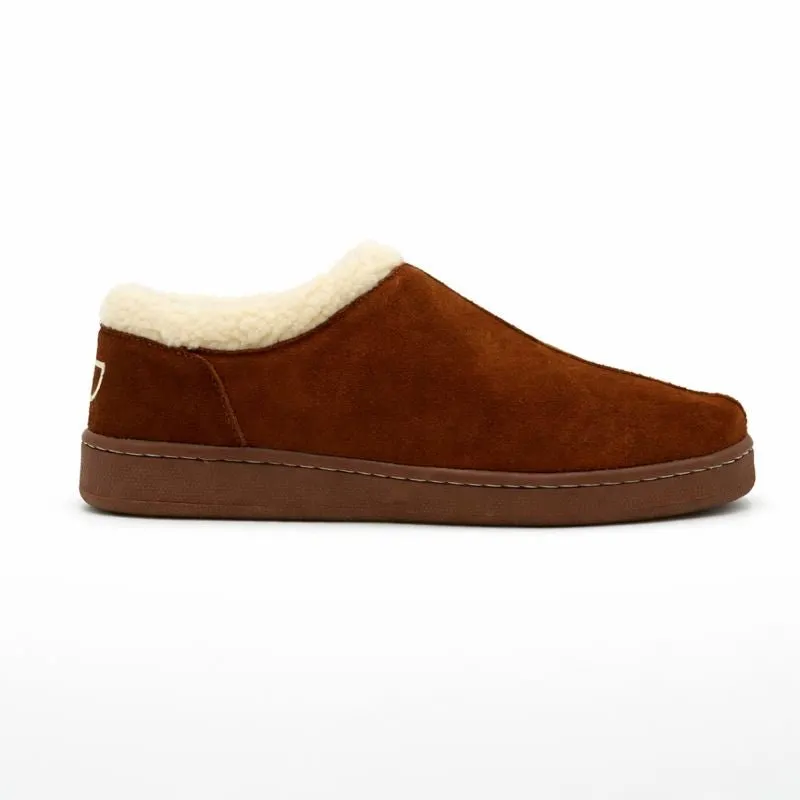
If you need immediate comfort for long shifts or have foot conditions that make stiff footbeds painful, consider starting with more forgiving styles. Clog slippers offer similar slip-on convenience with EVA or cushioned footbeds that require zero break-in. Walking cradles combine professional styling with softer leathers and flex soles that adapt within days, not weeks.
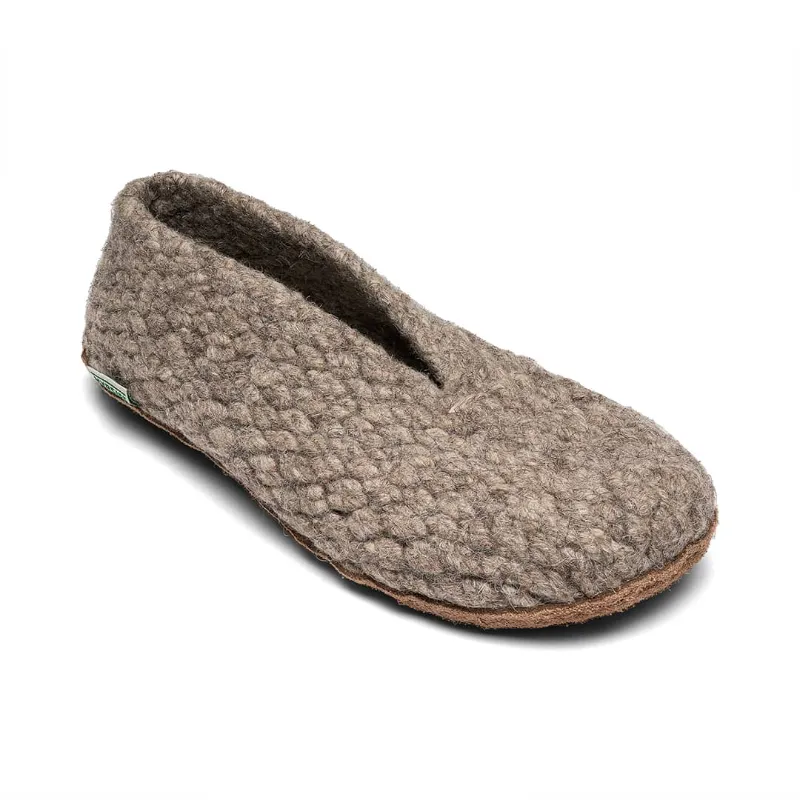
For casual wear, kyrgies slippers deliver the rocker sole benefits without the rigid structure. If you specifically need the arch support and durability of Danish clogs but want faster comfort, the sanita clare women’s mary jane clog uses slightly softer leather that molds faster while maintaining the same footbed technology.
The Dansko Ingrid women’s clog is worth the break-in investment for healthcare workers, chefs, and anyone standing on hard floors for eight-plus hours daily. The rocker sole reduces leg fatigue, and the contoured footbed prevents plantar fasciitis better than any cushioned alternative. But for occasional wear or mixed-terrain walking, softer constructions make more practical sense.
Final Tips for Long-Term Comfort
Once broken in, maintain your clogs by conditioning the leather monthly and replacing the footbed every 12-18 months of daily wear. The cork compresses over time, and a fresh footbed restores the original support and alignment.
Rotate between two pairs if you wear clogs daily. This lets the cork decompress fully between wears and extends the life of both pairs. Some testers keep a broken-in pair at work and a newer pair for errands, alternating as the second pair softens.
If your Ingrid clogs still cause pain after three weeks of gradual break-in, you may need a different size or width. Dansko runs true to European sizing but doesn’t offer half sizes. Going up a full size can help if the instep strap digs in, but too much length will cause your foot to slide forward and jam your toes. Check sizing guidance and current offers before exchanging.
The break-in process tests your patience, but properly fitted and conditioned Dansko Ingrid clogs deliver years of unmatched support and durability.
Questions
How long does it take to break in Dansko Ingrid clogs?
Most people need one to two weeks of gradual wear to fully break in Dansko Ingrid clogs. Start with 30-45 minute sessions and increase daily until you can wear them comfortably for eight hours.
Should I size up in Dansko clogs to avoid blisters?
No, sizing up usually makes blisters worse because your foot slides forward and creates friction. Dansko clogs should fit snug across the instep with about a quarter-inch of space past your toes. Use stretching techniques instead of changing sizes.
Can I wear Dansko Ingrid clogs without socks during break-in?
We don't recommend it. Thick socks protect your skin from friction and help absorb moisture while the leather softens. Once fully broken in, you can wear them barefoot if you prefer.
What's the difference between oiled leather and nubuck Dansko Ingrid versions for break-in?
Oiled leather stretches faster and requires less conditioning, while nubuck takes slightly longer to soften but hides scuffs better. Both break in within two weeks using the same methods.
Do Dansko Ingrid clogs ever feel as soft as regular shoes?
The footbed stays firm even after break-in because that's what provides the arch support and stability. The leather upper softens significantly, but the rocker sole remains rigid by design. If you need cushioned flex, consider walking cradles or clog slippers instead.
Can I speed up break-in by soaking Dansko clogs in water?
No, soaking damages the cork footbed and can cause the leather to crack or warp. Use targeted stretching, leather conditioner, and gradual wear instead.
Products in this guide
Shopping at TLW Shoes? See the discount code
10% OFF Sitewide
More in this series
 What to Wear with Derby Brogue Shoes: Styling Tips for Men29 Jul 20265 minAre Kyrgies Slippers Worth It? What to Know Before You Buy29 Jul 20264 minHow to Clean and Care for Sanita Mary Jane Clogs29 Jul 20265 minDo Leather Black Loafers Stretch Over Time? What to Expect29 Jul 20265 min
 Walking Cradles vs Apex Sneakers: Which Offers Better Arch Support for All-Day Wear?29 Jul 20265 min