 A T-HOBBY guide
What KV Rating Do You Actually Need for Your Drone Motor?
Choosing the right KV rating for your o3 air unit micro drone means matching motor speed to your flight style, prop size, and camera weight.
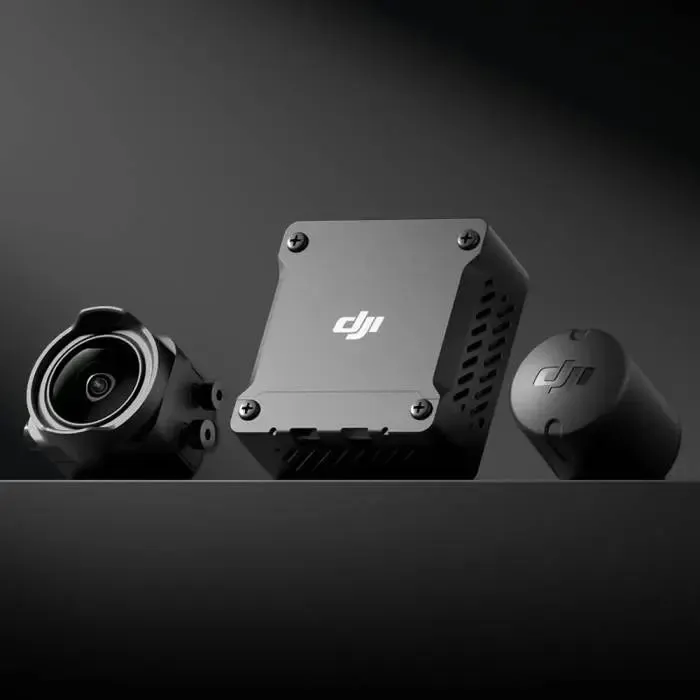
The right KV rating for your o3 air unit micro drone depends on your prop size, target flight weight, and whether you prioritize speed or control. Most micro builds carrying DJI’s digital FPV system perform best with motors in the 3500-5000 KV range, but the specific sweet spot shifts based on frame size and flying style.
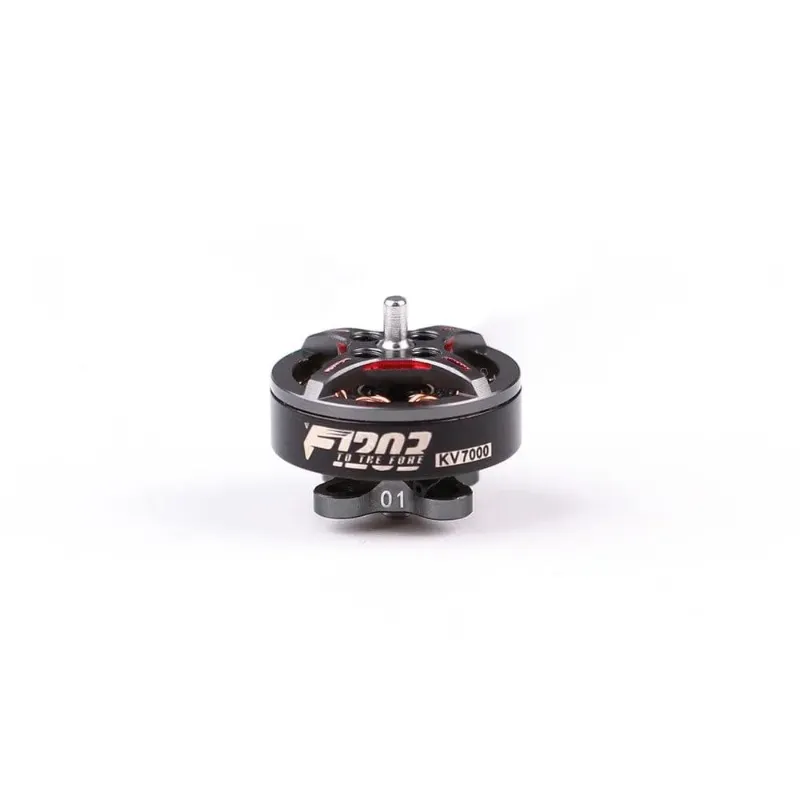
KV rating tells you how many RPM per volt your motor will spin unloaded. A 1203 4850kv motor on a 4S battery theoretically spins around 80,000 RPM with no prop attached. Higher KV means faster spin and more responsive throttle, but it also draws more current and generates more heat. Lower KV motors deliver more torque per amp and run cooler, which matters when you’re pushing a heavier camera system through aggressive maneuvers.
How Frame Size and Prop Diameter Determine KV Choice
Smaller props need higher KV to generate useful thrust. Larger props create more air resistance and benefit from lower KV motors that provide stronger torque. Here’s the practical breakdown for builds using the o3 air unit micro drone system:
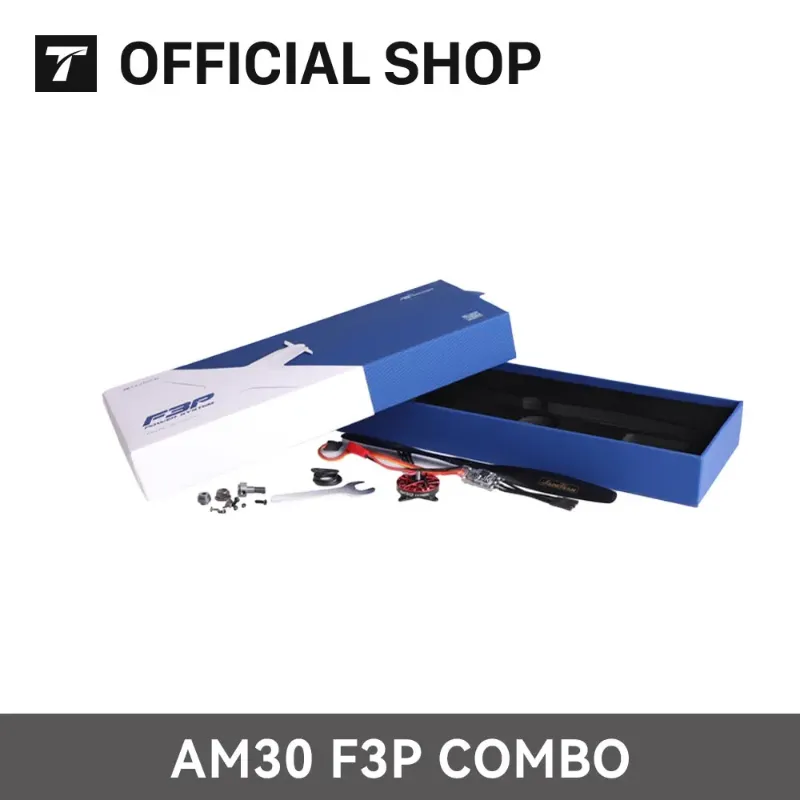
- 2-inch props (65-75mm frames): 5000-6000 KV works well for lightweight freestyle; motors like the am30 sit in this range
- 3-inch props (110-130mm frames): 3500-4500 KV balances thrust and efficiency; the 1203 4850kv handles 3-inch triblade props cleanly
- 3.5 to 4-inch props (140-160mm frames): 2800-3800 KV provides strong mid-range punch without overheating
- 5-inch props (full-size racing/freestyle): 1800-2400 KV for 6S, 2300-2700 KV for 4S setups
The O3 Air Unit adds roughly 30 grams compared to analog video transmitters, so you’ll want motors with enough headroom to carry that extra weight without sagging in hover. For a typical 3-inch build weighing 120-140 grams all-up, a motor around 4500-5000 KV on 4S gives you crisp throttle response and 4-5 minutes of mixed flying. Check the latest pricing to compare motor options across different sizes.
Matching Motor KV to Battery Voltage
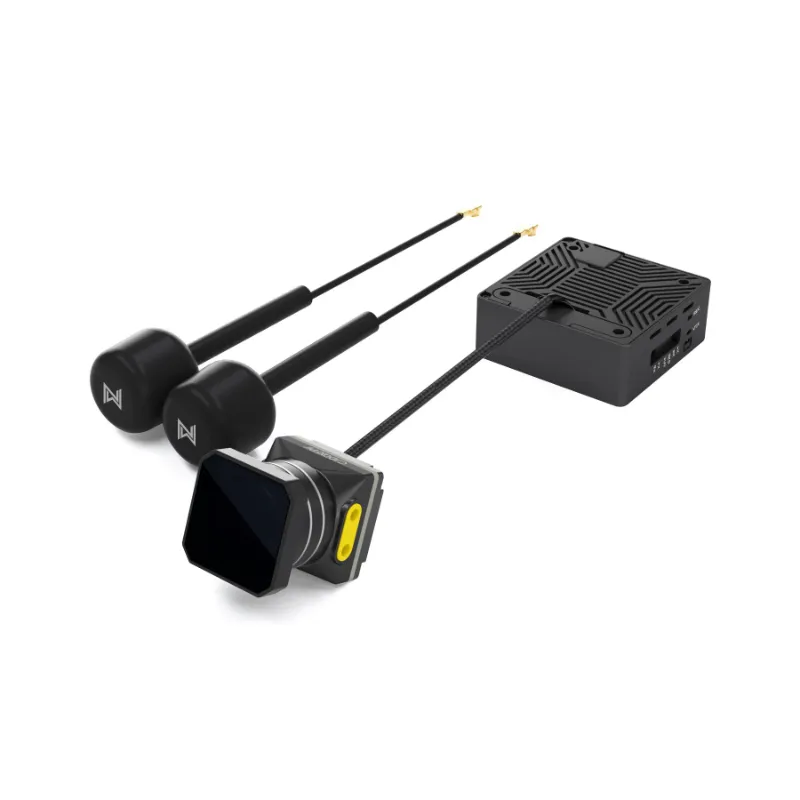
Voltage directly multiplies your effective RPM, so the same motor behaves very differently on 3S versus 6S. Most pilots building with the walksnail moonlight or DJI O3 stick to 4S for micro drones because it balances punch and flight time without requiring enormous current capacity.
| Battery | Voltage Range | Recommended KV (3-inch) | Peak RPM (4500 KV) |
|---|---|---|---|
| 3S | 11.1-12.6V | 5500-6500 KV | ~56,000 RPM |
| 4S | 14.8-16.8V | 4000-5000 KV | ~75,000 RPM |
| 6S | 22.2-25.2V | 2800-3500 KV | ~88,000 RPM |
Higher voltage lets you use lower KV motors, which typically offer better efficiency and cooler operation under load. A t-600 motor at 3800 KV on 6S will feel significantly more powerful than a 5000 KV motor on 4S, even though the lower KV number might suggest otherwise. The trade-off is battery cost and weight, 6S packs are heavier and more expensive for the same capacity.
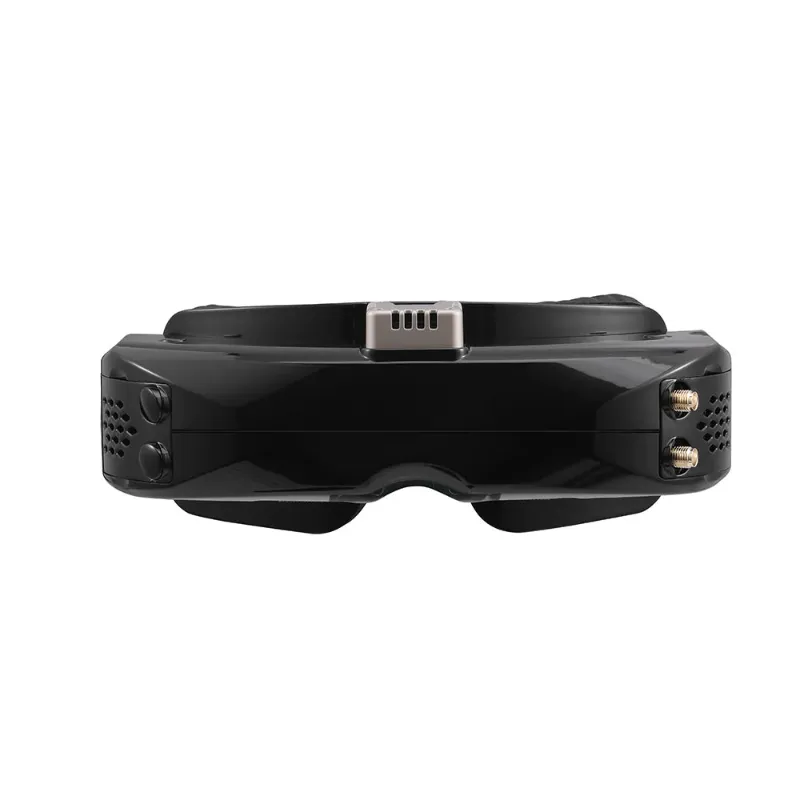
If you’re flying a lightweight setup with a skyzone fpv goggle pairing and want maximum agility, 4S with 4500-5000 KV motors gives you the best power-to-weight ratio. The DJI O3 Air Unit documentation recommends 4S for most micro builds under 200 grams.
High KV vs Low KV for Freestyle and Cinematic Flying
Your flying style should guide your motor choice more than any spec sheet. High KV motors respond faster to throttle input and recover quickly from dives, which makes them ideal for tight freestyle gaps and rapid direction changes. Low KV motors feel smoother and hold speed better in straight lines, which suits cinematic cruising and long-range exploration.
High KV (4500+ on 4S) advantages:
- Instant throttle response for quick corrections
- Better performance in windy conditions
- Lighter motor weight for the same thrust output
- Works well with lighter props and aggressive tuning
Low KV (3000-4000 on 4S) advantages:
- Smoother, more predictable power delivery
- Lower current draw extends flight time
- Cooler operation reduces motor and ESC stress
- Better torque for carrying heavier camera rigs
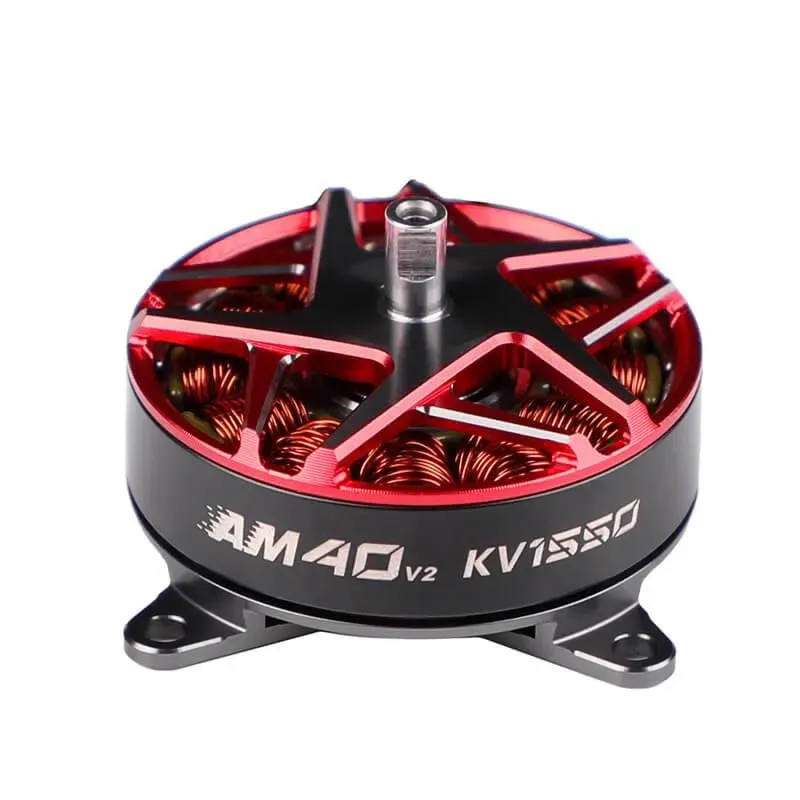
For most pilots running an o3 air unit micro drone setup, the 4000-4500 KV range on 4S hits the middle ground. Motors like the t40 and t-850 fall into this category and work across freestyle and cruising styles without forcing you to pick one or the other. Grab the discount code if you’re stocking up on multiple motor sizes to test.
Real-World Performance with the O3 Air Unit
The O3 Air Unit’s weight and power draw shift the optimal KV downward compared to analog builds on the same frame.
A 5200 KV motor that felt perfect with an analog VTX can run uncomfortably hot with the O3’s extra mass, especially in hover or slow forward flight where cooling airflow drops. Stepping down to 4500-4800 KV restores reasonable operating temperatures and extends motor life without sacrificing much top-end speed. The DJI O3 Air Unit review notes similar findings with 3-inch and 3.5-inch builds.
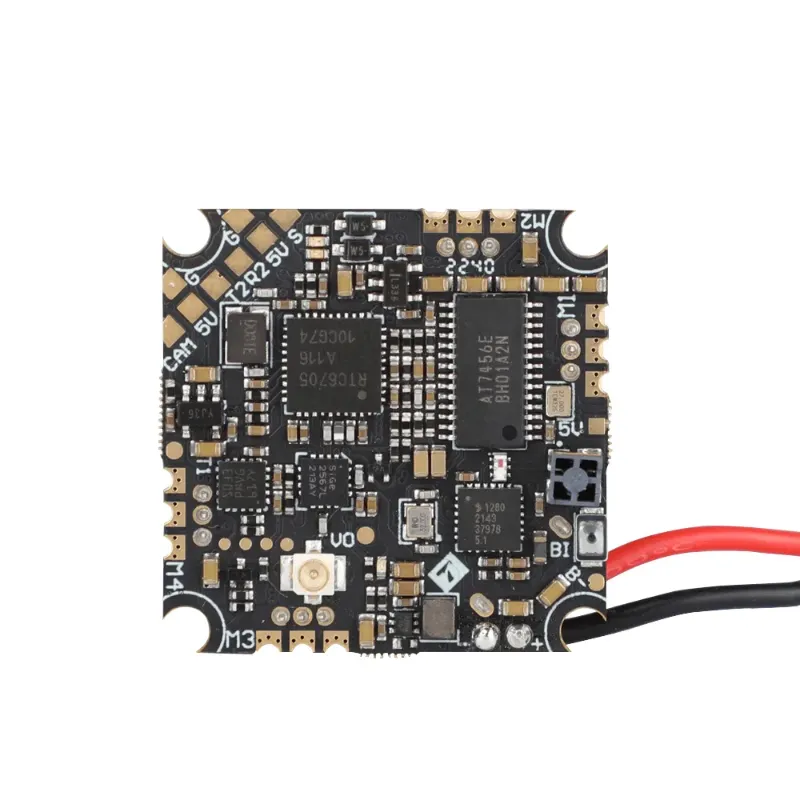
If you’re pairing the O3 with a f411 flight controller on a tight build, pay attention to total system draw. Higher KV motors pull more peak current, which can trip voltage sag or overload a marginal ESC during punch-outs. Most 20A or 25A all-in-one ESCs handle 4500 KV motors comfortably on 4S, but 5500+ KV motors can push continuous draw above safe limits during aggressive flying.
Choosing the Right Motor for Your Next Build
Start by defining your frame size and desired flight time, then work backward to motor KV. For a 3-inch o3 air unit micro drone weighing 130-150 grams, we recommend 4500-5000 KV motors on 4S with 20A ESCs and triblade props. That combination delivers 4-5 minutes of mixed freestyle and cruising with good thermal margins.
If you’re building lighter than 100 grams on a 2-inch frame, bump KV to 5500-6000 to compensate for the smaller prop diameter. Heavier builds above 180 grams benefit from dropping to 3800-4200 KV to maintain efficiency and prevent motor overheating during longer flights.
Test your setup over several packs and monitor motor temperatures after landing. If motors feel uncomfortably hot to touch within 30 seconds of landing, step down 300-500 KV or reduce prop pitch. If throttle response feels sluggish or you’re frequently hovering above 40%, step up in KV or reduce weight. The mavicpilots discussion covers real-world O3 integration challenges that affect motor selection.
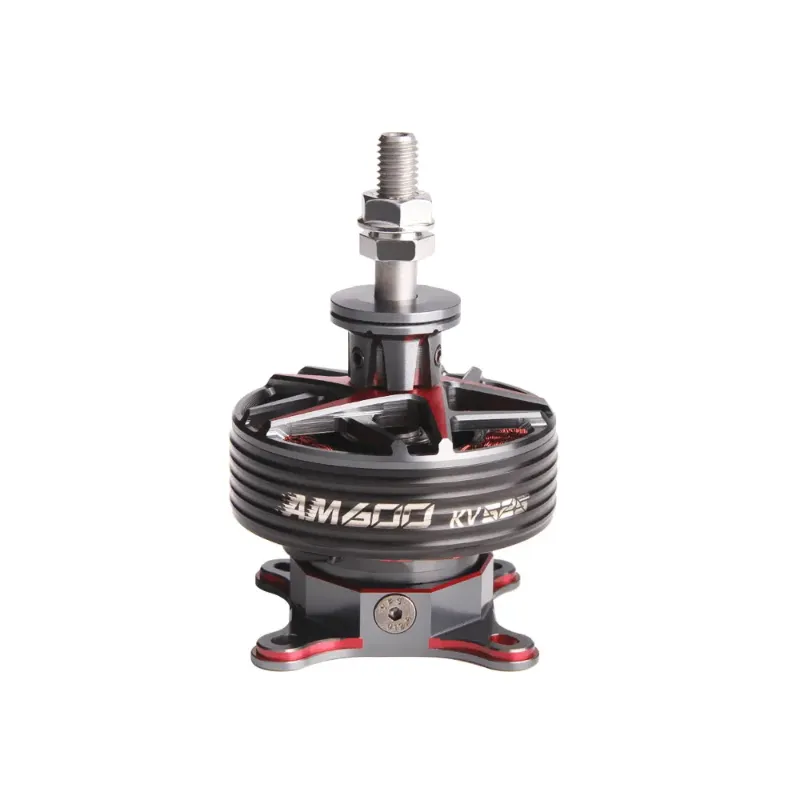
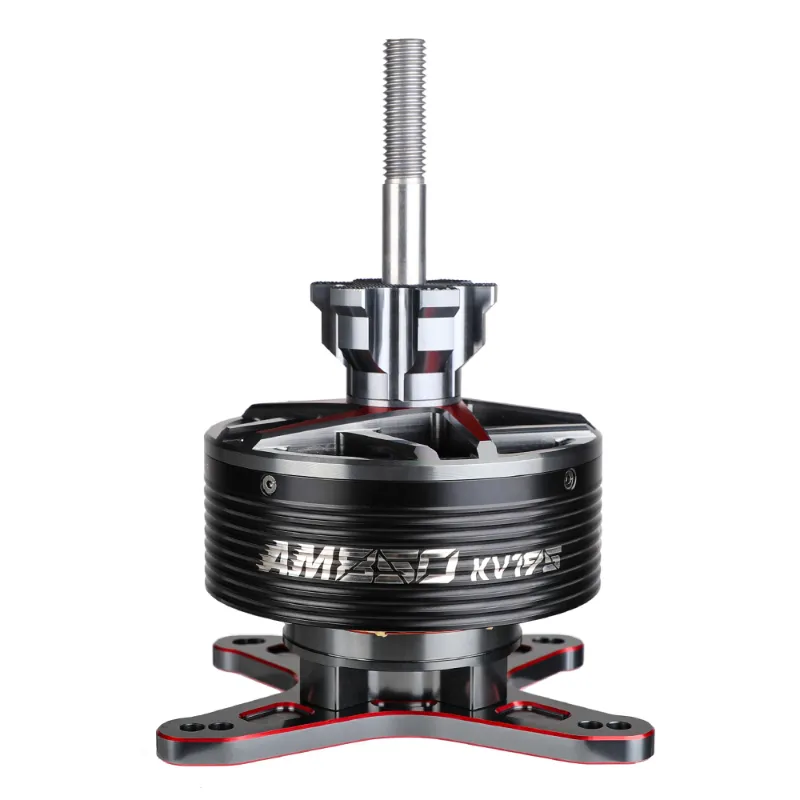
Motor options like the am670, 42t, and t 600 span the most common KV ranges for micro builds, so you’ll find a good match regardless of your specific frame and battery choice. Check current pricing to see which motors fit your build budget and flying goals.
Questions
What KV motor should I use with the O3 Air Unit on a 3-inch drone?
Most 3-inch builds with the O3 Air Unit perform best with 4500-5000 KV motors on 4S batteries. This range balances thrust, efficiency, and thermal performance for the added weight of the digital FPV system.
Does higher KV always mean more speed?
Not necessarily. Higher KV spins faster but can reduce efficiency and top speed if the motor can't handle the load. Prop size, battery voltage, and total weight all affect actual speed more than KV alone.
Can I use 6S batteries with high KV motors?
You should drop KV by roughly 30-40% when moving from 4S to 6S. A 5000 KV motor on 4S would need around 3200-3500 KV on 6S to achieve similar RPM and performance characteristics.
Why do my motors overheat with the O3 Air Unit?
The O3 adds about 30 grams compared to analog systems, which increases continuous motor load. If motors run hot, try dropping 300-500 KV or switching to a lower-pitch prop to reduce current draw.
What KV works for both freestyle and cinematic flying?
Motors in the 4000-4500 KV range on 4S provide a good middle ground for mixed flying styles. They respond quickly enough for freestyle tricks while staying smooth for cinematic shots.
How does prop size affect which KV I should choose?
Smaller props need higher KV to generate thrust, while larger props work better with lower KV for efficiency. A 2-inch build might use 5500 KV, while a 5-inch build needs only 2300-2700 KV on the same battery.
Products in this guide
 Shopping at T-HOBBY? See the discount code
10% OFF All Orders
Shopping at T-HOBBY? See the discount code
10% OFF All Orders
More in this series
 F411 Flight Controller Setup Guide: Wiring and Configuration Tips12 Aug 20266 minSkyzone Sky04X Review: Are These FPV Goggles Still Competitive in 2026?12 Aug 20265 minWalksnail Moonlight vs O3 Air Unit Micro: Which FPV System Is Worth It?12 Aug 20265 minHow to Choose the Right Motor for Your FPV Drone Build12 Aug 20265 min