 A T-HOBBY guide
How to Choose the Right Motor for Your FPV Drone Build
Choosing the right motor for your o3 air unit micro drone or any FPV build depends on frame size, flight controller compatibility, and how you balance thrust against flight time.
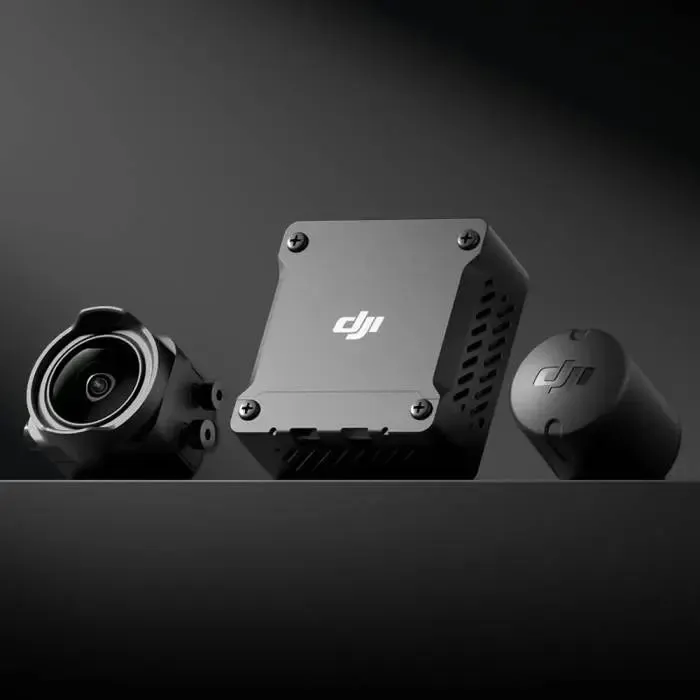
The motor you pick for an o3 air unit micro drone or any FPV build determines throttle response, flight time, and how much weight your quad can carry. Match those to your frame, flight controller, and camera system, and you’ll have a quad that flies exactly how you want it.
Understanding Motor Specifications and What They Mean
Motor specs look cryptic until you know what drives performance. Here’s what actually matters when you’re comparing options like the 1203 4850kv against larger motors.
- Stator size (the first four digits, like 1203 or 2207) tells you the stator diameter and height in millimeters. Larger stators produce more torque and can swing bigger props, but they add weight.
- KV rating measures RPM per volt. A 4850KV motor spins nearly five thousand RPM for every volt you feed it. High KV suits small props and tight racing lines; low KV pairs with larger props for efficiency and freestyle flow.
- Shaft diameter determines which props fit. Most micro motors use 1.5mm or 2mm shafts; 5-inch builds typically need 5mm.
- Weight per motor adds up fast when you mount four. A 3-gram difference per motor means 12 grams total, enough to noticeably affect flight time on a lightweight build.
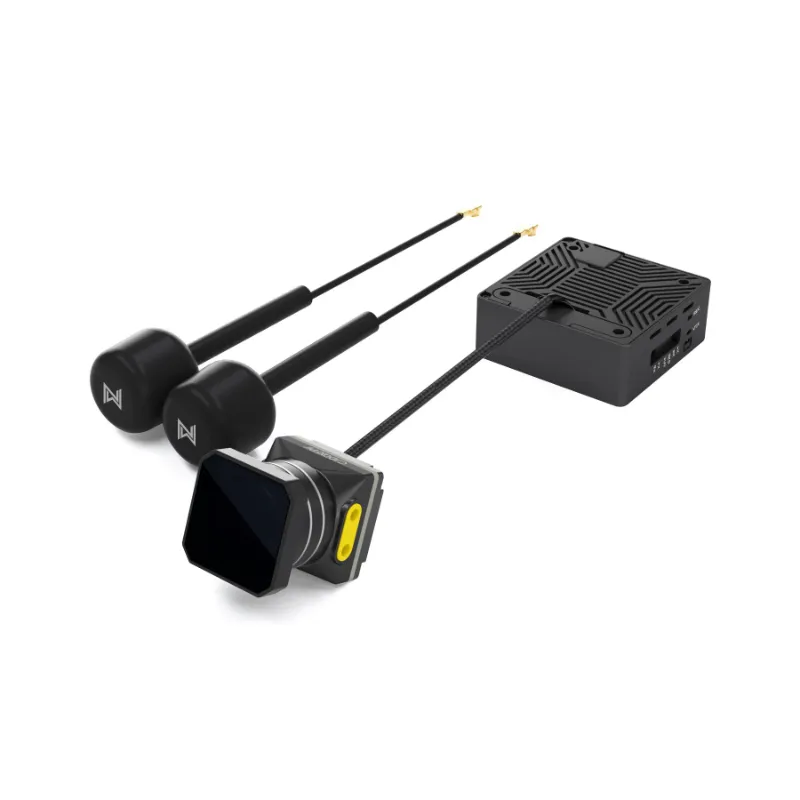
For micro builds under 100 grams, we stick to 1203 or 1204 motors. Mid-weight quads in the 150 to 250-gram range perform well with 1404 or 1505 stators. If you’re building around a walksnail moonlight camera and want cinematic smoothness, favor lower KV and a bit more stator volume.
Matching Motor Size to Your Frame and Flight Style
Frame size dictates your motor envelope, but flight style fine-tunes the choice. A tight 2-inch cinewhoop frame won’t fit anything larger than a 1204 stator, while a 3-inch toothpick has room for 1404 or even 1506 motors if you want extra punch.
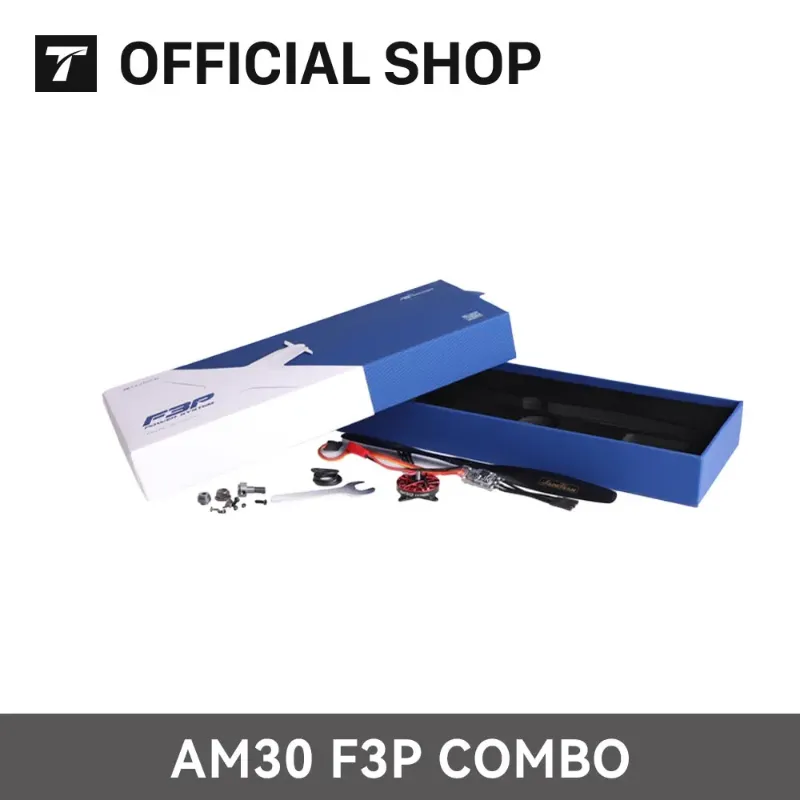
Micro frames (65mm to 85mm wheelbase) Pair these with 0802 to 1103 motors in the 15,000 to 25,000 KV range. The am30 works well here when you need ultra-light thrust for indoor or very tight outdoor flying.
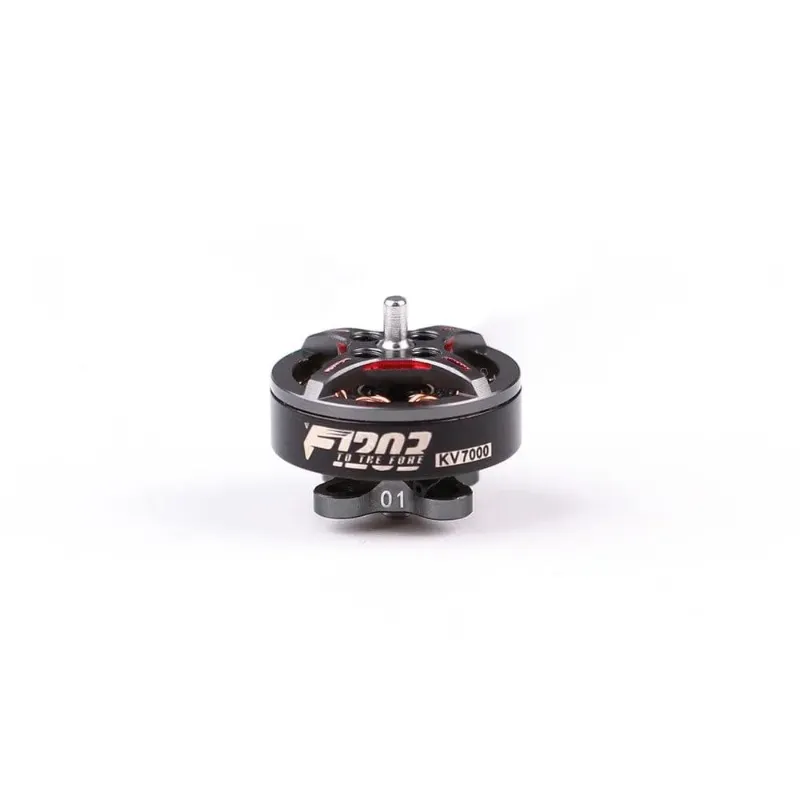
Toothpick and lightweight 2-3 inch builds The 1203 4850kv hits a sweet spot for 2.5 to 3-inch props. It delivers enough torque for punchy climbs without overwhelming a f411 flight controller or draining a 450mAh battery in two minutes.
3-inch to 3.5-inch micro long-range or freestyle Step up to 1404 or 1505 motors in the 3000 to 4000 KV range. Motors like the t-600 and t 600 offer the torque needed for 3-inch tri-blades or light 3.5-inch props, and they pair naturally with an O3 Air Unit when you want digital HD without adding a heavy VTX.
5-inch freestyle and racing Standard 2207 or 2306 motors in 1800 to 2400 KV range dominate here, but that’s outside micro territory. If you’re moving up from a micro build, check the latest motor options to see what fits your new frame.
How to Match Motors to Your FPV System and Battery
Your camera and VTX system affect motor choice more than most builders expect. A lightweight analog VTX barely registers, but an o3 air unit micro drone setup adds 30 grams. That extra mass needs either more thrust or a willingness to sacrifice some acrobatic snap.
We recommend this approach:
- Weigh your frame, flight controller, camera, and VTX before choosing motors. Add 15 percent for wiring, standoffs, and mounting hardware.
- Pick a battery that balances capacity and weight. A 4S 650mAh pack suits most 3-inch builds; 2S or 3S works for tiny whoops.
- Calculate target all-up weight (AUW). Divide by four to get thrust per motor. Most FPV quads fly best when motors can deliver 2.5 to 4 times the AUW at full throttle.
- Check motor thrust tables if the manufacturer publishes them. If not, use KV and stator size as proxies: higher KV with smaller props or lower KV with larger props for similar thrust.
For example, a 3-inch build with an O3 Air Unit, walksnail moonlight, and f411 typically lands around 140 grams without the battery. Add a 4S 650mAh pack (roughly 80 grams), and you’re at 220 grams AUW. Motors producing 550 to 880 grams total thrust (split across four) will give you responsive flight without cooking the battery in 90 seconds.
Comparing Popular Motor Options for Micro and Mid-Size Builds
Here’s how the most common motor sizes stack up when you’re building around lightweight FPV systems.
| Motor Size | Typical KV Range | Best Prop Size | Ideal Frame Class |
|---|---|---|---|
| 1203 | 4500 – 5500 | 2.5″ – 3″ | Toothpick, micro long-range |
| 1404 | 3000 – 4500 | 3″ – 3.5″ | Micro freestyle, light cinewhoop |
| 1505 – 1506 | 2800 – 4000 | 3.5″ – 4″ | Mid-weight freestyle, light 4″ builds |
| 2004 – 2203 | 2300 – 3600 | 4″ – 5″ | Transitional, ultralight 5″ |
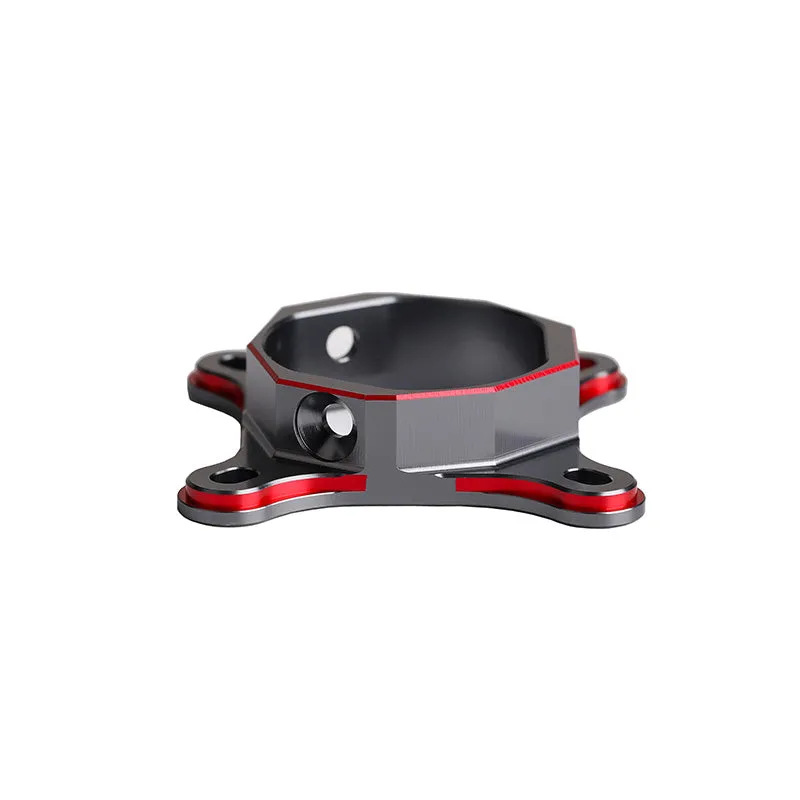
The t-600 and similar 1404 options deliver excellent thrust-to-weight when you’re running 3-inch props on 4S. The am670 and 42t cater to builders who want a bit more stator height for heavier camera rigs or longer flight times with larger packs. If you’re pushing into 4-inch territory or adding extra gear like a skyzone fpv receiver module for head tracking, grab the current discount code and consider the t40 or t-850 for that extra margin of thrust.
Practical Tips for Wiring, ESC Compatibility, and Tuning
Even the perfect motor choice falls flat if your ESC can’t drive it or your PID tune fights the motor’s natural response. We’ve seen builders blame motors for oscillation that was actually an ESC protocol mismatch or overly aggressive D-term.
- ESC current rating should exceed your motor’s peak draw by at least 20 percent. Most 1203 to 1404 motors pull 8 to 15 amps at full throttle on 4S; a 20A or 25A ESC gives you headroom.
- ESC protocol matters less than it used to, but stick with DShot300 or higher for responsive throttle. Older PWM or Oneshot protocols add latency you’ll feel in tight turns.
- Motor timing and direction are set in your flight controller firmware. Most modern stacks auto-detect direction, but double-check props-out spin direction before your first flight.
- PID tuning interacts with motor responsiveness. Lower KV motors feel smoother and often need less D-term; high KV setups benefit from slightly higher P and I gains to keep the quad locked in.
If you’re running an o3 air unit micro drone build and notice sluggish roll response, check motor screws first. Loose mounting hardware creates flex that no PID tune can fix. Tighten to spec, add a drop of medium-strength threadlocker, and retest before tweaking software.
When to Upgrade Your Motors vs. Tune Your Existing Setup
Not every performance issue needs new hardware. We’ve flown quads that felt slow because of a conservative throttle curve or a battery nearing end-of-life, not because the motors were inadequate.
Upgrade your motors if:
- You’ve added weight (bigger camera, HD VTX) and now struggle to hover below 40 percent throttle
- You’re hitting thermal limits in long freestyle sessions, even with moderate throttle use
- You want to move to a larger prop size and your current stator physically can’t handle the load
Tune or adjust instead if:
- Flight time dropped suddenly (check battery health and prop condition first)
- The quad feels loose in turns (increase P gain, check motor screws, inspect frame for cracks)
- You want more punch but hover is still comfortable (raise throttle expo or mid-point in your rates)
Motor sales rotate frequently, and bundling four motors with a flight controller or FPV system often saves 10 to 15 percent over buying piecemeal.
Questions
What KV rating should I use for an o3 air unit micro drone build?
For most 3-inch builds with an O3 Air Unit, a KV between 3500 and 5000 works well. Lower KV gives smoother footage and longer flight time, while higher KV adds throttle response for freestyle flying.
Can I use 1203 motors on a 3.5-inch prop?
You can, but 1203 motors often struggle with 3.5-inch props on 4S. The stator lacks the torque for efficient thrust, leading to higher temperatures and shorter flight times. A 1404 or 1505 motor is a better match.
How do I know if my motors are too heavy for my frame?
Weigh your complete build including battery. If motors account for more than 20 percent of all-up weight, you're likely carrying unnecessary mass. Most efficient builds keep motors between 12 and 18 percent of total weight.
Do I need different motors for freestyle versus racing?
Freestyle typically uses lower KV motors with larger props for flow and hang time, while racing favors higher KV with smaller, lighter props for instant throttle response. The same motor can work for both if you adjust prop size and tune.
What is the difference between the t-600 and t 600 motors?
Both designations refer to similar motor specifications from the same manufacturer. Check the exact stator size, KV rating, and shaft diameter on the product page to confirm they match your build requirements.
How often should I replace FPV drone motors?
Replace motors when you notice increased vibration, rough bearing feel when you spin them by hand, or visible damage to the bell or windings. With normal use, quality motors last 50 to 100 flight hours before performance degrades.
Products in this guide
 Shopping at T-HOBBY? See the discount code
10% OFF All Orders
Shopping at T-HOBBY? See the discount code
10% OFF All Orders
More in this series
F411 Flight Controller Setup Guide: Wiring and Configuration Tips12 Aug 20266 minWhat KV Rating Do You Actually Need for Your Drone Motor?12 Aug 20265 min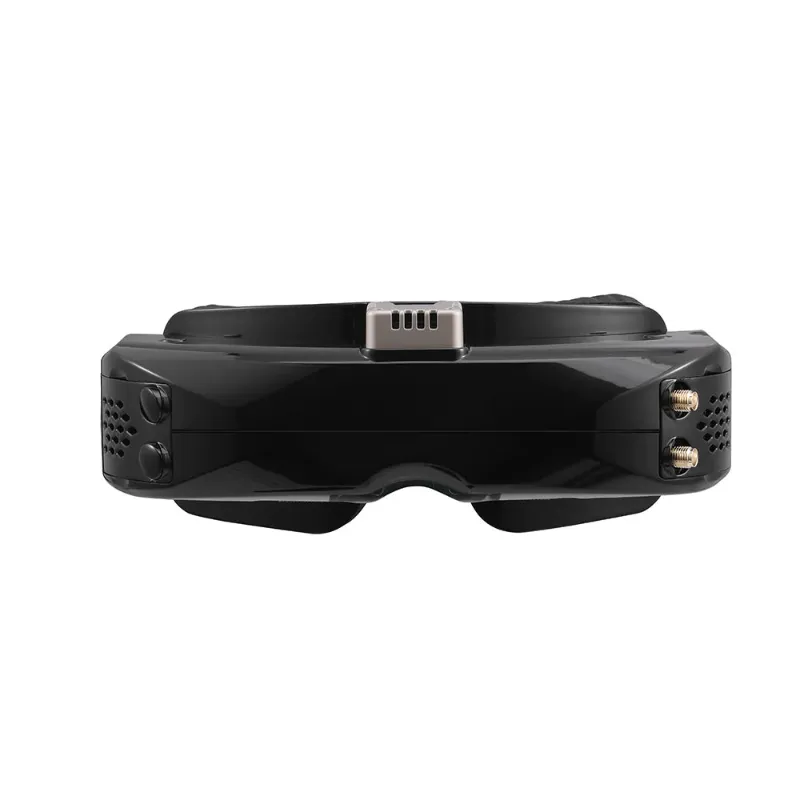 Skyzone Sky04X Review: Are These FPV Goggles Still Competitive in 2026?12 Aug 20265 minWalksnail Moonlight vs O3 Air Unit Micro: Which FPV System Is Worth It?12 Aug 20265 min