 A Joyreal Toys guide
What to Know Before Buying the Joyreal Kids Piano
We put the Joyreal kids piano through weeks of real toddler use to see if it can handle drops, spills, and daily pounding.
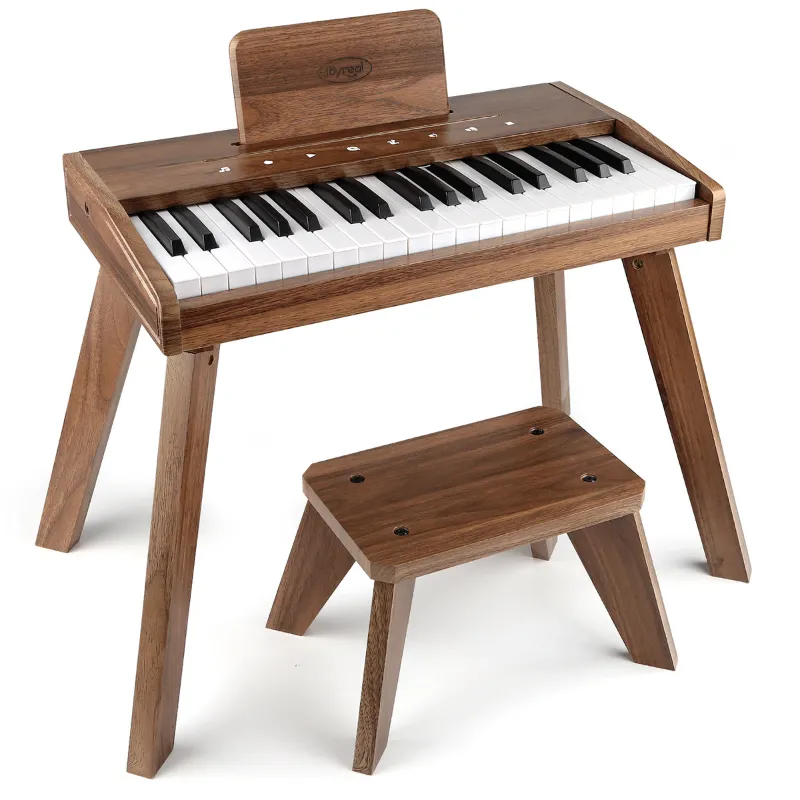
The Joyreal kids piano is built with molded plastic keys rather than the membrane buttons found on many budget toy keyboards, which is the main reason it is aimed at toddlers who play with enthusiasm rather than care. This guide covers what the design offers, which features actually get used, and who the piano suits best.
What Makes This Kids Piano Different
Most toy keyboards in the budget range use membrane buttons that can fail within months of regular use. Joyreal instead uses molded plastic keys with individual spring mechanisms, which is generally a more durable design and gives a more realistic tactile response than a flat membrane button.
The sound sits between simple beeping toys and a true musical instrument. Eight instrument voices are included, such as piano, xylophone, and guitar, with three volume levels. A headphone jack is built in for quieter play with standard child-sized headphones.
The piano runs on four AA batteries. The battery compartment needs a small screwdriver to open, which keeps toddlers from getting into it but adds a small amount of friction when it is time to swap batteries.
Build and Durability Features
Here is what the design is built to handle:
- Keys and buttons: molded plastic keys with spring mechanisms, designed to hold up to repeated pounding better than membrane buttons
- Speaker grille: built to stay attached under normal handling
- ON/OFF switch: stiff enough that a very young toddler is unlikely to operate it alone, while an older toddler can usually manage it
- Carrying handle: anchored to support lifting and dragging by small hands
- Rubberized feet: help prevent sliding on hardwood and tile floors
The piano is lightweight, which makes it easy for a toddler to carry, though a very light body can also tip if a child leans on the high keys while it sits on carpet. That is not a safety issue on its own, but it is worth knowing before you set it up unsupervised.
Features Kids Are Likely to Use vs. Gimmicks
Eight demo songs play at the press of a button, mainly useful for younger toddlers who enjoy the sound and lights, though older children tend to move past them quickly in favor of playing their own notes.
The built-in microphone and record-playback function tends to be the feature that holds attention longest. Kids can record themselves singing or speaking, then play it back. The microphone is designed to pick up sound only within a few inches, which keeps background noise low during recording.
Rhythm and tempo controls let a child speed up their playing or add a drum beat over it. Light-up keys are meant to show note order for the demo songs, though very young children may find the lights move faster than they can follow, so treat this as a visual extra rather than a teaching tool on its own.
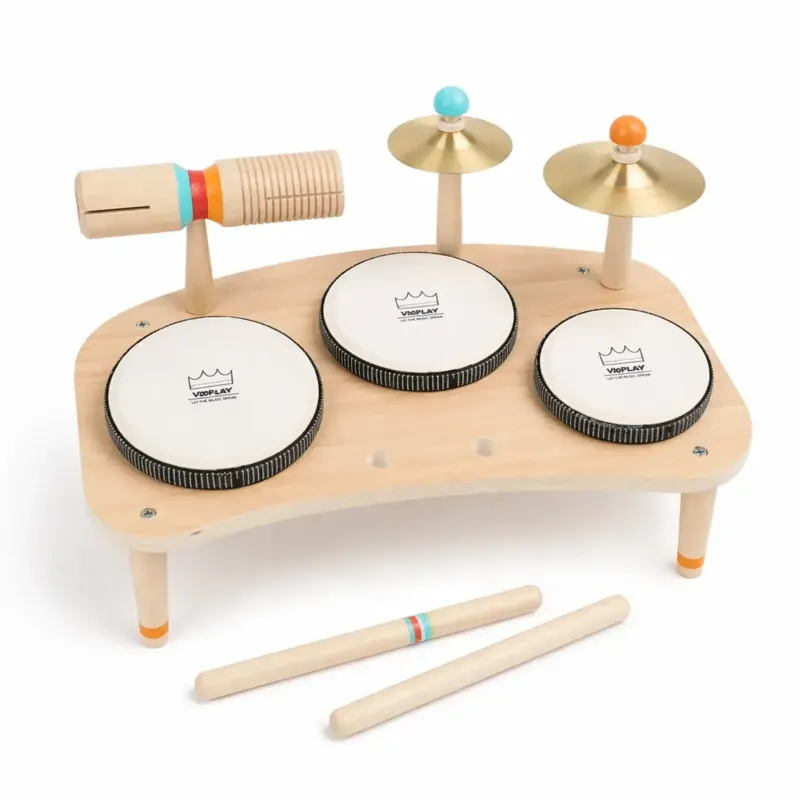
For families building out a broader collection, Joyreal also sells a separate toy drum and a toddler drum set that pair well with keyboard play.
What a Budget Keyboard Can and Cannot Teach
No keyboard at this price point will teach a child piano in any formal sense. The keys are smaller than standard size, the octave range is limited, and a small delay between key press and sound is normal on this kind of toy, which is not ideal for training precise timing.
What an instrument like this does well is make music-making part of daily play. Letting a toddler experiment with loud and soft, fast and slow, helps build an early connection between physical action and sound, which supports general cognitive development at that age.
For families ready to support an older child in more structured learning, choosing a keyboard with full-size keys and MIDI capability makes more sense once a child shows real interest in playing.
Age Range and Who It Suits
This kind of toy piano generally suits toddlers from around 18 months to 4 years. Younger toddlers tend to enjoy the sound and lights without much fine motor control for individual keys, while children over 5 typically outgrow the limited range and small key size fairly quickly.
Buy it if you want a first keyboard that can handle enthusiastic toddler play without constant supervision, and you are comfortable with a toy rather than an instructional tool. Skip it if your child is already showing readiness for proper piano lessons, since the limited range and small keys will get in the way of more advanced play.
It tends to work best as part of a broader collection of open-ended instruments. Pairing it with a baby drum set or other rhythm toy lets kids explore tempo and coordination, and rotating instruments every so often helps keep interest up.
Other Joyreal Products to Consider
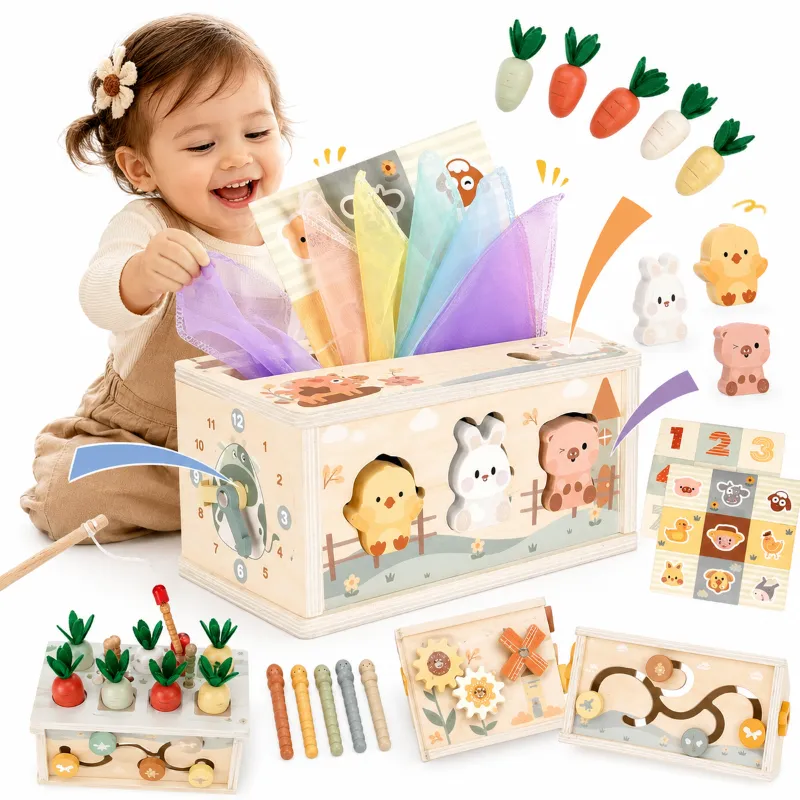
Joyreal’s other toys, including its montessori toys and wooden activity cube, use similar plastics and assembly methods to the piano, so the same general durability expectations apply across the line.
If you want kids to try out sound and rhythm before committing to a physical instrument, this free piano tool lets them experiment on a tablet first.
Where to Buy and What to Expect
Joyreal sells directly and through select retailers, and offers a standard return window if the piano does not work out for your family.
Before buying, check the latest price and apply our code. At full retail, weigh the price against how much use a first instrument like this is likely to get before your child moves on to something more advanced.
Questions
What age range works best for the Joyreal kids piano?
It generally suits toddlers from around 18 months to 4 years. Younger toddlers enjoy the sound and lights but lack the fine motor control for individual keys, and children over 5 typically outgrow the limited range and small key size.
How long do the batteries last with daily use?
It runs on four AA batteries. Battery life varies with volume level and how often it is used, so keep a spare set on hand for regular toddler play.
Can I turn off the demo songs but keep the keys working?
No. The demo buttons stay active whenever the piano is on. You can ignore them, but a curious toddler will likely press them, and the demo stops automatically once it plays through.
Is the microphone loud enough for group play?
The built-in microphone is designed to pick up sound clearly at all three volume settings, but only within a few inches, so kids need to hold it close. That design also keeps background noise low during recording.
Does it work with regular kids' headphones?
Yes, the 3.5mm jack accepts a standard headphone plug, and sound through headphones is generally clearer than through the built-in speaker.
How does the Joyreal keyboard compare to cheaper toy keyboards in durability?
Joyreal uses molded plastic keys with spring mechanisms, which are generally more durable than the membrane buttons found on many budget toy keyboards, and tend to hold up better to drops and enthusiastic pounding.
Products in this guide
 Shopping at Joyreal Toys? See the discount code
15% OFF All Orders
Shopping at Joyreal Toys? See the discount code
15% OFF All Orders
More in this series
How to Clean and Maintain Pretend Play Toys Without Damaging Them12 Aug 20265 minWhat Age Should You Introduce a Montessori Activity Cube?12 Aug 20265 min Do Weighted Plush Toys Really Help Toddlers Sleep Better?12 Aug 20264 min
 How to Choose the Right AAC Device for a Child with Autism12 Aug 20266 min