 A Joyreal Toys guide
What Age Should You Introduce a Montessori Activity Cube?
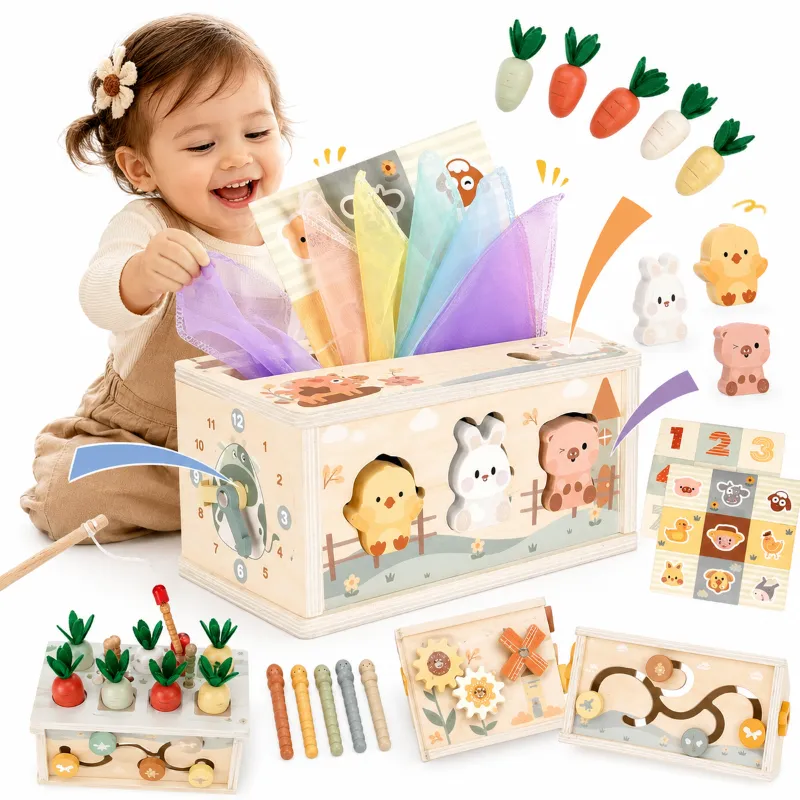
A wooden activity cube works best for babies around 6 to 12 months, though many toddlers continue playing with them through age 3.
Most babies are ready for a wooden activity cube between 6 and 12 months, when they can sit independently and begin exploring cause-and-effect toys. The cube grows with your child, offering new challenges as they develop fine motor skills, hand-eye coordination, and problem-solving abilities through toddlerhood.
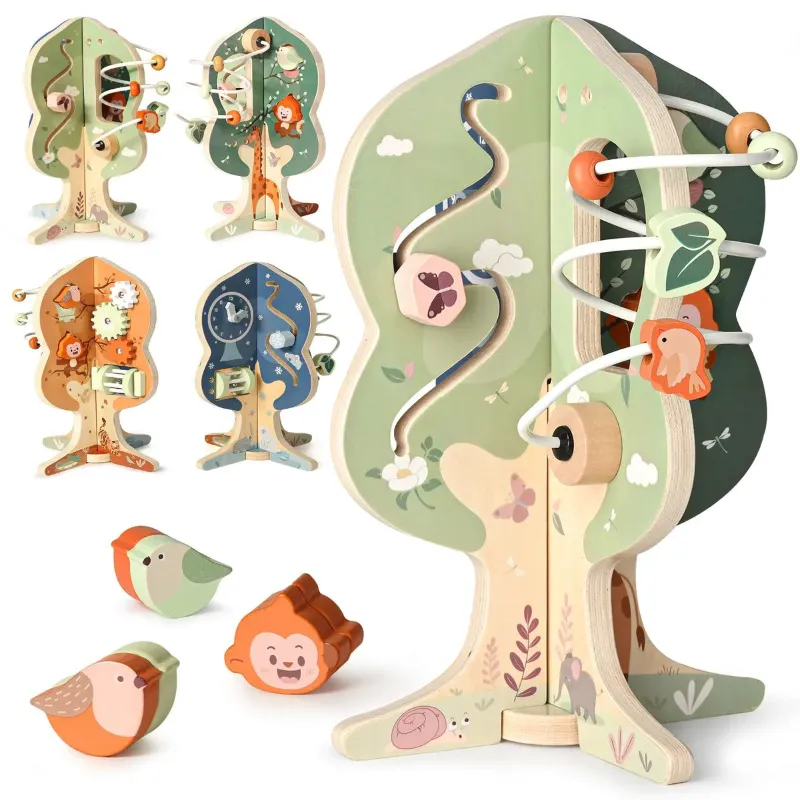
This guide covers the developmental milestones that signal readiness, what features to prioritize at different ages, and how a wooden activity cube fits into a broader rotation of montessori toys.
When Babies Are Developmentally Ready for a Wooden Activity Cube
The sweet spot for introducing a wooden activity cube for babies is around 6 months, once your baby can sit with minimal support. At this stage, they’re developing the hand strength and coordination needed to grasp, spin, and slide the cube’s features.
6 to 9 months: Babies explore textures, spin beads, and practice grasping. They’re drawn to bright colors and moving parts but won’t solve the activities yet.
9 to 12 months: Cruising babies use the cube for pull-up support while engaging with shape sorters and simple mazes. Their pincer grasp improves, allowing them to manipulate smaller elements.
12 to 18 months: Toddlers start problem-solving with the shape sorter, counting beads, and completing bead mazes with intention. They understand object permanence and enjoy flipping panels.
18 months to 3 years: Older toddlers use the cube for counting, color recognition, and imaginative play. They master the more complex sides and may integrate the cube into pretend scenarios.
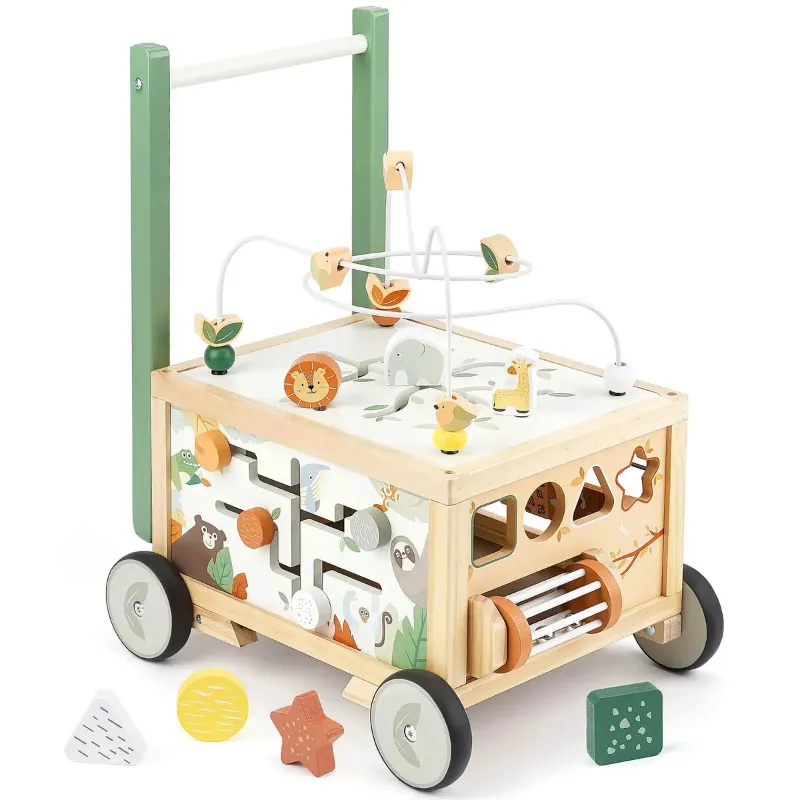
If you’re building a sensory-rich play space, pair the cube with a wooden baby walker for gross motor development or a toy drum for auditory exploration.
What to Look for in a Wooden Activity Cube for Toddlers
Not all wooden activity cubes are created equal. We prioritize these features based on safety testing and developmental value:
- Smooth, rounded edges: Babies mouth everything, so splinter-free wood and non-toxic water-based paint are non-negotiable.
- Stable base: A low center of gravity prevents tipping when babies pull up. Look for a wooden activity cube large enough (at least 12 inches per side) to resist toppling.
- Five or six activity sides: Shape sorters, bead mazes, spinning gears, abacus beads, and flip panels offer varied skill-building. Avoid cubes with only two or three activities.
- Removable top: Many cubes feature a detachable bead maze you can use separately for younger babies not ready for the full cube.
- Securely attached parts: No small pieces should detach. Wire-guided beads must be firmly anchored at both ends.
Check the latest price to compare models. We’ve found that mid-range options often match the quality of premium brands sold at wooden activity cube target or wooden activity cube walmart displays.
Age-by-Age Activity Guide for Maximum Engagement
A single cube adapts to your child’s changing abilities. Here’s how to guide play at each stage without over-directing:
6 to 12 Months: Sensory Exploration
Place the cube within arm’s reach during tummy time or seated play. Let your baby discover the textures, colors, and sounds independently. Narrate their actions (“You’re spinning the blue gear!”) to build language connections.
12 to 18 Months: Cause and Effect
Demonstrate one activity, then step back. At this age, toddlers learn by imitating and experimenting. Celebrate their successes when they fit a shape through the sorter or slide a bead along a wire.
18 Months to 3 Years: Skill Mastery
Introduce counting, color naming, and pattern-making. Ask open-ended questions: “Can you find all the red beads?” or “What shape is this?” The cube becomes a tool for early math and language concepts.
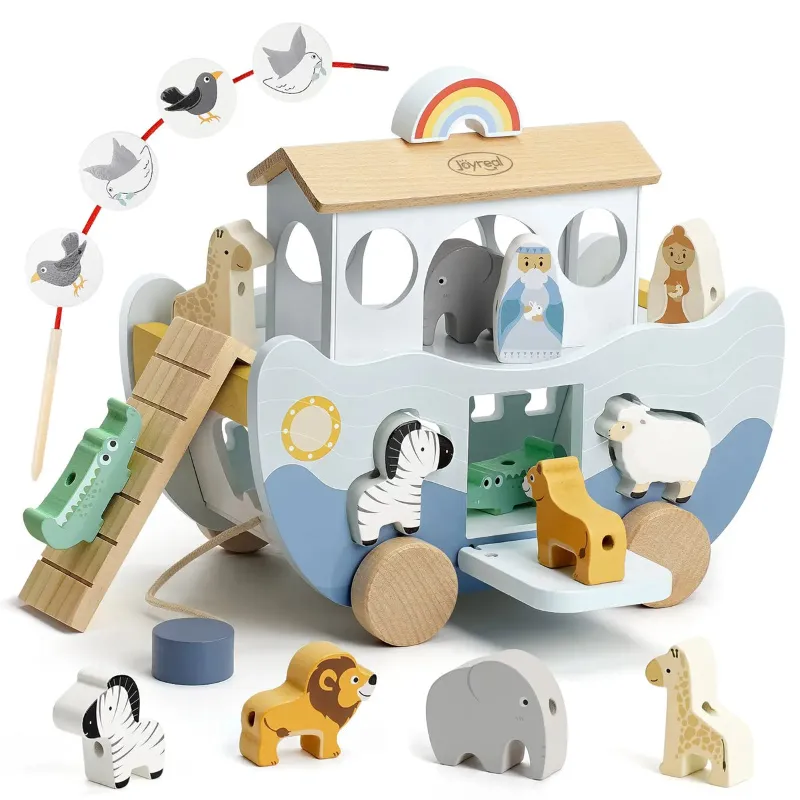
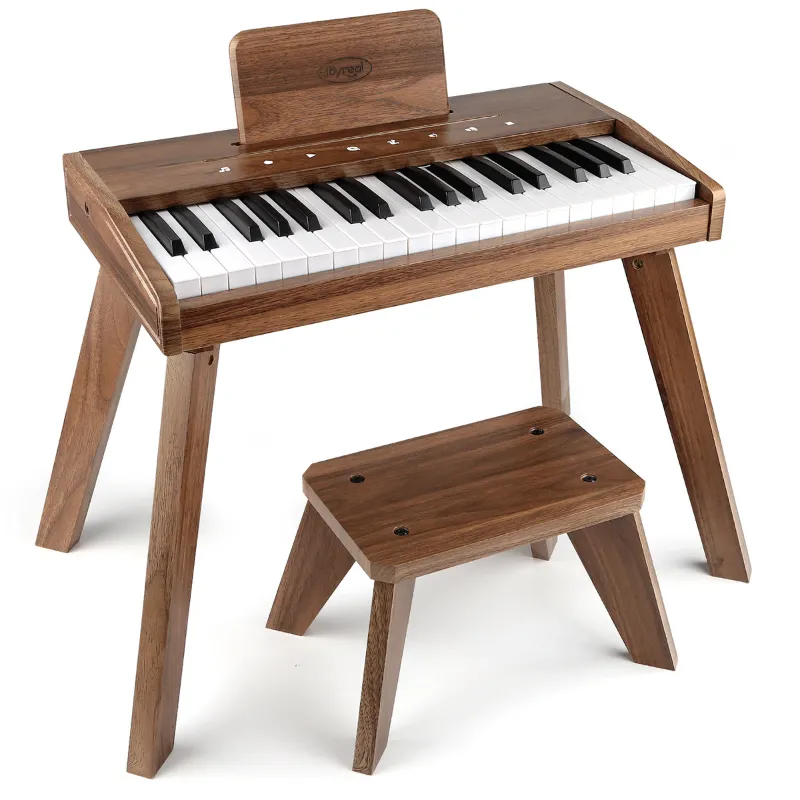
Rotate the cube with other open-ended toys like noahs ark toy sets or a kids piano to maintain novelty and support different learning domains.
How a Wooden Activity Cube Supports Montessori Principles
Montessori philosophy emphasizes child-led, hands-on learning with real materials. A well-designed wooden activity cube for toddlers aligns with these principles:
- Natural materials: Wood offers authentic sensory feedback compared to plastic, supporting tactile development.
- Self-correction: Shape sorters and bead mazes have built-in feedback. Children discover what works without adult intervention.
- Independence: Babies and toddlers can engage with the cube solo, building concentration and confidence.
- Order and sequence: Repeated activities like moving beads along a wire teach sequencing and cause-effect logic.
We consider activity cubes foundational Montessori toys alongside stacking rings, nesting boxes, and simple puzzles. They’re particularly effective in a prepared play environment where children choose activities freely.
Comparing Wooden Activity Cubes to Other Early Learning Toys
Parents often weigh activity cubes against other multi-function toys. Here’s how they stack up:
| Feature | Wooden Activity Cube | Play Gym | Busy Board |
|---|---|---|---|
| Best Age | 6 months to 3 years | 0 to 6 months | 12 months to 3 years |
| Portability | Stationary, heavy | Foldable, light | Wall-mounted or handheld |
| Skills Developed | Fine motor, problem-solving, early math | Gross motor, visual tracking | Life skills, dexterity |
| Longevity | 2+ years of active use | Outgrown quickly | 1 to 2 years |
Activity cubes offer exceptional longevity. Unlike toys your child outgrows in months, a quality cube remains engaging well into preschool. Grab the code for 15% off and you’re investing in a toy that grows with your child.
Safety and Maintenance Tips for Long-Term Use
A wooden activity cube can serve multiple children if you care for it properly:
- Weekly wipe-down: Use a damp cloth with mild soap. Avoid soaking, which can crack wood or loosen glue.
- Inspect wire ends: Check that bead maze wires remain securely fastened. Loose wires are a choking hazard.
- Tighten hardware: Screws can loosen over time, especially on flip panels or spinning components. Tighten them monthly.
- Store indoors: Wood warps in humidity and cracks in extreme temperatures. Keep the cube in climate-controlled spaces.
- Supervise under 12 months: Even with safe design, babies should use the cube under adult supervision until they understand not to mouth small parts excessively.
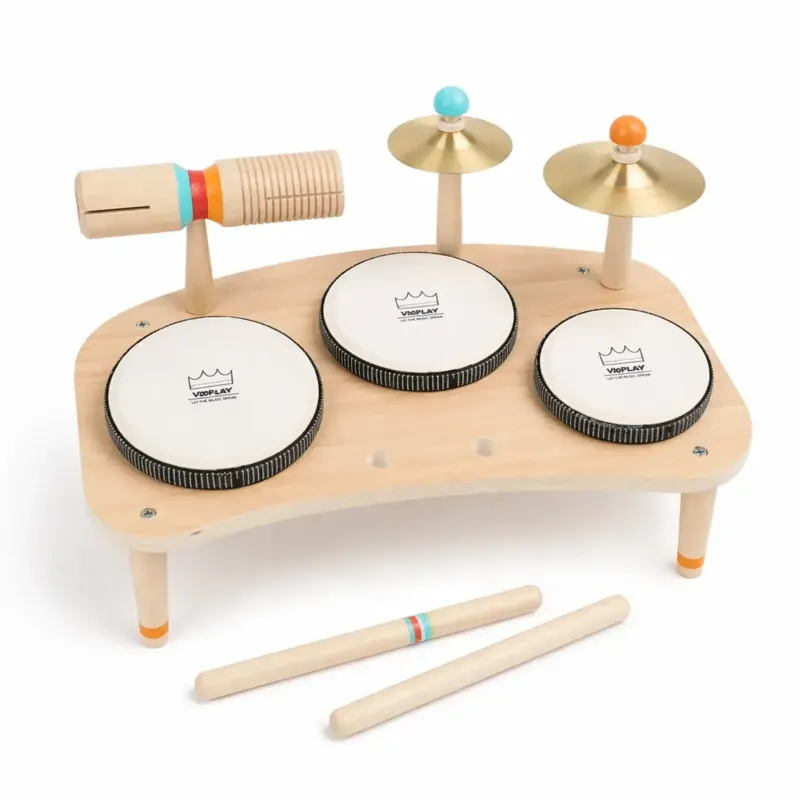
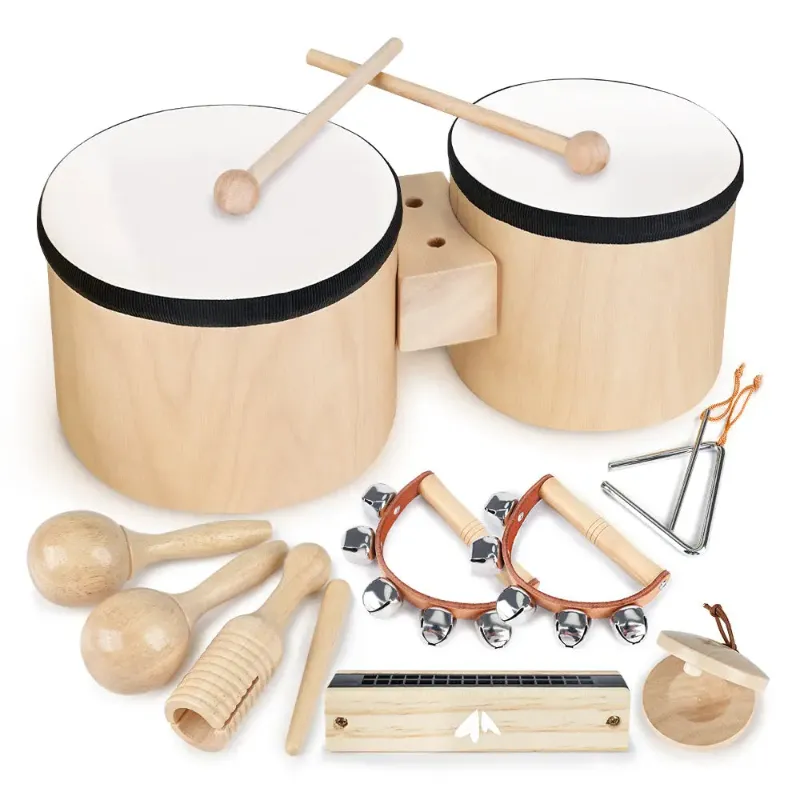
If you’re shopping for a first Montessori toy rotation, pair the cube with a baby drum set or toddler drum set to balance fine motor and gross motor play.
When to Wait or Choose an Alternative
A few scenarios call for delaying or skipping a traditional wooden activity cube:
- Pre-sitters under 5 months: Babies who can’t sit need floor-level toys like play mats or soft blocks first.
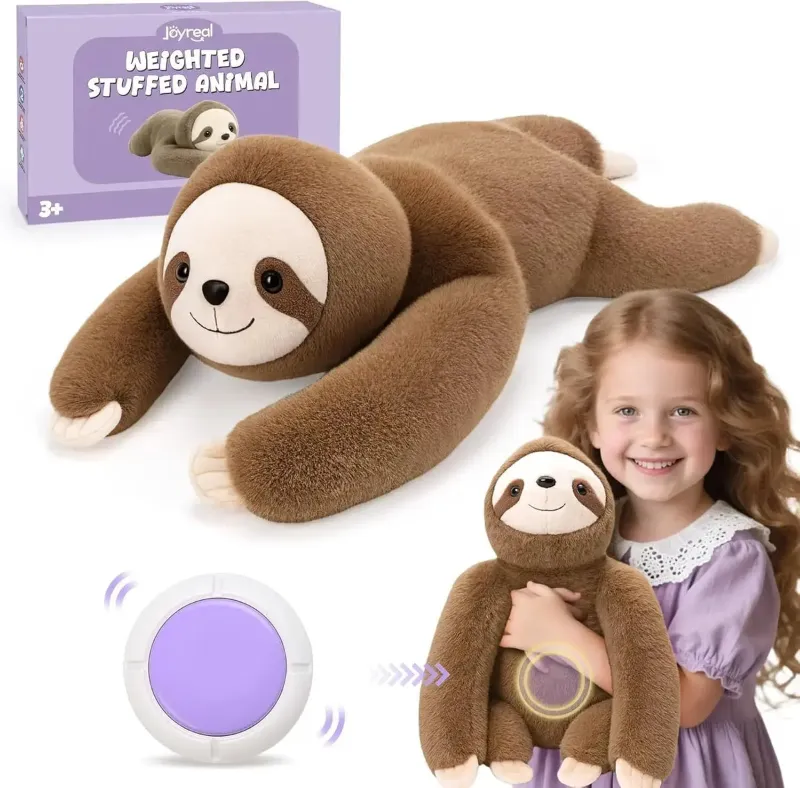
- Very small spaces: Cubes take up floor space. If room is tight, consider a wall-mounted busy board or a weighted sloth for sensory comfort instead.
- Children who crave sound: If your toddler gravitates toward auditory stimulation, a childrens keyboard or drums may engage them more than a quiet cube.
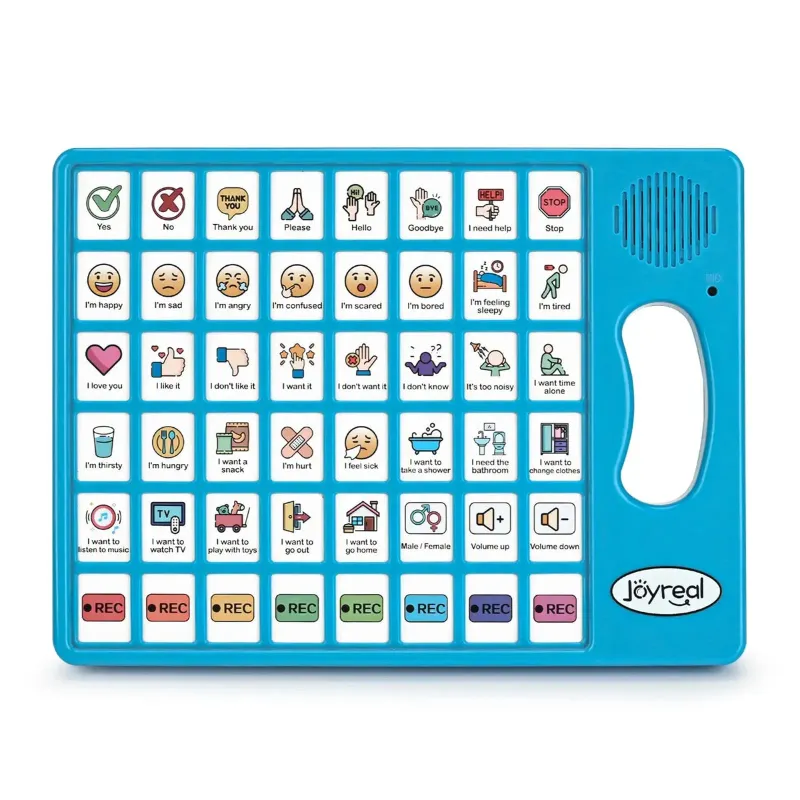
- Kids with specific needs: Some children with developmental differences benefit more from specialized tools like an aac communication device or aac device autism for language support.
Trust your child’s cues. If they ignore the cube after several exposures, set it aside and reintroduce it in a month or two. Readiness varies, and forcing engagement defeats the Montessori principle of following the child’s interests.
Most families find a wooden activity cube becomes a beloved fixture from the first birthday through preschool. It’s one of the few toys we recommend without reservation for its developmental range, safety record, and play value per dollar.
Questions
What is the best age to introduce a wooden activity cube?
Most babies are ready for a wooden activity cube between 6 and 12 months, once they can sit independently and grasp objects. The toy remains engaging through age 3 as children master new skills on each side.
Can younger babies use an activity cube safely?
Babies under 6 months typically lack the sitting stability and hand coordination for an activity cube. Wait until your baby can sit with minimal support and intentionally reach for toys before introducing one.
How long will my child play with a wooden activity cube?
Quality cubes offer 2 to 3 years of active play. Babies explore textures and movement, while toddlers use the cube for counting, sorting, and problem-solving as their skills develop.
Are wooden activity cubes better than plastic ones?
Wooden cubes offer authentic sensory feedback, superior durability, and align with Montessori principles of using natural materials. They also tend to have more securely attached parts and non-toxic finishes compared to budget plastic options.
What features should I prioritize in an activity cube for a 1-year-old?
Look for a stable base that won't tip during pull-ups, smooth edges, a shape sorter, bead mazes, and spinning elements. Five or six varied activities keep toddlers engaged longer than simpler two- or three-sided cubes.
Do I need to supervise my baby with a wooden activity cube?
Yes, supervise babies under 12 months to ensure they don't mouth small parts excessively or try to climb on the cube. Once toddlers understand how to use it safely, they can play independently.
Products in this guide
 Shopping at Joyreal Toys? See the discount code
15% OFF All Orders
Shopping at Joyreal Toys? See the discount code
15% OFF All Orders