 A Joyreal Toys guide
How to Choose the Right AAC Device for a Child with Autism
An AAC device for autism helps non-verbal or minimally verbal children communicate through symbols, text, or speech output.
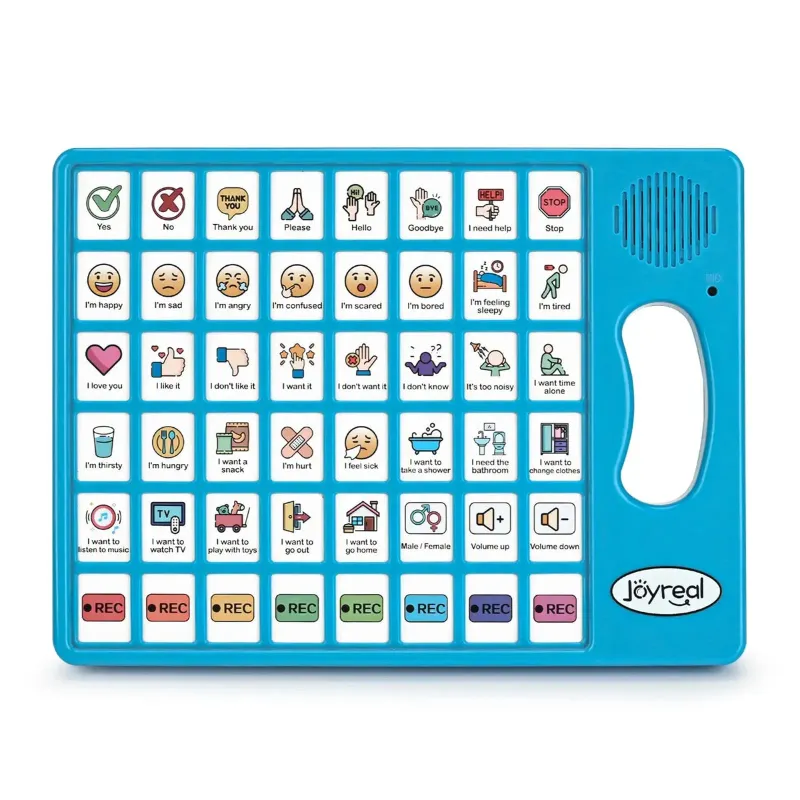
An aac device autism solution helps non-verbal or minimally verbal children communicate through symbols, text, or speech output. Choosing the right aac communication device depends on your child’s motor skills, cognitive level, and whether you need a dedicated device or an iPad app. We’ll walk you through the main types, key features to compare, and how to find funding or free options.
Types of AAC Devices for Autism
AAC systems fall into three broad categories, each suited to different communication needs and budgets.
High-tech dedicated devices are purpose-built tablets with robust cases, long battery life, and specialized software. They often include dynamic display screens that let children tap picture symbols to generate speech. These devices typically cost several thousand dollars but are designed to withstand drops and spills. Because they’re medical-grade, many qualify for insurance or school-district funding.
iPad-based AAC apps turn a standard tablet into a communication tool. Apps range from free options like Proloquo2Go Lite to full-featured programs that rival dedicated hardware. An aac device autism ipad setup is portable and familiar to many families, though a consumer tablet may need a heavy-duty case. You’ll find current pricing and our discount code at the Joyreal coupon page.
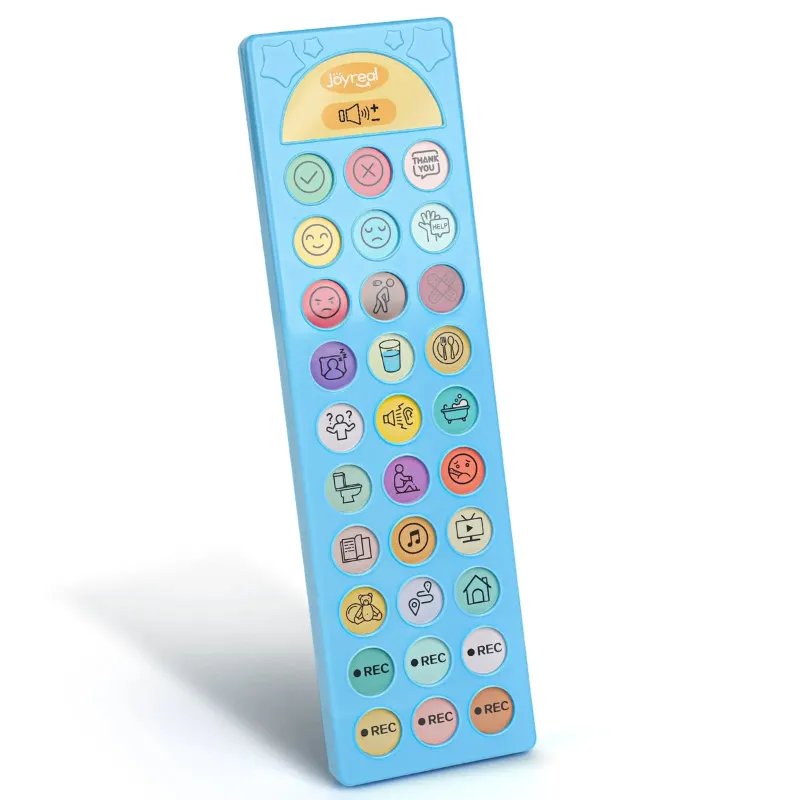
Low-tech options include picture boards, communication books, and simple button devices. These require no charging, work in any environment, and help children learn cause-and-effect before transitioning to a screen. Pairing low-tech tools with high-tech devices during early intervention often accelerates language development.
Key Features to Compare When Choosing an AAC Device
Focus on the features that match your child’s current abilities and room to grow.
- Symbol set and vocabulary size: some systems offer 2,000 core words with child-friendly icons, while others use text-based grids for older learners.
- Customization: look for devices that let you add photos, record your own voice, and reorganize pages as your child’s skills expand.
- Access method: direct touch works for children with good fine motor control; switch scanning or eye-gaze tracking serves those with physical disabilities.
- Speech output quality: natural-sounding voices improve social acceptance and make communication more effective in noisy settings.
- Durability and battery life: school and therapy environments demand rugged cases and all-day power; check whether the manufacturer offers a warranty that covers drops.
We recommend visiting Therapy Works’ guide to popular AAC devices to compare specific models side-by-side.
Where to Buy AAC Devices for Autism and Funding Options
The cost of a best communication device for autism ranges from free apps to devices priced above $10,000, so understanding your funding options is essential.
| Funding Source | What It Covers | Typical Wait Time |
|---|---|---|
| Private insurance | Medically necessary devices with a prescription and evaluation | 3 to 6 months |
| Medicaid / state programs | Dedicated AAC hardware, evaluations, and training | 2 to 4 months |
| School district IEP | Devices required for educational access under IDEA | 1 to 3 months |
| Grants and nonprofits | Partial or full device cost for families who don’t qualify elsewhere | Varies widely |
Many families start with a free AAC device autism app to trial vocabulary layouts before committing to hardware. Autism Speaks’ technology resource page lists current grant programs and loan libraries where you can test devices at no cost.
If you’re exploring whether AAC devices for autism are covered by insurance, request a speech-language evaluation that documents your child’s communication deficit and includes a specific device recommendation. Insurers require medical necessity, so the evaluation report must show that lower-cost alternatives have been tried or are inadequate.
Matching the Device to Your Child’s Skills and Environment
An effective AAC system fits your child’s motor abilities, learning style, and daily routines.

For toddlers and early learners, single-message buttons or simple picture boards build the understanding that a symbol produces a result. Pairing these low-tech tools with montessori toys and sensory play during therapy sessions reinforces turn-taking and joint attention. As the child masters a few core requests, transition to a device with 10 to 20 symbols organized by category.
For school-age children, a tablet-based system with word prediction, grammar support, and social scripts supports classroom participation and playground interactions. Look for apps that sync across devices so your child practices the same vocabulary at home, school, and therapy. Lingraphica’s guide to autism and AAC explains how to structure vocabulary for academic and social settings.
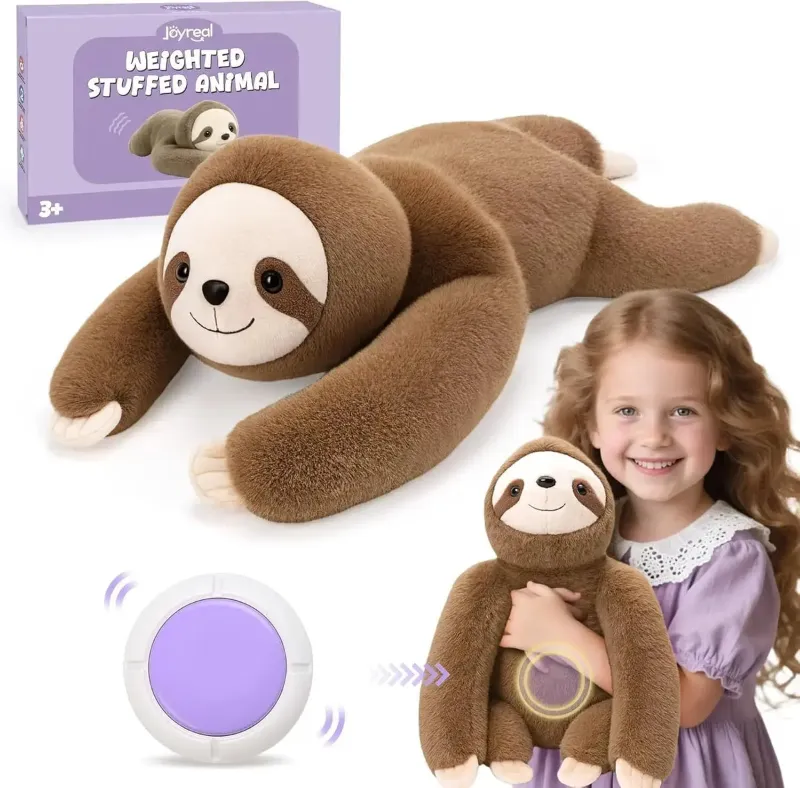
For children with limited hand mobility, explore eye-gaze systems or single-switch scanning. These access methods let a child select symbols by looking at the screen or pressing a large button to cycle through options. Pair any AAC device with comfort items like a weighted sloth during practice sessions to reduce anxiety and improve focus.
AAC Device Autism Cost and Trial Periods
Understanding the total cost helps you budget for software subscriptions, protective cases, and ongoing support.
- Free AAC apps: offer 20 to 50 symbols; ideal for initial assessment but limited vocabulary prevents long-term use.
- Mid-tier apps: range from $100 to $300 with hundreds of pre-programmed phrases and the ability to add custom content.
- Dedicated devices: start around $3,000 and include device, software, case, and manufacturer training; insurance often covers 80 to 100 percent after prior authorization.
- Subscription models: some vendors charge annual fees for cloud backup, voice updates, and customer support; confirm what’s included before purchasing.
Most manufacturers and app developers offer a 30- to 90-day trial or money-back guarantee. Use this window to observe whether your child engages with the interface and whether caregivers can program new vocabulary quickly. Grab our code to save on AAC-compatible toys and sensory tools that support communication practice during the trial.
How to Introduce and Support AAC Use at Home
Success with an AAC device depends on consistent modeling and low-pressure practice.
Start by using the device yourself to narrate daily routines. When you hand your child a snack, tap the symbol for “more” or “eat” on the device before giving the food. This aided language input shows your child that the device is a tool for everyone, not a test or chore.
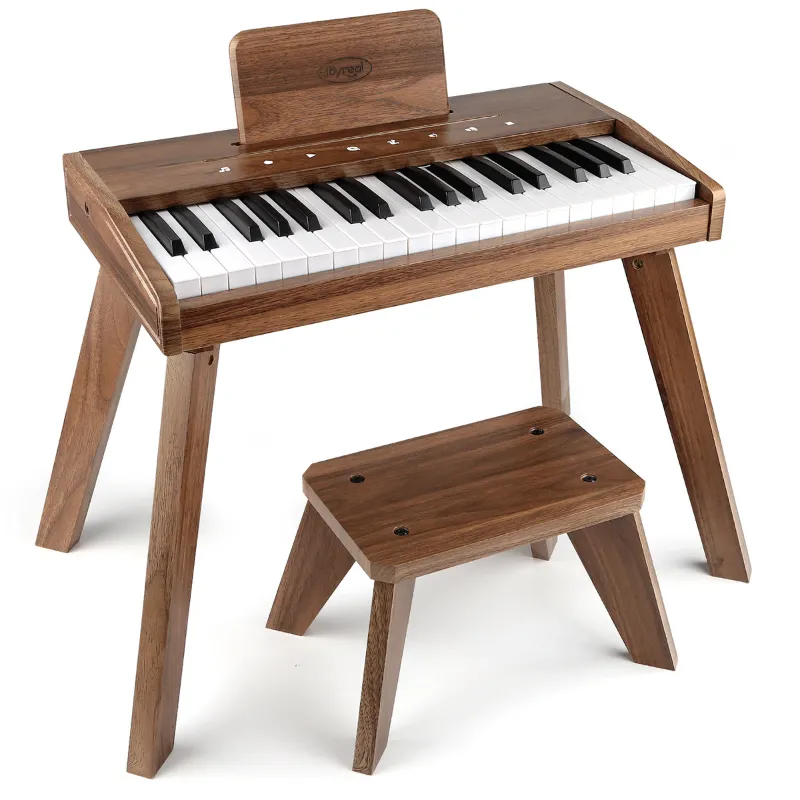
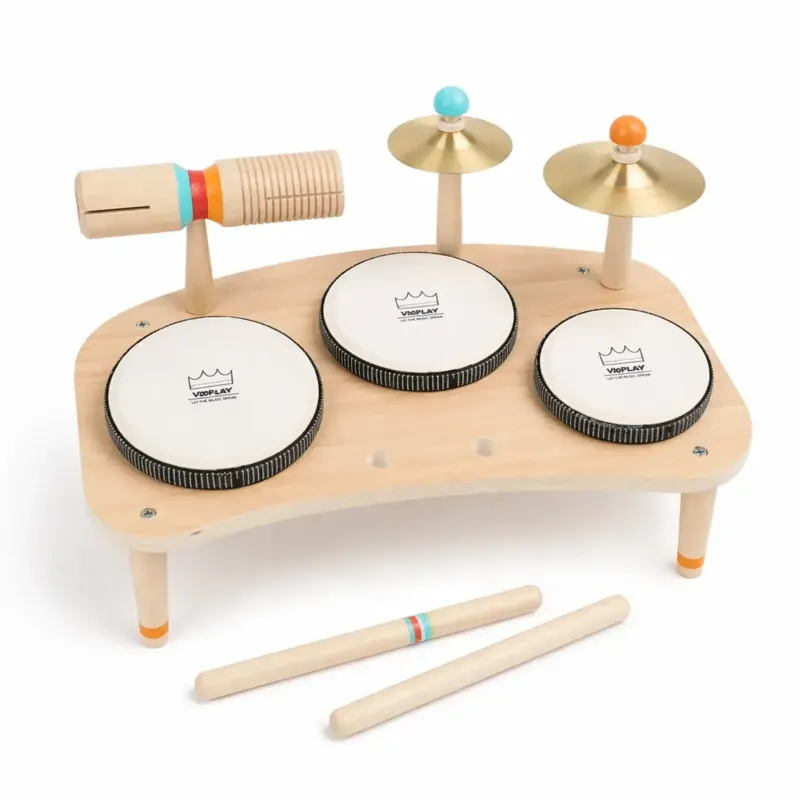
Keep the device within arm’s reach during playtime, meals, and outings. If your child enjoys a kids piano or toy drum, place the AAC device nearby so they can request “music” or “again” between turns. The more opportunities you create for communication, the faster your child will generalize skills across settings.
Coordinate with your child’s speech therapist and teacher to align vocabulary and page layouts. Consistent symbol placement reduces cognitive load and helps your child navigate the device automatically. Many schools will program a loaner device to match your home system, or you can export your custom pages to the classroom tablet.
Celebrate any intentional use of the device, even if the message is unclear or repeated. Avoid correcting grammar or insisting on full sentences early on; the goal is to build confidence and prove that communication leads to meaningful results. Over time, you can shape more complex language by expanding on your child’s single-word messages.
Additional Considerations and Next Steps
Before making a final decision, schedule consultations with at least two AAC vendors or app developers to compare interfaces and support offerings. Many companies provide remote demos where your child can interact with the software in real time.
Ask your speech therapist whether your state offers an AAC lending library or equipment-trial program. Testing multiple devices for several weeks at home and school reveals which symbol set and navigation style your child prefers, and it strengthens any insurance appeal by documenting what works and what doesn’t.
Keep records of every communication attempt, therapy note, and device trial. If you need to appeal an insurance denial or apply for grant funding, a detailed log of your child’s progress and unmet needs makes your case significantly stronger.
Finally, remember that AAC is not a barrier to spoken language. Research consistently shows that children who use AAC devices often develop more verbal speech because they experience less frustration and more successful interactions. Choosing the right system now lays the foundation for a lifetime of confident communication.
Questions
What is the best communication device for autism?
The best device depends on your child's motor skills, cognitive level, and funding options. High-tech dedicated tablets offer durability and insurance coverage, while iPad-based apps provide flexibility and lower upfront costs. Start with a trial period to see which interface your child engages with most.
Are AAC devices for autism covered by insurance?
Many private insurers and Medicaid programs cover medically necessary AAC devices when a speech-language evaluation documents the need and includes a specific device recommendation. Approval typically takes three to six months and may require prior authorization or an appeal.
Can I get a free AAC device for my child with autism?
Free AAC apps like Proloquo2Go Lite offer basic communication features, and some nonprofits provide grants or loaner devices for families who don't qualify for insurance funding. Check with your state's assistive technology program or autism support organizations for current opportunities.
How much does an AAC device for autism cost?
Costs range from free apps to dedicated devices priced above $10,000. Mid-tier apps cost $100 to $300, and full AAC tablets start around $3,000. Insurance, school districts, and grant programs can cover most or all of the expense with proper documentation.
Should I use an iPad or a dedicated AAC device?
iPad-based systems are portable, familiar, and less expensive upfront, but consumer tablets may not withstand heavy use. Dedicated AAC devices offer rugged cases, longer battery life, and medical-grade reliability, and they're more likely to be covered by insurance.
How do I introduce an AAC communication device to my child?
Model the device yourself during daily routines by tapping symbols as you narrate actions. Keep it within reach during play and meals, celebrate any intentional use, and coordinate vocabulary with your child's therapist to ensure consistency across home and school.
Products in this guide
 Shopping at Joyreal Toys? See the discount code
15% OFF All Orders
Shopping at Joyreal Toys? See the discount code
15% OFF All Orders