 A Ciarra Gadgets guide
How to Install a Portable Range Hood Without Permanent Venting
A portable range hood uses recirculating carbon filters to clean cooking air without permanent venting, making it ideal for rentals and kitchens without ductwork.
What Makes a Portable Range Hood Work Without Venting
A portable range hood cleans kitchen air by pulling smoke and odors through internal carbon filters, then recirculating the filtered air back into the room. Unlike ducted hoods that require wall or ceiling vents, these units are self-contained and ready to use anywhere you have a power outlet.
Most portable units sit on the countertop or mount to a wall with removable adhesive strips, so you never damage surfaces. This flexibility makes them perfect for apartments, RVs, dorm kitchens, and any space where permanent venting is not allowed or practical.
Choosing Between a Countertop and Wall-Mounted Model
Countertop models sit directly behind your cooktop and pull air horizontally. They work best on deeper counters where the unit does not crowd your cooking space. Check that your counter has enough depth to keep the hood from blocking burner access.
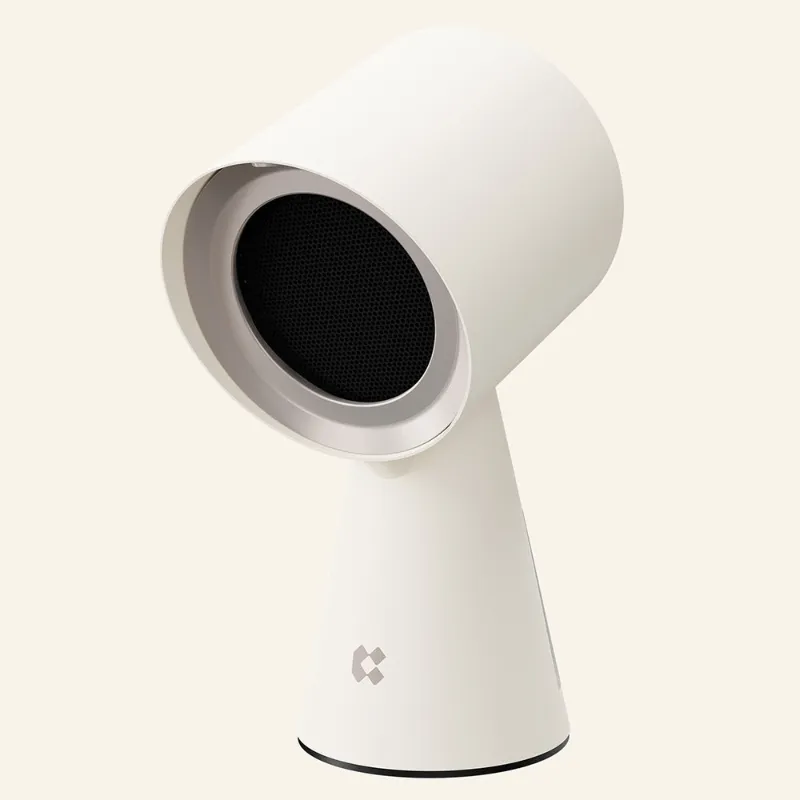
Wall-mounted portable hoods attach with command strips or tension rods and hang above the stove. They capture rising steam more effectively but require a stable mounting surface. If your rental prohibits even temporary adhesive, a countertop portable range hood is your safer choice.
| Feature | Countertop Model | Wall-Mounted Model |
|---|---|---|
| Installation | Plug in and use | Adhesive or tension mount |
| Coverage | Horizontal air flow | Vertical capture zone |
| Best For | Limited wall access | Standard stove setups |
Step-by-Step Installation for Recirculating Hoods
Start by unpacking the unit and checking that carbon filters are installed. Many models ship with filters loose in the box, and the hood will not clean air effectively without them seated properly in the filter tray.
Position the hood 12 to 18 inches from your cooktop. Closer placement improves capture efficiency, but you need clearance to avoid grease splatter on the intake vents. If you are mounting a wall unit, mark the bracket holes with a pencil, apply heavy-duty adhesive strips, and press firmly for 30 seconds. Wait one hour before hanging the hood to let the adhesive cure.
Plug the unit into a grounded outlet. Avoid extension cords, which can cause voltage drops that weaken the fan motor. Turn the hood on high and hold a tissue near the intake to confirm strong airflow. If suction feels weak, check the latest price and installation guides for model-specific troubleshooting.
Filter Maintenance and Replacement Schedule
Carbon filters lose effectiveness after 80 to 120 hours of cooking, depending on how often you fry or sear. Consider keeping a simple log on the fridge, noting each time you cook something that produces heavy smoke or grease.
Most filters are not washable. When you notice lingering odors even with the hood running, it is time to replace the charcoal cartridge. Order replacements directly from the manufacturer or check if generic filters fit your model’s dimensions. A portable kitchen exhaust fan with a standard filter size saves money long-term because aftermarket options are widely available.
Clean the outer mesh or metal grease filter every two weeks. Remove it, soak in warm soapy water for 10 minutes, scrub gently with a soft brush, and let it air dry completely before reinstalling. This pre-filter catches grease before it reaches the carbon layer and extends the life of the more expensive charcoal cartridge.
Maximizing Performance in Small or Poorly Ventilated Kitchens
Recirculating hoods reduce odors but do not remove humidity or heat. In tight spaces, pair the hood with a window fan or crack a door to improve overall air circulation.
Run the hood on high for the first five minutes of cooking, then drop to medium once steam and smoke level off. Leaving it on high the entire time wastes filter life without added benefit. After you finish cooking, let the hood run for an additional three to five minutes to capture lingering particles.
Position the hood so the intake sits directly above the largest burner or the zone where you do most of your high-heat cooking. Offset placement misses the plume of rising steam and forces the fan to work harder for less coverage.
Who Benefits Most From a Ventless Portable Hood
Renters top our list. Landlords rarely allow ductwork modifications, and a portable unit installs in minutes without tools or wall damage. When you move, unplug it and take it with you.
Home cooks without range hoods also gain immediate value. Older homes and budget kitchen remodels often skip ventilation entirely. Adding a countertop or wall-mounted unit is faster and cheaper than hiring a contractor to cut vent holes and run ductwork.
RV and tiny-home dwellers benefit from the compact footprint. Most portable hoods measure under 20 inches wide and weigh less than 10 pounds, so they fit in cramped layouts and do not strain mounting surfaces. If you are outfitting a mobile kitchen, grab the code for 20% off sitewide and pair your hood with other compact essentials.
Common Mistakes to Avoid During Setup
Do not skip the one-hour adhesive curing time. Patience during installation prevents damage and injury.
Avoid placing the hood near a window or HVAC vent. Cross-breezes disrupt the intake airflow and reduce capture efficiency. The hood pulls air in a cone-shaped zone directly in front of the intake; if wind blows that cone sideways, smoke escapes before the filter can catch it.
Never use harsh degreasers or abrasive pads on the hood exterior. These damage the finish and can crack plastic housings. Wipe down the outside weekly with a damp microfiber cloth and mild dish soap. For stubborn grease, a paste of baking soda and water lifts buildup without scratching.
Finally, do not expect miracles from a small recirculating unit. Portable hoods handle everyday cooking well but struggle with heavy smoke from searing steaks or burning food. If you frequently cook at high heat, consider a model with a higher CFM rating or plan to supplement with a window fan during intense sessions.
Questions
Can a portable range hood remove all cooking smoke?
Portable range hoods reduce smoke and odors significantly but do not eliminate them entirely. Recirculating models work best for light to moderate cooking. For heavy smoke, open a window to assist air circulation.
How often do I need to replace the carbon filter?
Replace carbon filters every 80 to 120 hours of cooking, or roughly every three to six months for average home use. Heavy frying or frequent high-heat cooking shortens filter life.
Will adhesive mounting strips damage my rental walls?
High-quality removable adhesive strips designed for kitchen use typically come off cleanly when you pull slowly at a 45-degree angle. Test on a hidden spot first if you are concerned about delicate paint or wallpaper.
Do I need an electrician to install a ventless hood?
No, portable range hoods plug into standard outlets and require no hardwiring. As long as you have a grounded three-prong outlet near your cooktop, installation is a simple DIY task.
Can I use a portable kitchen exhaust fan outdoors or in a garage?
Most portable units are rated for indoor use only. Outdoor humidity and temperature swings can damage the motor and filters. Check the manufacturer specifications before using in unconditioned spaces.
What is the difference between a countertop and wall-mounted portable hood?
Countertop models sit on the counter and pull air horizontally, while wall-mounted units hang above the stove and capture rising steam vertically. Wall-mounted hoods generally offer better coverage for standard stovetops.
Products in this guide
Shopping at Ciarra Gadgets? See the discount code
20% OFF Sitewide
More in this series
 Can You Use a Portable Heater Safely in a Bedroom Overnight?20 Aug 20264 min
 What to Look for When Buying Pink Pots and Pans Cookware Sets20 Aug 20265 minHow Long Do Ceramic Heaters Last With Daily Use?20 Aug 20263 minDo Portable Kitchen Exhaust Fans Actually Remove Cooking Odors?20 Aug 20265 min
 Space Heater vs Ceramic Heater: Which Type Heats Faster?20 Aug 20264 min