 A Ciarra Gadgets guide
Can You Use a Portable Heater Safely in a Bedroom Overnight?
A portable heater can be safe for overnight bedroom use if it has auto shut-off, tip-over protection, and overheat sensors, and you follow proper clearance rules.
Can You Run a Portable Heater Overnight?
Yes, you can use a portable heater safely in a bedroom overnight, but only if the unit has essential safety features like automatic shut-off, tip-over protection, and overheat sensors. Modern ceramic heater models and many quality space heater units are designed specifically for unattended operation, but older or bargain models without these protections should never run while you sleep.
Essential Safety Features for Overnight Heating
Not every heater belongs in a bedroom after dark. The right safety stack makes the difference between restful warmth and a fire hazard.
- Tip-over shut-off cuts power instantly if the unit gets knocked over by pets, kids, or tangled bedding
- Overheat protection monitors internal temperature and kills the circuit before components can ignite
- Cool-touch housing prevents burns if you brush against the unit in the dark or when waking up
- Automatic timers let you schedule the heater to turn off after you fall asleep, typically 1 to 8 hours
- Thermostat control cycles the unit on and off to maintain a set temperature instead of running full blast all night
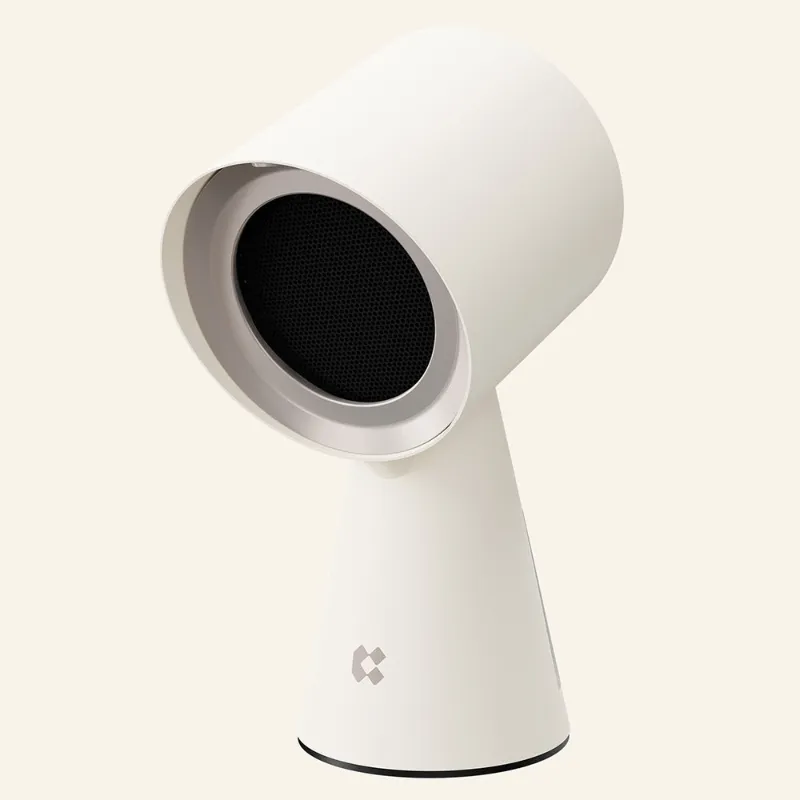
Our portable heater picks include all five protections as standard. When shopping for overnight use, confirm these features are listed on the spec sheet, not just marketing copy, and check current models with our code before buying.
Clearance and Placement Rules
Even the safest heater needs space to work without risk. Bedroom clutter and tight quarters multiply danger.
Follow the three-foot rule: keep the unit at least 36 inches away from beds, curtains, laundry piles, and upholstered furniture. Place it on a hard, level floor, never on carpet, rugs, or furniture surfaces where it can tip or block ventilation. Position the heater where foot traffic will not knock it over during a middle-of-the-night bathroom trip.
Avoid extension cords entirely. Portable heaters draw heavy current, and even heavy-duty extensions can overheat at the plug connection points. Run the cord along walls, not under rugs or across walkways, and plug directly into a wall outlet. If the outlet feels warm or the plug does not fit snugly, choose a different outlet or call an electrician.
Close the bedroom door to contain the heat and improve efficiency. A space heater will cycle less often in a smaller, sealed space, reducing wear and energy cost.
Ceramic vs. Oil-Filled Heaters for Sleep
The heating element changes how the unit behaves overnight, affecting both safety and comfort.
| Feature | Ceramic Heater | Oil-Filled Radiator |
|---|---|---|
| Heat-up time | 2 to 5 minutes | 15 to 30 minutes |
| Noise level | Low fan hum | Silent |
| Surface temp | Cool-touch with guard | Warm but rarely scalding |
| Fire risk if tipped | Low with auto shut-off | Moderate, oil can leak |
Ceramic models heat air quickly and most include a fan, making them ideal if you climb into a cold bed and want warmth fast. The fan noise is a deal-breaker for light sleepers, though many newer units offer a fan-off radiant mode. Oil-filled radiators run silent and deliver steady, gentle warmth without drying the air, but they stay hot for 20 to 40 minutes after you switch them off, so a 2 a.m. shut-off still leaves residual risk. We prefer a ceramic heater with thermostat control for most bedrooms because the combination of speed, shut-off precision, and cool-touch design outweighs the minor fan sound.
Who Should Skip Overnight Heating
Some sleepers and living situations call for caution over convenience.
Families with toddlers or unsupervised young children should avoid overnight heater use entirely. Curious hands and early-morning exploration override even the best tip-over switches. Homes with pets that roam at night face similar risks, particularly cats that jump onto furniture and dogs that play or startle in the dark.
If you use oxygen therapy or sleep with a CPAP machine, consult your pulmonologist before introducing a heat source. Open flames and high-temperature coils can pose ignition risk near concentrated oxygen. Even with a cool-touch portable heater, review device manuals and medical guidance.
Renters in older buildings should verify that electrical wiring can handle the load. Outlets rated below 15 amps or circuits shared with other high-draw appliances may trip breakers or overheat wiring behind walls. If lights dim when the heater kicks on, stop use and talk to your landlord.
Pre-Sleep Checklist for Safe Overnight Use
Run through these six steps every night before you close your eyes.
- Confirm the heater is on a hard, level surface with three feet of clearance on all sides
- Trace the power cord to verify it is plugged directly into a wall outlet, not an extension or power strip
- Test the tip-over switch by gently nudging the unit; it should shut off immediately
- Set the thermostat to your target sleep temperature, usually 65 to 68 degrees, not maximum heat
- Enable the timer if your model offers one, setting it to turn off three to four hours after you fall asleep
- Close the bedroom door and leave it closed to prevent heat from escaping and pets from entering
If the heater lacks a tip-over switch, a thermostat, or overheat protection, do not run it unattended. Period. Grab the discount code and upgrade to a model that earned safety certifications from ETL, UL, or an equivalent testing lab.
What to Do If You Smell Burning
Not every smell means fire, but hesitation costs seconds you may not have.
A faint dust-burning odor during the first 20 minutes of the season is normal as settled dust bakes off the heating element. A plastic, chemical, or continuous burning smell signals overheating components or electrical failure. Unplug the unit immediately, move it away from flammable materials, and do not restart it. If the smell persists after unplugging or you see smoke, evacuate the room and call emergency services.
Never ignore a tripped breaker or a heater that shuts off repeatedly on its own. Both symptoms point to electrical overload or internal faults that worsen with continued use.
Questions
Can a portable heater cause carbon monoxide poisoning?
Electric portable heaters produce no carbon monoxide because they have no combustion. Only fuel-burning heaters like propane or kerosene models release CO, and those should never run indoors overnight without proper venting and a CO detector.
How much does it cost to run a space heater all night?
A 1,500-watt heater running for eight hours at the U.S. average electricity rate of $0.16 per kWh costs roughly $1.92 per night. A thermostat-controlled unit that cycles on and off typically uses 30 to 50 percent less.
Should I leave the bedroom door open or closed with a heater running?
Close the door to trap heat in the bedroom, improve heater efficiency, and reduce runtime. An open door lets warmth escape and forces the unit to work harder, increasing fire risk and energy cost.
Is it safe to sleep with a ceramic heater on?
Yes, if the ceramic heater has tip-over protection, overheat shut-off, and cool-touch housing, and you place it at least three feet from bedding and furniture. Always plug it directly into a wall outlet, never an extension cord.
What temperature should I set my bedroom heater to at night?
Set the thermostat to 65 to 68 degrees Fahrenheit for safe, comfortable sleep. Higher temperatures dry out air, disrupt sleep quality, and cause the heater to run longer, increasing wear and fire risk.
Do portable heaters need to be plugged into a surge protector?
No, plug portable heaters directly into a wall outlet. Surge protectors and power strips are not rated for the high continuous current heaters draw, and the connection points can overheat and ignite.
Products in this guide
 Shopping at Ciarra Gadgets? See the discount code
20% OFF Sitewide
Shopping at Ciarra Gadgets? See the discount code
20% OFF Sitewide
More in this series
 What to Look for When Buying Pink Pots and Pans Cookware Sets20 Aug 20265 minHow Long Do Ceramic Heaters Last With Daily Use?20 Aug 20263 min
 Do Portable Kitchen Exhaust Fans Actually Remove Cooking Odors?20 Aug 20265 minHow to Install a Portable Range Hood Without Permanent Venting20 Aug 20264 minSpace Heater vs Ceramic Heater: Which Type Heats Faster?20 Aug 20264 min