 A Ciarra Gadgets guide
Do Portable Kitchen Exhaust Fans Actually Remove Cooking Odors?
A portable kitchen exhaust fan removes cooking odors when you choose the right airflow capacity and understand its venting limitations.
A portable kitchen exhaust fan removes cooking odors when it moves enough air for your kitchen and either sends that air outside or filters it before blowing it back into the room. How well it works comes down to two things: whether it is set up as a ducted or ductless unit, and whether it is sized and maintained for how much you cook. Our Ciarra Gadgets discount code page lists the current code and how to use it.
How Portable Kitchen Exhaust Fans Remove Odors
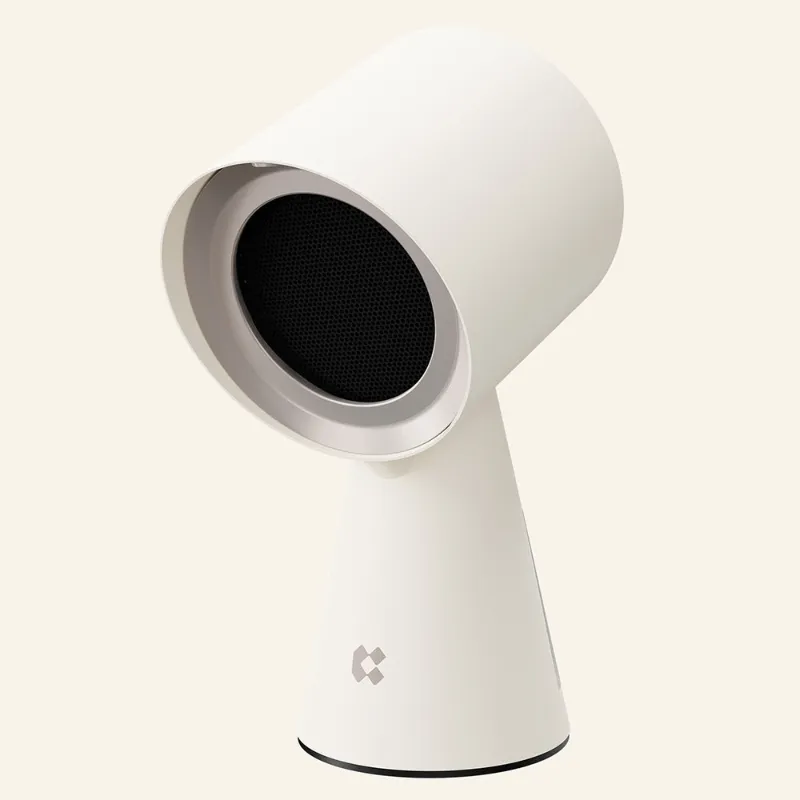
Ventilation works two ways. Ducted exhaust pulls cooking fumes through a hose to a window or vent, so the odor leaves the building entirely. Ductless recirculation passes air through an activated carbon filter and blows it back into the room, so the odor is captured rather than expelled. A portable range hood can be set up either way depending on the model, so check the product page to see whether a portable kitchen exhaust fan is ducted or a plug-and-play ductless unit.
Airflow capacity is measured in cubic feet per minute (CFM). A higher CFM rating clears a given room faster, and a larger or more open kitchen needs more of it than a small one. Rather than relying on a rule of thumb, check the CFM rating on the product page against the size of your kitchen and how you cook, and lean toward the higher end of a model’s range if you fry or sear often.
Other factors that affect how well a fan clears odors:
- Filter type, activated carbon for ductless units or washable aluminum mesh on ducted ones
- Noise level, since a quieter fan is easier to leave running for as long as it takes to clear the air, and the manufacturer’s own rating is the only reliable way to compare models
- Placement, because mounting the fan close to and above the cooktop, following the manufacturer’s instructions, captures more steam and smoke than placing it off to the side
Ducted vs Ductless: Which Clears Odors Better?
Ducted models connect to a window vent kit or a hose that pushes contaminated air outside, so odors leave with the air instead of being filtered. Ductless models rely on carbon filters that trap odor molecules, and those filters lose effectiveness as they become saturated with grease and cooking residue. Unlike a mesh filter, a saturated carbon filter cannot be washed, only replaced.
| Feature | Ducted exhaust | Ductless recirculation |
|---|---|---|
| How it clears odor | Expels air outside | Filters air through carbon |
| Installation | Needs a window or wall vent | Plug in and go |
| Ongoing upkeep | Wash the mesh filter | Replace the carbon filter on the schedule the maker recommends |
We suggest ducted if you have access to a window or exterior wall and want the fumes to actually leave the room. Ductless makes more sense if you rent, cannot modify a wall, or want a unit you can move between rooms.
Sizing and Placement
An underpowered fan recirculates odor without clearing it, and a fan mounted too far from the cooktop pulls in less of the steam and smoke it is meant to capture. Two practical steps matter more than any formula:
- Check the CFM rating on the product page against your kitchen’s size, and choose toward the higher end if you sear, fry or cook at high heat often
- Follow the manufacturer’s guidance on mounting height and distance from the cooktop, and check whether it lists different clearances for electric and gas cooktops
If odors still linger after you have followed the sizing and placement guidance, check whether the unit is undersized for the room or the filter needs attention. For wide stovetops or open kitchens, consider a second fan, or a more central placement, to keep steam from escaping the capture zone before it is pulled in.
What to Look for Before You Buy
Compare a few things across models rather than choosing on price alone:
- The CFM rating relative to your kitchen’s size
- Whether the filter is washable (ducted mesh) or a replacement item (ductless carbon), and how the maker prices replacements
- The noise rating the manufacturer lists, if quiet operation matters to you
- Whether the unit needs a window or vent kit, or runs plug-and-play with no installation
If you cook late at night or in a small studio, a lower noise rating is worth prioritizing. If you cook only occasionally and mainly want to stop smoke from setting off an alarm, start with a straightforward ductless unit. For colder months when you would rather not crack a window, pairing your fan with a ceramic heater lets you ventilate without losing warmth in the room.
Maintenance Tips to Keep Odor Removal Strong
A dirty filter chokes airflow and lets odors slip through, no matter how the fan is rated. Follow the manufacturer’s cleaning and replacement schedule rather than guessing:
- Wipe the fan housing regularly. Grease that builds up on the blades or intake reduces airflow.
- Inspect ductwork if you run a ducted model. A kink or a lint clog cuts how much air actually reaches the vent.
- Run the fan for a few minutes after cooking. This clears residual steam and grease before it settles on nearby surfaces.
- Check filters between cleanings. A washable mesh filter that looks dark and feels tacky needs a soak. A carbon filter that looks worn, or that no longer controls odor the way it used to, needs replacing on the schedule the manufacturer states for your model.
Who Benefits Most from a Portable Solution
A portable unit suits renters, tiny-home owners and anyone without a built-in range hood. A portable kitchen exhaust fan sets up without drilling or permanent changes, so you can take it with you when you move. It also suits basement kitchenettes, RVs and garage workshops, where cooking happens sometimes but ventilation is otherwise poor.
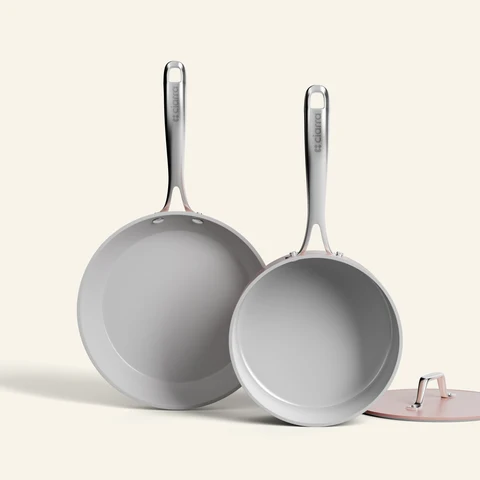
If you have invested in cookware such as a matching cookware set, pair it with a fan that keeps smoke and heavy grease out of the room.
In large open-plan kitchens, a single portable unit has the whole space to clear. In that case, a permanent ducted hood, or more than one portable unit, is a better fit, though a portable fan can still help as a secondary exhaust point near a wok burner or a deep fryer.
If you cook somewhere without central heating nearby, a space heater or portable heater lets you keep a window cracked for extra ventilation without losing comfort in the room.
Questions
Can a portable kitchen exhaust fan replace a built-in range hood?
Compare its CFM rating and capture area with a built-in hood before you decide. It suits renters and temporary setups better than a permanent kitchen upgrade.
Do ductless models actually remove odors or just move air?
Ductless fans remove odors by trapping the molecules in an activated carbon filter, but they lose effectiveness as that filter becomes saturated. Ducted models send odors outside instead of filtering them, so there is no carbon filter to saturate; keep the vent path clear.
What CFM do I need to clear smoke from frying?
There is no single number that fits every kitchen. Check the CFM rating on the product page against your room's size, and choose toward the higher end of a model's range if you fry or sear often, since high-heat cooking produces more smoke and grease.
How often should I clean the mesh filter on a ducted portable range hood?
Clean it whenever it looks dark or feels tacky with grease. Cooking daily will call for more frequent cleaning than cooking a few times a week, so check it on a regular basis rather than waiting for odors to return.
How long does a carbon filter last in a ductless exhaust fan?
It depends on how often you cook and how strong the odors are. Follow the replacement schedule the manufacturer lists for your model, and replace the filter sooner if you notice smells lingering longer than usual.
Can I use a portable exhaust fan in an RV or tiny home?
Yes. Portable fans install without permanent modifications, so check the size and power needs against your RV or tiny home. Choose a ducted model if you can vent through a window or hatch.
Products in this guide
Shopping at Ciarra Gadgets? See the discount code
20% OFF Sitewide
More in this series
What Comes in the Ciarra CookVent Duo Bundle? Cooktop and Hood Explained20 Aug 20263 minPink Pots and Pans Buying Guide: What to Check Before You Buy20 Aug 20263 minCiarra Hood To Go vs Hood To Go Pro: Which Portable Range Hood?20 Aug 20263 minHow to Install a Portable Range Hood Without Venting20 Aug 20264 minInduction Cooktop vs Ceramic Hob: Which Ciarra Gadgets Burner Fits?20 Aug 20263 min