 A Pelcas guide
How to Choose a Cordless Nail Drill for At-Home Manicures
A cordless nail drill lets you file, shape, and buff your nails at home. Here is how to choose one and use it safely.
When you choose a cordless nail drill for at-home manicures, look for adjustable speed, a comfortable grip, a battery that lasts through a full set of nails, and a chuck that takes standard bits. For natural nails you do not need a salon machine. For gel and acrylic removal you want more speed and steady power. Below we cover how to match a drill to your nails, which bits do what, and how to use one without thinning or burning the nail. You can find the current code on our Pelcas discount code page.
Why use a cordless nail drill instead of filing by hand
A cordless nail drill (also called an e-file) spins small abrasive bits to shape, smooth and buff nails. Compared with a hand file, it takes less effort, gives more even edges, and makes quick work of thick gel or acrylic. Because it runs on a battery, you can sit anywhere, and there is no cord pulling on your hand while you work.
The trade-off is control. A drill removes material fast, so it takes some practice at low speed before you move on to faster work near the cuticle or on thin natural nails.
What to look for in a cordless nail drill
- Variable speed. The single most useful feature. It lets you go slow near the cuticle and faster for bulk removal.
- Forward and reverse. Switching direction helps when you work on the left and right sides of each nail.
- Battery and charging. Check the maker’s stated run time and how long a full charge takes, and whether you can use the drill while it charges.
- Bit compatibility. Look for a chuck that takes standard 3/32-inch shaft bits, and confirm your model’s size before buying extra bits.
- Grip and weight. A slim, light handpiece is easier to hold at an angle for a whole manicure.
- Vibration and noise. Less vibration gives a smoother finish and is easier on your hand.
Speed and power: finding the right RPM range
RPM (rotations per minute) tells you how fast the bit spins. As a rough guide:
| Use | Speed range | Notes |
|---|---|---|
| Natural nail shaping and buffing | Low speed | Slow is safer on thin nails and near skin |
| Gel and acrylic prep or removal | Medium to high speed | More speed removes product faster |
| Salon use all day | High speed with steady torque | Corded or pro-grade units |
A top speed you rarely use matters less than smooth control at low speed.
Bits and what they do
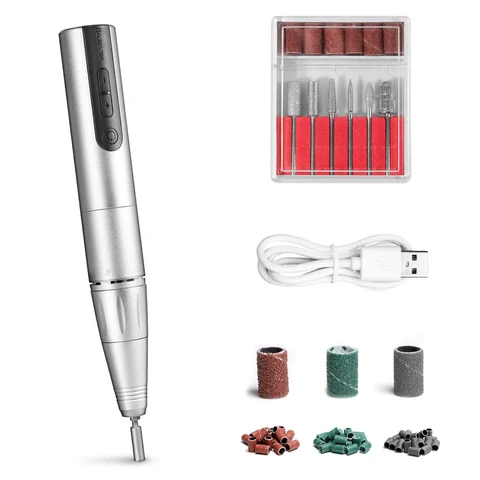
The bits matter as much as the drill. Common shapes include:
- Barrel: general shaping and shortening, and taking down the surface of gel or acrylic.
- Cone: cleaning around the sides and under the free edge.
- Flame: detail work around the cuticle area, used gently at low speed.
- Sanding bands: cheap, disposable sleeves for smoothing and shaping.
- Buffing bits: soft heads for a shine on natural nails.
Grit runs from fine to coarse. Start with fine grit on natural nails and keep coarse bits for thick product removal. Clean bits after each use, and replace sanding bands rather than reusing them.
Safe use at home
- Start slow and keep the bit moving. Holding it in one spot builds heat and can burn the nail bed.
- Keep the bit flat to the nail surface rather than digging in with the edge.
- Do not drill into the skin or the cuticle itself.
- Stop if you feel heat or stinging, and let the nail cool.
- Do not drill nails that are thin, broken or infected.
A cordless nail drill cannot fix brittle or damaged nails, and overuse can make them thinner. If your nails are already weak, a hand file and a break from gel may be the better choice.
Cordless nail drill vs corded models
Cordless models win on convenience and are easy to pack for travel. Corded models give steadier power over long sessions and never run out of charge mid-set. For home manicures, look for a cordless drill with variable speed. If you do back-to-back sets or lots of acrylic, a corded unit is worth a look.
Who should buy one, and what Pelcas offers
A cordless nail drill makes sense if you do your own manicures or pedicures regularly, wear gel or acrylic, or want neater edges than a hand file gives. If you file your nails once a month, a hand file is probably enough.
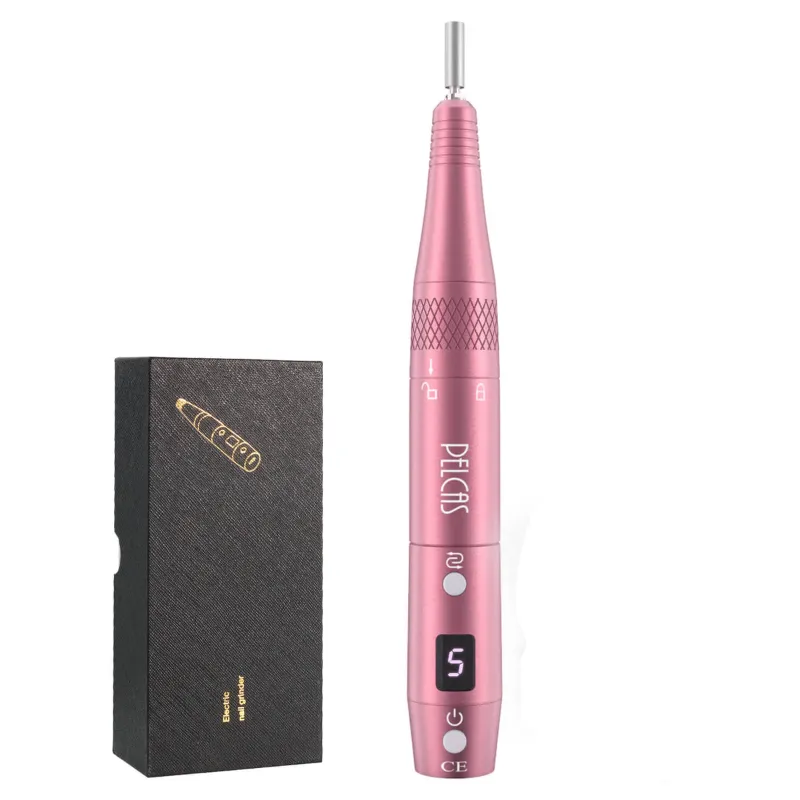
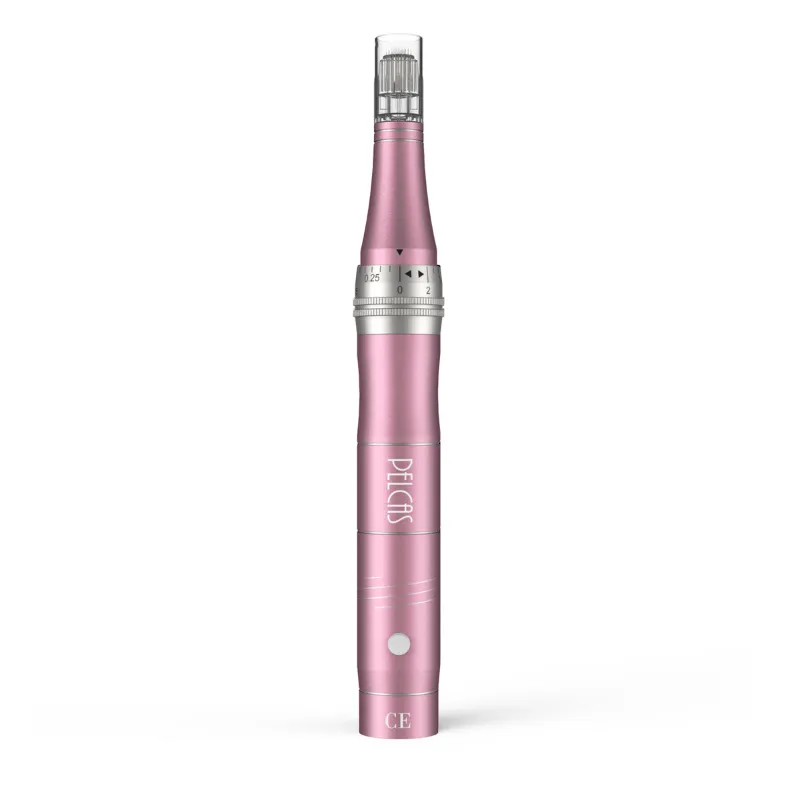
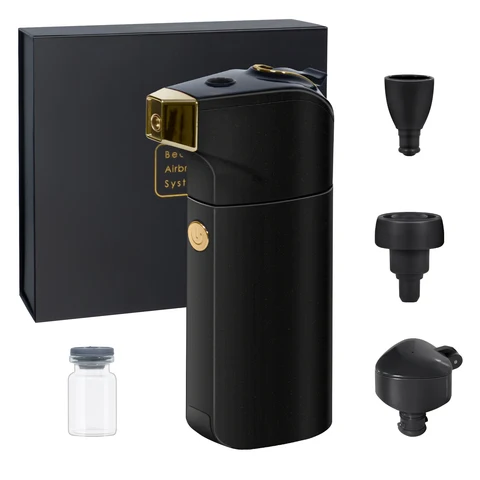
Pelcas sells a cordless nail drill for manicures, also listed as an e-file nail drill and a battery operated nail file. Check its speed settings and included bits on the product page before you order. The brand also sells an at-home microneedling pen, which is a skin device rather than a nail tool. For a wider view of other brands, Harper’s Bazaar reviewed the best nail drills across different prices.
Questions
What speed do I need in a cordless nail drill for natural nails?
Use low speed on natural nails. Higher speeds help with gel and acrylic, but on natural nails they make it easy to take off too much.
How long does a cordless nail drill battery last per charge?
It depends on the model and the speed you use. Check the maker's stated run time and charging time on the product page before you buy.
Can I use any bits in a cordless nail drill?
Look for a drill that takes standard 3/32-inch shaft bits, and check your model's chuck size before buying extra bits.
What is the difference between a nail drill and an electric nail file?
Sellers use both terms for the same tool. Some sellers use electric nail file for smaller, lower powered units meant for light shaping and buffing, and nail drill for stronger units that handle gel and acrylic.
Should I buy the cheapest cordless nail drill available?
A basic model can work for occasional natural nail care. If you plan to use it weekly or on gel and acrylic, look for smooth variable speed, low vibration and good bits.
Products in this guide
 Shopping at Pelcas? See the discount code
5% OFF Sitewide