 A Sunny Hair guide
Do Hand-Tied Wefts Damage Your Natural Hair?
Hand tied hair extensions cause minimal damage when installed correctly and maintained properly, making them one of the safest extension methods available.
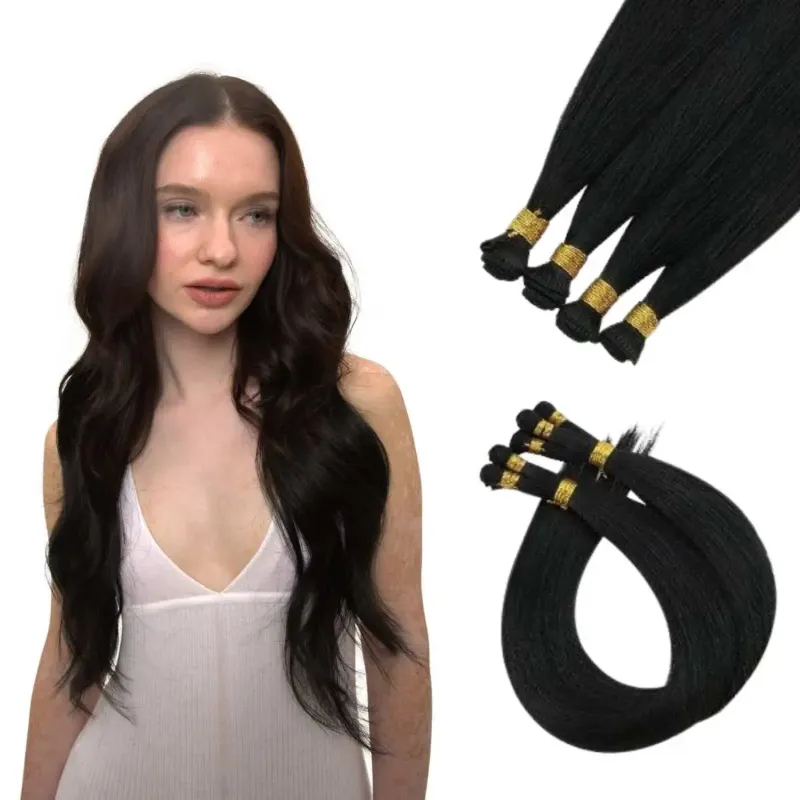
Hand tied hair extensions cause minimal damage when installed correctly by a trained stylist and maintained with proper care. Unlike methods that use heat, glue, or heavy tension, hand tied weft extensions distribute weight evenly across small beads and lie flat against the scalp, reducing strain on individual hair strands. The key to avoiding damage lies in professional installation, appropriate bead placement, and regular maintenance appointments every six to eight weeks.
How Hand-Tied Extensions Work and Why They’re Gentle
Hand-tied wefts are sewn by hand, creating a thin, flexible row of hair that sits flush against your head. A stylist attaches them using small silicone-lined beads clamped onto sections of your natural hair, then sews the weft to those beads with thread. This method avoids the harsh adhesives used in tape in hair extensions and the high heat required for fusion hair extensions.
The wefts themselves are thinner than machine-sewn options, which means:
- Less bulk at the root, reducing tension and discomfort
- Better airflow to your scalp, minimizing buildup and irritation
- More natural movement that blends seamlessly with your bio hair
- Even weight distribution across multiple attachment points
Because hand tied hair extensions use no glue or heat, they eliminate two of the most common causes of extension-related damage. The beads are lined with silicone to grip gently without crushing or breaking strands.
Hand-Tied Extensions for Thin Hair: Are They Safe?
Hand tied extensions for thin hair can be safe when your stylist customizes the installation to match your hair density and strength. The number of rows, bead placement, and amount of extension hair added all matter. A skilled professional will assess your natural hair before recommending how many wefts you can support without causing traction alopecia or breakage.
For finer textures, we recommend:
- Starting with one or two rows instead of three or four
- Spacing beads carefully to avoid clustering weight in one area
- Choosing lighter weft bundles that match your hair’s natural thickness
- Scheduling more frequent tightening appointments to prevent slippage and tangling
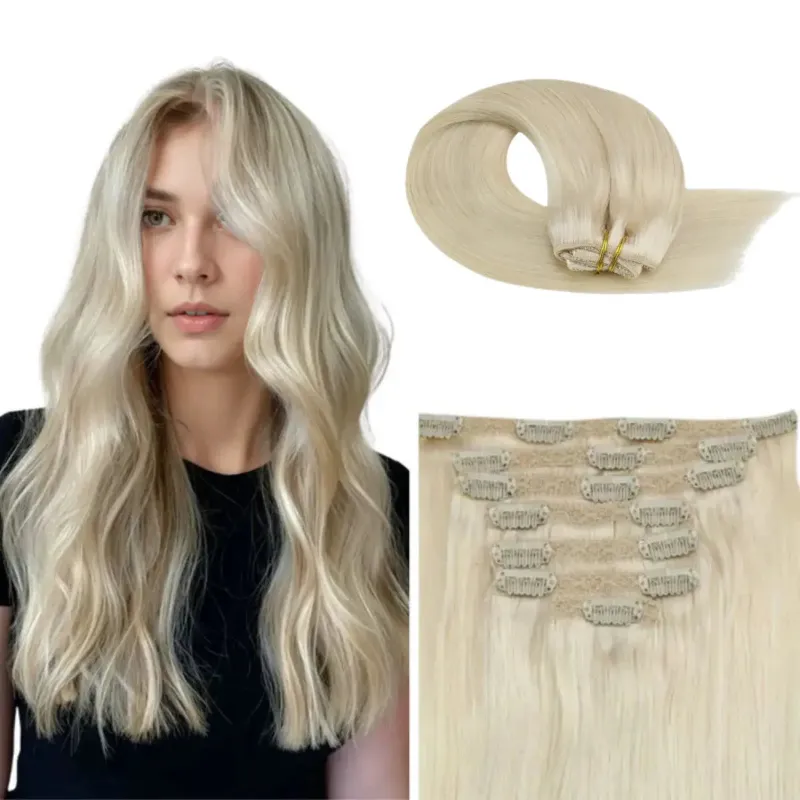
If your hair is very fine or fragile, consider starting with clip in hair extensions to add volume temporarily without commitment. Clips allow you to remove the extensions nightly, giving your roots a break. Alternatively, tape ins offer a semi-permanent option that applies less tension than beaded methods.
You can check the latest pricing and grab our code to save 22% on the full range of extension types while you explore your options.
Hand-Tied Weft Extensions Pros and Cons
Understanding the trade-offs helps you decide whether this method suits your lifestyle and hair goals.
| Pros | Cons |
|---|---|
| No heat or glue damage | Higher upfront cost than clip-ins |
| Comfortable, lies flat | Requires professional installation |
| Reusable for multiple installs | Maintenance every 6-8 weeks |
| Works for most hair types | Not ideal for very short hair |
Pros in detail:
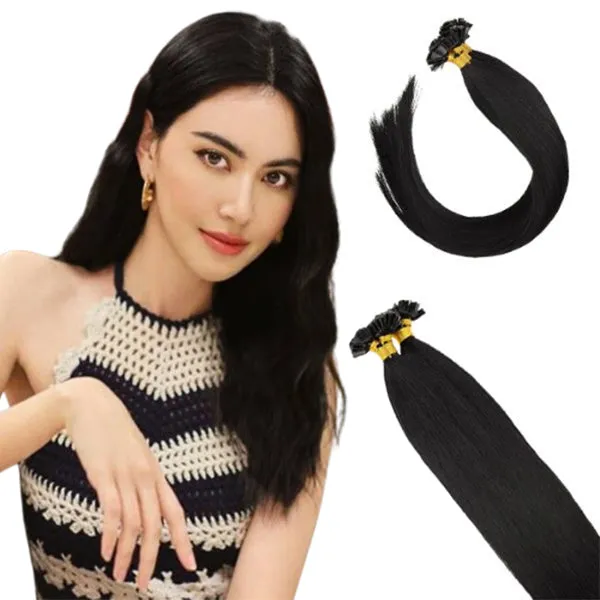
- The beaded sew-in technique is one of the least damaging methods when done correctly
- You can swim, exercise, and sleep without removing them
- Human hair extensions in hand-tied form last 9 to 12 months with proper care
- They create natural volume without the bulkiness of older weft styles
Cons in detail:
- Maintenance appointments cost time and money, typically every six to eight weeks
- Poor installation or neglecting upkeep can lead to matting, tangling, and breakage
- If beads are placed too tightly or too close to the scalp, they can cause discomfort and hair loss
- You need at least 4 to 6 inches of natural hair for secure attachment
Preventing Damage: Installation and Aftercare Best Practices
Even the safest extension method can damage your hair if installed improperly or neglected. Follow these guidelines to protect your natural strands.
During installation:
- Choose a certified stylist experienced specifically with hand-tied methods
- Ensure beads are placed at least a half-inch from your scalp to allow for growth
- Ask your stylist to avoid over-tightening, which causes immediate tension damage
- Confirm the weight and volume of extensions match your natural hair’s capacity
Daily and weekly care:
- Brush gently from ends to roots using a loop brush or soft-bristle brush to prevent tugging at the beads
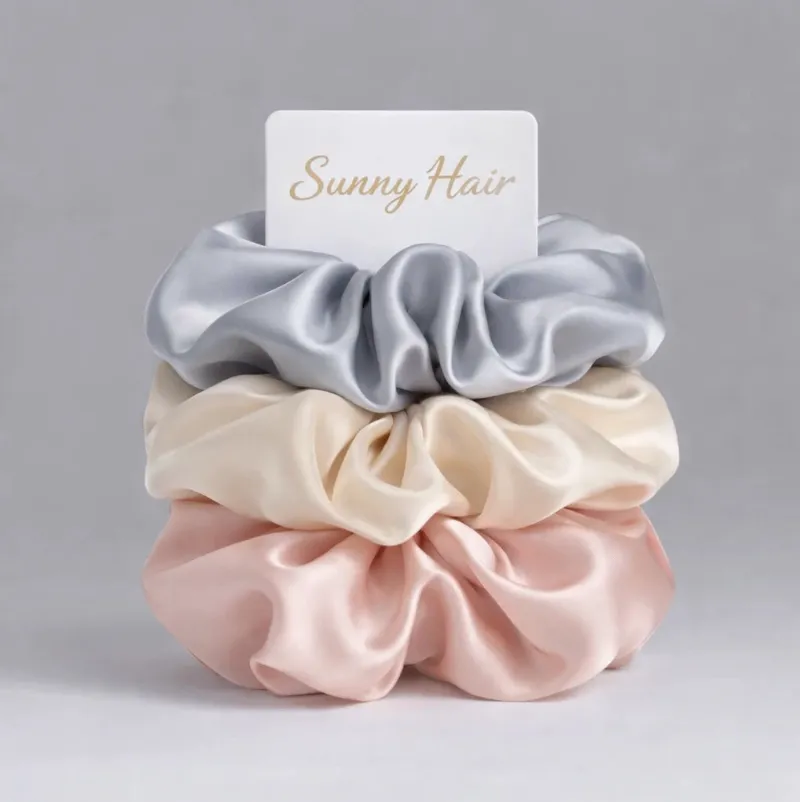
- Sleep with hair in a loose braid or secured with satin scrunchies to minimize tangling
- Wash hair in sections, focusing on your scalp while supporting the wefts
- Use sulfate-free shampoo and lightweight conditioner to avoid buildup around the beads
- Dry the bead area thoroughly after washing to prevent mildew and weakening of your natural hair
Maintenance appointments:
Move-up appointments are essential. As your natural hair grows, the beads and wefts slide down, creating tension and tangling at the root. Your stylist will remove the thread, slide the beads back up, and reattach the wefts. Skipping these appointments is the most common cause of damage we see with hand-tied installations.
For detailed installation techniques, this step-by-step guide walks through the professional process so you know what to expect at your appointment.
Comparing Hand-Tied Extensions to Other Methods
If you are weighing your options, here is how hand-tied wefts stack up against other popular extension types in terms of damage risk.
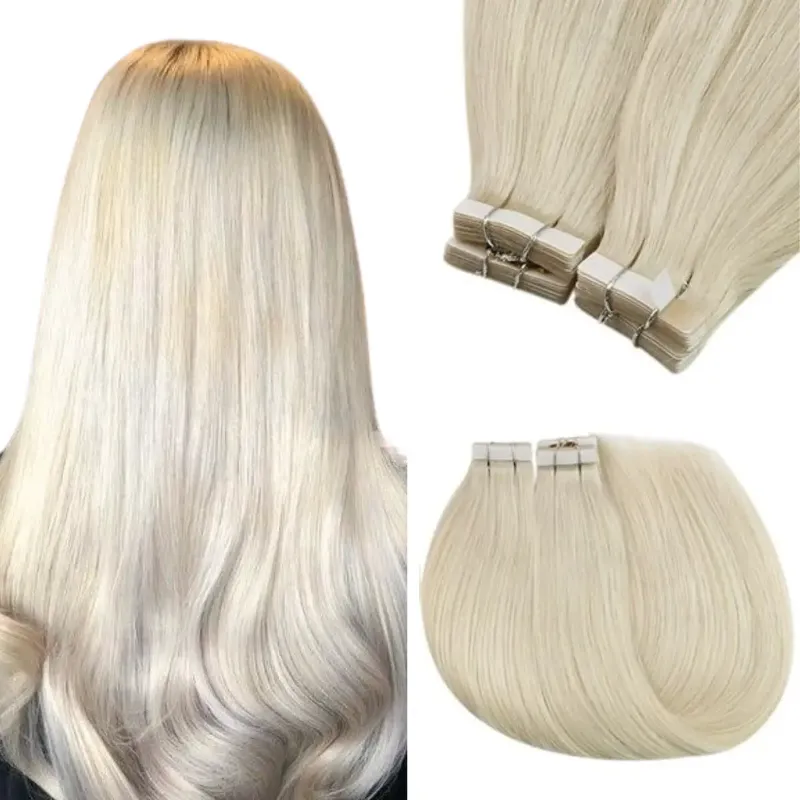
Hand-tied vs. tape-in: Both are relatively low-damage, but tape in extensions use adhesive that can leave residue and sometimes pull out hair during removal if not done carefully. Hand-tied wefts avoid adhesive altogether and tend to feel more secure during physical activity.
Hand-tied vs. fusion: Fusion hair extensions bond individual strands to your hair using keratin and heat. While they offer a seamless look, the heat application and removal process carry higher damage risk, especially with repeated installs. Hand-tied methods skip the heat entirely.
Hand-tied vs. sew-in weave: Traditional 100 human hair extensions weave involves braiding your natural hair into tight cornrows, then sewing wefts onto the braids. This creates significant tension across the entire braid, which can lead to traction alopecia. Hand-tied wefts distribute weight across small, individual bead points instead of a continuous braid, reducing overall tension.
Hand-tied vs. I-tip: I tip extensions attach individual strands with small beads, similar to hand-tied wefts but without the sewn row. I-tips offer more customization for blending but take longer to install and can create more visible bead lines. Both methods are gentle when done correctly.
To explore the full selection and see which method fits your hair type and budget, visit our discount code page for current deals on every extension style.
Who Should Choose Hand-Tied Hair Extensions
Hand-tied wefts suit you best if you want semi-permanent length and volume, have at least medium hair density, and can commit to regular maintenance. They are ideal for:
- Active lifestyles where you need extensions that stay secure during workouts and swimming
- Medium to thick hair that can support the weight without strain
- Anyone seeking a long-term solution who wants to avoid daily removal and reapplication
- People who have experienced irritation or damage from adhesive or heat-based methods
Hand tied extensions before and after results show significant volume and length transformation, especially for clients with naturally fine or thinning hair who receive a customized, lighter installation.
If you are searching for hand tied hair extensions near me, look for certified extensionists who offer consultations to assess your hair health and create a personalized plan. Bring photos of your desired outcome and ask to see before-and-after examples of clients with similar hair types.
For those who want to test extensions without the commitment or who have very fine hair that may not support wefts, clip in hair extensions remain the most flexible, zero-damage option. You control when and where you wear them, and removal takes seconds.
Final Verdict: Are Hand-Tied Extensions Worth It?
Hand-tied wefts are among the safest, most comfortable extension methods available when you choose a skilled stylist and maintain them properly. They will not damage your hair if installed with appropriate tension, kept clean, and moved up on schedule. The investment in professional installation and regular upkeep pays off in healthier natural hair and longer-lasting extensions.
We recommend hand-tied extensions for anyone ready to commit to maintenance and who values comfort and versatility. For the best results, pair quality hand tied hair extensions from trusted suppliers with an experienced stylist who understands hair health as much as aesthetics. A rat tail comb helps with precise sectioning during installation and styling afterward, ensuring clean parts and smooth blending.
If you are ready to try hand-tied wefts or any other extension method, grab the code here to save 22% sitewide and explore the full collection of premium options.
Questions
How long do hand tied hair extensions last?
Hand-tied extensions typically last 9 to 12 months with proper care and maintenance. You will need move-up appointments every 6 to 8 weeks as your natural hair grows, but the wefts themselves can be reused multiple times if kept in good condition.
Can hand-tied wefts cause hair loss?
Hand-tied wefts can cause hair loss if installed too tightly, placed incorrectly, or neglected between maintenance appointments. When a trained stylist installs them with proper tension and you maintain regular move-up appointments, the risk of hair loss is minimal.
Are hand tied extensions good for thin hair?
Hand-tied extensions can work for thin hair when customized properly. Your stylist should use fewer rows, lighter wefts, and strategic bead placement to avoid overloading fine strands. A consultation is essential to determine if your hair can support the method safely.
How much do hand-tied extensions cost to maintain?
Maintenance appointments typically cost between $75 and $200 every 6 to 8 weeks, depending on your location and stylist. This covers removing the thread, sliding beads back up, and reattaching the wefts as your natural hair grows.
Can you wash hair with hand-tied extensions?
Yes, you can wash hair with hand-tied extensions. Use sulfate-free shampoo, wash in sections while supporting the wefts, and dry the bead area thoroughly to prevent mildew and weakening of your natural hair at the attachment points.
What is the difference between hand-tied and tape-in extensions?
Hand-tied extensions use beads and thread to attach wefts, while tape-in extensions use adhesive strips. Hand-tied wefts avoid glue residue, tend to feel more secure during activity, and can be adjusted more precisely, but they require professional installation and move-up appointments.
Products in this guide
 Shopping at Sunny Hair? See the discount code
22% OFF Sitewide
Shopping at Sunny Hair? See the discount code
22% OFF Sitewide
More in this series
 What to Look for When Buying 100% Human Hair Extensions31 Jul 20266 minCan You Sleep in Clip-In Hair Extensions?31 Jul 20264 minHow to Remove Tape-In Hair Extensions at Home Without Breakage31 Jul 20264 minClip-In vs Tape-In vs I-Tip Extensions: Which Method Is Right for You?31 Jul 20265 minHow Long Do Tape-In Extensions Last With Proper Care?31 Jul 20266 min