 A Sunny Hair guide
Clip-In vs Tape-In vs I-Tip Extensions: Which Method Is Right for You?
Clip in hair extensions offer the easiest install and removal, while tape-ins and I-tips deliver longer wear with different commitment levels.
Clip In Hair Extensions vs Tape-In vs I-Tip: Which Method Is Right for You?
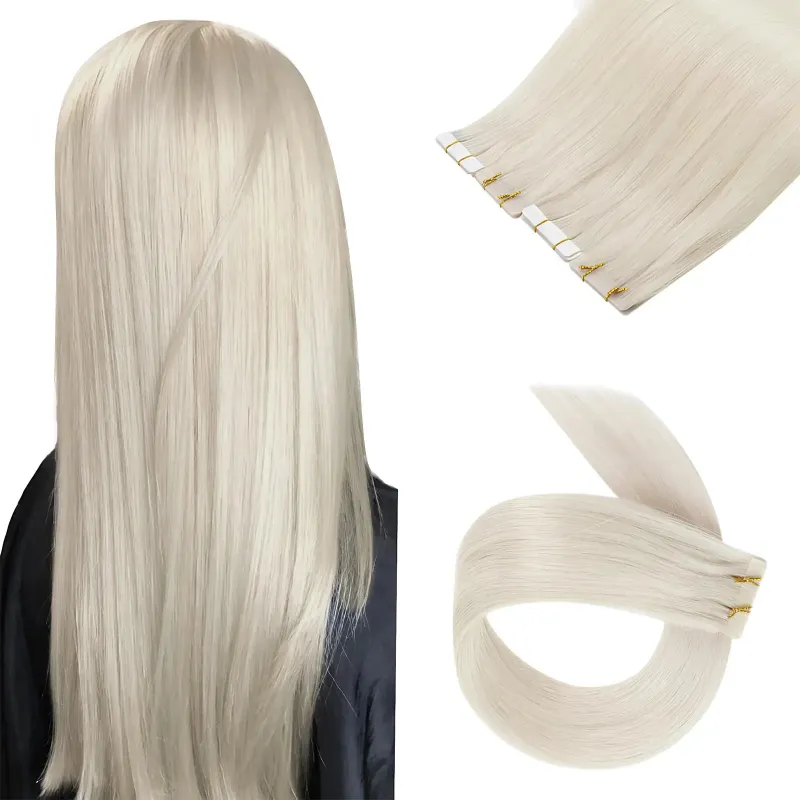
Clip in hair extensions are the fastest, most beginner-friendly way to add volume and length because you can install and remove them yourself in minutes without glue, heat, or a salon visit. If you want semi-permanent wear, tape in hair extensions bond flat against your scalp for weeks at a time, while i tip extensions use tiny beads for the most flexible, strand-by-strand application. Each method balances convenience, longevity, and hair health differently, so the right choice depends on your lifestyle, budget, and how often you want to wear extensions.
This guide walks you through the differences so you can pick the method that fits your routine.
How Each Extension Method Works
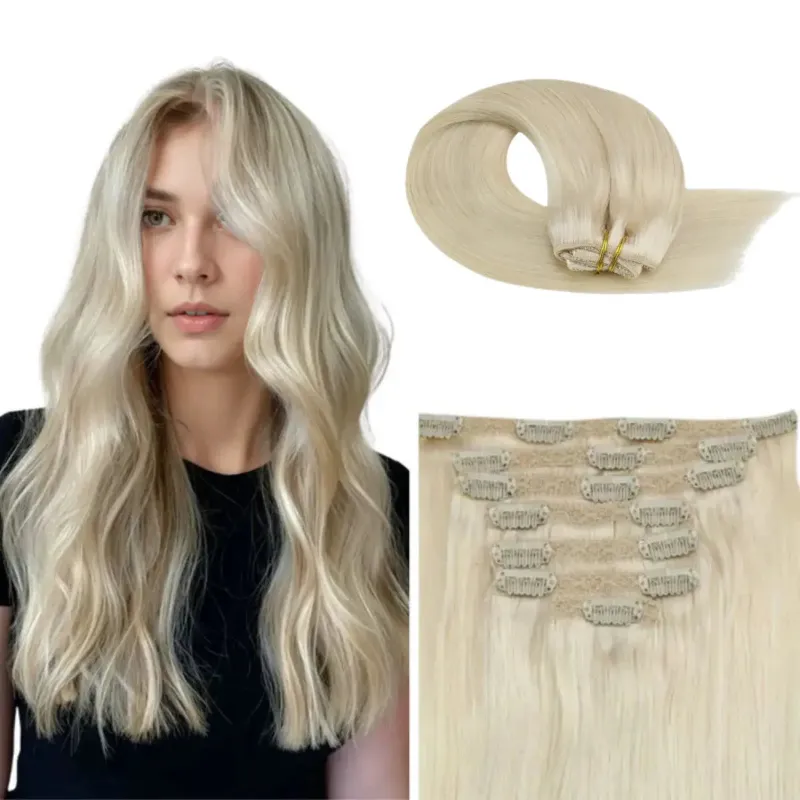
Clip-Ins Clip in hair extensions use small pressure clips sewn into wefts of hair. You section your natural hair, snap the clips open against your roots, and press them closed. Installation takes 5 to 10 minutes, and you remove them before bed or washing. They sit on top of your hair rather than bonding to it, so there is zero chemical or heat commitment.
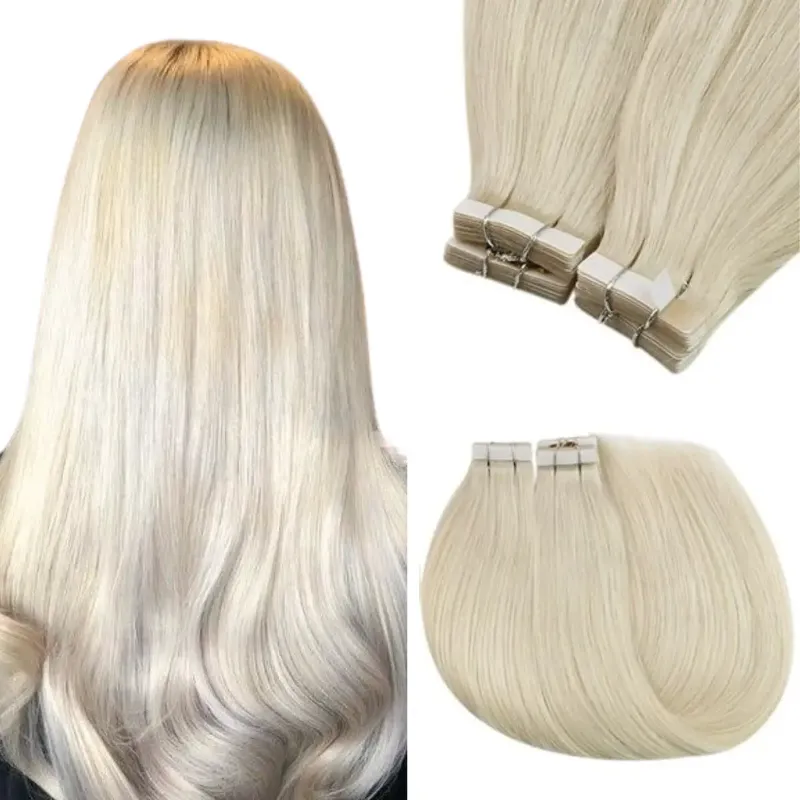
Tape-Ins Tape in extensions come pre-taped and sandwich a thin section of your hair between two wefts. A stylist applies them row by row, about an inch from your scalp. The adhesive is designed to last 6 to 8 weeks before you need a move-up appointment, where the tape is replaced and the wefts are repositioned closer to your roots as your hair grows.
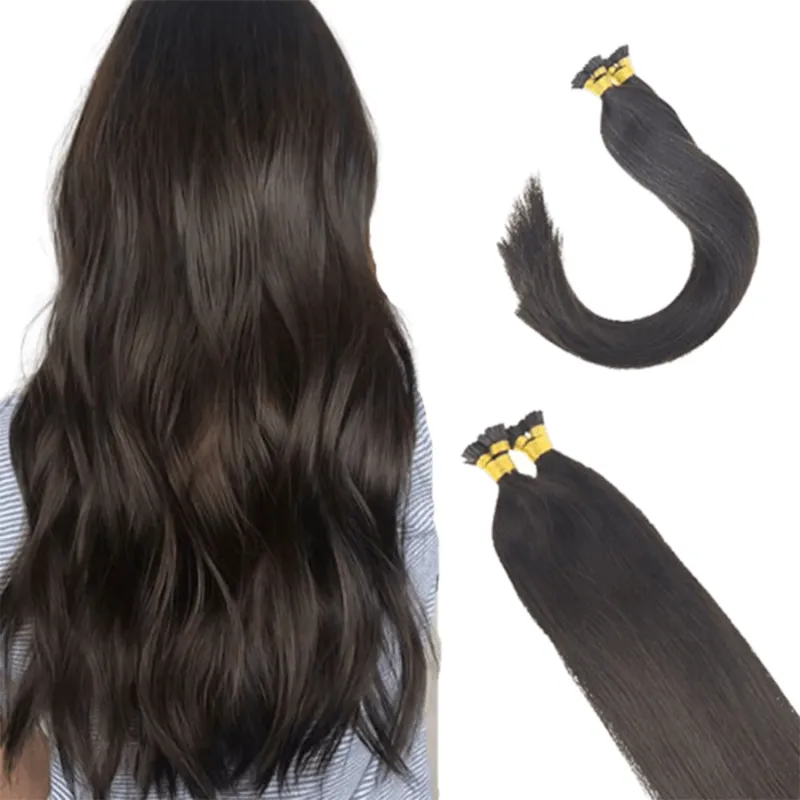
I-Tips I tip extensions feature a small keratin or silicone bead at the top of each strand. Your stylist threads a micro-section of your natural hair through the bead, slides the extension strand in, and clamps the bead flat with pliers. No glue or heat is involved, and each strand moves independently. I-tips typically last 8 to 12 weeks before you need a reinstall.
Comparing Installation, Wear Time, and Removal
| Method | Install Time | Wear Duration | Removal |
|---|---|---|---|
| Clip-In | 5 to 10 minutes (DIY) | Daily or occasional | Seconds (DIY) |
| Tape-In | 45 to 90 minutes (salon) | 6 to 8 weeks | 15 to 30 minutes (salon, adhesive remover) |
| I-Tip | 2 to 4 hours (salon) | 8 to 12 weeks | 30 to 60 minutes (salon, pliers) |
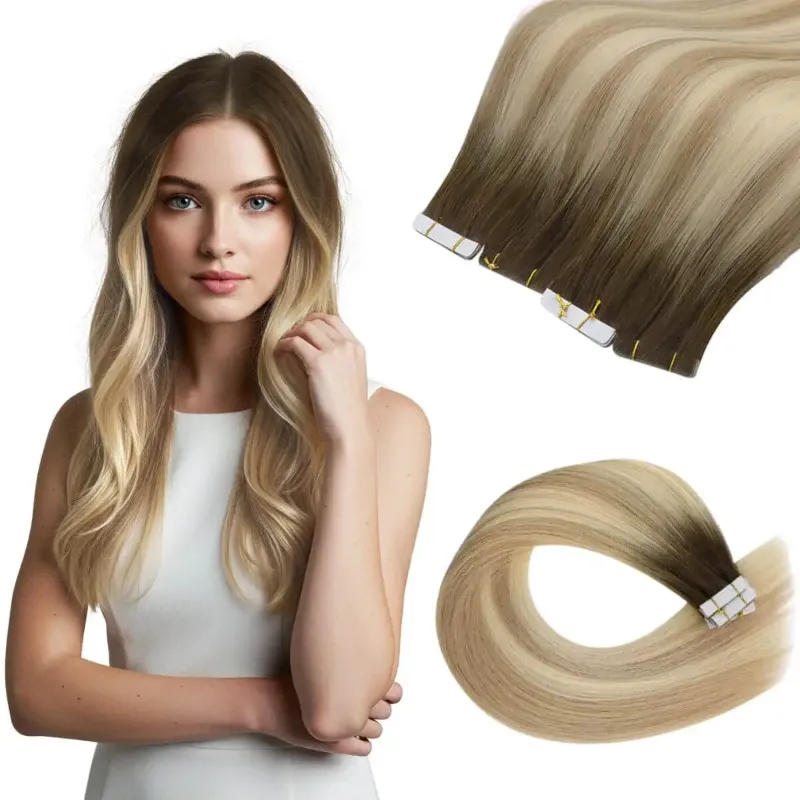
Clip-ins win for speed and flexibility. You can wear them for a night out and take them off the same evening, making them ideal if you only want extensions for special occasions or if you are still testing whether you like added length. Tape ins and I-tips require a professional install and removal, but they stay put through workouts, sleep, and washing, so you wake up with full hair every day.
For current pricing on any of these methods, check our exclusive discount code to save 22% sitewide at Sunny Hair.
Damage, Tension, and Hair Health
Clip-ins cause the least long-term stress because you remove them daily, giving your scalp and roots a break. The main risk is over-clipping near the same sections, which can create localized tension if you wear them several days in a row without varying placement.
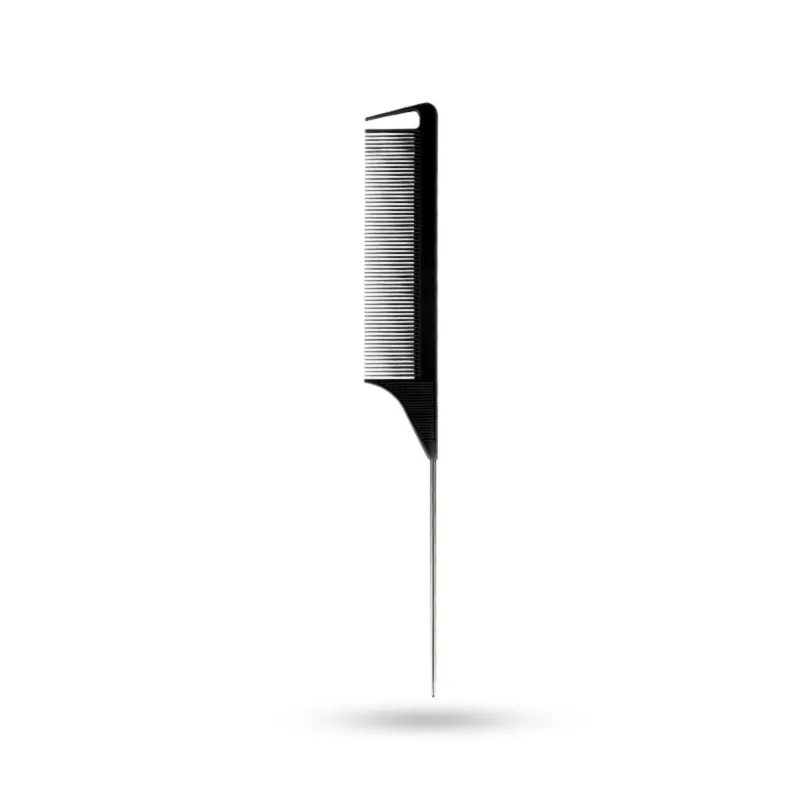
Tape-ins distribute weight across a horizontal weft, so tension is spread more evenly than single-strand methods. The adhesive remover can dry out your natural hair if applied carelessly, and improper removal sometimes pulls out hair caught in the tape. Using a rat tail comb to part cleanly before application helps avoid tangling during removal.
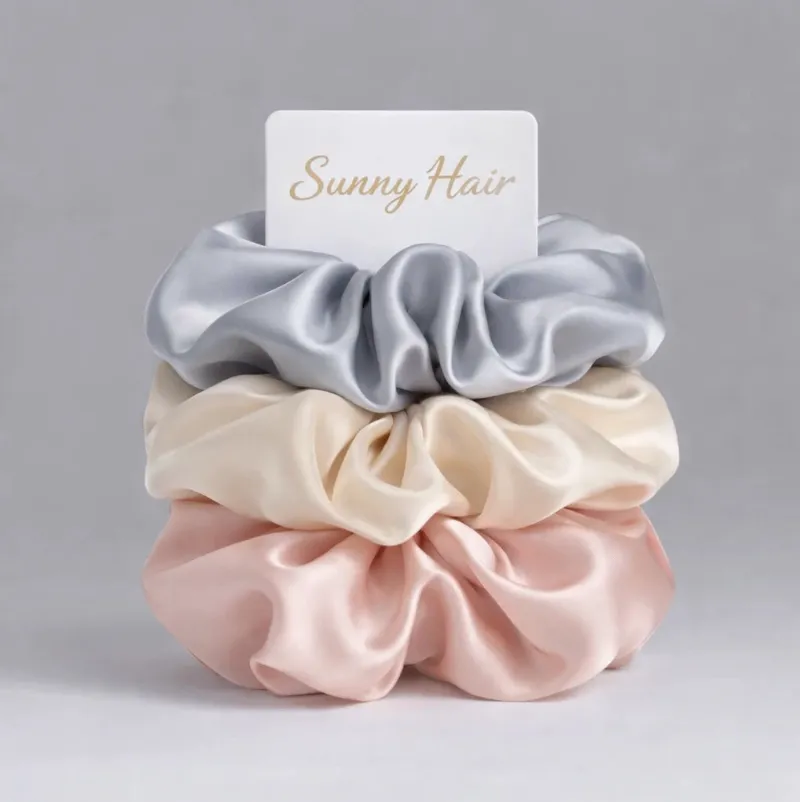
I-tips put the least tension on each attachment point because the weight is divided across many individual strands. However, if the beads are clamped too tightly or placed too close to the scalp, they can cause discomfort and breakage. Sleep position and friction also matter: satin scrunchies or a silk pillowcase reduce overnight tangling for any semi-permanent method.
Styling Flexibility and Heat Tools
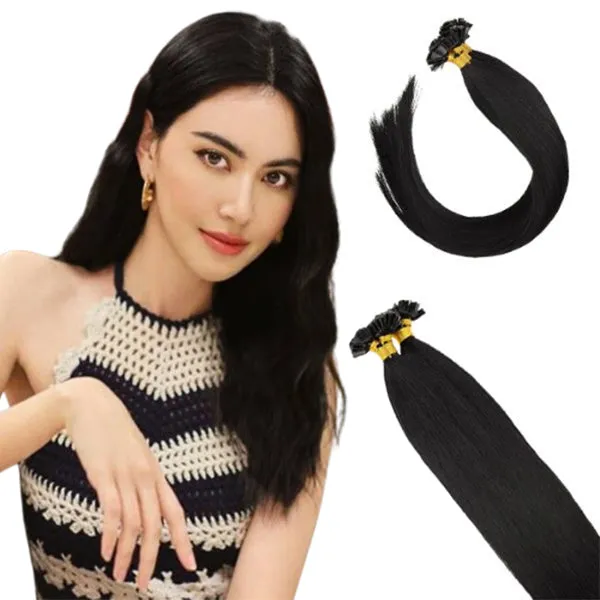
All three methods work with heat tools if you use human hair extensions instead of synthetic fiber. Clip-ins let you style the wefts off your head before clipping them in, which is faster and safer for your natural hair. You can also swap out different clip-in sets to match a new color or try a different texture without committing long-term.
Tape-ins and I-tips are styled along with your natural hair. The bonds sit close to your scalp, so you need to keep your flat iron or curling wand at least half an inch away from the tape or beads to avoid melting adhesive or loosening the clamp. Both methods blend seamlessly once installed, especially if you choose a 100 human hair extensions weave that matches your density and curl pattern.
For a comparison of popular clip-in brands and textures, InStyle’s editor testing and Byrdie’s roundup offer hands-on feedback across different hair types.
Cost Breakdown and Maintenance
Upfront investment:
- Clip-ins: $100 to $400 for a full set (one-time purchase, reusable for 6 to 12 months with care)
- Tape-ins: $200 to $600 for hair plus $75 to $150 per install/move-up appointment every 6 to 8 weeks
- I-tips: $300 to $800 for hair plus $150 to $300 per install, reinstalls every 8 to 12 weeks
Ongoing care: Clip-ins require the least maintenance because you wash them separately from your natural hair, typically every 15 to 20 wears. Tape-ins and I-tips are washed on your head, so you will use more sulfate-free shampoo and conditioner. You also need to budget for move-up or reinstall appointments, which add up over a year.
Grab the current discount before your first order to bring down that initial cost.
Which Method Fits Your Lifestyle?
Choose clip-ins if you:
- Want to do your own install and removal
- Only wear extensions occasionally or for events
- Prefer to give your hair daily breaks
- Are new to extensions and want to experiment with color or length
Choose tape-ins if you:
- Want semi-permanent length you don’t think about daily
- Have fine to medium hair and need a lay-flat bond
- Don’t mind salon appointments every 6 to 8 weeks
- Sleep, swim, and work out with extensions in place
Choose I-tips if you:
- Want the longest wear time between appointments
- Have thicker hair that can support individual strand weight
- Value flexibility in styling (each strand moves naturally)
- Prefer a heat-free, glue-free bond
If you are still deciding, clip-ins offer the lowest-risk entry point. You can always add tape in hair extensions or hand tied hair extensions later once you know what length and volume you like. For more detail on Remy versus virgin hair quality, Lox Hair’s guide explains cuticle alignment and tangle resistance.
Tips for First-Time Extension Wearers
- Match your density, not just color. Extensions that are too thick will create a visible line where they attach.
- Start with fewer wefts. You can always add more clip-in pieces; removing excess is harder with semi-permanent methods.
- Wash less often. Extensions dry out faster than natural hair because they are not fed by your scalp’s oils.
- Book a consultation. Even if you plan to use clip-ins, a 15-minute salon visit helps you confirm your color match and learn proper placement.
Whether you choose clip-ins for weekend versatility, tape-ins for daily convenience, or I-tips for maximum longevity, investing in high-quality human hair extensions makes every method look more natural and last longer.
Questions
Can I sleep in clip in hair extensions?
We do not recommend it. Clip-ins use pressure clips that can tangle, pull, or create uncomfortable bumps against your pillow. Remove them before bed to avoid breakage and extend their lifespan.
How long do tape-in extensions last before I need a move-up?
Tape-ins typically last 6 to 8 weeks before the adhesive grows out and needs repositioning. The wefts themselves can be reused for 3 to 6 months with proper care and retaping.
Do I-tip extensions damage your hair more than clip-ins?
Not if installed correctly. I-tips distribute weight across many small beads, so tension per strand is low. Damage occurs when beads are clamped too tight or placed too close to the scalp, or if you go too long between maintenance appointments.
Can I dye or bleach my human hair extensions?
Yes, but it is easier to go darker than lighter. Bleaching can weaken the hair, especially with tape-ins or I-tips already bonded to your head. Test on a small clip-in weft first or consult a colorist.
Which extension method is best for fine or thinning hair?
Clip-ins offer the most control because you can place fewer wefts and avoid over-clipping fragile areas. Tape-ins are also a good option if applied with small, lightweight wefts, while I-tips may feel too heavy for very fine hair.
Do I need special shampoo for tape-in or I-tip extensions?
Use sulfate-free, alcohol-free formulas to avoid breaking down adhesive or drying out the hair. Avoid applying conditioner directly to the tape bonds or beads, and focus it on the mid-lengths and ends instead.
Products in this guide
 Shopping at Sunny Hair? See the discount code
22% OFF Sitewide
Shopping at Sunny Hair? See the discount code
22% OFF Sitewide
More in this series
 What to Look for When Buying 100% Human Hair Extensions31 Jul 20266 minCan You Sleep in Clip-In Hair Extensions?31 Jul 20264 minHow to Remove Tape-In Hair Extensions at Home Without Breakage31 Jul 20264 min
 Do Hand-Tied Wefts Damage Your Natural Hair?31 Jul 20266 minHow Long Do Tape-In Extensions Last With Proper Care?31 Jul 20266 min