 A Sunny Hair guide
Can You Sleep in Clip-In Hair Extensions?
Clip in hair extensions should never be worn to bed because the clips pull on your roots while you toss and turn, causing breakage and matting.
No, you should never sleep in clip in hair extensions. The clips create tension on your roots throughout the night as you move, leading to hair breakage, tangling, and damage to both your natural hair and the extensions themselves.
Unlike semi-permanent methods, the metal or plastic clips grip individual sections of your hair, and any movement while you sleep causes pulling that weakens your follicles over time. The wefts also tangle with your natural hair, creating knots that are difficult to remove without causing further damage.
Why Sleeping in Clip-Ins Damages Your Hair
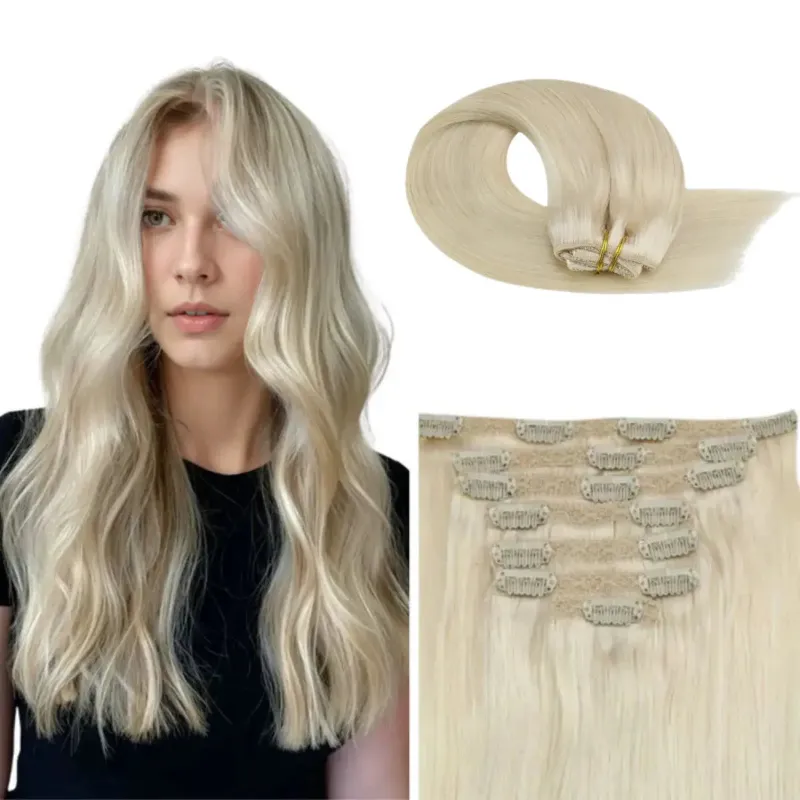
The core issue with wearing clip in hair extensions overnight comes down to mechanical stress. Each clip secures to a teased section of your natural hair, creating a pressure point. During sleep, you naturally shift positions 20 to 40 times per night, and every movement tugs at these anchor points.
The damage occurs in several ways:
- Root stress from constant pulling weakens hair follicles and can cause traction alopecia over time
- Tangling between your natural hair and the extension wefts creates painful knots that tear hair during removal
- Matting at the base where clips attach, especially with human hair extensions that shed naturally
- Clip imprints or indentations in your scalp from pressure during sleep
- Weft damage as the hair catches on pillows and bedding, reducing the lifespan of your extensions
Hair extension experts consistently recommend removing clip-ins before bed. According to Byrdie’s guide to the best clip-in extensions, proper care includes nightly removal to preserve both your investment and your natural hair health.
How to Remove and Store Clip-Ins Overnight
Removing your extensions takes only a few minutes and protects months of growth. Start at the nape of your neck and work upward, opening each clip by pressing the sides together. Never pull or yank, as this damages the teased sections underneath.
Our nightly removal routine:
- Section hair and locate each clip starting from the bottom layer
- Gently press the clip sides to release tension before sliding out
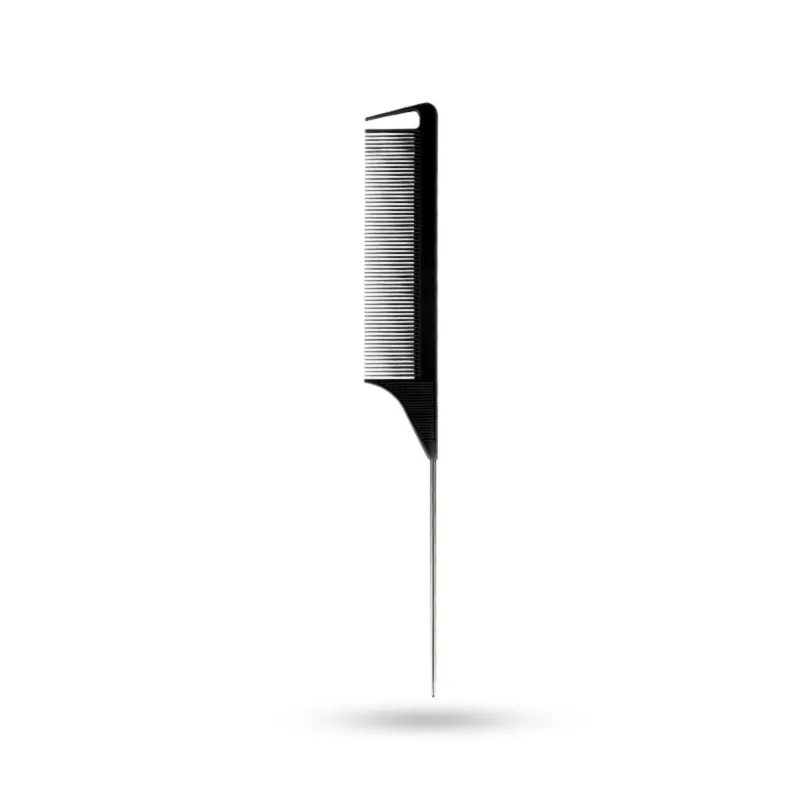
- Brush the extensions separately with a rat tail comb to remove tangles
- Store wefts flat or hanging in a cool, dry place away from direct sunlight
- Brush your natural hair and apply a leave-in treatment to the roots where clips were attached
For current pricing on quality clip-ins that withstand daily wear and removal, check our Sunny Hair discount code for 22% off sitewide.
Semi-Permanent Alternatives for Overnight Wear
If you want length and volume around the clock without nightly removal, several extension types are designed for extended wear. These methods distribute weight differently and eliminate the pressure-point damage caused by clips.
| Extension Type | Wear Duration | Best For |
|---|---|---|
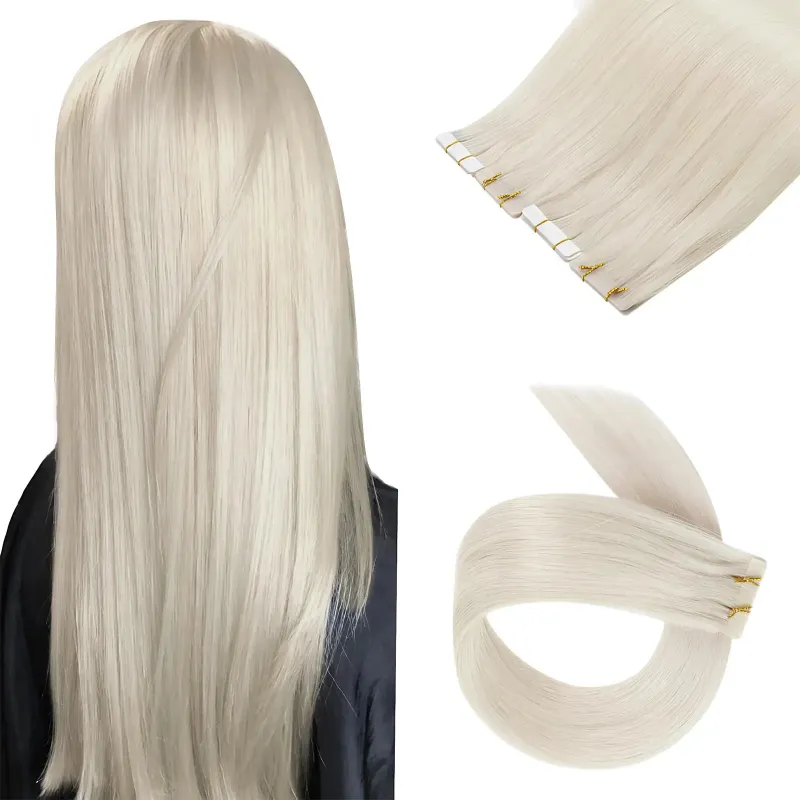
| Tape in hair extensions | 6-8 weeks | Fine to medium hair, low maintenance |
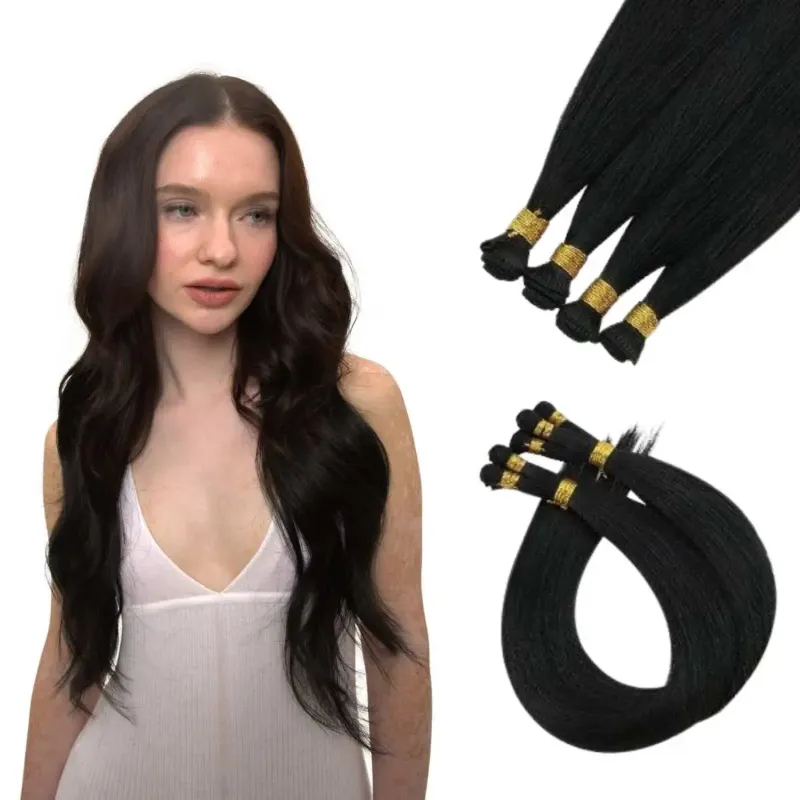
| Hand tied hair extensions | 8-10 weeks | All hair types, natural movement |
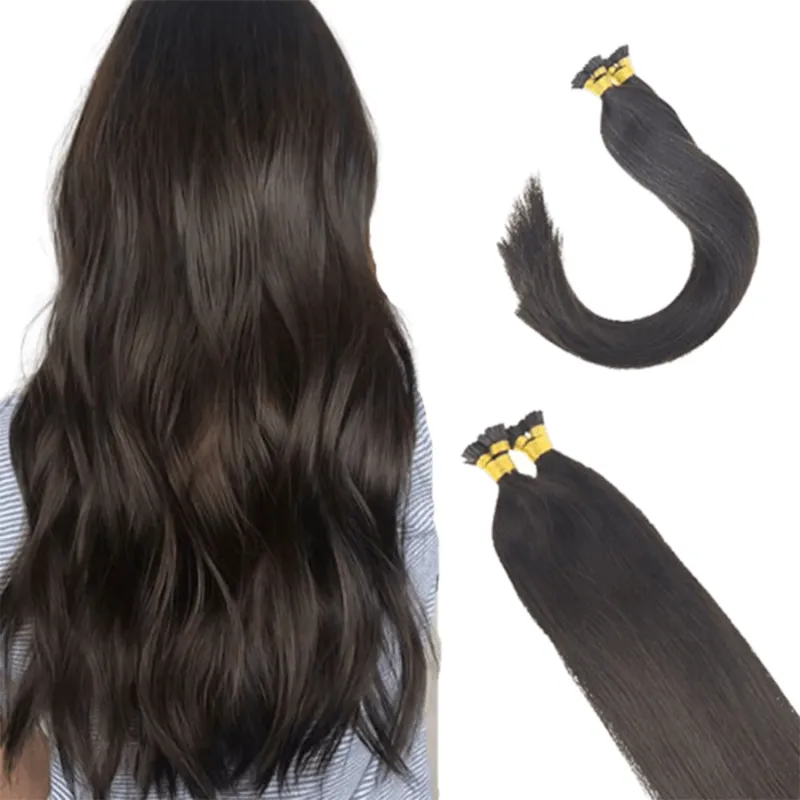
| I tip extensions | 10-12 weeks | Thick hair, individual strand control |
| Fusion hair extensions | 12-16 weeks | Permanent look, active lifestyles |
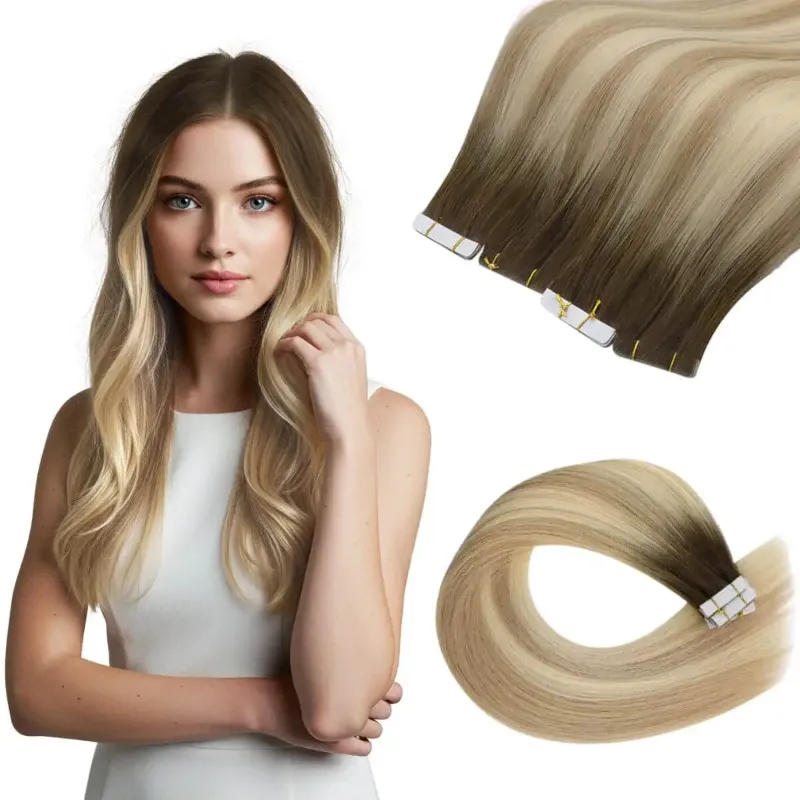
Tape ins lie flat against your scalp and use medical-grade adhesive that holds through washing and sleeping. Hand tied weft extensions are sewn onto thin rows of your natural hair, creating a flexible base that moves with you. Both options require professional installation but eliminate the daily wear-and-tear cycle.
Testing has shown that InStyle’s editors prefer clip-ins for special events and occasional use, while semi-permanent methods suit everyday wear better. If you’re wearing extensions more than four days per week, the time investment of daily removal often makes semi-permanent options more practical.
Protecting Your Hair Between Wears
Even when you remove clip-ins nightly, the repetitive attachment process stresses your hair. We recommend several protective measures to maintain healthy growth while using temporary extensions.
Give your scalp regular breaks by going extension-free one or two days per week. This allows your follicles to recover from teasing and clip pressure. On those days, focus on deep conditioning treatments at the roots where clips typically attach.
Protective styling between wears includes:
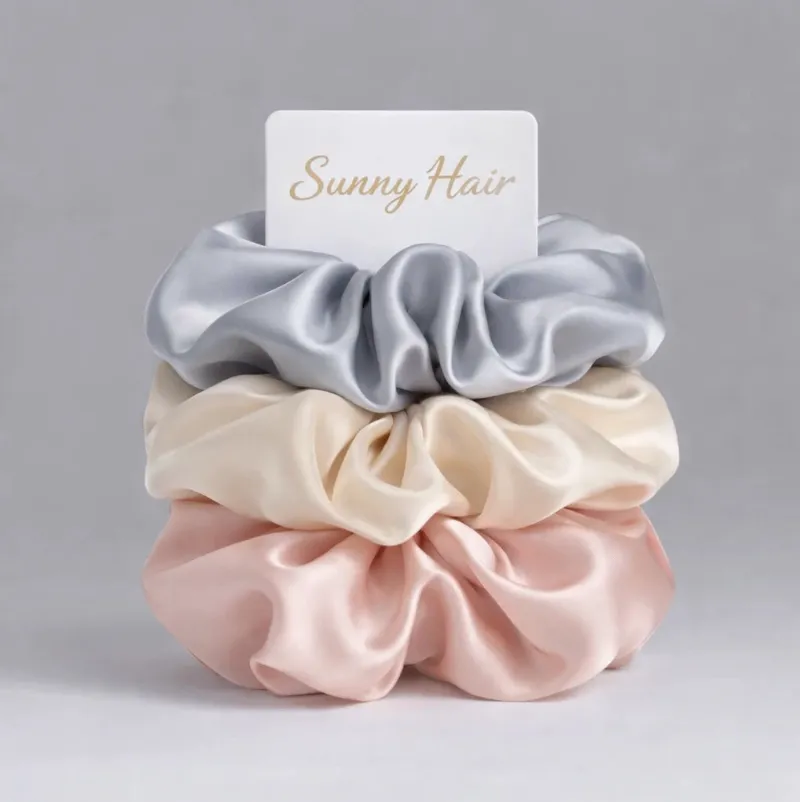
- Sleeping on a silk or satin pillowcase to reduce friction (or use satin scrunchies for a loose bun)
- Avoiding tight ponytails or buns that add tension to already-stressed areas
- Rotating clip placement slightly each time you reattach to distribute stress across different sections
- Using a bond-building treatment weekly to strengthen hair structure
For clip in hair extensions for black hair or textured hair types, extra moisture is critical. The teasing required for secure clip attachment can disrupt curl patterns, so use a leave-in conditioner and avoid excessive heat styling.
When to Replace Your Extensions
Quality human hair extensions last 3 to 6 months with proper care, but sleeping in them even occasionally cuts that lifespan in half. Signs your extensions need replacement include excessive shedding (more than 10-15 strands per brush), visible thinning at the wefts, or tangling that doesn’t resolve with conditioning.
If you notice your natural hair breaking at the roots, developing bald patches, or feeling tender where clips attach, take a break from extensions entirely. These symptoms indicate traction damage that worsens with continued use.
Grab the latest discount before replacing your set. Sunny Hair’s clip in hair extensions human hair options come in multiple textures and colors, and proper rotation between two sets extends the life of both while giving each time to air out between wears.
The bottom line: treat clip-ins as the temporary styling tool they’re designed to be. Remove them every night, store them properly, and consider semi-permanent alternatives if you want extensions that truly become part of your daily routine. Your natural hair and your investment will both last significantly longer.
Questions
How long can you wear clip in hair extensions in one day?
You can safely wear clip-ins for 8 to 12 hours during waking hours. Remove them before bed and anytime you feel tension or discomfort at the roots to prevent damage.
What happens if you accidentally sleep in clip-in extensions?
One night won't cause permanent damage, but you'll likely wake up with tangled, matted hair at the clips. Remove them immediately, gently detangle with conditioner, and inspect your scalp for any sore spots before reattaching.
Can you shower with clip-in extensions in?
We don't recommend it. The weight of wet hair puts extra stress on clips and causes slipping. Remove clip-ins before showering, wash your natural hair, and reattach them once your hair is dry and styled.
Which hair extensions can you sleep in safely?
Tape-in, hand-tied, I-tip, and fusion extensions are all designed for overnight wear because they distribute tension evenly across larger sections rather than creating pressure points like clips do.
How do you store clip-in extensions overnight?
Brush them gently to remove tangles, then either lay them flat in a drawer or hang them on a hanger in a cool, dry area away from direct sunlight and humidity. Never store them while damp.
Do clip-ins damage your natural hair over time?
When removed nightly and applied correctly, clip-ins cause minimal damage. However, sleeping in them, pulling during removal, or attaching them to the same sections repeatedly can lead to breakage and traction alopecia.
Products in this guide

 Shopping at Sunny Hair? See the discount code
22% OFF Sitewide
Shopping at Sunny Hair? See the discount code
22% OFF Sitewide
More in this series
 What to Look for When Buying 100% Human Hair Extensions31 Jul 20266 minHow to Remove Tape-In Hair Extensions at Home Without Breakage31 Jul 20264 minDo Hand-Tied Wefts Damage Your Natural Hair?31 Jul 20266 minClip-In vs Tape-In vs I-Tip Extensions: Which Method Is Right for You?31 Jul 20265 minHow Long Do Tape-In Extensions Last With Proper Care?31 Jul 20266 min