 A MERRIMIUM guide
Goodyear Welt vs. Glued Soles: Which Construction Lasts Longer?
A goodyear welt outlasts glued soles because it's stitched, not bonded, so you can resole shoes instead of replacing them.
A goodyear welt outlasts glued soles by a significant margin because the construction method itself is designed for repair and longevity. With a goodyear welt, the upper is stitched to a strip of leather (the welt) that holds the sole in place, which means the sole can be removed and replaced without damaging the shoe. Glued soles, by contrast, rely on adhesive that breaks down over time and typically means the entire shoe is done once the sole fails.
What Makes Goodyear Welt Construction Different
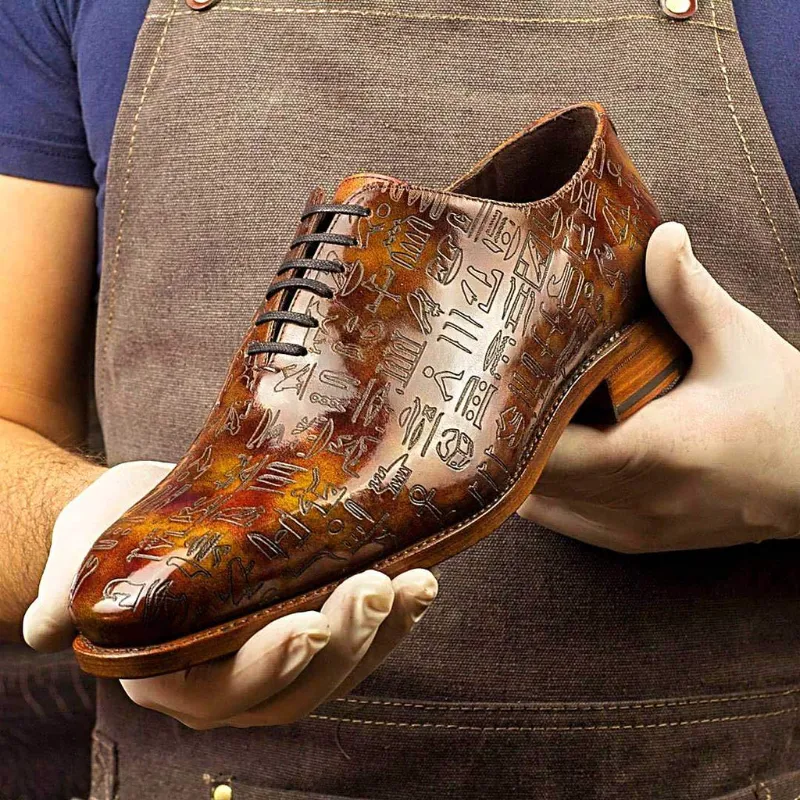
The goodyear welt is a stitched joint that runs around the perimeter of the shoe where the upper meets the sole. A welt is a thin strip of leather sandwiched between the upper and the sole, then sewn with a special machine that creates two parallel rows of stitching. This construction creates a permanent bond that doesn’t degrade the way glue does, and it leaves room to replace the sole entirely when it wears down.
Glued soles, often called direct-attach or cemented construction, use industrial adhesive to bond the sole directly to the upper. The adhesive holds strong initially, but breaks down faster than stitching, especially with moisture and heat. Once the glue fails, the shoe is typically unrepairable because there’s no structural anchor left to hold a new sole in place.
How Long Each Method Actually Lasts
A well-made shoe with a goodyear welt sole can last 10-15 years or more if properly cared for. You won’t replace the shoe; you’ll replace the sole 2-3 times during that span. Each resole costs roughly 30% of the original shoe price, so you’re extending the life of a quality pair for a fraction of the cost of new ones.
Glued soles typically last 3-5 years before the adhesive begins to fail, and once it does, the shoe is effectively done. Some people get 5-7 years from a quality glued sole if they avoid heavy moisture and wear patterns, but that’s the ceiling. When it fails, you’re buying new shoes.
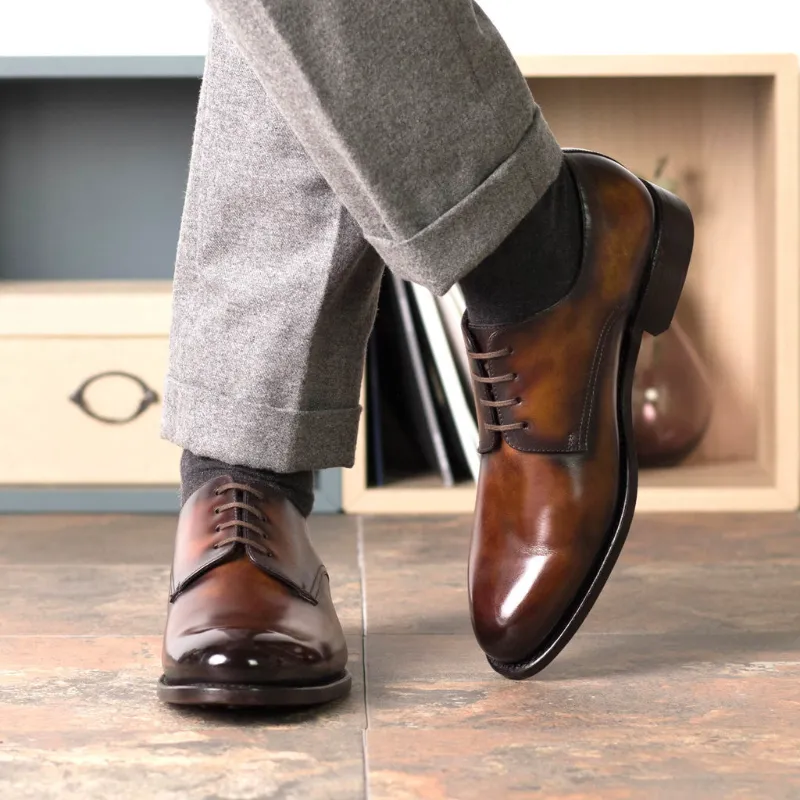
Leather derby shoes and goodyear welted dress shoes from quality makers often use welt construction specifically because they’re designed to be heirloom pieces. Men derby shoes and balmoral boots also favor this method because the formal wear category expects durability.
Goodyear Welt vs. Blake Stitch: Another Comparison
Goodyear welt is not the only stitched method. Blake stitch is another approach where the sole is stitched directly to the insole without a welt strip. Blake stitch is lighter and more flexible, which is why it’s popular in dress shoes, but it’s less durable than a goodyear welt because the stitching can wear through the insole over time. Blake-stitched soles are also harder to resole in a way that maintains structural integrity.
A goodyear welt is the gold standard for durability because the welt takes the wear and keeps the stitching protected. If you’re choosing between the two, goodyear welt is the investment play.
Cost Comparison: Upfront vs. Lifetime
| Construction | Initial Cost | Lifespan | Resole Cost | Total 10-Year Cost |
|---|---|---|---|---|
| Goodyear Welt | $250-400 | 10-15 years (multiple resolings) | $60-100 per resole | $250-500 |
| Glued Sole | $150-250 | 3-5 years | Not viable | $450-800+ |
The numbers are clear. Yes, a shoe with a goodyear welt costs more up front, but you’re buying a shoe that can be rebuilt. A glued-sole shoe costs less initially but forces you to replace the entire shoe multiple times over the same period. Multiply that across a handful of pairs, and the welt-construction approach saves money and reduces waste.
Head to /merrimium-discount-code/ to grab 10% off and start with quality construction that lasts.
How to Tell if a Shoe Has a Goodyear Welt
Look at the seam that runs around the edge of the shoe where the sole meets the upper. A goodyear welt shoe will have a visible stitching line that runs all the way around. You’ll also see the welt itself, a thin strip of leather between the upper and the sole. Run your finger along the edge, you’ll feel a ridge where the welt sits.
Glued soles have no visible stitching around the edge. The upper and sole appear to meet in a smooth line with no gap or ridge. If the shoe is new and you can’t see any stitching, it’s likely glued.
Which Shoes Use Goodyear Welt
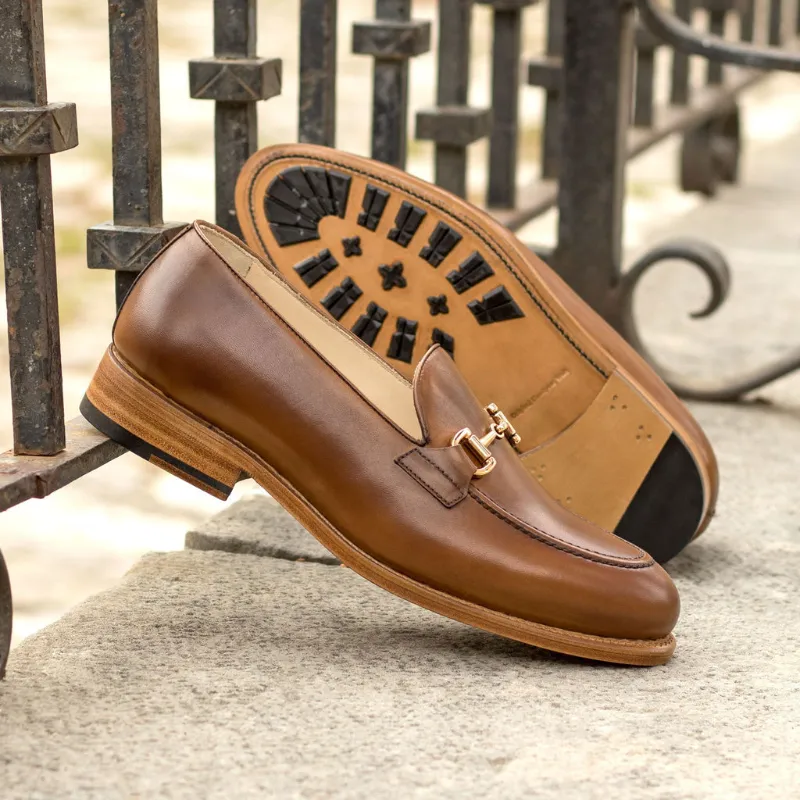
Most quality dress shoes, boots, and loafers use goodyear welt construction if they’re positioned as premium or heritage products. Goodyear welted loafers are common because loafers are worn for years and benefit from repairability. Men’s derby styles often use welt construction for the same reason, formal wear is expected to age well.
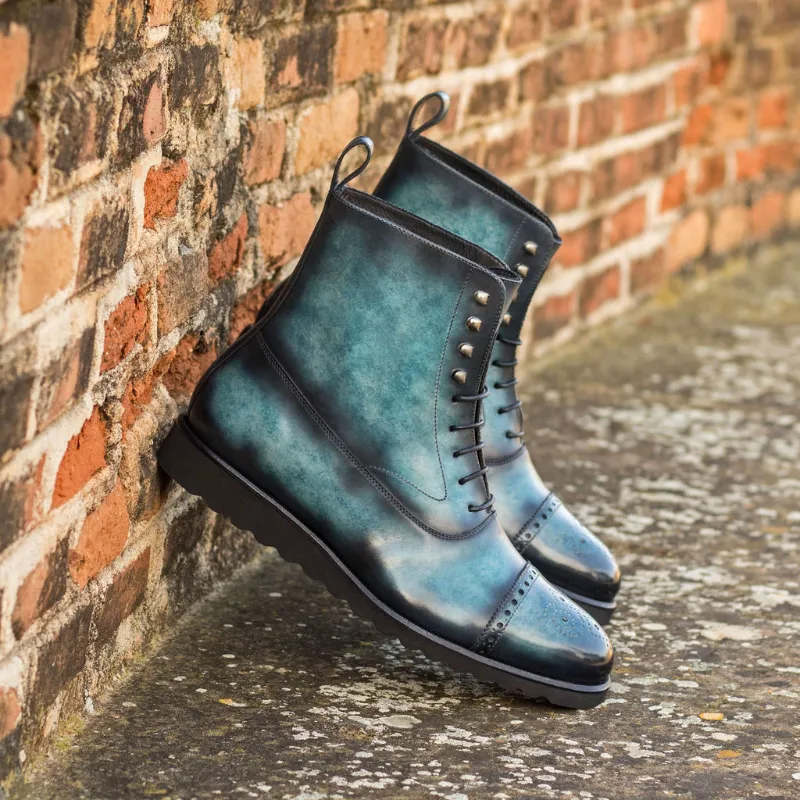
Patina shoes, which develop character and depth of color with wear, are particularly suited to welt construction because the owner is already committed to keeping them for the long term. That owner will want the option to resole and refresh the shoe multiple times over a decade or more.
Budget options and casual shoes often use glued construction because they’re designed as disposable or short-term wear. If a shoe is under $100, it’s almost certainly glued.
Should You Buy Goodyear Welt Shoes
If you wear dress shoes, derby shoes, or formal boots regularly, a goodyear welt is worth the premium. The cost difference feels large at checkout, but it shrinks fast once you factor in the years of wear and the option to resole instead of replace.
If you wear casual shoes that you’ll discard after a season or two, glued construction is fine. The durability difference doesn’t matter if you’re not planning to keep the shoe long-term anyway.
If you’re building a work or formal wardrobe that you expect to keep for years, welt construction is one of the clearest signals that a shoe is built to last. Pair it with proper care (clean them, condition the leather, store them with shoe trees) and you’re looking at an investment that ages well and costs less over time than replacing cheaper shoes repeatedly.
Check the latest price on welted shoes and apply your discount code at checkout.
Questions
What is a goodyear welt and why is it called that?
A goodyear welt is a strip of leather stitched between the upper and sole of a shoe, named after the Goodyear welt-stitching machine invented in the 1870s. It allows the sole to be replaced without damaging the shoe, making resoling possible.
How can I tell if a shoe has a goodyear welt?
Look for a visible stitching line running around the edge of the shoe where the upper meets the sole, and feel for a thin ridge of leather (the welt) between them. Glued soles have no stitching or ridge.
Are goodyear welted shoes worth the extra cost?
Yes, if you plan to wear them regularly for years. The upfront cost is higher, but resoling costs about 30% of the original price, so you save money over a decade compared to replacing glued-sole shoes multiple times.
Can you resole a shoe with a glued sole?
Not effectively. Glued soles can't be cleanly removed without destroying the shoe, and there's no structural anchor to attach a new sole. Once the glue fails, the shoe is typically unrepairable.
What's the difference between goodyear welt and blake stitch?
Both are stitched methods, but goodyear welt uses a welt strip that protects the stitching, making it more durable and easier to resole. Blake stitch is lighter and more flexible but less resilient over time.
How many times can you resole a goodyear welted shoe?
Typically 2-3 times before the welt wears thin. A well-made welted shoe can last 10-15 years across multiple resolings if cared for properly.
Products in this guide
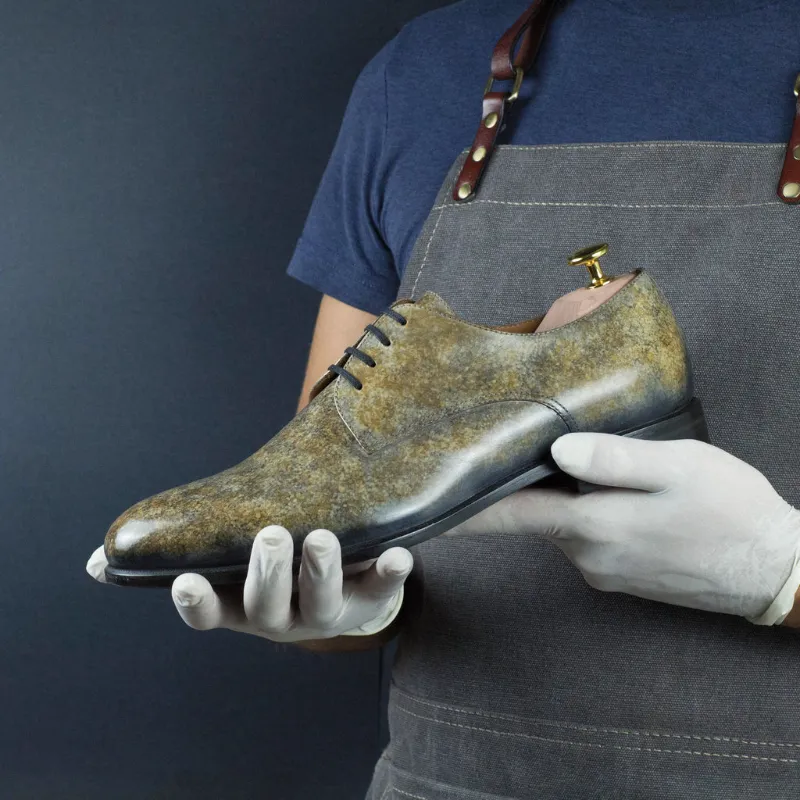 Shopping at MERRIMIUM? See the discount code
10% OFF All Orders
Shopping at MERRIMIUM? See the discount code
10% OFF All Orders
More in this series
Best Goodyear Welted Loafers for All-Day Comfort at the Office15 Sep 20265 minDo Balmoral Boots Need Special Care? A Complete Maintenance Guide15 Sep 20266 minWhy Leather Derby Shoes Develop Character Patina Over Time15 Sep 20264 minHow to Break in Goodyear Welted Dress Shoes Without Pain15 Sep 20264 min