 A MERRIMIUM guide
How to Break in Goodyear Welted Dress Shoes Without Pain
Goodyear welted dress shoes demand a proper break-in period, but you can minimize discomfort with the right approach.
Goodyear welted dress shoes demand a proper break-in period, but you can minimize discomfort with the right approach. The Goodyear welt construction method (where the upper is sewn to a strip of leather rather than glued directly) creates durable, resoleable shoes that often feel stiff initially. We’ll walk you through practical techniques to condition your new goodyear welted dress shoes so they conform to your feet faster and feel better sooner.
Why Goodyear Welted Shoes Take Time to Break In
Goodyear welted shoes are built to last decades, not days. The welt and sole are stitched together with multiple rows of thread, creating a rigid structure that protects the shoe’s integrity. When you first wear them, the leather hasn’t yet molded to your foot shape, and the leather-on-leather friction between your foot and the insole can create hotspots.
Quality construction also means thicker leather and firmer insoles than mass-produced alternatives. This is exactly why goodyear welted dress shoes hold their shape and resist creasing, but it also means they need conditioning time. Most owners report significant comfort improvement within 10 to 20 wears, depending on wear frequency and break-in methods used.
Pre-Wear Conditioning: Start Before You Walk
Conditioning your shoes before wearing them out reduces break-in friction. Use a leather conditioner or quality shoe cream to soften and hydrate the leather. Apply it to the upper, vamp, and sides, letting it sit for 15 to 30 minutes before buffing away excess.
For the insole, spray a light fabric conditioner or use shoe stretcher spray on the interior surface. This helps the insole feel less rigid against your foot. Let the shoes air-dry fully in a cool place, never near direct heat or sunlight, which cracks leather.
A shoe stretcher left in overnight before your first wear also helps. If you don’t own one, stuff the shoes with newspaper and leave them for a few hours. This gentle expansion prepares the leather without forcing it.
Gradual Wear: The Pace That Works
Wear your new goodyear welted dress shoes for 2 to 3 hours on day one, then progressively increase duration over the first week. This staged approach lets the leather gradually adjust without creating severe friction blisters. Alternate with other shoes to give the leather recovery time between wears.
Days 2 to 5: Wear for 3 to 4 hours at a time, then switch shoes. Week 2 onward: Wear for full days, but still alternate with other shoes 3 to 4 times per week.
By week 3 or 4, most people find their goodyear welted dress shoes feel noticeably better. The insole compresses slightly, the leather relaxes, and your foot finds its natural position inside the shoe. Patience here prevents pain and speeds overall comfort.
Targeted Stretching for Hotspots
If specific areas rub or pinch, use targeted stretching before pain develops. A handheld shoe stretcher works well for width issues, especially around the ball of the foot or heel. Stretch gently for 30 minutes at a time, then wear the shoes for short periods to see if the hotspot eases.
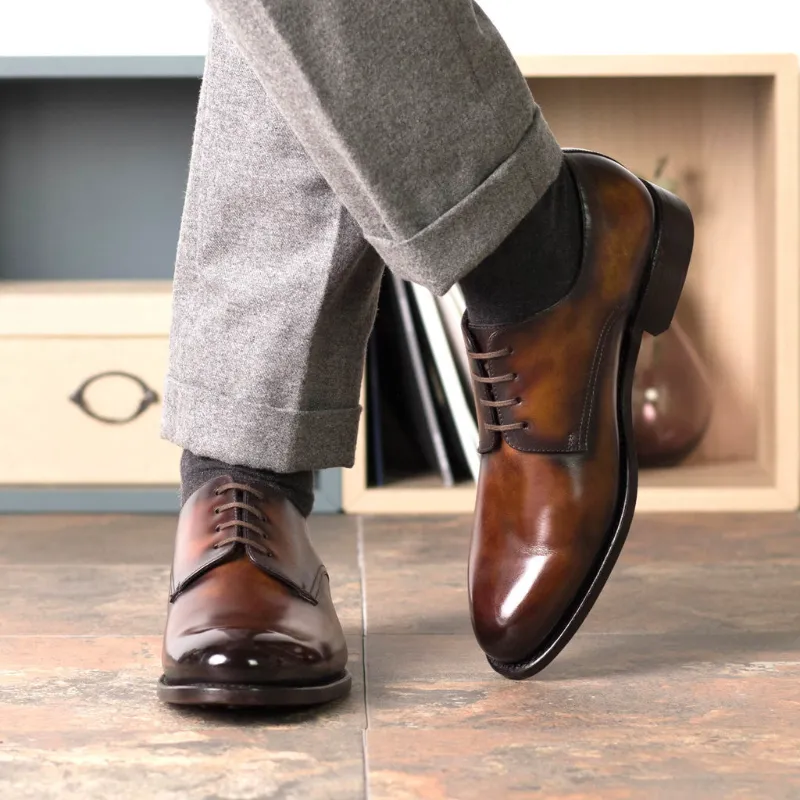
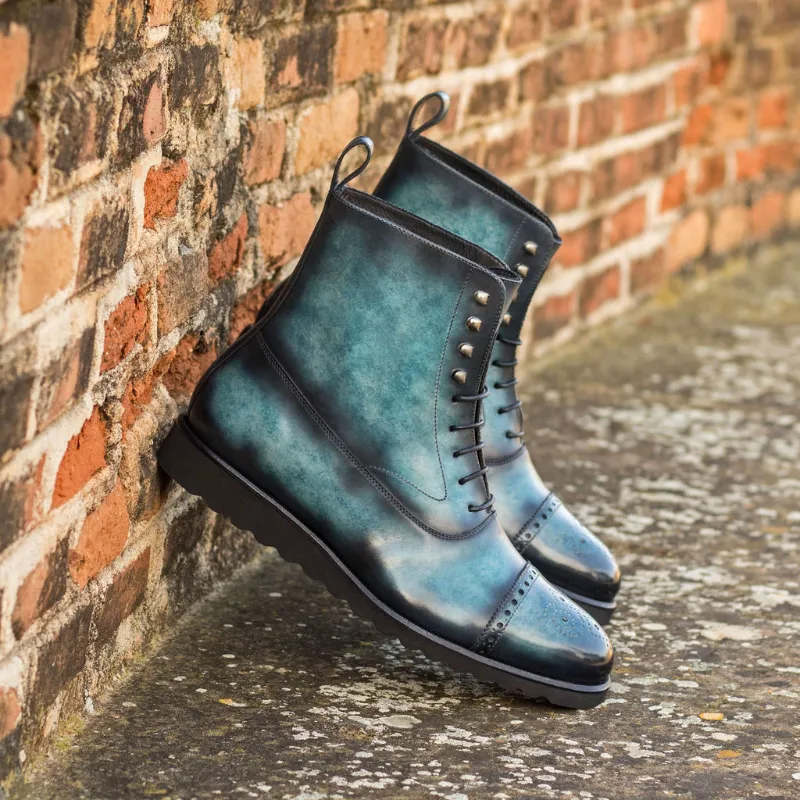
For a leather derby shoes or men’s derby that pinch at the sides, use a two-way stretcher. For balmoral boots or goodyear welted loafers that bind at the toe, apply stretcher spray inside and use a toe-box stretcher overnight.
You can also ask a cobbler to stretch specific areas for a modest fee, often cheaper and faster than suffering through break-in at home. Most cobblers can expand the heel cup or toe box without damaging the shoe.
Use Socks and Insoles Strategically
Thick wool or cotton socks reduce friction between your foot and the shoe’s interior. Merino wool socks wick moisture, prevent blisters, and reduce sliding. Wear them during your first 10 to 15 wears of your new goodyear welted dress shoes.
Custom or cushioned insoles can also ease break-in discomfort, especially if you have high arches or sensitive heels. Many people replace the factory insole after break-in anyway, so using a temporary cushioned insert during the first month is a smart move. Ensure the insole isn’t so thick that it crowds your toes or lifts your heel too high.
Materials and Care During Break-In
Leather absorbs moisture and movement. As you wear your new leather derby shoes or goodyear welted dress shoes, they’re actively conforming to your feet. Support this process with proper care:
- Apply shoe cream or conditioner weekly during break-in to keep leather supple.
- Use cedar shoe trees between wears to maintain shape and absorb odor and moisture.
- Rotate with other shoes so leather dries fully and doesn’t oversaturate.
- Avoid wet conditions during the first week; save puddles and rain for after break-in.
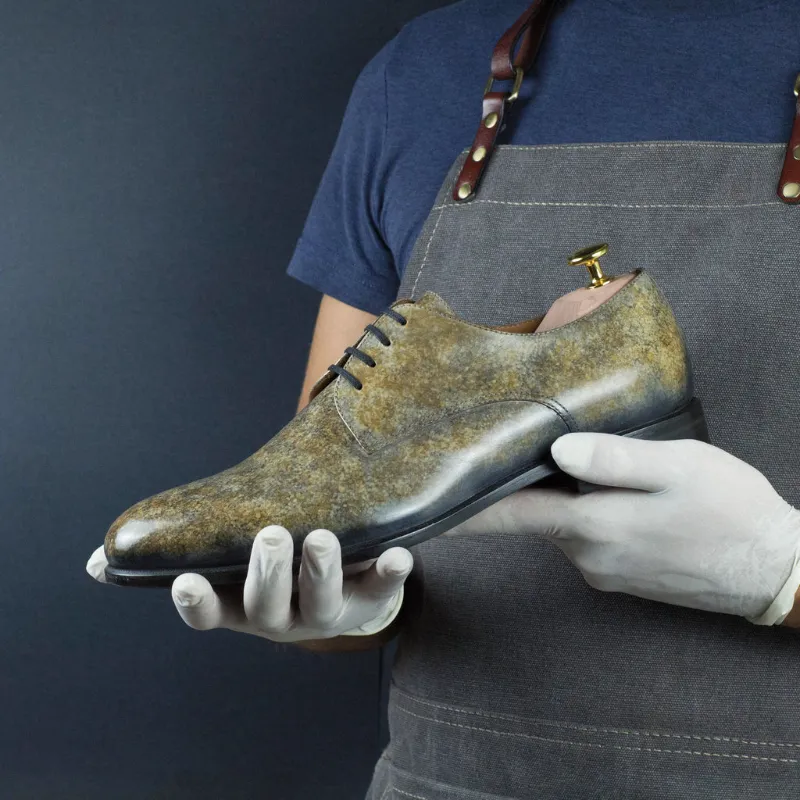
Quality patina shoes develop character as they age, and leather that breaks in properly resists cracking and premature aging. Light care now extends shoe life significantly.
When to Seek Professional Help
If after 20 to 30 wears your mens derby shoe or men derby shoes still cause pain in the same spot, a cobbler can help. Common fixes include:
- Heel-cup stretching for heel blisters
- Toe-box widening for tight forefeet
- Padding or internal linings to reduce pressure points
- Sole adjustments if the shoe rolls inward or outward unnaturally
Professional stretching or padding costs between $20 and $50 per adjustment and often solves problems that time alone won’t fix. It’s worth the investment if the shoes otherwise fit and look right.
Breaking In Your Goodyear Welted Shoes Is an Investment
The break-in period for goodyear welted dress shoes is an upfront cost of ownership. You’re conditioning premium leather, allowing stitching to settle, and letting construction integrity prove itself. Most wearers find that shoes broken in properly become genuinely more comfortable with age, not less.
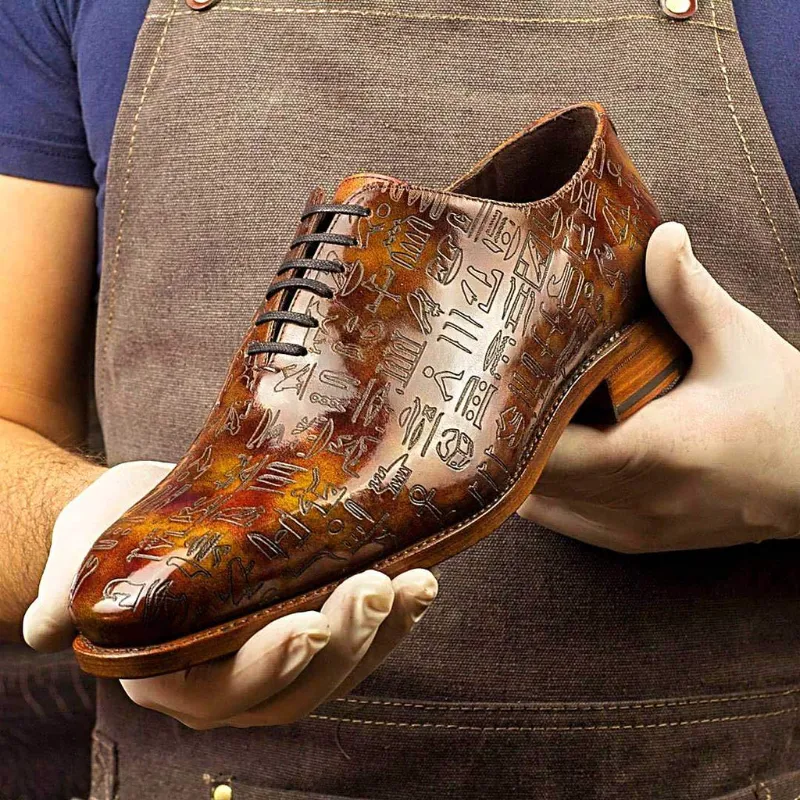
For best pricing and selection on quality goodyear welt construction shoes, grab the code to see current options and discounts. Start with socks, stretchers, and shorter wear sessions, and your new shoes will reward you with years of wear.
Resources on Goodyear welted construction and care: The Best Affordable Goodyear-Welted Dress Shoes and Myth Or Magic: Are Goodyear Welted Dress Shoes offer deeper dives into quality and craftsmanship.
Questions
How long does it take to break in goodyear welted dress shoes?
Most people report significant comfort improvement within 10 to 20 wears. Full break-in typically takes 3 to 4 weeks if you wear them regularly, alternating with other shoes. High-quality leather can continue molding to your foot for months, getting even more comfortable over time.
Can I speed up the break-in of goodyear welted shoes?
Yes. Use shoe stretchers, apply leather conditioner before wearing, wear thick socks, and use padded insoles during the first few weeks. Gradual wear (starting with 2 to 3 hours and increasing daily) also helps. However, rushing the process by wearing them for 8+ hours on day one often causes blisters, so patience still works best.
What's the difference between goodyear welted dress shoes and glued shoes?
Goodyear welted shoes are stitched to the sole via a welt strip, making them more durable, resoleable, and typically stiffer initially. Glued shoes feel softer faster but can't be resoled and often fall apart when the glue fails. The welt construction explains why break-in takes longer, the rigid structure protects longevity.
Should I use shoe stretchers on leather derby shoes or just wear them in?
Both work together. Shoe stretchers handle targeted problem spots (pinching sides, tight toe boxes) in a few hours, while gradual wearing lets the overall shoe conform naturally. Use a stretcher for specific hotspots, then wear the shoes for short periods to reinforce the stretch.
Do goodyear welted loafers break in differently than dress shoes?
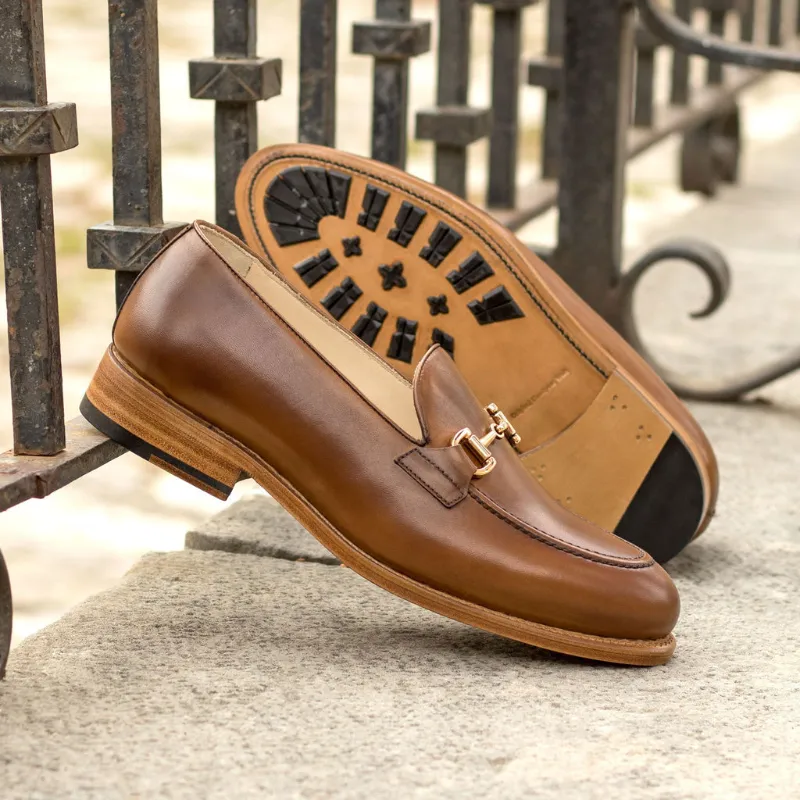
Loafers typically break in slightly faster because they lack laces and apply more even pressure across the foot. However, they still benefit from the same gradual wear, stretching, and conditioning methods. [Goodyear welted loafers](/go/p/9039) will still feel stiff at first if the leather and sole are quality.
Is it worth paying a cobbler to stretch goodyear welted shoes during break-in?
If pain persists after 20 to 30 wears in the same spot, yes. A cobbler can professionally stretch the heel, toe, or width for $20 to $50, often faster and more precisely than DIY methods. For shoes that otherwise fit your style and budget, professional help is a worthwhile investment.
Products in this guide
 Shopping at MERRIMIUM? See the discount code
10% OFF All Orders
Shopping at MERRIMIUM? See the discount code
10% OFF All Orders
More in this series
Best Goodyear Welted Loafers for All-Day Comfort at the Office15 Sep 20265 minDo Balmoral Boots Need Special Care? A Complete Maintenance Guide15 Sep 20266 minWhy Leather Derby Shoes Develop Character Patina Over Time15 Sep 20264 minGoodyear Welt vs. Glued Soles: Which Construction Lasts Longer?15 Sep 20264 min