 A MERRIMIUM guide
Do Balmoral Boots Need Special Care? A Complete Maintenance Guide
Balmoral boots deserve proper maintenance to preserve their appearance and durability, and the process is simpler than you might think.
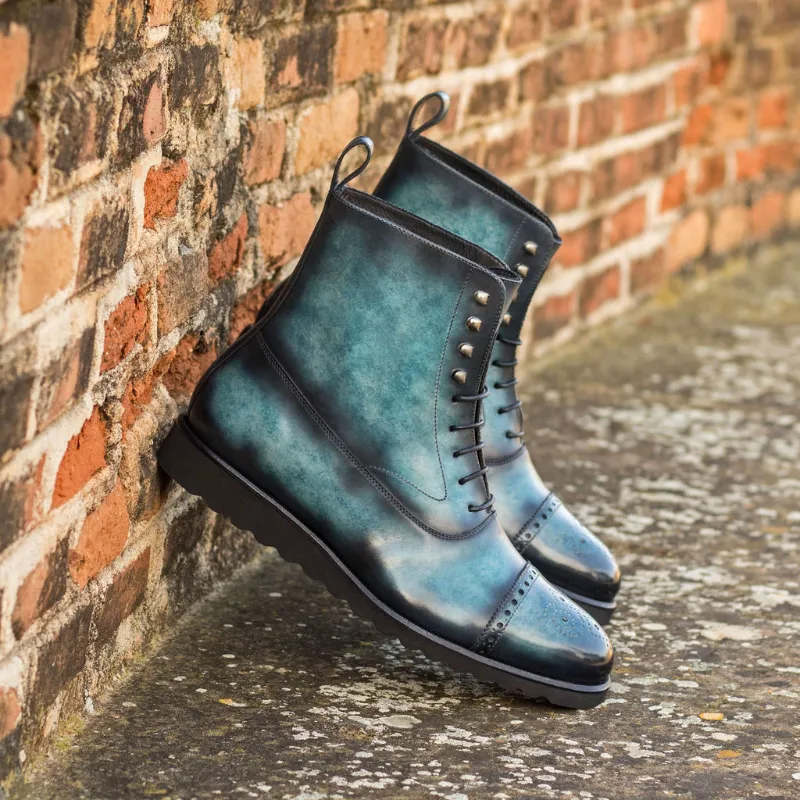
Balmoral boots deserve proper maintenance to preserve their appearance and durability, and the process is simpler than you might think. Whether you own a pair of balmoral boots with a goodyear welt or you’re considering investing in one, understanding the right care routine will extend their life and keep them looking sharp for years to come. We’ll walk you through everything you need to know about maintaining these classic dress boots.
Why Balmoral Boots Need Regular Care
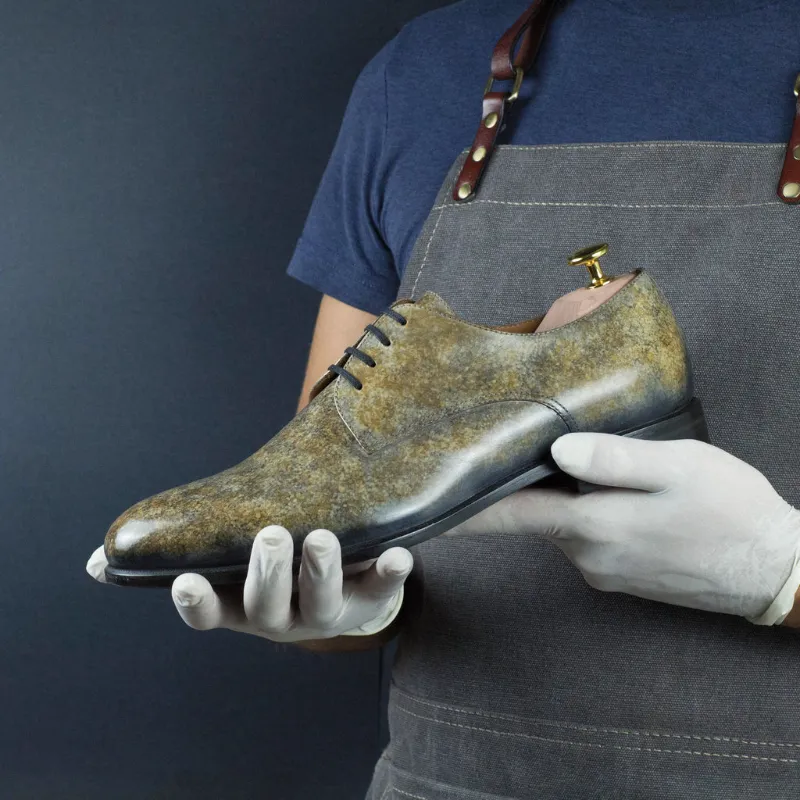
The balmoral boot is a formal style that sits somewhere between a dress shoe and a work boot. Its closed lacing and structured silhouette make it a staple for suits and professional settings, which means it typically gets regular wear in demanding conditions. Unlike casual footwear, balmoral boots are often made from quality leathers like those used in patina shoes, which develop character over time but require thoughtful upkeep.
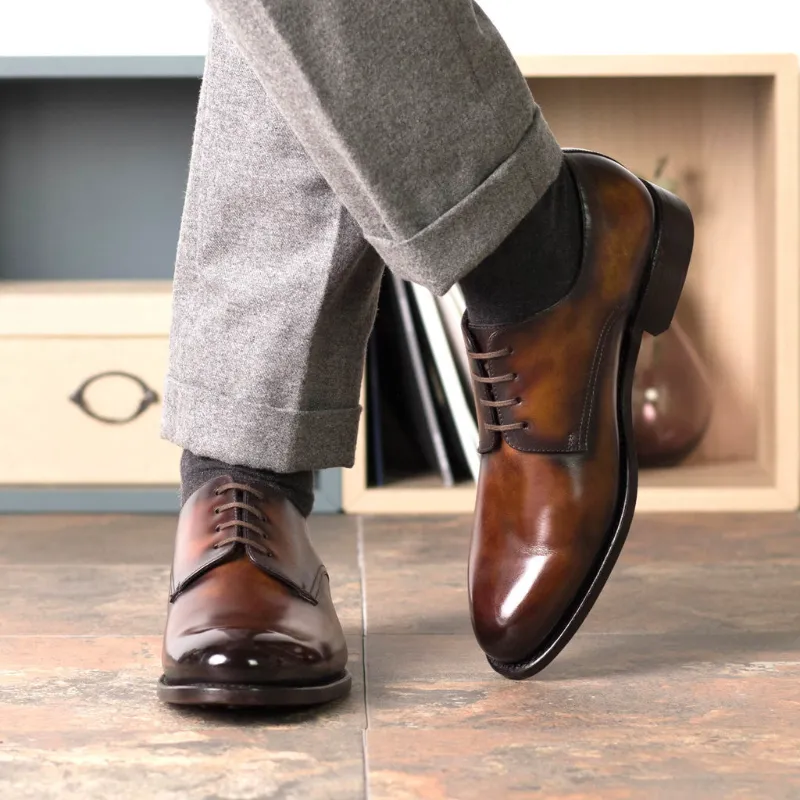
Leather is a natural material that responds to moisture, dirt, and temperature changes. Without basic maintenance, even the finest goodyear welted dress shoes can develop permanent creases, lose their shine, or suffer from cracking. The goodyear welt construction itself benefits from care, as keeping the welt dry prevents stitching problems and extends the resole potential of your boots.
Basic Daily and Weekly Care for Balmoral Boots
Most of the work in preserving balmoral boots happens in the first few minutes after wear. Start with a soft brush or cloth to remove dust and surface dirt while the leather is still dry. Keep a shoe tree in your boots when you’re not wearing them, which absorbs moisture and helps maintain shape.
- Use a horsehair brush on dry leather to lift dust before moisture sets in
- Wipe the leather with a slightly damp cloth if boots get wet during the day
- Air dry completely at room temperature, never near direct heat or a radiator
- Insert cedar shoe trees to absorb odor and maintain structure
- Rotate boots with other pairs to give leather time to rest between wears
For men derby shoes and other dress boots worn frequently, this routine takes just a few minutes but makes a real difference in how long they stay looking new.
Monthly Deep Cleaning and Conditioning
Once a month or every few wears, depending on wear frequency, give your balmoral boots a deeper clean. This prevents buildup that hardens leather over time.
Start by brushing the boots thoroughly, then use a leather cleaner suited to the specific leather type. Apply the cleaner with a soft cloth using circular motions, working in small sections. Wipe away residue with a clean, damp cloth and allow the leather to air dry completely before conditioning.
After cleaning, apply a quality leather conditioner to keep the material supple. Conditioner prevents the leather from drying out and cracking, especially important for mens derby shoes and leather derby shoes men that see regular rotation in your work wardrobe. Use a small amount on a cloth and work it in evenly, then buff away excess with a clean cloth.
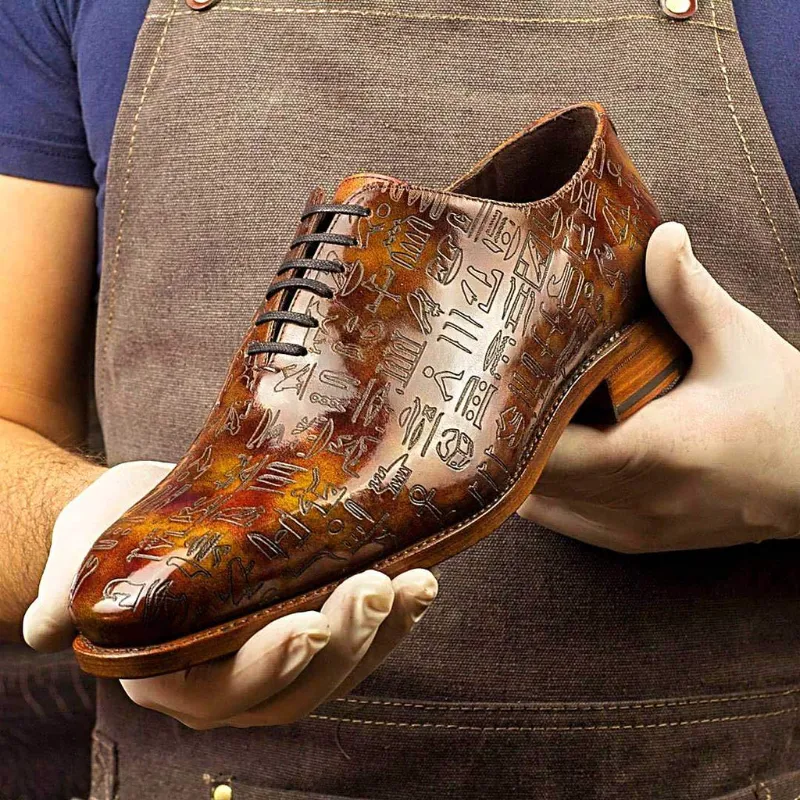
For boots with lighter leather or those developing a patina finish, use conditioning products sparingly and test on a small area first. Some people prefer to let patina shoes develop naturally with minimal intervention beyond basic cleaning.
Dealing with Water and Weather Damage
Balmoral boots with a goodyear welt can handle light rain, but heavy moisture requires attention. If your boots get soaked, never dry them quickly with heat or sunlight. Instead, remove the shoe trees, stuff the insides loosely with newspaper (replace it as it absorbs moisture), and let them sit in a cool, dry area for 24 to 48 hours.
After the boots dry fully, recondition the leather to restore suppleness that water removes. Salt stains from winter conditions come off with a cloth dampened in equal parts water and vinegar; let the boots dry afterward and condition them.
For boots worn regularly in wet climates, consider applying a water-resistant treatment before the season starts. This creates a protective layer without changing the leather’s appearance the way some older products did. Reapply according to product instructions, typically 2 to 3 times per season.
Resoling and Professional Repair
The goodyear welt construction on quality balmoral boots means they’re built to be resoled. Once the sole wears through, a cobbler can remove the old sole and attach a new one without replacing the upper or the welt. This keeps your boots out of the landfill and often costs less than buying new.
Most wearers get 2 to 3 years out of a sole with regular use before resoling becomes necessary. Between resoles, you can have heels replaced independently, which costs less and extends the life of the original sole.
For scuffs and creases in the leather, light sanding by a professional cobbler can restore appearance. Deep cuts or damage to stitching around the vamp or heel require professional repair. If your balmoral boots start showing signs of structural wear (seams separating or the welt pulling away) don’t wait to get them looked at, as small problems are easier and cheaper to fix early.
Storage and Long-Term Care
When you’re not wearing your balmoral boots regularly, store them in a cool, dry place with shoe trees inside. Shoe trees keep the shape intact and absorb moisture that can develop in storage. If you’re storing boots for months, wrap them loosely in unbleached cloth rather than plastic, which traps humidity.
Keep mens derby shoe and other formal boots away from extreme heat and direct sunlight, which can fade and dry out leather. A boot bag or unbleached cotton bag offers protection while allowing the leather to breathe.
Check stored boots every few months and apply conditioner if the leather looks dull or feels dry. This prevents cracking and keeps them ready for wear whenever you need them.
Who Should Invest in Balmoral Boots and Why
Balmoral boots work well for people who wear formal or business professional attire regularly and want one pair that handles both dressier occasions and everyday wear. A well-maintained pair fits easily into a capsule wardrobe with dark trousers and can be styled with a suit for important meetings.
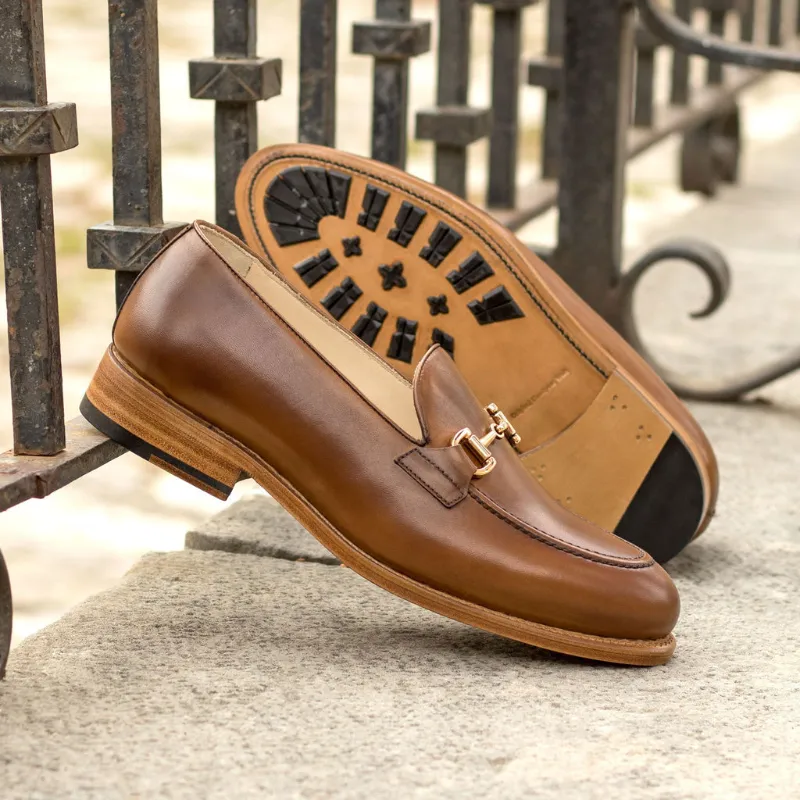
If you’re choosing between balmoral boots and other options, consider that leather derby shoes or goodyear welted dress shoes might work better if you prefer lighter weight or more casual styling. For something in between, goodyear welted loafers offer the durability of welt construction in a less formal silhouette.
The good news: once you understand the basics of care, maintaining balmoral boots becomes as routine as cleaning any other quality shoe. Start with grab the code to get 10% off your investment, and plan on spending just a few minutes each week keeping them in shape. That small effort pays off in boots that look polished for years.
Building Your Boot Care Kit
You don’t need many supplies to care for balmoral boots properly. A horsehair brush, soft cloths, a quality leather cleaner, and a conditioner suited to your leather type form the foundation. Many people also keep a small bottle of water-resistant spray and shoe trees as part of their routine.
Store these supplies together in a small kit so they’re ready whenever you need them. Quality products last longer than cheap alternatives and actually cost less over time because you use less of them. Check the latest price on boots and care supplies together through our store page for the best value.
Questions
How often should I condition my balmoral boots?
Condition your balmoral boots monthly or every 4 to 6 wears, depending on climate and how much moisture they encounter. Dry climates need less frequent conditioning than humid or rainy areas. If the leather looks dull or feels stiff, it's time to condition.
Can I wear balmoral boots in the rain?
Yes, balmoral boots can handle light rain thanks to quality leather and goodyear welt construction, but heavy downpours require care. Dry them slowly at room temperature with newspaper inside, then recondition the leather to restore suppleness.
What's the difference between balmoral boots and men derby shoes?
Balmoral boots have closed lacing where the eyelet stays attach under the vamp, making them more formal and structured. Derby shoes have open lacing, making them slightly less formal and easier to adjust for fit. Both work as dress shoes, but balmorals suit more formal occasions.
When should I have my balmoral boots resoled?
Most goodyear welted boots are ready for a resole after 2 to 3 years of regular wear, once the sole wears through to the welt. A professional cobbler can replace the sole without damaging the upper, extending your boots' life significantly.
Can I condition patina shoes and balmoral boots the same way?
Most patina shoes and balmoral boots use similar leather and can be cleaned and conditioned the same way, but conditioning may fade or slow down the patina development you want. For patina shoes specifically, many people use minimal conditioning to let the leather age naturally.
Do balmoral boots with a goodyear welt need special care?
Goodyear welted boots benefit from being kept dry and having the welt area wiped clean regularly, but they don't need special care beyond what any quality leather boot needs. The welt construction actually makes them easier to maintain long-term because they can be resoled multiple times.
Products in this guide
 Shopping at MERRIMIUM? See the discount code
10% OFF All Orders
Shopping at MERRIMIUM? See the discount code
10% OFF All Orders
More in this series
Best Goodyear Welted Loafers for All-Day Comfort at the Office15 Sep 20265 minWhy Leather Derby Shoes Develop Character Patina Over Time15 Sep 20264 minGoodyear Welt vs. Glued Soles: Which Construction Lasts Longer?15 Sep 20264 minHow to Break in Goodyear Welted Dress Shoes Without Pain15 Sep 20264 min