 A Aimeili Gel Polish guide
What to Do When Your Gel Manicure Lifts After a Few Days
When your glue gel manicure lifts after just a few days, the culprit is usually poor nail prep, moisture trapped under the polish, or skipped base coat steps.
When your glue gel manicure lifts after just a few days, the culprit is usually poor nail prep, moisture trapped under the polish, or skipped base coat steps. Whether you’re dealing with edge lifting, air bubbles, or full polish pop-off, this guide walks you through immediate repairs and long-term prevention so your next manicure lasts the full two weeks.
Why Gel Polish Lifts Early: The Four Main Causes
Lifting happens when the bond between your natural nail and the gel layer breaks down. Here’s what we see most often:
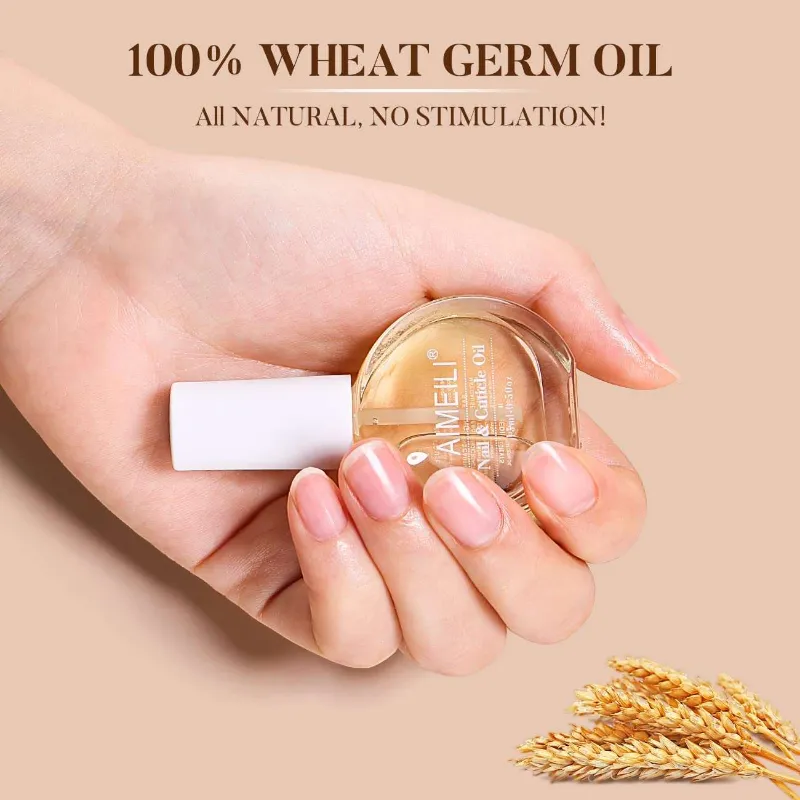
- Oil and moisture on the nail plate: Even trace amounts of lotion, cuticle oil, or water prevent proper adhesion. Your nails must be completely dry and degreased before you apply base coat.
- Improper prep or buffing: Skipping the light buff or over-buffing damages the nail plate. A gentle scuff with a 180-grit buffer creates the texture gel needs to grip.
- Thick application layers: Gel that’s too thick doesn’t cure evenly under the UV or LED lamp, leaving soft spots that peel. Thin, even coats cure fully and bond better.
- Cuticle contact: When gel touches living cuticle tissue or skin, it lifts as those cells shed. Leave a tiny margin around the cuticle and sidewalls.
We also see lifting with polygel nails and extensions when the product isn’t pressed firmly to the nail bed or when a nail brush deposits excess slip solution.
How to Fix Lifting Gel Polish Right Now
If you catch a lift early, you can often salvage the manicure without a full removal.
For edge or corner lifting:
- Clean under the lifted section with a nail brush dipped in rubbing alcohol to remove debris and oil.
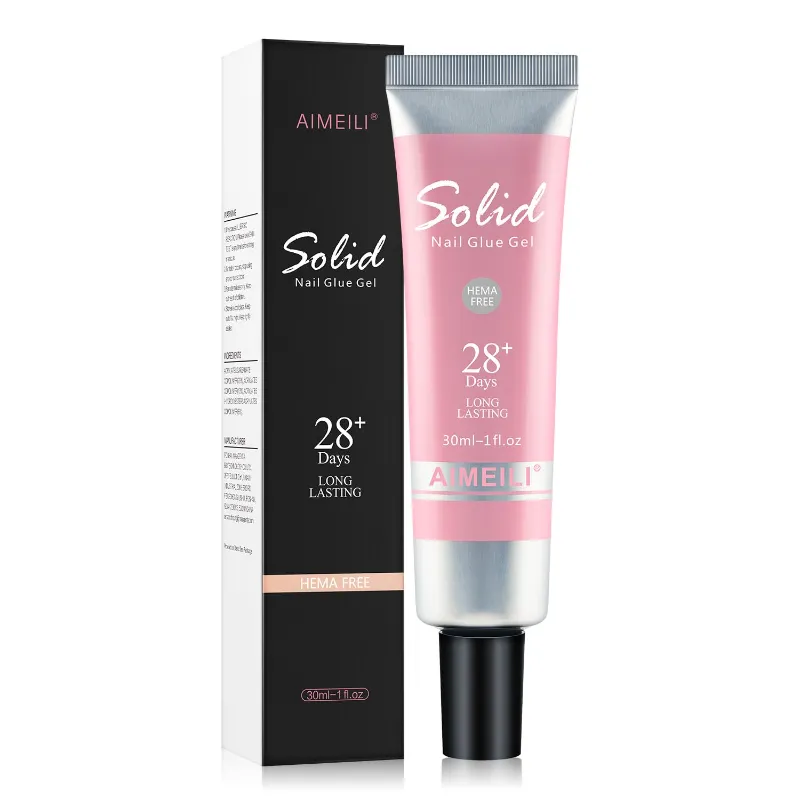
- Apply a drop of nail glue under the lifted gel, press firmly for 30 seconds, then wipe away any excess with alcohol.
- Seal the repair with a thin layer of top coat and cure under your lamp.
For larger lifting or air pockets:
- Remove the lifted polish entirely with acetone-soaked cotton and foil wraps (10 to 15 minutes).
- Buff the nail lightly, cleanse with alcohol, and reapply base coat, color, and top coat in thin layers.
- Cure each layer fully, undertreated polish is a common cause of repeat lifting.
If lifting happens within 24 hours, it’s almost always a prep issue. Re-do the manicure with more attention to dehydration and buffing. Grab the latest Aimeili discount to stock up on base and top coats so you’re always ready for quick fixes.
Nail Prep That Prevents Glue Gel Manicure Lifting
Proper prep is 80 percent of a long-lasting gel manicure. We follow this exact sequence every time:
- Push back cuticles gently: Use a cuticle pusher (never cut living tissue) and remove any dead skin with a cuticle remover or gentle scraping.
- Buff the nail surface: A light pass with a 180-grit buffer removes shine and creates micro-texture. Don’t dig in or thin the nail.
- Clean with alcohol: Wipe each nail with a lint-free pad soaked in 90%+ isopropyl alcohol. Let nails air-dry completely.
- Apply pH bonder or dehydrator: This step neutralizes oils and evaporates residual moisture. Wait 60 seconds before base coat.
- Avoid cuticle oil or nail oil until after curing: Save hydration for after your top coat is fully set.
For clients with naturally oily nail beds or who work with their hands in water, we recommend a dedicated nail dehydrator (often labeled “prep” or “bond”) before the base coat. It makes a measurable difference in wear time.
Application Tips for Longer-Lasting Gel
Even with perfect prep, sloppy application invites lifting. Here’s what works:
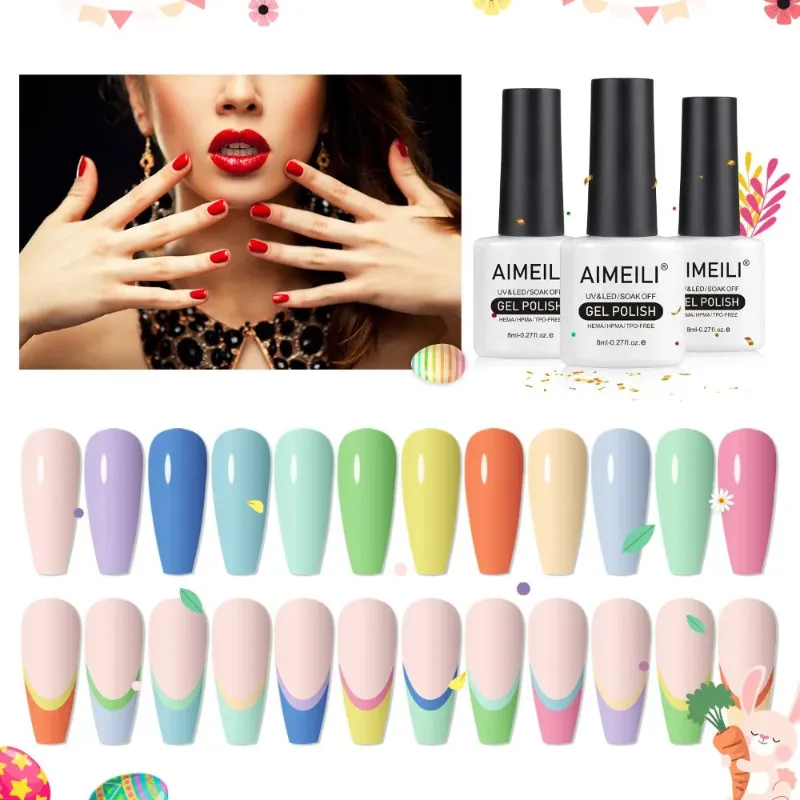
- Cap the free edge: Brush a thin stripe of base coat, color, and top coat across the tip of your nail to seal the edge. This prevents water infiltration and tip lifting.
- Thin, even layers: Two or three thin coats of nail polish colors cure better than one thick coat. Thick polish stays tacky in the center and peels within days.
- Leave a margin: Keep gel 1 to 2 mm away from cuticles and sidewalls. Gel that touches skin will lift as your skin naturally sheds.
- Cure fully: Follow your lamp’s recommended times. Under-curing leaves gel soft; over-curing can make it brittle. Most LED lamps cure color in 30 to 60 seconds, base and top coat in 60 seconds.
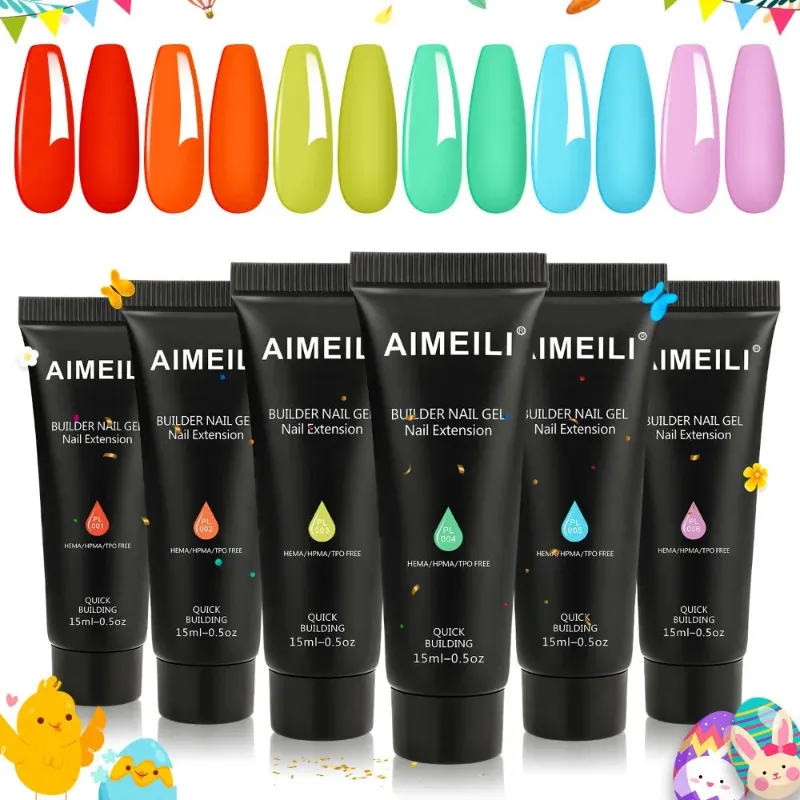
If you’re using builder gel nails for added strength or length, apply in thin layers and cure between each. Builder gel is thicker than regular polish and needs more attention to avoid soft spots. The UV gel glue technique for press-on tips also requires full curing to bond properly.
When to Use Nail Glue vs. Gel Polish Alone
Nail glue and gel polish serve different purposes, and knowing when to use each prevents confusion and lifting.
| Product | Best For | Cure Required |
|---|---|---|
| Nail Glue | Press-on nails, nail tip adhesion, emergency repairs | No (air-dry) |
| UV Gel Glue | Semi-permanent press-ons, tip extensions | Yes (UV/LED lamp) |
| Gel Polish | Color and shine on natural or extended nails | Yes (UV/LED lamp) |
Traditional nail glue is a cyanoacrylate adhesive that air-dries in seconds, perfect for quick press-on application or repairing a cracked natural nail. UV gel glue (also called solid gel glue) cures under a lamp and creates a flexible, long-lasting bond for press-on extensions. Mastering gel nail glue application requires practice, but it delivers salon-quality wear at home.
If you’re applying a glue gel manicure over natural nails, you’ll use regular gel base coat and polish, not nail glue. Save the glue for extensions or repairs. Some DIY kits marketed as “glue on nails kit” bundles include both adhesive and gel polish, read the instructions to know which product goes where.
Aftercare to Stop Lifting Before It Starts
Your manicure doesn’t end when the lamp turns off. Daily habits make or break wear time.
- Wear gloves for wet work: Washing dishes, cleaning, or gardening without gloves allows water to seep under the gel and weaken the bond.
- Hydrate cuticles, not the polish: Apply nail cuticle oil to the skin around your nails, not on the gel surface, once or twice daily. Healthy cuticles reduce lifting at the base.
- Avoid picking or peeling: If you notice a small lift, repair it immediately with glue or a top coat refresh. Picking makes it worse and damages your natural nail.
- Refresh your top coat mid-week: A thin layer of top coat at day seven re-seals edges and adds a few extra days of wear.
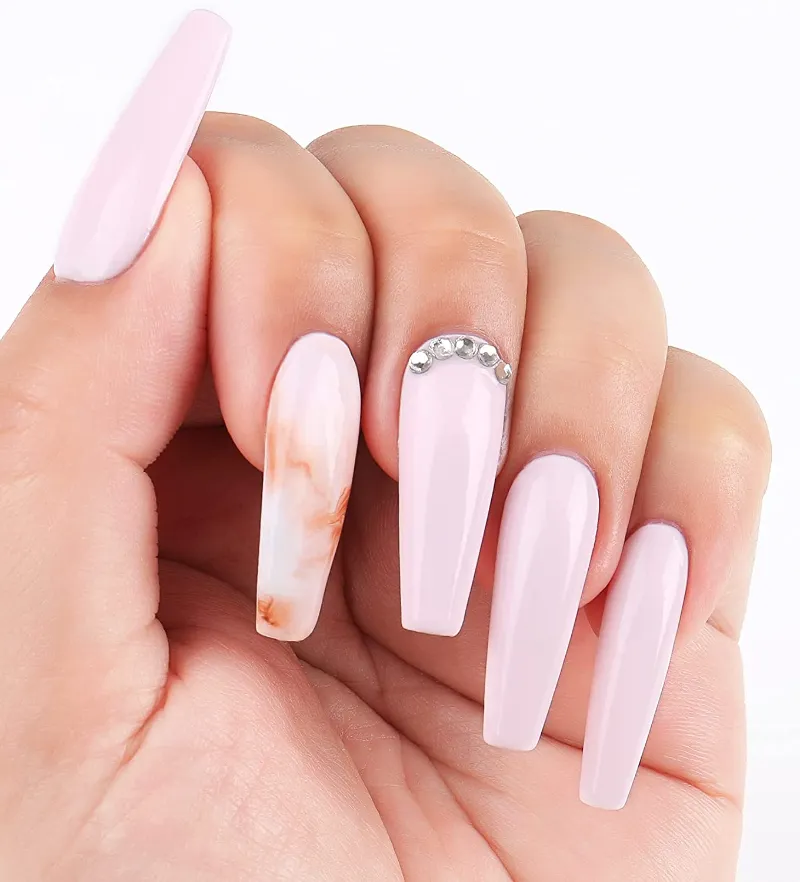
We also recommend rotating your nail polish colors seasonally. Lighter shades like light pink nail polish or spring nail colors show fewer chips and wear lines than deep tones like burgundy nail polish or matte nail polish, though all perform equally well with proper prep.
Check current pricing and our exclusive code to stock up on base coats, top coats, and the full range of gel colors. With the right products and technique, lifting becomes rare and your manicures consistently last two weeks or longer.
Should You Switch Products or Technique?
If you’ve tried every fix and still see lifting within three to five days, the issue may be product compatibility or your natural nail type.
- Oily or flexible nails: Some people produce more natural oil or have nails that bend easily. A dedicated primer or dehydrator (applied before base coat) and a flexible base coat designed for “problem nails” can help.
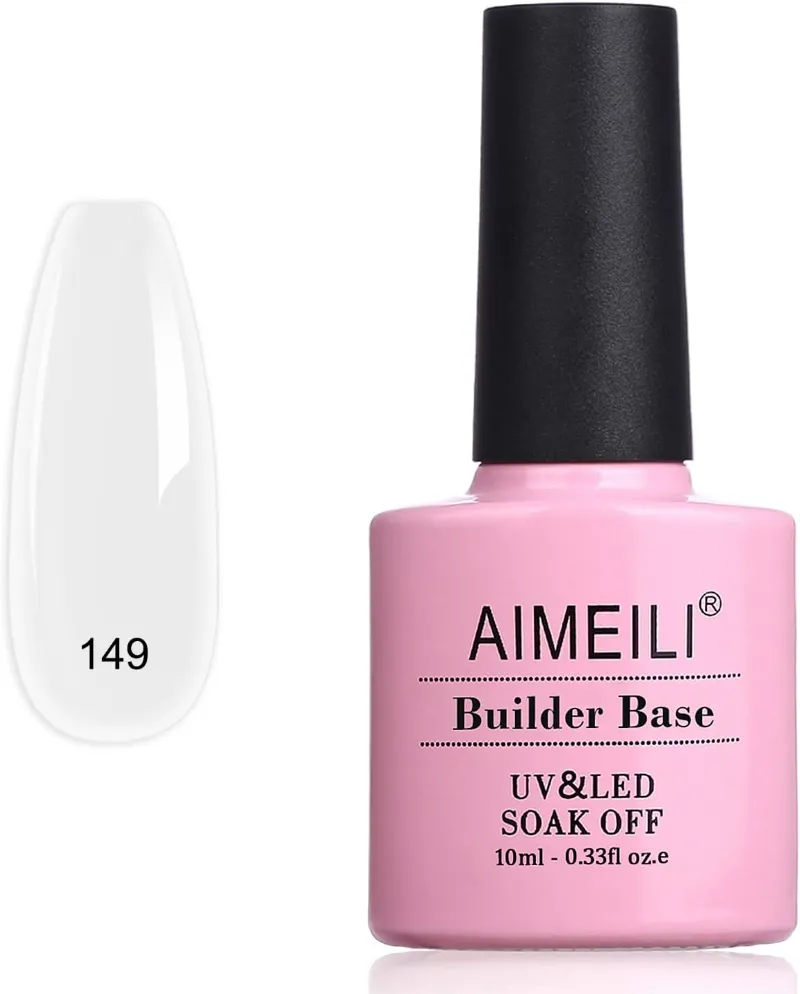
- Base coat matters: Not all base coats bond equally. If you’re using a budget base, upgrade to a rubber or bond-promoting formula. We’ve seen dramatic improvements in wear time with this one change.
- Lamp quality: Weak or aging UV/LED lamps under-cure polish. If your lamp is several years old or came with a very cheap kit, consider replacing it.
Manicurists recommend against no-cure glue for long-term wear because it doesn’t bond to the nail plate the way UV gel does. If you want salon durability at home, invest in a proper gel system and lamp rather than relying on adhesive alone.
Finally, technique beats products every time. We’ve worn $8 gel polish for 14 days with perfect prep, and seen $30 bottles lift in two days when applied over oily nails. Master the prep steps, cure fully, and keep your cuticles hydrated but your nail plates dry, and you’ll rarely see lifting again.
Questions
Can I use regular nail glue to fix a lifting gel manicure?
Yes, a small drop of nail glue under the lifted edge can temporarily bond it back down. Clean the area with alcohol first, apply glue, press firmly, and seal with gel top coat cured under your lamp for a longer-lasting repair.
Why does my gel polish lift only around the cuticles?
Gel that touches living cuticle tissue or skin lifts as those cells naturally shed. Always leave a 1 to 2 mm margin around the cuticle and sidewalls when applying base coat and color to prevent this type of lifting.
How long should a properly applied gel manicure last without lifting?
With correct nail prep, thin application layers, and full curing, a gel manicure typically lasts 10 to 14 days without lifting or chipping. Oily nail types or frequent water exposure may reduce wear time to 7 to 10 days.
Do I need a separate product for a glue gel manicure?
A glue gel manicure uses standard gel polish applied over natural nails, not nail glue. Nail glue is only for press-on nails or repairs. For gel color on natural nails, you need base coat, gel polish, and top coat cured under a UV or LED lamp.
What's the difference between UV gel glue and regular gel polish?
UV gel glue is a thick adhesive gel used to bond press-on nail tips or extensions and requires lamp curing. Regular gel polish is a color coating applied over natural or extended nails. Both cure under UV or LED light, but serve different purposes.
Should I apply cuticle oil before or after my gel manicure?
Always apply cuticle oil after your gel manicure is fully cured and finished. Oil or moisture on the nail plate before application prevents proper adhesion and causes early lifting. Save hydration for aftercare, not prep.
Products in this guide
 Shopping at Aimeili Gel Polish? See the discount code
10% OFF All Orders
Shopping at Aimeili Gel Polish? See the discount code
10% OFF All Orders
More in this series
 Does Aimeili Matte Nail Polish Chip Easily?15 Aug 20264 minDo Nail Forms Work Better Than Tips for Gel Extensions?15 Aug 20265 minHow Often Should You Apply Cuticle Oil for Healthy Nails?15 Aug 20264 minAimeili Polygel vs Builder Gel: Which Is Better for DIY Nails?15 Aug 20265 minHow to Apply Builder Gel for Long-Lasting Nail Extensions at Home15 Aug 20266 min