 A Aimeili Gel Polish guide
Aimeili Polygel vs Builder Gel: Which Is Better for DIY Nails?
Builder gel nails and polygel both promise salon-quality results at home, but they differ in texture, application method, and durability.
Builder gel nails and polygel are both designed to strengthen natural nails and create extensions, but they work differently. Builder gel is a thicker gel polish that self-levels and cures under UV or LED light, while polygel is a hybrid putty that you sculpt with a brush and slip solution before curing.
What Builder Gel Nails Actually Are
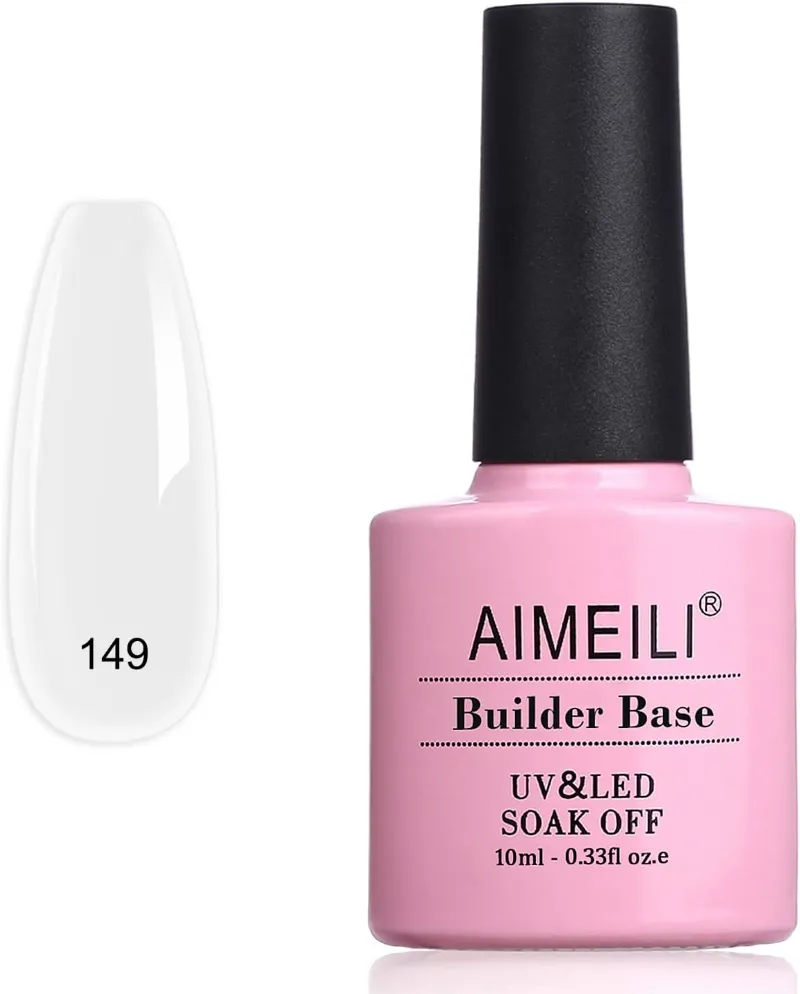
Builder gel is a viscous, self-leveling gel that adds structure and length to natural nails without the sculpting required by acrylics or polygel. You apply it in thin layers directly to the nail plate or over a form, then cure each layer under a lamp. Builder gel nails from Aimeili bond directly to the natural nail, creating a flexible yet durable overlay that moves with your nail as it grows.
Unlike regular gel polish, builder gel has a thicker consistency that fills in ridges and provides the structural integrity needed for extensions or apex reinforcement. Many nail techs and DIY enthusiasts prefer it because it requires fewer tools than polygel and produces a glossy, natural finish without excessive filing. The formula is also soak-off, so removal is gentler on your natural nails than traditional hard gel.
For a deeper dive into what builder gel really is and common misconceptions, this expert breakdown clarifies the technical differences.
How Polygel Nails Differ from Builder Gel
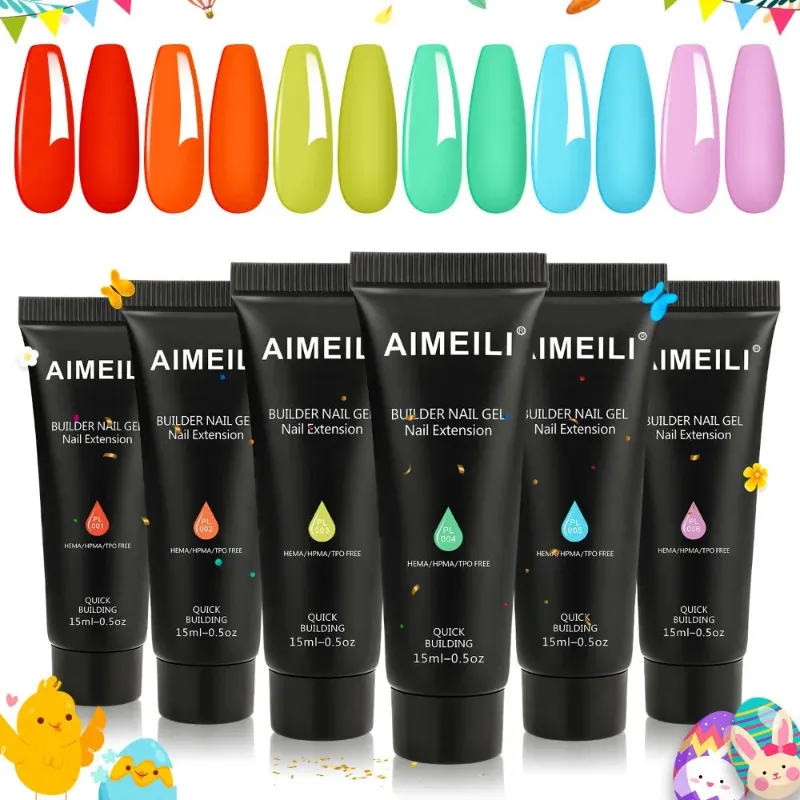
Polygel nails combine the best of acrylic and gel: they’re lightweight like gel but moldable like acrylic. The formula comes as a thick putty that you pick up with a nail brush, shape with slip solution or alcohol, then press onto the nail before curing. This sculpting process gives you more control over the shape and apex placement, which is ideal for longer extensions or dramatic designs.
The main trade-off is the learning curve. Polygel doesn’t self-level, so you need to manually shape and smooth the product before curing. If you’re new to nail enhancements, polygel can feel intimidating because mistakes are harder to fix mid-application. However, once you master the technique, polygel allows for intricate builder gel nails designs and custom shapes that builder gel can’t achieve as easily.
Polygel also tends to be lighter on the nail, which some people find more comfortable for long wear. Both formulas are available at professional retailers like Cosmoprof, but Aimeili’s at-home kits bring salon-grade results within reach for DIYers.
Builder Gel Nails vs Regular Gel: Key Differences
Regular gel polish is thin and designed purely for color, while builder gel adds structural support. If you’ve ever wondered about builder gel nails vs regular gel, the distinction comes down to viscosity and purpose. Regular gel requires a base coat for adhesion and won’t add length or strength on its own. Builder gel, by contrast, acts as both base and reinforcement, making it the go-to choice for overlays, repairs, or short extensions.
Builder gel nails vs acrylic is another common comparison. Acrylic is harder and more rigid, with a strong chemical smell during application. Builder gel is odorless, more flexible, and generally easier on natural nails. Acrylic excels for extreme length and durability, but builder gel wins for a more natural feel and simpler at-home application.
When comparing wear time, builder gel nails how long do they last depends on your prep and lifestyle. With proper application and a quality top coat, builder gel typically lasts two to three weeks before needing a fill or removal. Polygel has a similar lifespan but may chip less at the free edge if you work with your hands frequently.
Step-by-Step: How to Use Builder Gel on Natural Nails
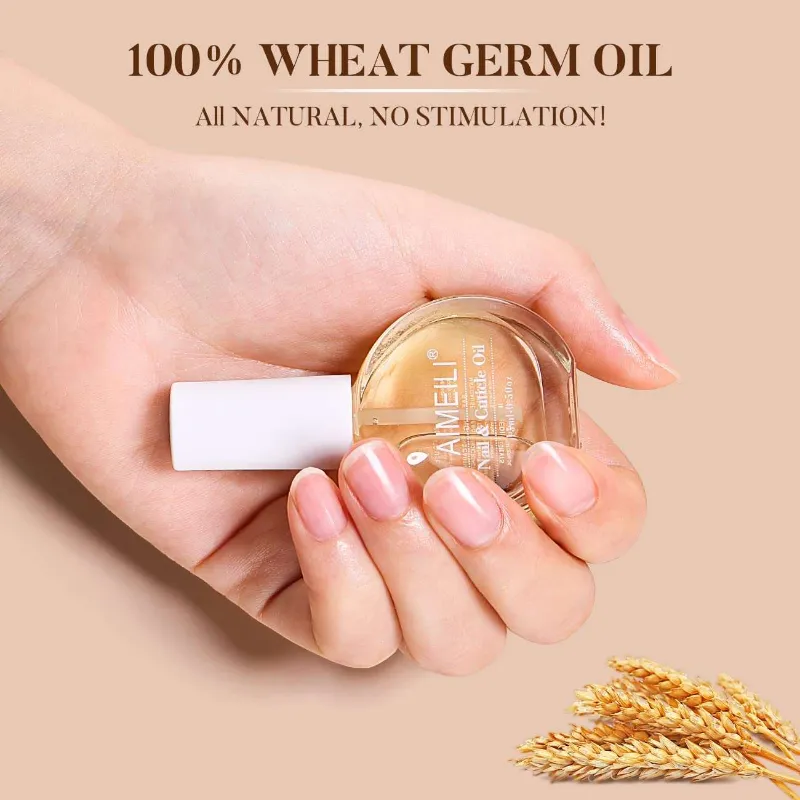
Applying builder gel is straightforward once you understand the layering process. Start by prepping your nails: push back cuticles with cuticle oil, lightly buff the surface to remove shine, and wipe with alcohol or a nail cleanser to remove oils.
- Apply a thin base layer of builder gel to the entire nail, capping the free edge. Cure under your LED or UV lamp according to the product instructions (usually 30 to 60 seconds).
- Build the apex with a thicker bead of builder gel in the center of the nail. Use your brush to gently spread it toward the cuticle and tip, letting the gel self-level. This creates the structural dome that strengthens the nail.
- Cure the second layer fully, then apply a third layer if you want extra thickness or length.
- Finish with a topcoat or leave the builder gel as-is for a natural, glossy look. If you want color, you can paint nail polish colors over the cured builder gel or mix in shades like light pink nail polish or burgundy nail polish for a tinted overlay.
- Cleanse any tacky residue with alcohol, then nourish cuticles with nail cuticle oil.
For polygel, the process involves sculpting the putty on a dual form or directly on the nail with slip solution, which takes more practice but offers greater shape control.
Which Formula Works Best for Your Nail Goals
Choose builder gel if:
- You want a quick, self-leveling application with minimal tools
- You’re reinforcing natural nails or adding subtle length (under 1 cm)
- You prefer a glossy, natural finish without heavy filing
- You’re new to DIY nail enhancements
Choose polygel if:
- You’re comfortable sculpting and shaping product manually
- You want longer extensions or dramatic custom shapes
- You need a lightweight formula for extended wear
- You enjoy experimenting with builder gel nails designs and intricate art
Both formulas work beautifully for overlays and strengthening weak nails. If you frequently search for builder gel nails near me or browse builder gel nails inspo on social media, you’ll notice that salons often use builder gel for natural-looking enhancements and polygel for bold, sculpted sets.
Where to Buy and Save on Aimeili Products
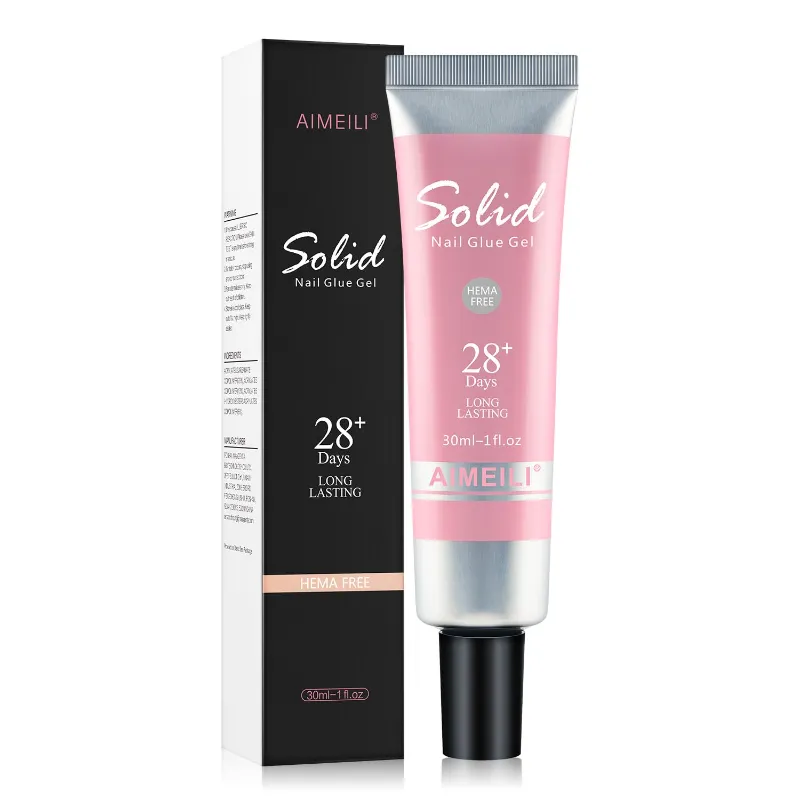
Aimeili offers both builder gel and polygel kits designed for at-home use, complete with brushes, slip solution, and detailed instructions. To get the best price on your first order, grab the code for 10% off all products. The current discount applies to individual items like nail glue for quick repairs, matte nail polish for trendy finishes, and seasonal shades like spring nail colors.
You can also bundle builder gel with a nail oil to keep your cuticles healthy between applications. Proper aftercare extends the life of any enhancement, so moisturizing daily is non-negotiable.
For builder gel nails before and after transformations, consistent application technique matters more than the formula you choose. Start with builder gel to master the basics, then experiment with polygel once you’re comfortable with curing times and product consistency. Either way, check the latest price before you buy to make sure you’re getting the best deal on your DIY nail setup.
Both formulas deliver salon-quality results when paired with proper prep and patience. If you’re still deciding, consider ordering a small builder gel kit first since it has the gentler learning curve, then add polygel to your collection once you’ve built confidence.
Questions
Can I use builder gel and polygel together on the same nails?
Yes, many nail techs use builder gel as a base layer for strength and then apply polygel on top for sculpting extensions. This hybrid approach combines the self-leveling benefits of builder gel with the moldability of polygel.
How long do builder gel nails last compared to polygel?
Both typically last two to three weeks with proper application. Builder gel may show grow-out faster on longer nails, while polygel tends to resist chipping at the tips slightly better during heavy use.
Do I need a slip solution for builder gel or just polygel?
Slip solution is only required for polygel to prevent sticking during sculpting. Builder gel is self-leveling and doesn't need slip solution, though you can dampen your brush with alcohol if it starts to drag.
Can I apply regular nail polish over builder gel?
Absolutely. Once your builder gel layer is fully cured and cleansed, you can apply any regular or gel nail polish on top. This lets you change colors without removing the structural base.
Is polygel harder to remove than builder gel?
Both are soak-off formulas, so removal time is similar. Polygel may take slightly longer to break down because it's denser, but wrapping nails in acetone-soaked cotton for 10 to 15 minutes works for both.
Which is better for weak or damaged nails?
Builder gel is gentler for weak nails because it's thinner and more flexible, reducing stress on the nail plate. Polygel works well too, but the filing required during application can be harsh if your nails are already compromised.
Products in this guide
 Shopping at Aimeili Gel Polish? See the discount code
10% OFF All Orders
Shopping at Aimeili Gel Polish? See the discount code
10% OFF All Orders
More in this series
 Does Aimeili Matte Nail Polish Chip Easily?15 Aug 20264 minWhat to Do When Your Gel Manicure Lifts After a Few Days15 Aug 20266 minDo Nail Forms Work Better Than Tips for Gel Extensions?15 Aug 20265 minHow Often Should You Apply Cuticle Oil for Healthy Nails?15 Aug 20264 minHow to Apply Builder Gel for Long-Lasting Nail Extensions at Home15 Aug 20266 min