 A Daysyore guide
Ford 6.7 Crankcase Filter Delete vs. Stock Setup: What You Need to Know
A ford 6.7 crankcase filter delete removes the factory CCV filter entirely, rerouting crankcase vapors directly to the intake without a filter element.
A ford 6.7 crankcase filter delete removes the factory CCV (crankcase ventilation) filter entirely, rerouting crankcase vapors directly to the intake without a filter element. This upgrade has become popular among 6.7L Powerstroke owners looking to reduce maintenance burden and improve engine reliability. We’ll walk you through what a crankcase delete actually does, how it stacks up against the stock setup, and whether it’s the right move for your truck.
What a Ford 6.7 Crankcase Filter Delete Does
The stock 6.7 Powerstroke relies on a crankcase ventilation system that traps blow-by vapors and routes them back into the engine. The factory filter sits between the crankcase and the intake manifold, catching oil mist and contaminants. Over time, this filter clogs, restricting airflow and forcing your engine to work harder.
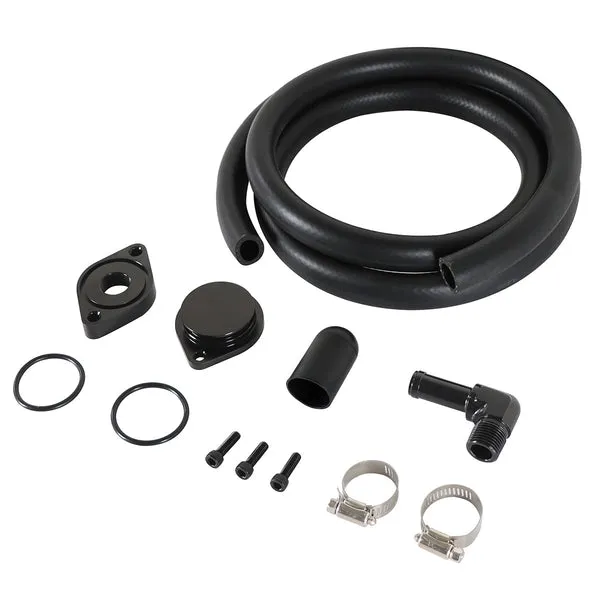
A ford 6.7 crankcase filter delete eliminates this filter entirely. Instead of filtering vapors, the system vents them directly back to the intake, keeping backpressure low and eliminating the clogging problem. No filter means no maintenance interval, no replacement cost, and no risk of a blocked CCV line starving your engine of proper ventilation.
This approach mirrors what owners of other heavy-duty engines have done for years. The 6.7 powerstroke ccv reroute and 6.7 powerstroke egr delete are related modifications aimed at the same goal: streamlining the engine and reducing parasitic wear.
Stock Setup vs. Ford 6.7 Crankcase Filter Delete
| Feature | Stock Crankcase System | Ford 6.7 Crankcase Filter Delete |
|---|---|---|
| Filter Replacement | Every 50k, 80k miles | None required |
| Backpressure | Higher when filter clogs | Consistently low |
| Maintenance Cost | Annual or every service | Minimal |
| Risk of CCV Blockage | Moderate to high | Eliminated |
| Oil Mist to Intake | Filtered | Unfiltered |
| Installation Complexity | Factory setup | Moderate DIY or professional |
The stock system works, but it’s a ticking clock. Most owners find their factory CCV filter becomes problematic between 60k and 100k miles, especially if you’re towing or running higher boost levels. A clogged crankcase filter increases intake manifold pressure and forces the engine to compensate, hurting fuel economy and response.
The delete approach trades the nuisance of filter maintenance for continuous, unfettered ventilation. Check the latest price on kits and see our current offer while you’re planning the upgrade.
Ford 6.7 Crankcase Filter Upgrade vs. Delete Kit Options
If you’re set on addressing your crankcase ventilation, you have a few paths. Some owners choose a ford 6.7 crankcase filter upgrade with a higher-flow OEM-style filter or aftermarket cartridge that lasts longer and moves more air. Others go full delete.
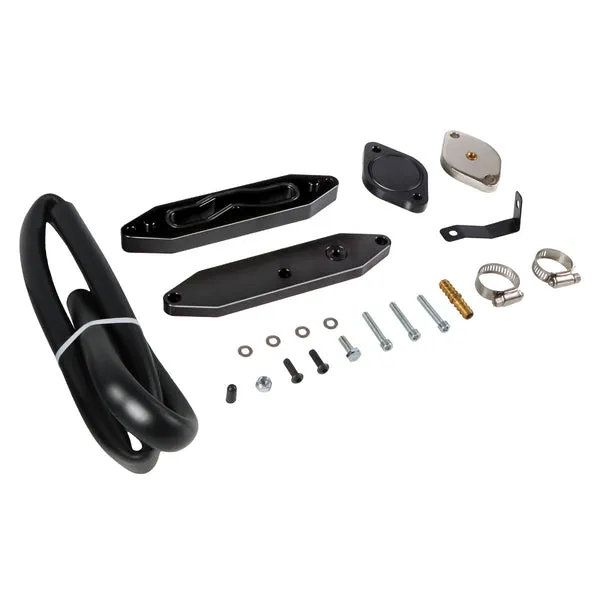
For Powerstroke owners, related options include the egr delete kit 6.7 powerstroke and lml egr delete kit, which target exhaust gas recirculation separately. The lbz egr delete follows a similar philosophy of eliminating a maintenance-prone emissions component.
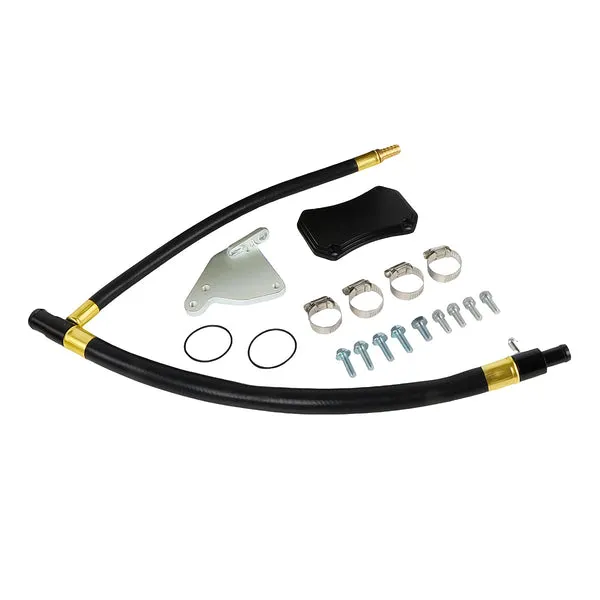
The delete kit route is simpler and cheaper upfront. You’re eliminating a part, not replacing it. Most ford 6.7 ccv delete kit options consist of a bypass block, new hoses, and clamps. Installation typically takes 1 to 2 hours with basic hand tools.
Installation and Compatibility
A ford 6.7 crankcase filter delete works on 2011 to 2019 Ford 6.7L Powerstroke trucks, though fitment varies slightly depending on engine bay layout and whether you’ve modified intake piping. The ccv delete concept applies across the board, but kit quality and hose routing differ.
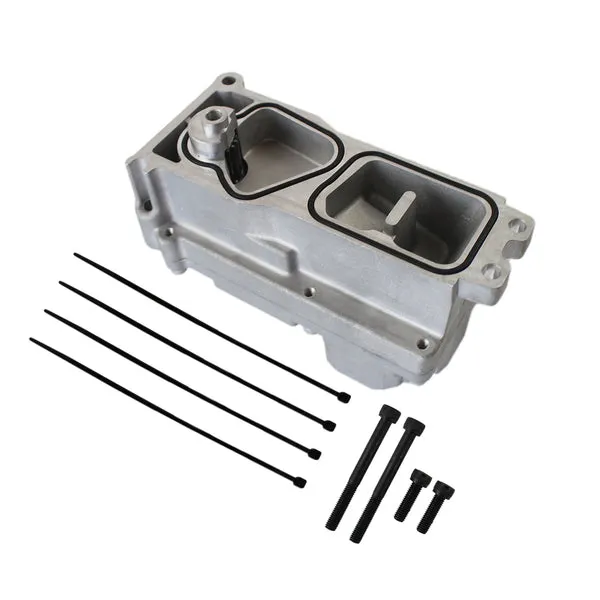
Before you buy, confirm your truck year and any prior modifications. A stock intake manifold takes a standard delete kit. If you’re running aftermarket intake piping, an r8481772aa or equivalent OEM connector may be needed to integrate the new system cleanly.
Disconnect the battery, drain residual coolant if lines are in the way, and unbolt the factory filter housing and bracket. Route new hose from the crankcase vent port to a point downstream of your turbo or directly to the intake manifold, depending on the kit design. Seal all connections with clamps and verify no vacuum leaks before starting the engine.
Real Benefits and Trade-Offs
The biggest wins are freedom from maintenance and restored crankcase breathing. You’ll feel slightly sharper throttle response, especially during acceleration and towing, because the engine isn’t fighting a partially blocked vent line. Fuel economy often improves by a few percentage points.
The trade-off is that unfiltered oil vapor goes straight back into the intake. Over years of hard use, this can accelerate carbon buildup inside your intake valves and throttle body. You’re exchanging external filter maintenance for internal cleaning later. Most owners find this worthwhile, especially if they service their engine regularly or plan to keep the truck long-term.
According to community discussion on 6.7L ccv delete pros and cons, reliability remains solid as long as your oil is clean and your PCV system functions correctly.
When a Ford 6.7 Crankcase Filter Delete Makes Sense
You’re a good candidate if you tow frequently, drive aggressively, or your truck already shows signs of a clogged CCV filter: reduced boost response, rough idle, or visible oil coating inside the intake. You’re also ideal if you plan to own the truck for 5+ years and can handle periodic valve cleaning.
Skip the delete if you prefer zero modifications to emissions-related systems, rarely service your engine yourself, or plan to sell the truck soon. Potential buyers may view it as a red flag, even if it’s done correctly.
For related insight on similar delete options, see Best CCV Delete Kit and 6.7 ccv reroute pros and cons to weigh your choices against what other owners have found effective.
Getting Started
Ready to move forward? Grab the code to unlock 7% off your entire order at Daysyore, including crankcase delete kits and related components. Whether you go with the ford 6.7 crankcase filter delete or explore other ventilation upgrades, you’ll save on parts and have everything shipped quickly.
Compare kits, read reviews from buyers, and confirm fitment for your specific truck year before checkout. A ford 6.7 crankcase filter delete is one of the smartest maintenance-saving mods you can make on a late-model Powerstroke.
Questions
How often do I need to replace a ford 6.7 crankcase filter?
A stock crankcase filter typically requires replacement every 50k to 80k miles, or during major service intervals. With a ford 6.7 crankcase filter delete, you eliminate this maintenance entirely since there is no filter element.
What is the difference between a CCV delete and a CCV reroute?
A delete removes the filter completely and vents directly to the intake, while a reroute relocates the filter to a cleaner location or upgrades it to a high-flow version. A delete is more extreme but requires less ongoing maintenance than a reroute with a traditional filter.
Can I install a ford 6.7 crankcase filter delete myself?
Yes, most delete kits are DIY-friendly and take 1 to 2 hours with basic hand tools. Disconnect the battery, remove the factory filter housing, and install the new bypass block and hoses. If you're unsure about routing or connections, a professional shop can handle it in under an hour.
Will a crankcase delete hurt my engine?
No, when done correctly, a delete actually helps your engine by reducing backpressure and preventing filter clogs. The trade-off is that unfiltered oil vapor goes into the intake, which can increase internal carbon over time. Regular oil changes and valve cleaning mitigate this.
Does a ford 6.7 crankcase filter delete void my warranty?
It depends on your truck's age and Ford's warranty terms. Older trucks out of factory warranty are not affected. Newer trucks under warranty may have issues if the delete is directly linked to a failure; dealer discretion applies.
What is an egr delete kit and how does it relate to a crankcase delete?
An egr delete kit removes the exhaust gas recirculation system, while a crankcase delete targets the CCV system. Both are separate modifications that improve engine breathing and reduce maintenance, but they address different systems.
Products in this guide
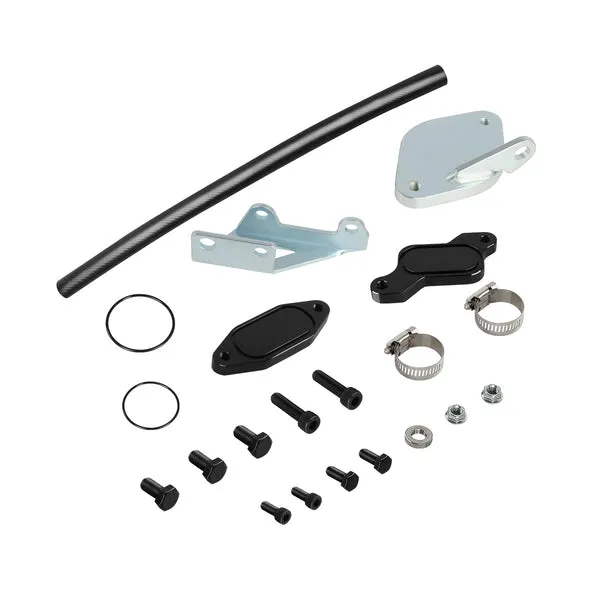 Shopping at Daysyore? See the discount code
7% OFF All Orders
Shopping at Daysyore? See the discount code
7% OFF All Orders
More in this series
 Audi V8 Timing Chain Failure Signs: When to Replace Before Damage Occurs29 Aug 20265 min
 Why Catalytic Converter Theft Targets 2010 Honda CRVs and 2003 Toyota Corollas29 Aug 20263 minEGR Delete Kit Maintenance: Keeping Your LBZ or LML Engine Healthy29 Aug 20266 minHow to Install a CCV Delete Kit on Your 6.7 Powerstroke29 Aug 20263 minDoes a 6.7 Powerstroke EGR Delete Kit Improve Performance and Fuel Economy?29 Aug 20264 min