 A Daysyore guide
EGR Delete Kit Maintenance: Keeping Your LBZ or LML Engine Healthy
An lml egr delete kit removes restrictive factory emissions systems, but proper maintenance keeps your engine running strong for years.
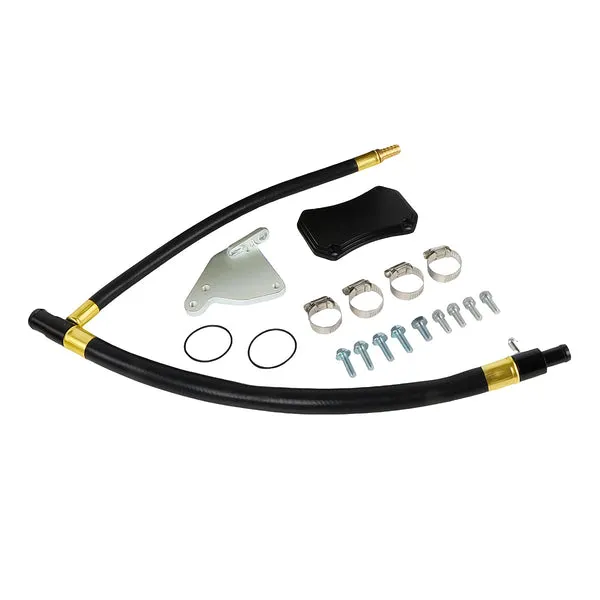
An lml egr delete kit removes restrictive factory emissions systems, but proper maintenance keeps your engine running strong for years. On an LBZ or LML Duramax alike, the kit components need regular attention to avoid carbon buildup, boost leaks, and engine stress.
What Your LML EGR Delete Kit Does (and Why It Needs Care)
The lml egr delete kit bypasses the exhaust gas recirculation system that routes hot exhaust back into the intake. This cuts heat, reduces carbon deposits, and improves airflow. But removing that system means your intake valve areas and combustion chambers now receive no EGR cooling, and crankcase vapors flow differently. That’s why maintenance matters more than on factory engines.
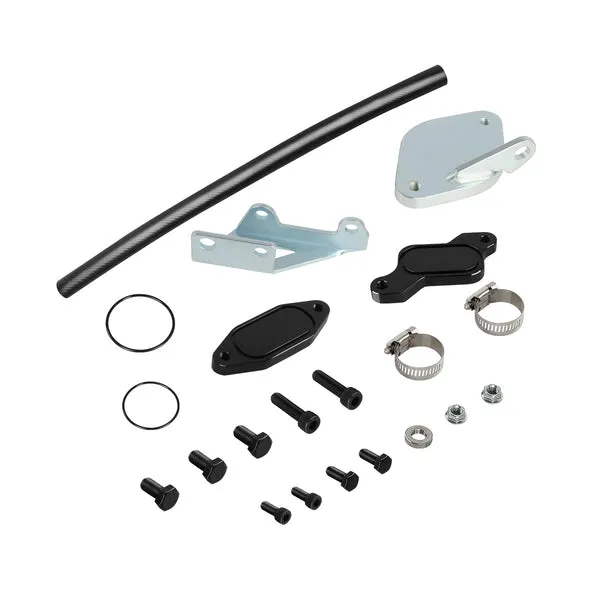
An lbz egr delete works the same way on 2006-2007 LBZ trucks. Both kits redirect CCV (crankcase ventilation) and intake flow, which is why pairing your lml egr delete kit with a ccv delete or 6.7 powerstroke ccv reroute system keeps the whole setup balanced. Neglect either part and you risk oil vapor in the intake or carbon coating your valves.
Inspection Schedule: When and How to Check Your System
Inspect your lml egr delete kit at 25,000-mile intervals or annually, whichever comes first. Here’s what to look for:
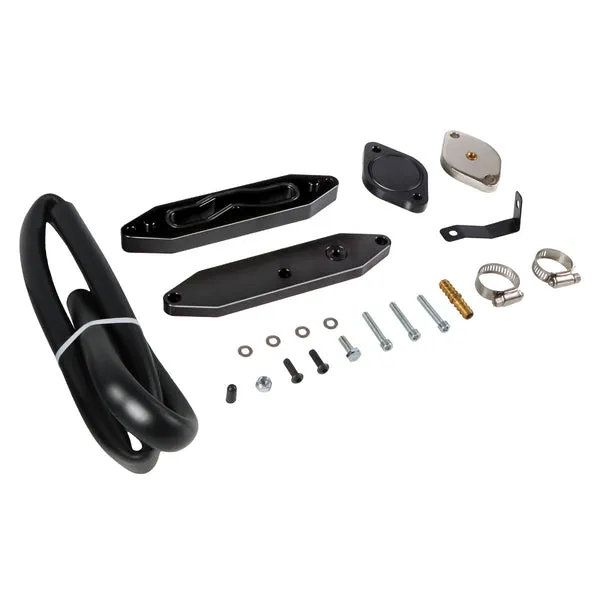
- Vacuum lines and boost tubes: Look for cracks, loose clamps, or discoloration. Heat and oil mist degrade rubber fast. Replace any lines showing age or damage immediately.
- Intake valve carbon: Remove the intake manifold (or use a borescope if you have one) and check for heavy carbon buildup on the back of the intake valves. Light tan coating is normal; thick black crusty buildup signals a maintenance problem.
- Gasket and seal integrity: Check where the kit connects to the intake manifold and where your 6.7 powerstroke egr delete block-off plate sits. Boost leaks here will drop power and load the engine harder.
- CCV flow path: If you have a 6.7 powerstroke ccv reroute, confirm the hose runs clear and isn’t collapsed or kinked. Oil pooling in low spots means vapor isn’t flowing properly.
Check for oil residue around intake connections. Some oil mist is normal from the CCV system, but pooling oil means you need a catch can or your CCV reroute needs adjustment.
Cleaning Your LML EGR Delete Kit Components
Carbon and oil buildup on an lml egr delete kit happens faster than on stock engines because you’ve removed the EGR cooling effect. Clean every 40,000 to 60,000 miles or as inspection reveals buildup.
Intake valve cleaning:
- Remove the intake manifold to access the valves directly.
- Use a soft brass brush and quality carburetor cleaner to gently scrub carbon off the valve heads and ports. Do not use wire wheels or harsh solvents that pit metal.
- For severe buildup, soak valves in hot carburetor cleaner for 20 minutes first, then brush.
- Rinse thoroughly with clean cleaner and dry with compressed air.
- Inspect the valve stem seals while you have the manifold off; replace them if they’re cracked or weeping oil.
Intake manifold internal cleaning:
- Spray carburetor cleaner through the intake ports and around the EGR block-off area to remove loose carbon.
- Let it soak briefly, then wipe clean with lint-free rags.
- Do not force anything through narrow passages; let solvent do the work.
Hose and clamp inspection:
- Remove boost and vacuum lines one at a time.
- Rinse the inside of each hose with carburetor cleaner to clear any oil or carbon debris.
- Inspect the inside for cracks or splits using a flashlight.
- Reinstall with fresh clamps, tightened snug but not over-torqued (usually 25-35 inch-pounds on standard clamps).
Always reinstall gaskets new after removal. Reused gaskets leak under boost pressure.
Oil Changes and Crankcase Ventilation
Your lml egr delete kit changes how crankcase vapors flow, which changes how much oil mist reaches your intake. This is why oil quality and change intervals matter more than they do on factory trucks.
- Change oil every 5,000 miles if you’re running the delete without a high-quality catch can. The CCV system pulls more oil vapor than factory, and that vapor dilutes your oil faster.
- Use a catch can with your ccv delete or 6.7 powerstroke ccv reroute to trap oil mist before it reaches the intake. Empty it every 5,000 miles or sooner if it fills faster.
- Run quality full-synthetic oil (Mobil 1, Amsoil, or equivalent) to handle the extra heat and oil vapor exposure. Synthetic tolerates higher temps and resists sludge better than conventional.
- Check your oil level weekly. A delete system that’s pulling extra vapor may drop oil levels faster than you expect.
Boost Leak Testing and Air Tightness
A common maintenance issue after installing an lml egr delete kit is boost leaks. Your intake now sees higher positive pressure (especially on tuned trucks), and any small gap lets boost escape.
Pressure-test your intake quarterly:
- Bolt a shop air tester or compressor regulator to the intake opening.
- Set pressure to 10 PSI (not the engine running boost).
- Use soapy water to spray around all intake seams, gaskets, manifold bolts, and hose connections.
- Any bubble means a leak. Tighten bolts or replace the gasket.
- For hose leaks, clip off the damaged section (if the hose is long enough) and reconnect with fresh clamps.
Leaks load your engine harder and create unmetered air that throws off your tune. Catch them early.
Comparing Delete Kit Options by Engine
Different engines need different approaches to maintenance. Here’s how lml egr delete kit care compares across common platforms:
| Engine | Kit Type | Maintenance Focus | Interval |
|---|---|---|---|
| LML Duramax (2011-2016) | lml egr delete kit | Intake valve carbon, boost leaks, CCV flow | 25,000 mi / 1 yr |
| LBZ Duramax (2006-2007) | lbz egr delete | Intake carbon, vacuum line degradation | 25,000 mi / 1 yr |
| 6.7L Powerstroke (2011+) | egr delete kit 6.7 powerstroke with 6.7 powerstroke ccv reroute | CCV reroute function, oil vapor trapping | 20,000 mi / 1 yr |
| Other platforms | ford 6.7 crankcase filter delete or equivalent | Crankcase pressure control, filter access | 30,000 mi / 1 yr |
LML and LBZ trucks benefit most from aggressive valve cleaning because the delete removes EGR cooling. Powerstroke trucks with a 6.7 powerstroke egr delete also need tight CCV management to prevent oil flooding the intake.
When to Call in a Pro
Some maintenance you can handle in your driveway; some needs shop equipment. Replace yourself if you’re confident: gaskets, clamps, hose sections, and boost test procedures. Bring it to a shop if you notice:
- Persistent white or blue smoke from the exhaust after installing your lml egr delete kit. This often means oil is entering the combustion chamber faster than normal, and a professional can diagnose whether it’s valve seal wear, a CCV reroute problem, or a tuning issue.
- Rough idle or hesitation after cleaning. A scanner and dyno tune check are worth the cost to confirm your tune is still right.
- Knocking or pinging even on good fuel. Your engine might need a retune if the lml egr delete kit is running too lean or hot.
For detailed lml egr delete kit install and tuning guidance, check out the Write Up: SDP LML EGR Delete thread and the LML EGR Delete Kit Buyer’s Guide: Everything 2011-2016 which cover both factory delete steps and long-term care considerations.
Summary: The Maintenance Checklist
Keep your lml egr delete kit healthy with this simple routine:
- Every 5,000 miles: Change oil, empty catch can if fitted, check oil level.
- Every 25,000 miles or annually: Inspect hoses, clamps, boost tubes, and gaskets for damage or oil pooling.
- Every 40,000-60,000 miles or as needed: Clean intake valves, manifold, and hoses if carbon or oil buildup appears.
- Quarterly: Pressure-test intake for boost leaks at 10 PSI.
Ready to install or upgrade your delete system? Grab the code at Daysyore for 7% off all orders, including lml egr delete kit options, ccv delete components, and supporting parts like the 6.7 powerstroke ccv reroute.
Questions
How often should I clean the intake valves on my lml egr delete kit?
We recommend cleaning every 40,000 to 60,000 miles, or sooner if inspection reveals heavy carbon buildup. Trucks without EGR cooling accumulate carbon faster than stock engines, so don't skip this step.
Do I need a catch can with my lml egr delete kit?
A catch can is not required but is highly recommended. It traps oil vapor before it enters the intake, extending valve life and reducing carbon buildup. If you skip it, plan on more frequent valve cleaning.
What's the difference between an lbz egr delete and an lml egr delete kit?
The main difference is fitment and OEM part compatibility. The LBZ delete is for 2006-2007 trucks, while the lml egr delete kit is for 2011-2016 LML engines. Both remove the EGR system, but hose routing and mounting points differ.
How do I know if my boost tubes are leaking?
Pressure-test your intake to 10 PSI and spray soapy water around all hose connections and manifold seams. Any bubbles indicate a leak. You may also notice a power loss or air hissing under acceleration.
Should I change my oil more often after installing an lml egr delete kit?
Yes. Plan on 5,000-mile intervals instead of the standard 7,500 to 10,000 miles, because the CCV system pulls more oil vapor into the engine. Synthetic oil handles this better than conventional.
Can I reuse gaskets when I remove my intake manifold for cleaning?
No. Always install new gaskets after removal. Reused gaskets will leak under boost pressure, causing performance loss and potential damage.
Products in this guide
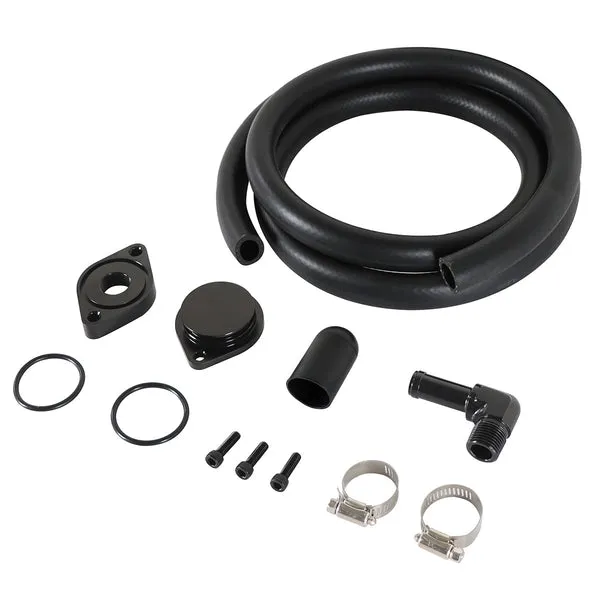 Shopping at Daysyore? See the discount code
7% OFF All Orders
Shopping at Daysyore? See the discount code
7% OFF All Orders
More in this series
 Audi V8 Timing Chain Failure Signs: When to Replace Before Damage Occurs29 Aug 20265 min
 Why Catalytic Converter Theft Targets 2010 Honda CRVs and 2003 Toyota Corollas29 Aug 20263 minHow to Install a CCV Delete Kit on Your 6.7 Powerstroke29 Aug 20263 minFord 6.7 Crankcase Filter Delete vs. Stock Setup: What You Need to Know29 Aug 20264 minDoes a 6.7 Powerstroke EGR Delete Kit Improve Performance and Fuel Economy?29 Aug 20264 min