 A Daysyore guide
Why Catalytic Converter Theft Targets 2010 Honda CRVs and 2003 Toyota Corollas
The 2010 Honda CRV catalytic converter is one of the most stolen vehicle parts in North America because of its high precious metal content and easy accessibility underneath the vehicle.
The 2010 Honda CRV catalytic converter is one of the most stolen vehicle parts in North America because of its high precious metal content and easy accessibility underneath the vehicle. Thieves can remove one in under five minutes using basic tools, making second-generation CR-Vs prime targets along with the 2003 Toyota Corolla. Understanding why your CR-V is at risk and what replacement options exist can help you protect your investment and keep emissions systems running properly.
Why the 2010 Honda CRV Catalytic Converter Is a Theft Target
Catalytic converters contain platinum, palladium, and rhodium, metals worth hundreds of dollars at scrap yards. The 2010 Honda CRV catalytic converter sits low and exposed under the vehicle, requiring no engine removal to steal. This combination of high scrap value and easy access makes CR-Vs and similar models constant targets in parking lots and driveways.
Honda CR-Vs from the 2007-2011 generation are especially vulnerable because their design leaves the catalytic converter more exposed than newer models. The theft epidemic has grown so widespread that insurance claims for catalytic converter theft have increased over 300% in recent years. Many owners now invest in aftermarket theft deterrents or protective shields to keep their vehicles safe.
OEM vs. Aftermarket 2010 Honda CRV Catalytic Converter Replacement Options
When your catalytic converter needs replacement, you have choices that affect performance, warranty coverage, and cost. OEM parts carry Honda’s quality guarantee and maintain full emissions compliance, while quality aftermarket alternatives often cost less without sacrificing function.
| Option | Emissions Certified | Price Range | Warranty |
|---|---|---|---|
| OEM Honda | Yes, meets EPA/CARB | Higher | Full factory coverage |
| Aftermarket Direct-Fit | Yes, EPA/CARB approved | Mid-range | Typically 3-5 years |
| Universal Catalytic Converter | Varies by part | Lower | Limited |
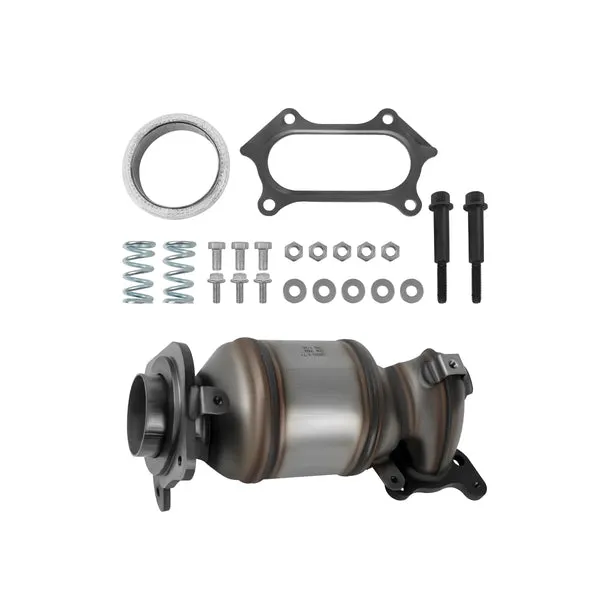
The 2010 honda crv catalytic converter from our partners at Daysyore includes direct-fit options that match OEM specifications and pass emissions tests. For a detailed OEM part number reference, check the Honda parts catalog online to verify fitment before ordering.
Where Is the 2010 Honda CRV Catalytic Converter Located
Understanding the 2010 Honda CRV catalytic converter location helps you spot theft warning signs early. The catalytic converter sits directly below the engine, underneath the vehicle between the exhaust manifold and the muffler. You can see the heat shield if you look underneath the front-center of the CR-V, roughly 12-18 inches from the ground.
If your catalytic converter has been removed, you’ll notice:
- A loud, raspy exhaust noise (sounds like a race car)
- Visible hanging pipes or broken heat shields underneath
- A gap where the converter should connect exhaust components
- Check engine light illuminated on your dashboard
Early detection means you can replace it before engine damage occurs from unfiltered exhaust gases. The sooner you address a missing converter, the better your engine performs.
2010 Honda CRV Catalytic Converter Replacement Cost and Timing
The cost of replacing a 2010 Honda CRV catalytic converter varies based on parts quality, labor rates, and your location. OEM replacements typically cost more but ensure exact fit and performance, while quality aftermarket units offer savings.
For current pricing and available discounts, grab the code to see our latest 7% OFF offer on replacement parts. You can also check the latest price directly at our partner stores for side-by-side comparisons.
Replacing your catalytic converter quickly prevents:
- Engine damage from raw exhaust gases bypassing the converter
- Permanent check engine light codes that fail emissions tests
- Further theft risk if you leave a stolen vehicle unrepaired
- Poor fuel economy and rough idle conditions
Most mechanics complete replacement in 1-3 hours depending on part design and rust buildup on your vehicle.
Protecting Against Theft: Deterrents and Prevention Strategies
Since the 2010 Honda CRV catalytic converter remains a theft magnet, proactive protection is worth the investment. Anti-theft shields bolt directly onto your frame and make removal extremely difficult without specialized equipment, adding 10-15 minutes to any theft attempt.
Additional protection methods include:
- Parking in well-lit, high-traffic areas
- Installing motion-sensor lighting around your driveway
- Using a garage when available
- Etching your VIN onto the converter body (thieves avoid marked parts)
- Installing a catalytic converter alarm or GPS tracker
- Joining neighborhood watch programs that report suspicious activity
These layers work together to make your 2010 Honda CRV a less attractive target than unprotected vehicles nearby.
Similar Models That Face the Same Risk
The 2003 Toyota Corolla catalytic converter experiences identical theft pressure because it also sits low, contains valuable metals, and comes from an older vehicle generation. Many Toyota, Honda, and Subaru models from the 2000s-2010s share similar vulnerability due to their undercarriage design.
If you own multiple vehicles or are considering used car purchases, research the specific model’s theft history. Some insurance companies now offer discounts for vehicles with factory anti-theft systems or retrofitted protection, making the investment financially sensible alongside the practical benefit.
Questions
How do I know if my 2010 Honda CRV catalytic converter has been stolen?
Listen for a loud, raspy exhaust noise when starting your engine, and look underneath the vehicle for a visible gap or dangling pipes where the converter should connect. Your check engine light will also illuminate on the dashboard.
Can I drive my CR-V without a catalytic converter?
You can drive it for short distances, but it's illegal in most areas and causes rapid engine damage. Raw exhaust gases overheat internal components, and you'll fail any emissions test.
What's the difference between OEM and aftermarket 2010 Honda CRV catalytic converter replacements?
OEM parts are genuine Honda components with full factory warranty and guaranteed fitment. Quality aftermarket converters cost less, pass emissions tests, and work reliably, though warranties are typically 3-5 years instead of full coverage.
Does insurance cover catalytic converter theft?
It depends on your policy. Comprehensive coverage typically covers theft, but you'll pay your deductible. Check with your insurer and ask about discounts if you install anti-theft devices.
How long does 2010 Honda CRV catalytic converter replacement take at a shop?
Most shops complete the job in 1-3 hours depending on how corroded the fasteners are and whether the part is direct-fit or requires adapter work.
What should I look for in a replacement catalytic converter for my CR-V?
Ensure it's EPA/CARB certified for emissions compliance, matches your vehicle's year and engine size, and comes with a warranty. Direct-fit converters are easier to install than universal options.
Products in this guide
Shopping at Daysyore? See the discount code
7% OFF All Orders
More in this series
 Audi V8 Timing Chain Failure Signs: When to Replace Before Damage Occurs29 Aug 20265 min
 EGR Delete Kit Maintenance: Keeping Your LBZ or LML Engine Healthy29 Aug 20266 min
 How to Install a CCV Delete Kit on Your 6.7 Powerstroke29 Aug 20263 min
 Ford 6.7 Crankcase Filter Delete vs. Stock Setup: What You Need to Know29 Aug 20264 minDoes a 6.7 Powerstroke EGR Delete Kit Improve Performance and Fuel Economy?29 Aug 20264 min