 A Fifijoy guide
Dollhouse Kit vs Miniature Kit: Which Is Right for Beginners?
Dollhouse kits offer multi-room structure and classic appeal, while miniature kits give you faster, themed builds perfect for testing the hobby before committing to a larger project.
Dollhouse Kits vs Miniature Kits: The Quick Answer
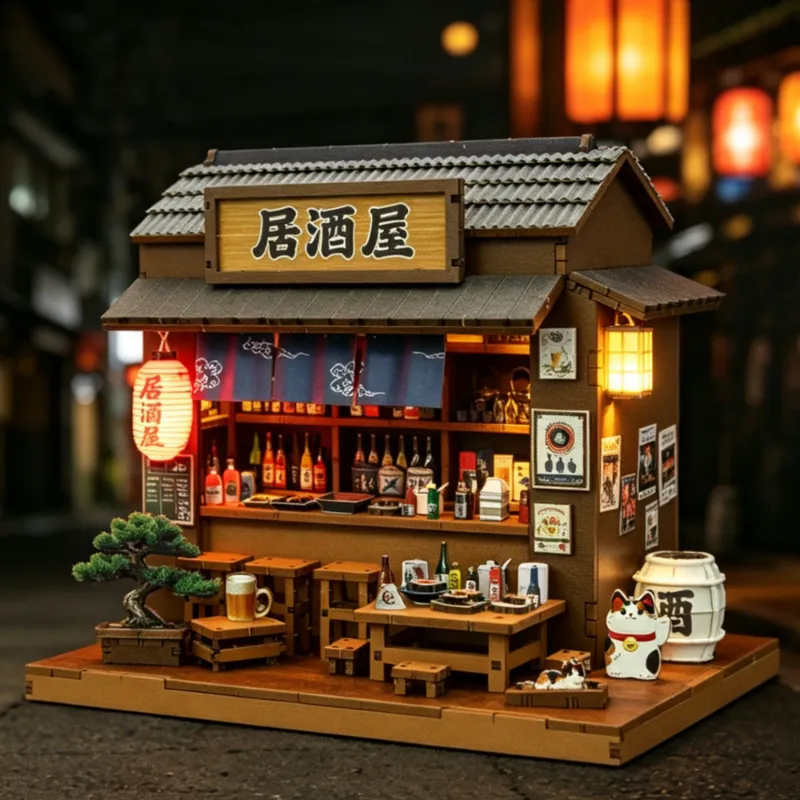
Dollhouse kits build full-scale houses with multiple rooms and architectural detail, while miniature kits create single-scene dioramas like cafes, bookshops, or book nooks. For absolute beginners, we recommend starting with diy miniature kits because they take 4 to 8 hours to complete, cost less, and teach you the core skills (gluing tiny parts, wiring LED lights, painting details) without the commitment of a week-long build. Once you’ve finished a miniature and know you enjoy the process, a dollhouse kit becomes your next natural step.
What Defines a Dollhouse Kit
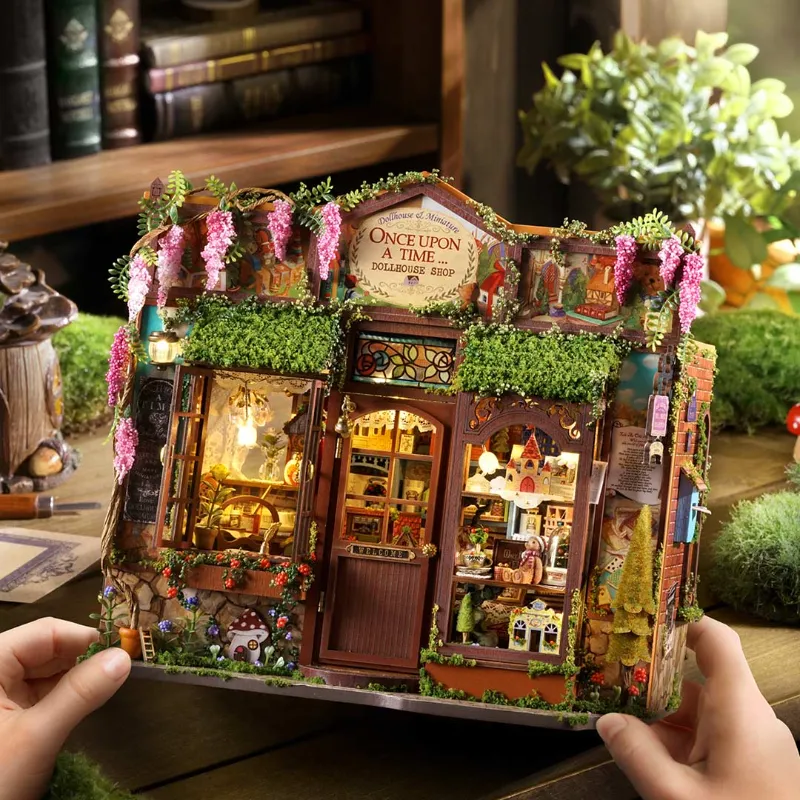
Dollhouse kits for adults are wooden or MDF structures that assemble into multi-room houses, typically at 1:12 or 1:24 scale. They ship as flat-packed panels you glue, sand, and paint, then furnish room by room. The faye dollhouse is a popular example: it includes exterior walls, interior floors, staircases, and window frames, but you supply the paint, wallpaper, furniture, and lighting.
Key characteristics:
- Multiple rooms (3 to 8+ spaces)
- Larger footprint (12 to 36 inches wide when assembled)
- 15 to 40 hours of build time
- Requires more tools (craft knife, wood glue, clamps, sandpaper)
- Higher material cost upfront
Wooden dollhouse kits for adults often come unfinished, so you control the aesthetic. You can replicate Victorian mansions, modern lofts, or cottages. Brands like Greenleaf Dollhouses specialize in large dollhouse kits for adults with architectural accuracy and expansion options.
What Defines a Miniature Kit (and Book Nooks)
Miniature kits focus on a single scene: a coffee shop counter, a library corner, a garden greenhouse. These DIY dollhouse kits are smaller (often 5 to 9 inches per side), arrive with pre-cut wood and resin parts, and include most materials in the box (fabric, paper prints, LED string lights, even miniature books or plants).
Popular miniature kit types:
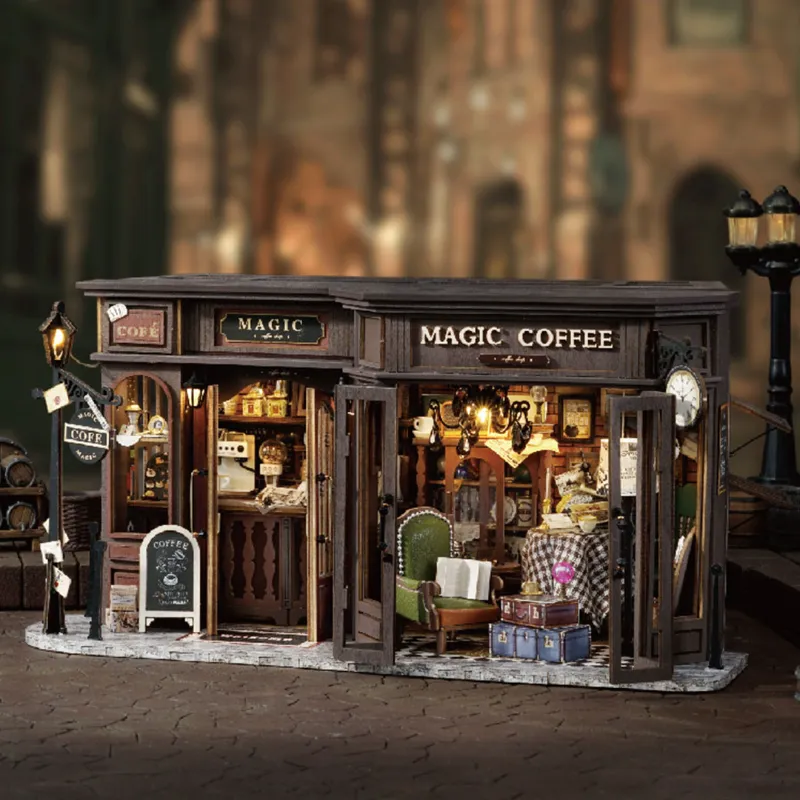
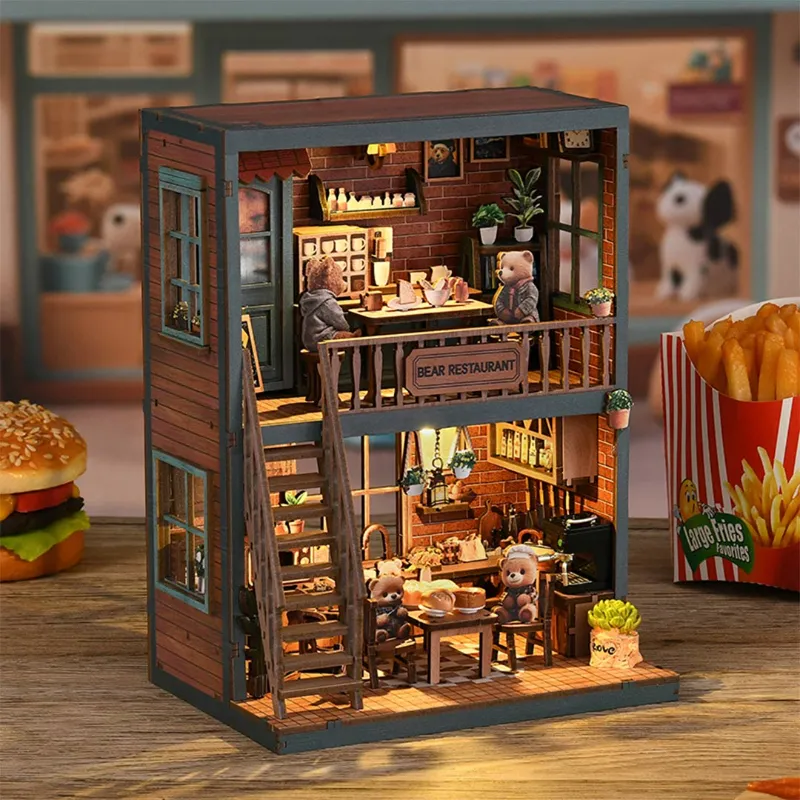
- Cafes and restaurants: The miniature coffee shop and miniature restaurant kits recreate bistro scenes with tiny menus, chairs, and espresso machines.
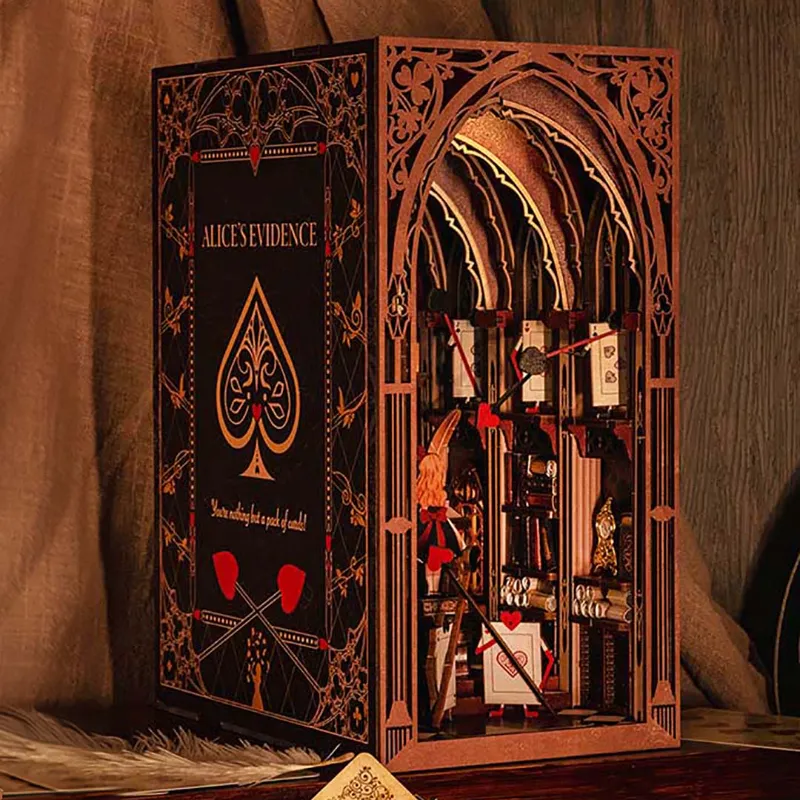
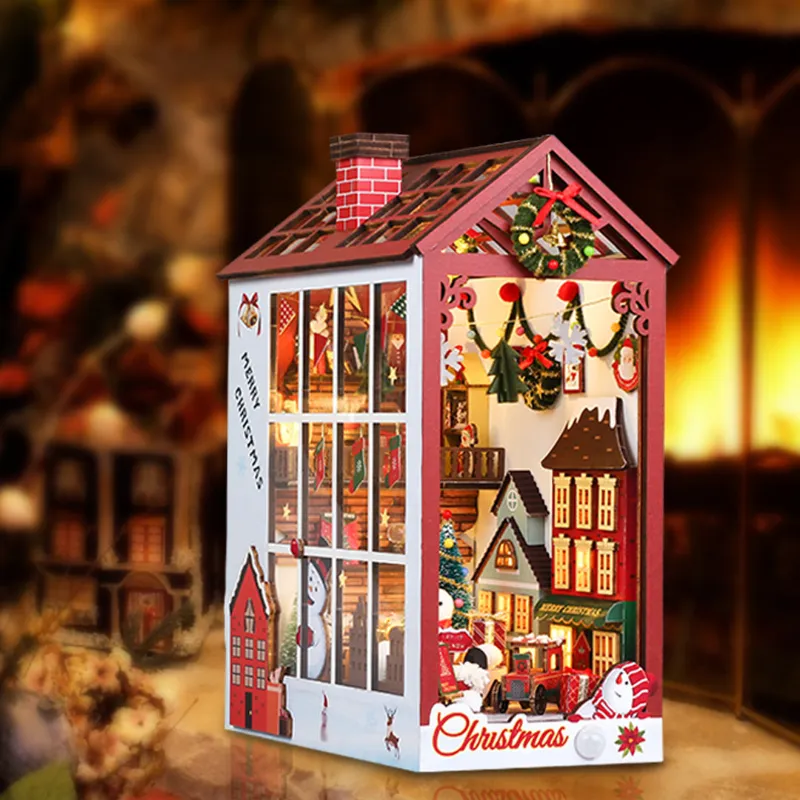
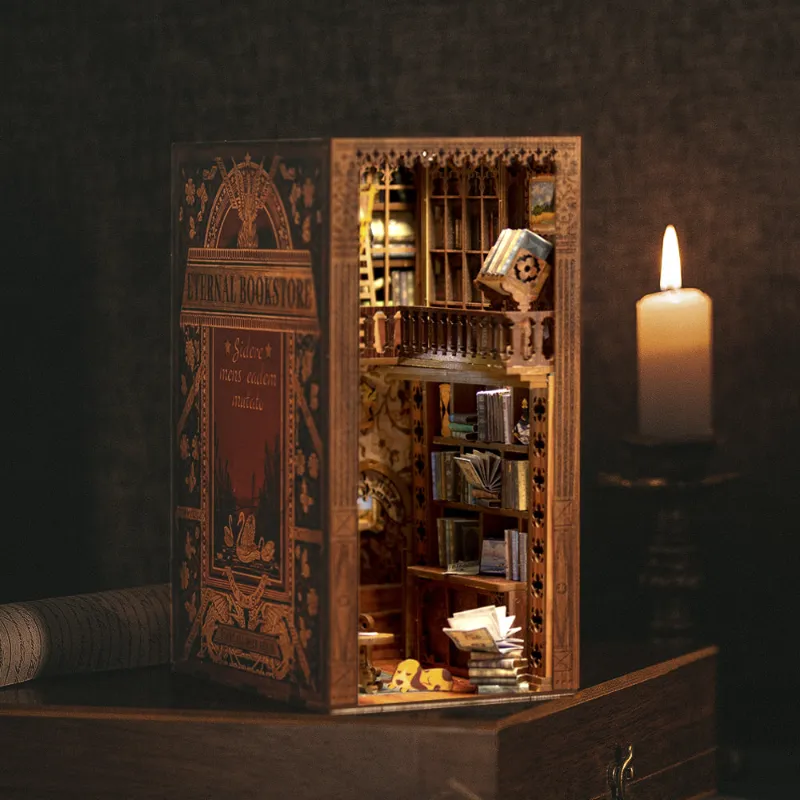
- Book nooks: Narrow vertical dioramas designed to slot between books on a shelf. The alice in wonderland book nook, christmas book nook, and 3d bookstore are self-contained story scenes.
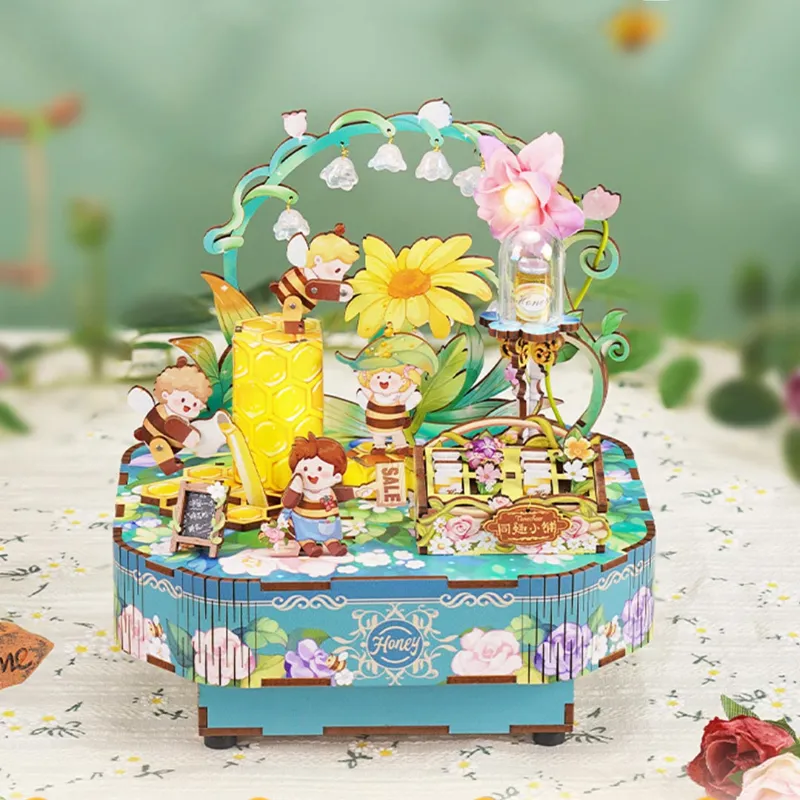
- Themed boxes: The Fifijoy beebox and paper & vine book bar combine miniature furniture with ambient lighting.
These kits take 4 to 10 hours and teach you the same techniques (precision cutting, fabric work, soldering tiny LEDs) as full dollhouses, but with faster gratification.
Beginner Skill Comparison: Which Is Easier?
| Factor | Dollhouse Kits | Miniature Kits |
|---|---|---|
| Build time | 15 to 40 hours | 4 to 10 hours |
| Piece count | 200 to 800+ parts | 80 to 250 parts |
| Space needed | Large workspace, permanent display area | Small desk, fits on bookshelf |
| Skill ceiling | Moderate to advanced (woodworking, wiring, interior design) | Beginner to intermediate |
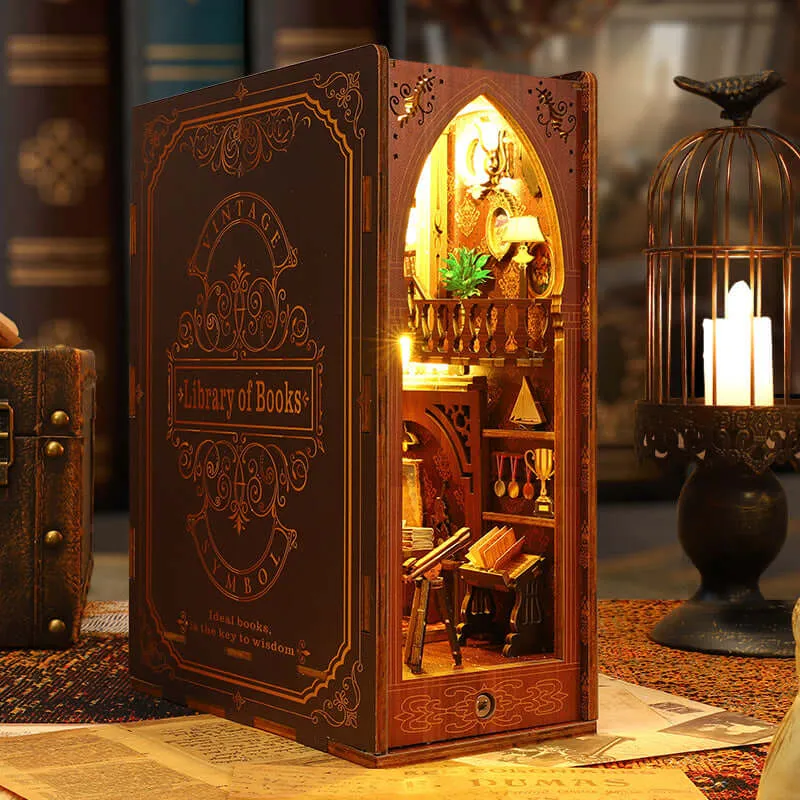
If you’ve never assembled anything smaller than LEGO, a miniature kit like the puzzle bookshelf or book nook world gives you a contained trial. You’ll learn whether you enjoy:
- Working with tweezers and magnification
- Following illustrated (sometimes translated) instructions
- Mixing paint and glue in tiny quantities
- Troubleshooting LED circuits
Wooden dollhouse kits assume you already know you love the hobby. They reward patience but punish mistakes (a misaligned wall panel is hard to fix once the glue sets).
Cost and Material Considerations
Miniature kits typically run between $20 and $50, and the box includes nearly everything except glue and batteries. Dollhouse kits start around $60 for simple designs and climb past $200 for large dollhouse kits for adults. You’ll also budget separately for:
- Interior wallpaper and flooring
- Furniture sets (or raw materials to build your own)
- Lighting kits (wiring, transformers, bulbs)
- Paint, stain, and finishing supplies
Check our Fifijoy discount code page for current offers on both categories. Right now the store runs 15% off sitewide, which stacks nicely when you’re buying your first kit plus extra materials.
If budget is tight, a single diy miniature kit gives you the full crafting experience for the price of a few coffee drinks.
Who Should Choose Which
Start with a miniature kit if you:
- Want to finish a project in one weekend
- Live in a small apartment with limited display space
- Aren’t sure miniature building is your hobby yet
- Prefer themed scenes (cafes, libraries, fantasy settings) over architectural realism
- Like the idea of slotting a finished christmas book nook between novels on your shelf
Go straight to a dollhouse kit if you:
- Already enjoy woodworking, model building, or interior design
- Have dedicated space for a long-term project
- Want to customize every detail (paint color, room layout, furniture style)
- Plan to expand the house over months or years
- Appreciate traditional 1:12 scale, which has the widest accessory ecosystem
Many hobbyists we’ve spoken to started with a book nook or cafe kit, finished it in a weekend, then immediately ordered a full dollhouse. That progression lets you test the waters without the pressure of a month-long build.
Tips for Your First Build (Either Type)
Read the instructions twice before opening parts bags. Miniature kits often include steps that must happen in sequence (install the floor before the walls, wire the lights before sealing the roof).
Invest in good tweezers and a cutting mat. You’ll use them for every future project, whether you’re building dollhouse kits or book nooks.
Test-fit parts before gluing. Dry-assemble sections to confirm alignment. Wood glue bonds permanently, so a trial run prevents crooked walls.
Use LED string lights instead of traditional bulbs. They run cooler, draw less power, and most miniature kits include them. If you’re upgrading a dollhouse, they’re easier to hide in walls and ceilings.
Join a community. The Everything Very Small guide lists brands and forums where builders share modifications, troubleshooting, and photos. Seeing other beginners’ first attempts makes your own learning curve feel less steep.
Where to Start Today
We recommend grabbing a themed miniature kit first. The Fifijoy beebox or miniature coffee shop both include clear instructions, pre-sorted parts, and lighting, so you’re not hunting for supplies mid-build. Spend a Saturday assembling it, then decide whether a larger faye dollhouse is your next move.
For current pricing and to grab the 15% off code, visit the Fifijoy store page. Both dollhouse and miniature kits ship with the same discount, so you can stock up on a starter kit and a few extra accessories in one order.
The right choice depends less on skill and more on patience. If you want a finished display piece this weekend, go miniature. If you want a project that unfolds over weeks and becomes a centerpiece, go dollhouse. Either way, you’ll learn the same satisfying micro-scale techniques that make this hobby so absorbing.
Questions
Can I start with a dollhouse kit if I've never built miniatures before?
Yes, but expect a steeper learning curve. Dollhouse kits involve more parts, longer assembly, and additional materials you'll need to source separately. Most beginners find a small miniature kit or book nook easier to finish and more forgiving of mistakes.
How long does a typical miniature kit take to build?
Most miniature kits take 4 to 10 hours spread over one or two weekends. Book nooks and single-room scenes are faster, while detailed cafe or restaurant kits may take closer to 10 hours if you add custom painting.
Do miniature kits come with everything I need?
Most include all structural parts, fabric, paper prints, and LED lights. You typically supply your own craft glue, tweezers, scissors, and batteries for the lights. Check the product description for the specific kit's contents.
What scale are dollhouse kits, and does it matter?
Common scales are 1:12 (one inch equals one foot) and 1:24 (half that size). Scale matters if you plan to buy furniture and accessories separately, since those are sized to match. Miniature kits often use custom scales and include all the furniture you need.
Are book nooks considered miniature kits or dollhouse kits?
Book nooks are a type of miniature kit. They're narrow vertical dioramas designed to fit on a bookshelf between books, usually depicting a single scene like a library, alley, or fantasy setting.
Where can I find discount codes for Fifijoy dollhouse and miniature kits?
Check our Fifijoy discount code page for the latest offers. The store currently runs 15% off sitewide, which applies to both dollhouse and miniature kit categories.
Products in this guide
 Shopping at Fifijoy? See the discount code
15% OFF Sitewide
Shopping at Fifijoy? See the discount code
15% OFF Sitewide
More in this series
 How to Avoid Glue Smudges and Paint Mistakes on DIY Miniature Kits16 Aug 20265 minPreventing Glue Smudges and Paint Mistakes on DIY Miniature Kits16 Aug 20266 minBest Lighting Options for Dollhouse Kits and Book Nook Displays16 Aug 20265 minHow Long Does It Take to Complete a Fifijoy Miniature Coffee Shop?16 Aug 20265 minDo Book Nooks Fit Standard Shelves? Sizing Guide for Alice in Wonderland and Other Models16 Aug 20264 minHow to Assemble a Fifijoy Book Nook Without Missing Pieces16 Aug 20266 min