 A Apexwolf guide
Do Deadlift Wrist Straps Really Prevent Injury, or Are They Just Hype?
Deadlift wrist straps reduce grip fatigue and let you lift heavier, but they won't prevent injuries your form caused—here's what they actually do.
Deadlift wrist straps reduce grip fatigue and let you load more weight, but they’re not a magic injury preventative. The real question is whether they suit your training goals and whether you understand what they actually protect against.
Here’s what deadlift wrist straps really deliver, who should use them, and how to pick the right pair for your routine.
Do Deadlift Wrist Straps Prevent Injury?
Not directly. Deadlift wrist straps don’t reinforce your spine, spine stability, or connective tissue the way proper form does. What they do is eliminate grip failure as a limiting factor. If your forearms give out before your legs and back are fully taxed, straps let you continue the set, which means your actual target muscles get the stimulus they need.
The injury prevention piece comes indirectly. Lifters who fatigue their grip often compensate by rounding their lower back or shifting load unevenly. Removing that fatigue means you can maintain neutral spine position and balanced bar path longer. That’s injury prevention through better positioning, not through the straps themselves.
If your form is already compromised, straps won’t fix it. If your form is solid and grip is your only bottleneck, straps work.
How Lifting Straps Actually Help Your Deadlift
The core benefit: deadlift wrist straps transfer load from your hands to your wrists and forearms, letting your grip remain relaxed. This serves three purposes:
- Grip endurance: your hands fatigue less, so you can complete more reps or sets
- Load progression: you can add weight without your grip being the weak link
- Volume capacity: total training volume goes up when grip isn’t the limiting factor
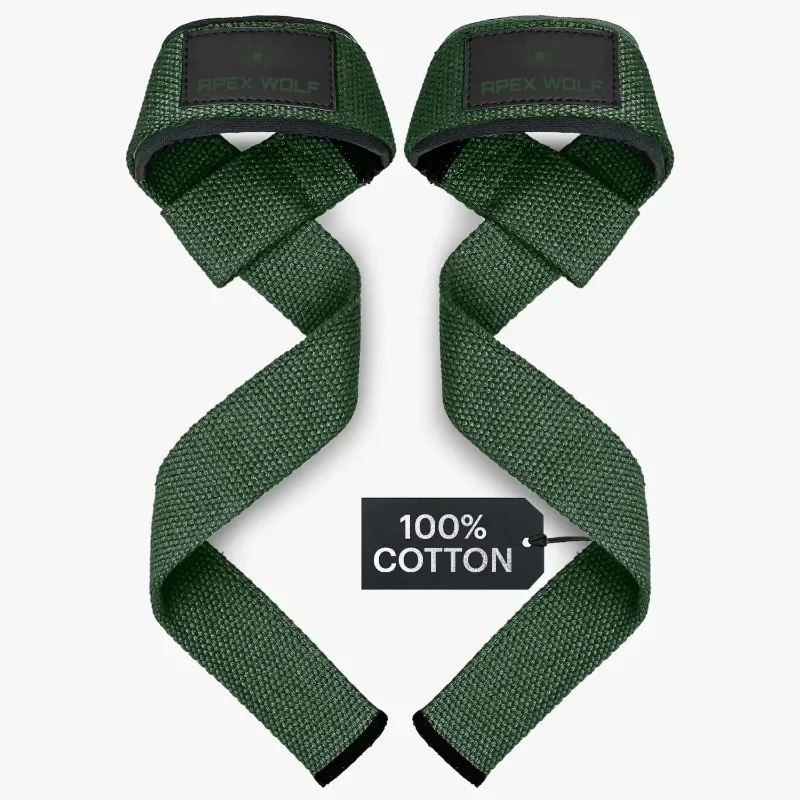
Many lifters use deadlift wrist straps during heavy working sets or high-rep accessory work, then train without them to maintain grip strength on lighter days. This hybrid approach gets the benefits of straps without atrophying your hand strength.
How to use lifting straps effectively: wrap them around the bar with a loop around your wrist, then grip normally on top. Your hands do the gripping; the straps just reinforce what your grip can hold. You’re not hanging from them, you’re using them as a safety net.
Deadlift Strap Types and When to Use Each
Different strap designs solve different problems. Here’s how they compare:
| Strap Type | Best For | Trade-off |
|---|---|---|
| Loop straps (cotton) | Deadlifts, rows, heavy pulls | Loose feel, slower to put on |
| Figure-8 straps | Cleans, snatches, speed work | Tighter wrist support, harder to remove quickly |
| Wrist wraps (rigid) | Heavy singles, pressing | Maximum stability, less feel for the bar |
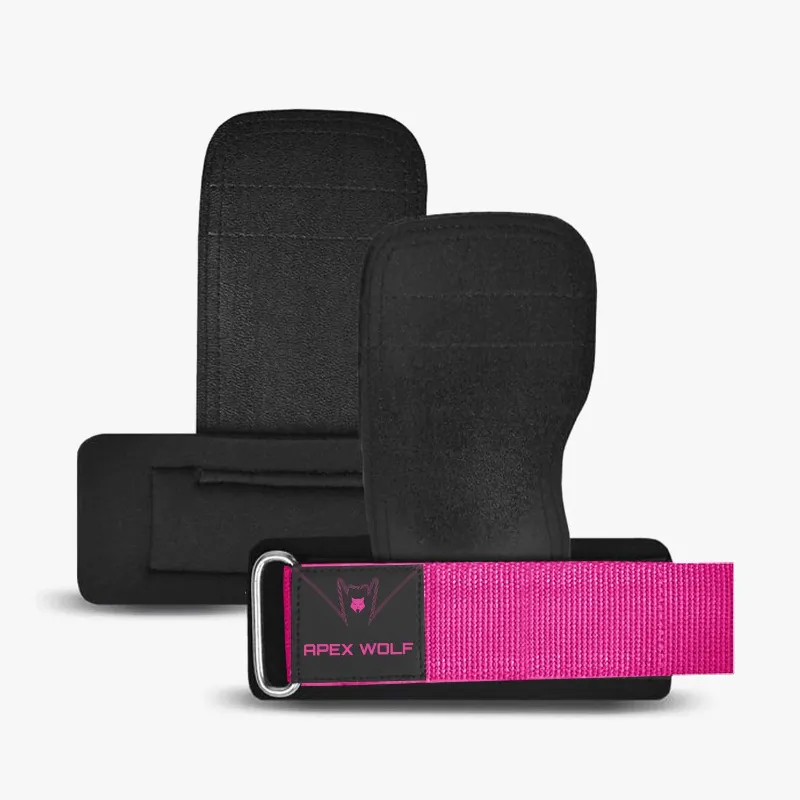
| Lifting grip straps | High volume, mixed grip work | Versatile, moderate support |
The deadlift strap is the standard choice for most lifters because it’s fast to wrap, gives you direct bar feedback, and works for any pulling movement. Lifting grip straps add wrist support if you have existing wrist strain. Deadlift wraps are rigid and best for powerlifters training heavy singles.
Check the latest price on Apexwolf straps and grab their 10% discount code to test a few types without breaking your budget.
Material and Durability Matter More Than You Think
Cotton straps absorb sweat and break down faster; synthetic materials last longer and dry quicker. Reinforced stitching matters because straps fail at the stress points where they loop around your wrist. If the stitching tears, the strap becomes useless mid-set.
Check the strap thickness on the listing, especially if you train daily or use mixed grip deadlifts. Thin straps feel lighter in your hand but wear out faster.
Budget straps sometimes use cheap adhesive that peels after a few washes. Quality straps from brands like Apexwolf use sewn construction instead. That’s why investing in a solid pair, like deadlifting straps: pays off over months of training rather than weeks.
How to Use Deadlift Straps to Avoid Common Mistakes
The biggest mistake: wrapping too tightly and losing bar feedback. Your hands should still feel the bar actively; the straps just prevent slipping. If your hands are numb, you’ve wrapped too tight.
Second mistake: relying on straps for every lift. If you use them on your main deadlift sets but never train grip separately, your grip strength plateaus. Use straps for heavy work and rep ranges where grip is limiting, then train unstrapped on accessory days.
Third mistake: wrapping the strap in one direction repeatedly. Rotate how you wrap (left hand wraps up one week, down the next) to prevent repetitive stress injuries at your wrist.
Proper setup: wrap the strap around the bar once, create a small loop for your wrist, then grip the bar and strap together. Your hands grip; the strap reinforces the grip. Learn the exact technique here.
Who Actually Needs Deadlift Wrist Straps
You benefit from straps if:
- Your grip fatigues before your legs and back reach full muscle fatigue
- You’re training above 85% of your one-rep max and need all available strength reserves
- You deadlift multiple times per week and need recovery flexibility
- You have existing wrist or forearm pain (check with your doctor first)
- You’re training accessory movements like barbell rows or shrugs in high-rep ranges
You probably don’t need straps if:
- Your grip strength is your actual limiting factor, not a symptom of poor form
- You’re in an early training phase and still building foundational strength
- Your federation bans them (most powerlifting competitions do)
- You’re training for competitive grip sports
Beginners should train unstrapped for their first 6 to 12 months to build genuine grip strength. Intermediate and advanced lifters benefit most from strategic strap use.
Deadlift Straps vs. Alternative Grip Solutions
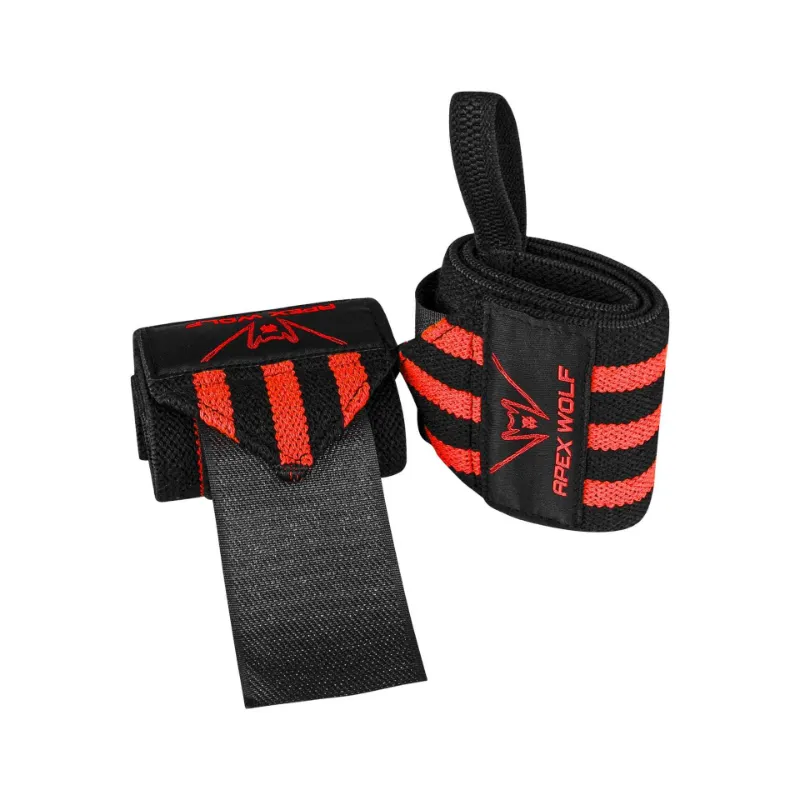
Straps aren’t your only option. Battle wraps offer wrist support without restricting grip. Wolf grip support tools focus on hand strength rather than load transfer. Chalk and liquid grip provide friction without equipment.
For pure deadlift loading, straps outperform alternatives. For grip development, training unstrapped beats everything. Most lifters use a combination: straps for heavy working sets, unstrapped for accessory volume, and chalk for extra friction on submaximal pulls.
Review all Apexwolf strap options to find what matches your training style. Their 10% discount applies across all products, so test multiple types without overspending.
The Honest Take on Deadlift Wrist Straps
Deadlift wrist straps prevent grip fatigue from limiting your training, not injuries from poor form. They’re a tool that serves intermediate and advanced lifters well when used strategically. They’re not necessary for beginners, and they don’t replace proper technique.
If grip is holding back your progress, straps work. If form is sloppy, straps just let you train dangerously heavier. Know which one applies to you, use straps accordingly, and train your grip separately to stay balanced.
Questions
Can I use deadlift wrist straps in a powerlifting competition?
No, most powerlifting federations (IPF, USPA, USAWA) ban straps in official competition. You can use them in training and in some casual lifting, but always check your federation's rules before meet prep.
How do I know which lifting straps are right for deadlifting?
Loop straps (the standard cotton or synthetic wraps) work best for deadlifts because they're easy to apply and remove, and they let you feel the bar. Figure-8 straps are better for cleans and snatches. Test a few types with [Apexwolf's deadlift wrist straps](/go/p/8611) using their discount code.
Will using deadlift wrist straps weaken my grip strength?
Only if you use them on every rep of every session. Strategic use (heavy sets, high-rep accessory work) combined with grip-focused training days preserves and builds grip strength over time.
How do I use deadlift straps correctly to avoid wrist pain?
Wrap firmly but not so tight that your hands go numb. The strap should reinforce your grip without restricting blood flow. Rotate your wrapping direction to avoid repetitive stress, and take a rest day if your wrist feels strained.
Are cotton or synthetic deadlift wrist straps more durable?
Synthetic materials last longer and dry faster, but quality matters more than material. Reinforced stitching and thick construction (8 to 10 mm) outlast cheaper options regardless of whether they're cotton or synthetic.
Can deadlift wrist straps fix my lower back pain?
No. Straps reduce grip fatigue, which can help you maintain better form and positioning, but they don't treat underlying back issues. See a doctor or physical therapist if you have persistent pain.
Products in this guide
 Shopping at Apexwolf? See the discount code
10% OFF All Orders
Shopping at Apexwolf? See the discount code
10% OFF All Orders
More in this series
Can Lifting Grip Straps Help You Break Through a Plateau?10 Sep 20264 minBest Grip Straps for Deadlifts: Why Your Hands Give Out Before Your Legs10 Sep 20264 min How to Wrap Your Hands for Boxing: A Step-by-Step Guide with Battle Wraps10 Sep 20265 minApexwolf Kick Pad vs Heavy Bag: Which Training Equipment Should You Buy?10 Sep 20265 min