 A Apexwolf guide
Best Grip Straps for Deadlifts: Why Your Hands Give Out Before Your Legs
Lifting grip straps let you keep lifting when your hands are too tired, so your legs do the work they're built for.
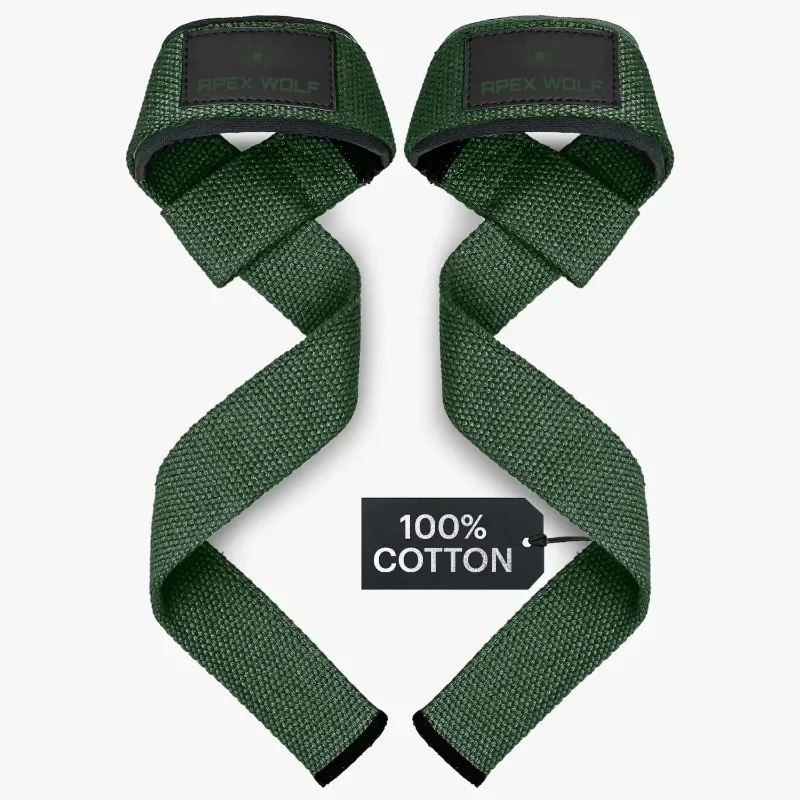
Lifting grip straps let you keep lifting when your hands are too tired, so your legs do the work they’re built for. Your grip is often the weakest link in a deadlift. Even if your back and legs are strong enough to pull heavy, your hands might fail first. That’s where the right lifting grip straps come in.
Why Your Grip Fails Before Your Legs in Deadlifts
Your forearms have smaller muscles than your back and legs, which means they tire faster. Holding a loaded bar demands grip endurance and raw hand strength. Once your grip starts to slip, you either drop the bar or waste energy re-gripping, both of which kill your sets.
Lifting grip straps transfer load from your hands to your wrists and forearms, letting your major muscle groups do the heavy lifting. Studies and real gym data show that lifters who use proper lifting straps can train heavier loads and complete more reps than they could with grip alone.
Types of Lifting Straps and What Fits Your Lifts
Not all lifting straps work the same way. Different styles suit different lifts and training styles.
| Strap Type | Best For | How It Works |
|---|---|---|
| Deadlift wrist straps | Raw deadlifts and submaximal sets | Wrap around wrist and bar; simple, minimal setup |
| Deadlifting straps | Heavy compound pulls | Aggressive wrapping for maximum load transfer |
| Deadlift grip strap | Mixed-grip deadlifts | Designed to work with one hand pronated, one supinated |
| Wolf grip | Maintenance and moderate loads | Quick-fit design for rapid rep work |
The deadlift strap is built for raw singles and doubles when you need the most security. If you’re doing volume work or Pendlay rows, lifting straps for weightlifting with D-rings give you faster re-setup between sets.
How to Wrap Lifting Grip Straps Correctly
The way you wrap matters as much as the strap itself. A loose wrap wastes force; too tight and circulation cuts off or your wrist takes unnecessary stress.
- Loop the strap around your wrist first, not the bar. Your wrist is the anchor point.
- Pull the free end around the bar from the outside, wrapping toward your body.
- Use 2-3 tight wraps, then secure by tucking the end back under the last loop.
- Your grip should feel locked in, not numb. If your hand tingles, you’ve wrapped too tight.
- Test the tension before adding weight. You should not be able to slip your hand out, but you should feel blood flow.
Most lifters find that deadlift wrist straps take 10-15 seconds to wrap correctly. Practice a few times unloaded, and it becomes muscle memory.
Material and Durability: What Holds Up
Cotton blends stay the most popular because they’re affordable and break in well. Neoprene adds wrist support but can trap sweat. Leather or hybrid materials last longer but cost more.
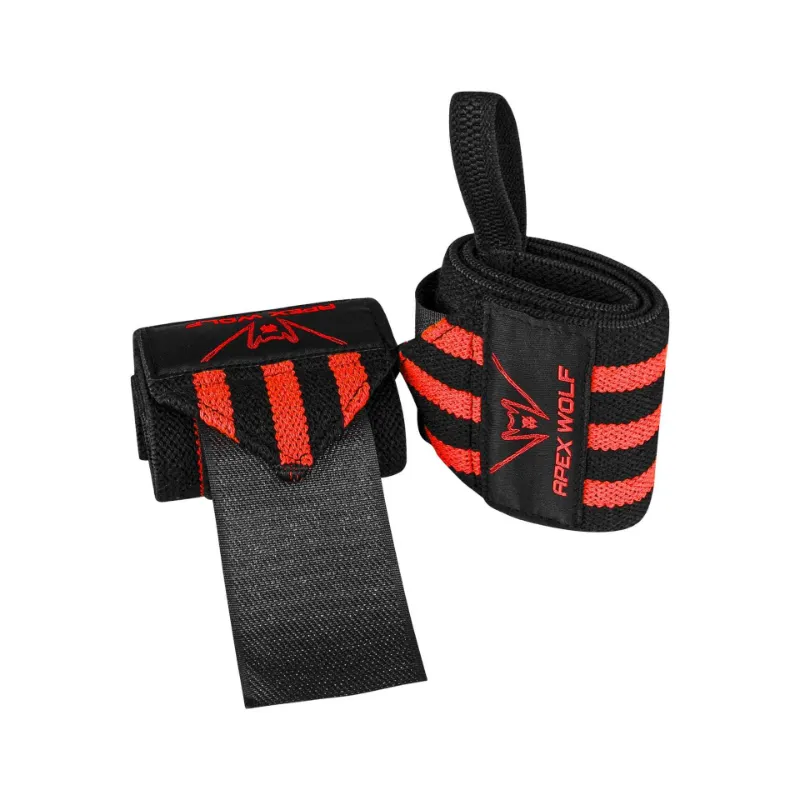
Apexwolf’s deadlift wraps use reinforced cotton with stitching that lasts through hundreds of sessions. The battle wrap adds thickness for lifters who want extra wrist stability on top of grip support. Both resist fraying and hold their shape after washing.
Check the total length when choosing. Most straps range from 18 to 24 inches. Longer straps give more wrapping options if you have larger wrists or want aggressive wrapping. Shorter straps are faster to wrap but less forgiving if your technique isn’t clean.
Lifting Grips vs Straps: When to Use Each
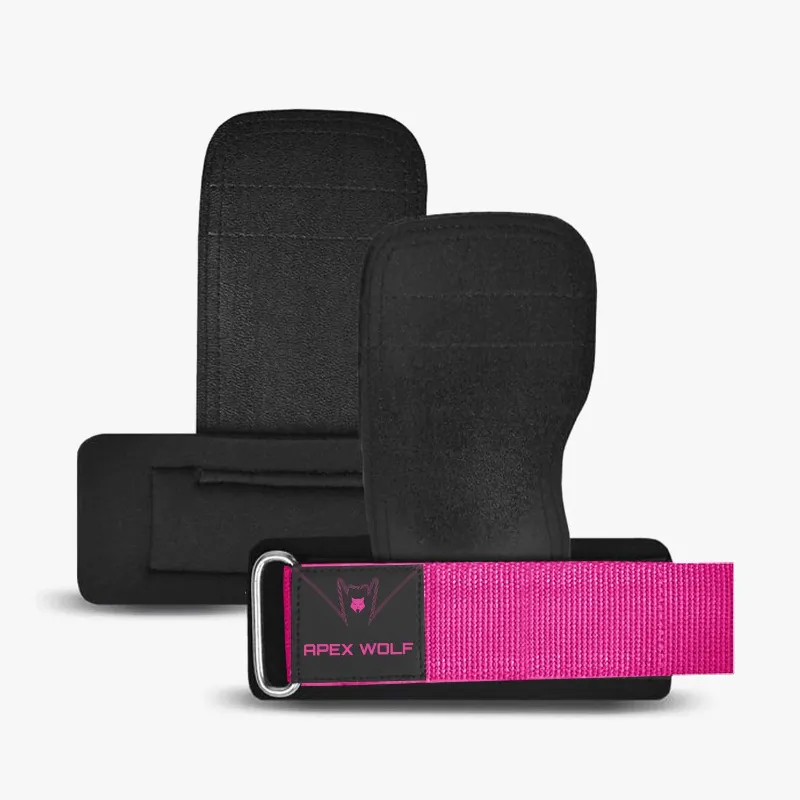
Lifting straps and lifting grips are not the same thing. Grips like the wolf grip slide over your hand and bar, letting you maintain some finger contact. Straps wrap your wrist and wrap the bar, creating a locked connection.
Grips work best for:
- Pull-ups and lat pulldowns where hand position matters
- Lighter accessory work where grip is secondary
- Training sessions where you want grip to stay trained
Straps work best for:
- Heavy deadlifts and rows where grip is a clear limiting factor
- High-rep work where hand fatigue accumulates
- Training blocks where grip training is not the focus
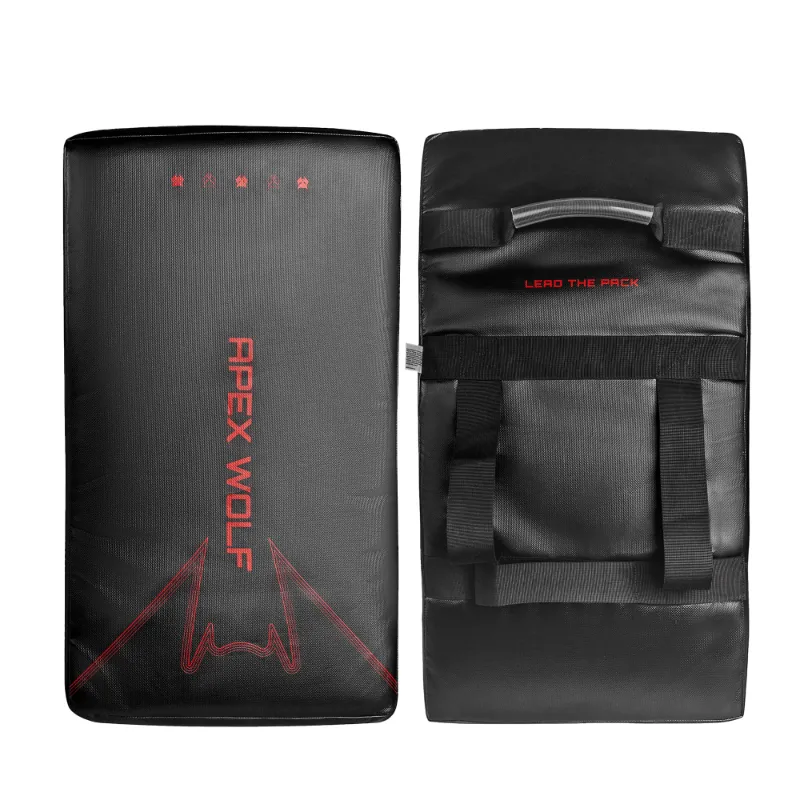
Most lifters use both. A kick pad or other training surface helps you maintain grip strength on lighter days while straps let you train heavy without that limitation.
Who Should Use Lifting Grip Straps
Beginners often think straps are a sign of weakness. In reality, straps let you focus on the main lift instead of worrying about your hands.
- Competitive powerlifters use straps in training to move more volume without grip becoming the bottleneck.
- Strongman athletes rely on them for events where grip is not tested.
- Bodybuilders use them to drive muscle growth without grip holding back training intensity.
- Older lifters use them to train with intensity while protecting aging tendons and skin.
- Anyone with grip injuries or sensitive forearms uses straps to stay training while they heal.
Check the latest price on Apexwolf’s full strap lineup. We would start with their deadlift grip strap and deadlifting straps, and grab the code to get 10% off your first order.
How to Care for Your Straps
Lifting straps last years if you maintain them. Wash them in cool water after heavy sweat sessions. Air dry away from direct heat or sunlight, which can break down cotton fibers. Store them dry in a gym bag.
If stitching starts to fray, reinforce it with a needle and thread before the tear spreads. Most straps start to wear visibly after 2-3 years of heavy use, but they often have more life left. When they finally give out, replace them rather than repair them.
Learn more about selecting quality straps from 10 Best Lifting Straps in 2026: Top Picks for a Better Grip. Apexwolf’s straps rank highly in independent reviews for durability and value.
Questions
How do I know if lifting grip straps are right for me?
Straps help if your grip gives out before your target muscles. Try a heavy deadlift for max reps, rest 5 minutes, then do the same set with straps. If you get more reps or feel your legs work harder, straps will benefit your training.
Can I use deadlift wrist straps for other exercises?
Yes. Deadlift wrist straps work for rows, shrugs, farmers carries, and any pull where grip is secondary. They're less useful for exercises where hand position or grip endurance is the goal, like pull-ups or farmer walks.
How tight should lifting grip straps be wrapped?
Tight enough that you cannot slip your hand out, but loose enough that you feel normal blood flow. If your fingers tingle or go numb, the wrap is too tight. Loosen it and rewrap.
Do lifting grip straps weaken my grip strength?
No. Using straps in heavy training does not harm grip strength because you still grip the bar under load. On lighter days or deload weeks, train without straps to maintain grip. Most lifters who use straps strategically have stronger grips overall because they can train more volume.
What's the difference between deadlifting straps and a wolf grip?
Deadlifting straps wrap around your wrist and bar, locking your hand in place. A wolf grip slides over your hand and bar, letting your fingers still contact the bar. Straps provide more security; grips let you maintain more hand feel.
How often should I replace my lifting grip straps?
Most straps last 2-3 years of heavy use. Replace them when stitching fails or the material tears. If they still feel secure and dry quickly after washing, they're fine to keep using.
Products in this guide
 Shopping at Apexwolf? See the discount code
10% OFF All Orders
Shopping at Apexwolf? See the discount code
10% OFF All Orders
More in this series
Can Lifting Grip Straps Help You Break Through a Plateau?10 Sep 20264 minHow to Wrap Your Hands for Boxing: A Step-by-Step Guide with Battle Wraps10 Sep 20265 minApexwolf Kick Pad vs Heavy Bag: Which Training Equipment Should You Buy?10 Sep 20265 minDo Deadlift Wrist Straps Really Prevent Injury, or Are They Just Hype?10 Sep 20265 min