 A Apexwolf guide
Can Lifting Grip Straps Help You Break Through a Plateau?
Lifting grip straps can break strength plateaus by letting your grip give out last, not first, so you lift heavier and build real back and leg power.
Lifting grip straps can break strength plateaus by letting your grip give out last, not first, so you lift heavier and build real back and leg power.
When your forearms fatigue before your target muscles, you’re leaving gains on the table. That’s where lifting grip straps come in. They secure the bar to your wrists, removing grip as the limiting factor in deadlifts, rows, and other compound lifts.
How Lifting Grip Straps Break Plateaus
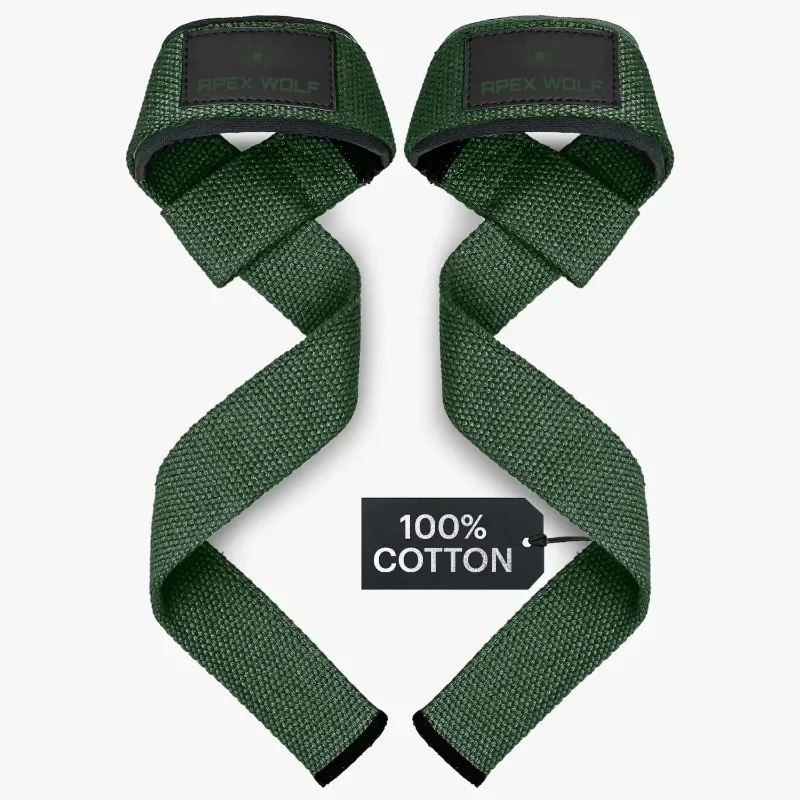
Your grip strength improves over time, but it doesn’t grow as fast as your back, legs, and core. Once your forearm muscles tap out, you stop lifting, even though your legs and back have more power to give. Lifting grip straps wrap around your wrist and loop over the bar, transferring load directly to your larger muscle groups.
The result: heavier loads, more volume, and faster strength gains in the muscles you actually want to build. You’re no longer held back by grip endurance. This is especially crucial in movements like deadlifts, where grip is notoriously the first limiter, and rows, where hand fatigue cuts sets short.
Lifting Straps vs Other Grip Solutions
The market offers several ways to improve your grip security. Here’s how the main options compare:
| Option | Best For | Durability | Learning Curve |
|---|---|---|---|
| Lifting grip straps | Deadlifts, rows, heavy pulls | Very high | Low |
| Deadlift wrist straps | Wrist support during heavy lifts | High | Low |
| Deadlift grip strap | Grip security plus wrist stability | High | Low |
| Bare hands | Grip strength building | N/A | None |
Lifting straps are faster to deploy than wrist wraps, more reliable than chalk alone, and they let you train grip separately from strength work. If you’re chasing a PR, straps cut through the plateau. If you want to build grip as its own skill, save them for the heavy days.
Material Matters: Cotton, Nylon, and Beyond
What your straps are made of affects how long they last and how they feel in your hands.
- Cotton blends: Breathable, comfortable, good for volume work. Cotton absorbs sweat and breaks in quickly. Deadlifting straps in this category won’t slip even when wet, making them reliable for hard sessions.
- Nylon: Stiffer, more durable, better for max effort days. Nylon resists wear and holds its shape through hundreds of lifts.
- Padded options: Reduce wrist stress during heavy pulls. If you have wrist sensitivity, padded deadlift wraps or reinforced straps ease the load.
- Reinforced stitching: Look for bar-contact zones with extra thread. This keeps the strap intact when loaded hard against the bar.
The best material depends on your training volume and style. Heavy singles? Go stiffer. High-rep work? Breathable beats bulk.
Weight Lifting Straps: How to Use Them Right
Setup matters. A poorly wrapped strap will slip, waste energy, or dig into your wrist. Here’s the process:
- Loop the strap around your wrist so the tail hangs down on the bar side.
- Grip the bar firmly and wrap the strap tail around the bar 1-2 times, leaving no slack.
- Ensure the strap sits snug against your wrist but not so tight it cuts circulation.
- Test by trying to pull the bar, it should not shift on the bar or your wrist.
For lifting grips and deadlift strap models, this takes 10 seconds once you’ve done it a few times. Practice on warm-up sets so you nail it before your top sets.
When to Use Lifting Straps vs Building Grip Strength
Straps are a tool, not a crutch. Use them strategically to separate goals:
- Heavy strength work: Strap in for deadlifts, rows, and pull-ups at 85%+ of max. Your grip won’t be the limiter, and your back and legs handle heavier loads.
- Grip-building days: Work without straps, lighter weight, higher reps. Train your forearms as a separate skill.
- Volume phases: Mix strapped and unstrapped sets. Early sets unstrapped to build grip capacity, later sets strapped to keep density high.
This approach lets you grow strength fast without letting grip limitations set a hard ceiling.
Apexwolf’s Top Strap Options for Plateaus
Here’s which ones moved the needle:
Lifting grip straps are the go-to for most lifters. They’re simple, effective, and hold up through thousands of reps. No padding, no frills, just solid load transfer.
Deadlift grip strap adds reinforcement where the strap contacts the bar, so it won’t fray even under constant heavy use. If durability is your priority, this is the pick.
For lifters who want wrist support along with grip security, deadlift wrist straps layer both benefits. You get the grip advantage plus wrist stability during max effort pulls.
If you’re ready to test them, grab the code for 10% off all orders. Check the latest price to see what’s in stock.
Sizing and Fit for Different Hand Sizes
Strap length matters. Too short and you can’t wrap the bar fully. Too long and you’ll have excess material bunching up.
- Small hands: Look for 12 to 16 inch straps. They wrap twice without excess.
- Medium hands: 16 to 20 inches is standard. One full wrap covers most bars.
- Large hands: 20+ inches lets you wrap securely without running out of material.
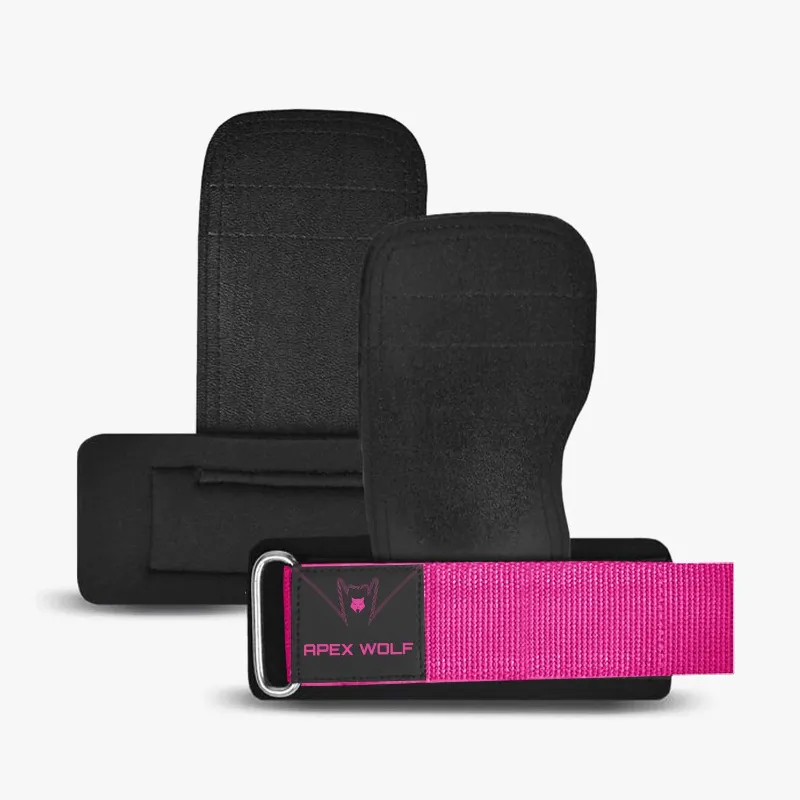
Most Apexwolf straps come in one standard size that fits hands up to XL. Test fit on a bar before committing if you’re on either extreme. The wolf grip line offers slightly shorter lengths if you’re running into bulk issues.
Key Takeaways
Lifting grip straps remove a limiting factor that holds back your strength gains. When forearm endurance stops being your problem, your back, legs, and core can handle more load and volume. Use them on heavy days and max-effort work, build grip on lighter days, and you’ll break through plateaus faster than training grip and strength together every session.
Test lifting grip straps or deadlift grip strap models to see which suits your training style. For more detailed comparisons and reviews, see our guide on the best lifting straps for 2026.
Questions
How do lifting grip straps help you break a plateau?
They remove grip as the limiting factor so your larger muscle groups (back, legs, core) can handle heavier loads and more volume. When your forearms stop giving out first, you can lift more weight and build strength faster.
Can I use lifting grip straps for all exercises?
They work best for heavy pulling and deadlifting. Use them on compound lifts at 85%+ intensity and on high-volume back work. Skip them on lighter, grip-building sessions so you develop forearm endurance separately.
What's the difference between lifting grip straps and wrist straps?
Lifting grip straps loop around the bar and transfer load to your wrists and forearms. Wrist straps provide compression and support around the wrist joint itself. Many lifters use both, or choose a hybrid like deadlift wrist straps for combined benefits.
How long do lifting grip straps last?
Quality straps like those from Apexwolf last hundreds of lifts when cared for. Nylon and reinforced cotton models hold up best. Wash them occasionally, air dry, and they'll outlast your plateaus.
Do I need to wrap lifting grip straps a certain way?
Loop them around your wrist snug but not tight, then wrap the tail around the bar one to two times with no slack. It takes practice, but once you dial it in, setup is fast and secure.
Are lifting grip straps allowed in competitions?
Rules vary by federation. Powerlifting competitions typically don't allow straps on the main lifts. Check your federation's rules before relying on them for competition prep.
Products in this guide
Shopping at Apexwolf? See the discount code
10% OFF All Orders
More in this series
Best Grip Straps for Deadlifts: Why Your Hands Give Out Before Your Legs10 Sep 20264 min How to Wrap Your Hands for Boxing: A Step-by-Step Guide with Battle Wraps10 Sep 20265 minApexwolf Kick Pad vs Heavy Bag: Which Training Equipment Should You Buy?10 Sep 20265 minDo Deadlift Wrist Straps Really Prevent Injury, or Are They Just Hype?10 Sep 20265 min