 A Cowderry guide
Do Cowboy Leather Belts Stretch? What to Expect After Break-In
Cowboy leather belts typically stretch between half an inch and one full inch during the break-in period, depending on leather thickness and how often you wear them.
Do Cowboy Leather Belts Stretch?
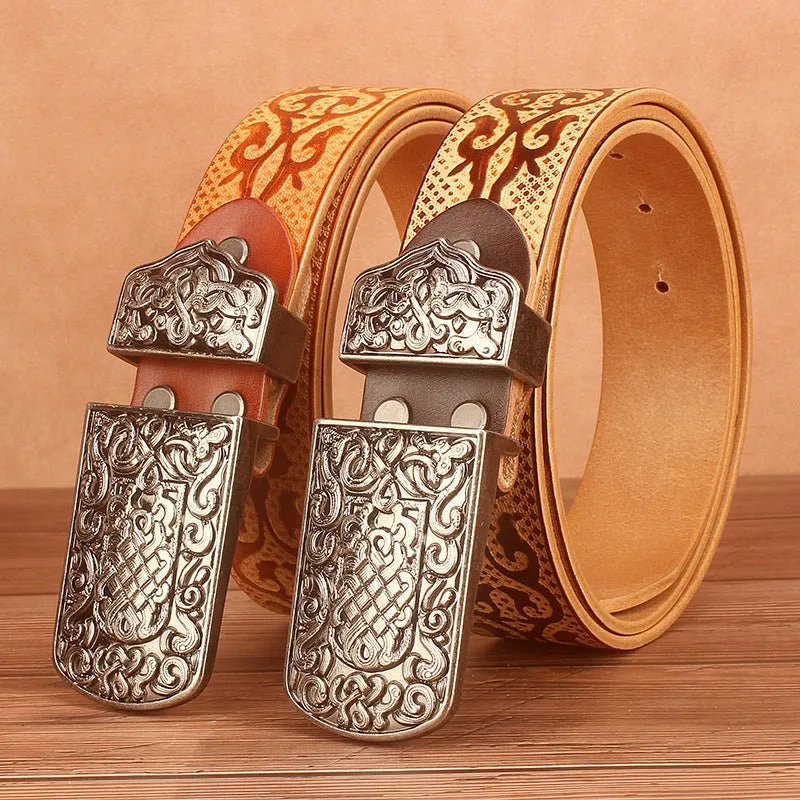
Yes, cowboy leather belts stretch between half an inch and one full inch during the first few months of regular wear. Full-grain leather used in authentic western belts gradually conforms to your body shape and daily movement, with most stretching concentrated around the buckle holes you use most often. How much your belt stretches depends on leather thickness, tanning quality, and whether you wear it daily or occasionally.
How Leather Stretches During Break-In
Western leather belt men’s styles behave differently than synthetic or bonded-leather options. Full-grain cowhide compresses and relaxes as the fibers adjust to tension and body heat. The stretch happens slowly and predictably over 30 to 90 days of wear.
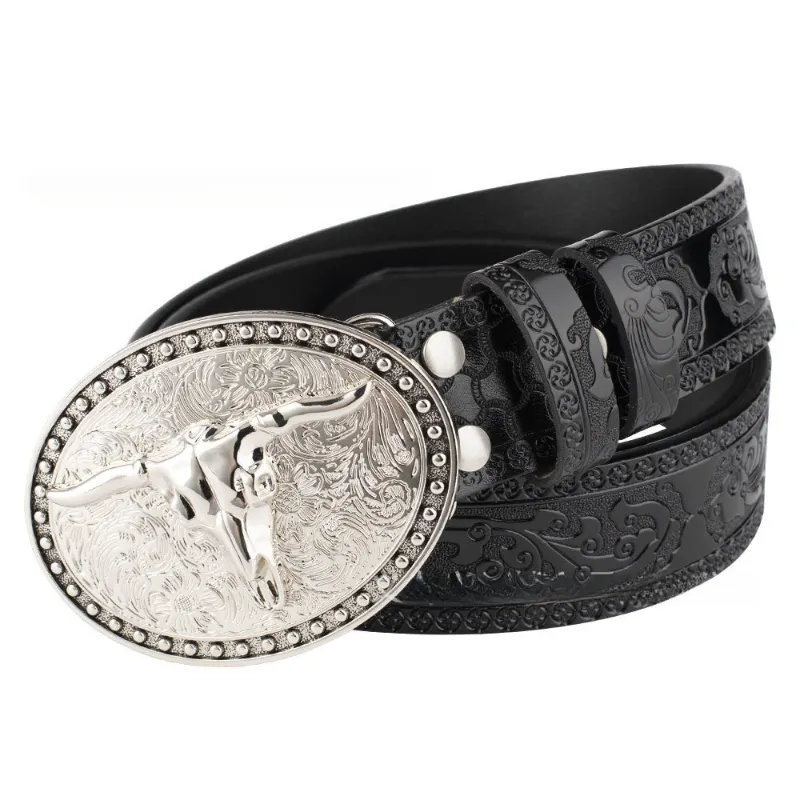
Thickness matters most. A 9-ounce tooled leather belt with name detailing stretches less than a 6-ounce dress belt because denser fiber resists deformation. Most cowboy belt options land between 8 and 10 ounces, giving you about ¾ inch of stretch before the fit stabilizes.
Break-in timeline:
- Week 1 to 2: leather softens at wear points but holds original size
- Week 3 to 6: noticeable give around your most-used hole, up to ½ inch
- Month 2 to 3: stretch reaches its maximum, typically ¾ to 1 inch total
- After 3 months: belt maintains new size with minimal further change
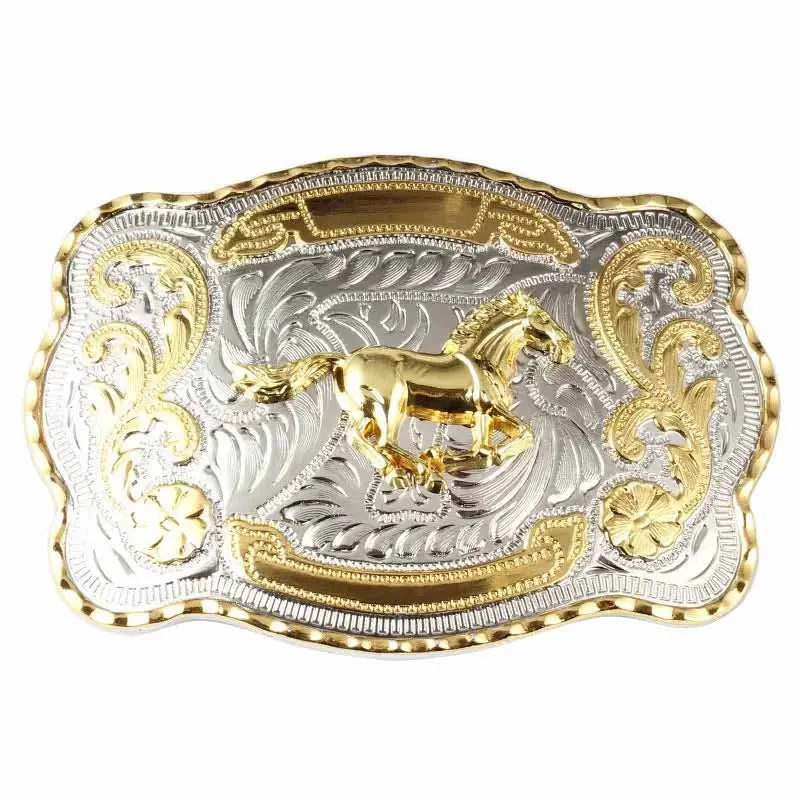
If you pair your belt with statement cowboy belt buckles for men, the buckle weight can accelerate stretching in the first six inches of leather behind the buckle bar.
Should You Size Down When Buying?
We recommend ordering your true waist size for belts you plan to wear daily. The typical ½ to 1 inch of stretch means you will move from your initial hole to the next tighter hole after break-in, keeping the fit secure without needing a smaller belt.
Size down only if:
- You wear the belt occasionally (less than twice per week)
- The leather measures under 7 ounces and feels thin
- You prefer a snug fit from day one and accept it will loosen
Stick with true size if:
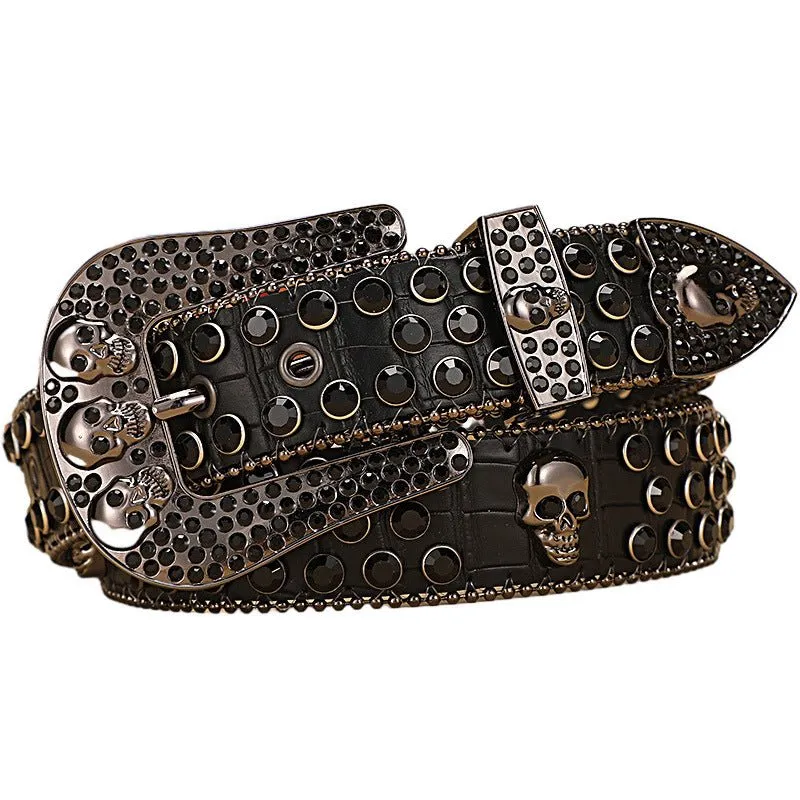
- The belt has tooled or embossed detailing that stiffens the leather
- You are ordering a skull belt or design with thick decorative elements
- You plan to use different holes for tucked versus untucked shirts
Check our discount code page before you order to save 10% sitewide and make sizing experiments more affordable.
Leather Type and Stretch Comparison
Not all cowboy belts and buckles behave the same way. Tanning method and leather finish change how much give you can expect.
| Leather Type | Stretch Range | Best For |
|---|---|---|
| Full-grain tooled | ½ to ¾ inch | Daily wear, maintains shape longest |
| Full-grain smooth | ¾ to 1 inch | Dress and casual, breaks in faster |
| Top-grain oiled | ½ inch | Work belts, resists stretching well |
| Exotic (bison, elk) | ¼ to ½ inch | Premium buyers, minimal stretch |
Custom leather belts with name stamping or carved patterns stretch less because the tooling compresses fibers during production. If you are shopping for a tooled leather belt buckle pairing, expect the decorated sections to hold their shape better than plain leather running through your loops.
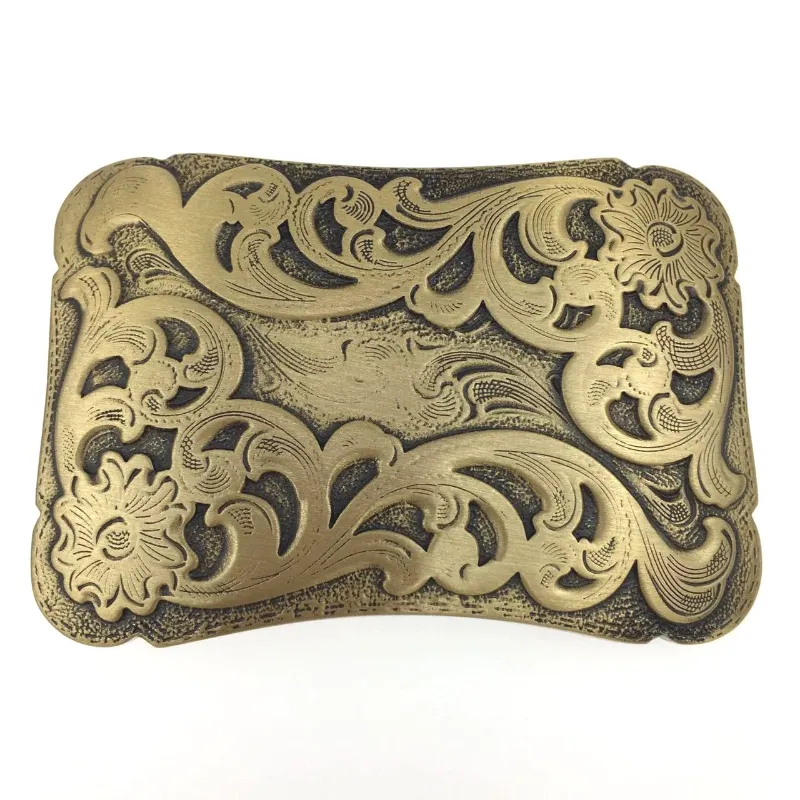
Vintage belt buckles and heavyweight brass belt buckles add 4 to 8 ounces of pull on the leather. Over time, this weight encourages slightly more stretch than a lightweight buckle, especially if you sit for long periods during the day.
How to Control and Minimize Stretching
You can slow stretching and extend your belt’s working life with three core habits.
Rotate your buckle holes. Instead of fastening the same hole every day, alternate between your primary hole and the next looser setting once or twice per week. This distributes stress and prevents a single hole from overstretching.
Store flat or rolled, never hung. Hanging a cowboy leather belts style by the buckle pulls the leather under its own weight. Roll it loosely buckle-side in or lay it flat in a drawer.
Condition every 8 to 12 weeks. Leather conditioner keeps fibers supple and prevents brittleness that leads to cracking, but too much softens the belt and accelerates stretch. Apply a thin coat with a cloth, let it absorb for 20 minutes, then wipe away excess.
Avoid water and extreme heat. Soaking a western belt causes fibers to swell and then shrink unevenly as they dry, leading to permanent warping. If your belt gets wet, blot it dry and let it air-dry flat at room temperature. Never leave it in a hot car or near a radiator.
When Your Belt Stretches Too Much
If your cowboy belt stretches past the point where the tail length looks proportional or you have run out of tighter holes, you have two practical fixes.
Add a new hole. Use a leather punch tool (available at hardware stores) to create a new hole 1 inch inward from your current tightest setting. Mark the spot with a pen, punch slowly, and smooth the edges with fine sandpaper. This works for belts with 1 to 1½ inches of stretch.
Visit a cobbler for shortening. A leather professional can remove 2 to 3 inches from the tail, re-punch all holes, and reattach the buckle keeper and tip for $15 to $30. This is the cleanest option for heavily stretched belts or when you want to preserve custom tooling near the buckle.
Before you decide, check current prices to see if replacing the belt with a fresh size costs less than repairs, especially during seasonal sales.
Pairing Buckles With Stretched Belts
Swapping buckles changes how your belt wears over time. A slim knife belt buckle distributes less weight than a 4-inch texas belt buckle, so rotating buckles can extend the life of a single leather strap.
Most western belts use a snap-closure strap that makes buckle swaps simple. If you collect vintage belt buckles or decorative cross belt buckle designs, you can rotate them across one well-fitted belt instead of buying a separate strap for each buckle.
Buckle weight guide:
- 2 to 4 oz: minimal impact on stretch (dress and slim buckles)
- 5 to 7 oz: moderate pull, ideal for daily rotation (standard cowboy buckles)
- 8+ oz: accelerates stretch, best for occasional statement wear (trophy and oversized buckles)
Lighter buckles work better on already-stretched belts because they reduce further stress on the leather.
What to Expect Long-Term
A quality full-grain belt reaches its maximum stretch after three months and then stabilizes for years. You will move one or two holes tighter during break-in, but the belt will not continue loosening indefinitely if you care for it properly.
Expect 5 to 10 years of regular use from a well-made cowboy leather belts option before the leather thins or cracks around the holes. Custom western belts with name tooling often last longer because the decorative compression strengthens high-wear areas.
Plan to replace your belt when the leather shows cracking near the buckle, the holes tear into ovals, or the belt stretches beyond the last hole even after punching new ones. These signs mean the fiber structure has broken down and conditioning will no longer restore integrity.
Questions
How much do cowboy leather belts stretch after regular wear?
Most full-grain cowboy leather belts stretch between half an inch and one full inch during the first 30 to 90 days of regular wear. Thicker tooled leather stretches less than thinner smooth leather, and the stretch stabilizes after the initial break-in period.
Should I buy a smaller size to account for stretching?
Order your true waist size if you plan to wear the belt daily. The natural stretch will move you from your starting hole to the next tighter hole, keeping a secure fit without needing to size down initially.
Can I stop my western belt from stretching?
You can slow stretching by rotating between buckle holes each week, storing the belt flat instead of hanging it, and conditioning the leather every 8 to 12 weeks. Avoid water and extreme heat, which cause uneven stretching and permanent damage.
What should I do if my belt stretches too much?
Punch a new hole 1 inch inward from your tightest setting using a leather punch tool, or take the belt to a cobbler to have 2 to 3 inches removed and the hardware reattached. Both options restore a proper fit for heavily stretched belts.
Do tooled leather belts stretch as much as smooth ones?
No, tooled and embossed leather stretches about half as much as smooth full-grain leather because the decorative process compresses and stiffens the fibers. Expect around half an inch of stretch from a heavily tooled cowboy belt.
Does buckle weight affect how much a belt stretches?
Yes, heavier buckles weighing 8 ounces or more pull on the leather and can accelerate stretching by up to 25 percent, especially if you sit for long periods. Rotating lighter buckles helps control this effect.
Products in this guide
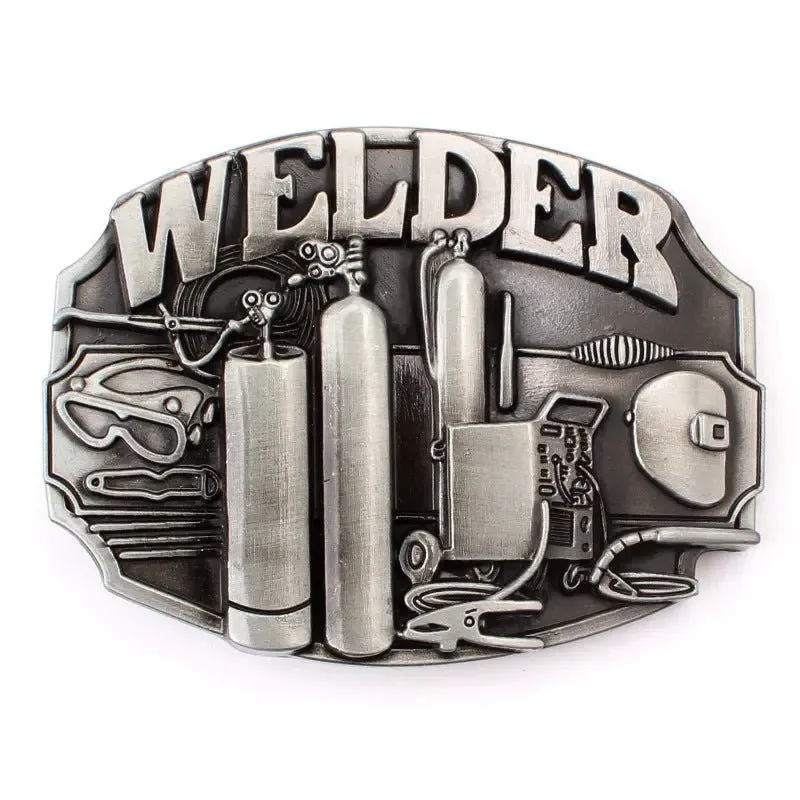
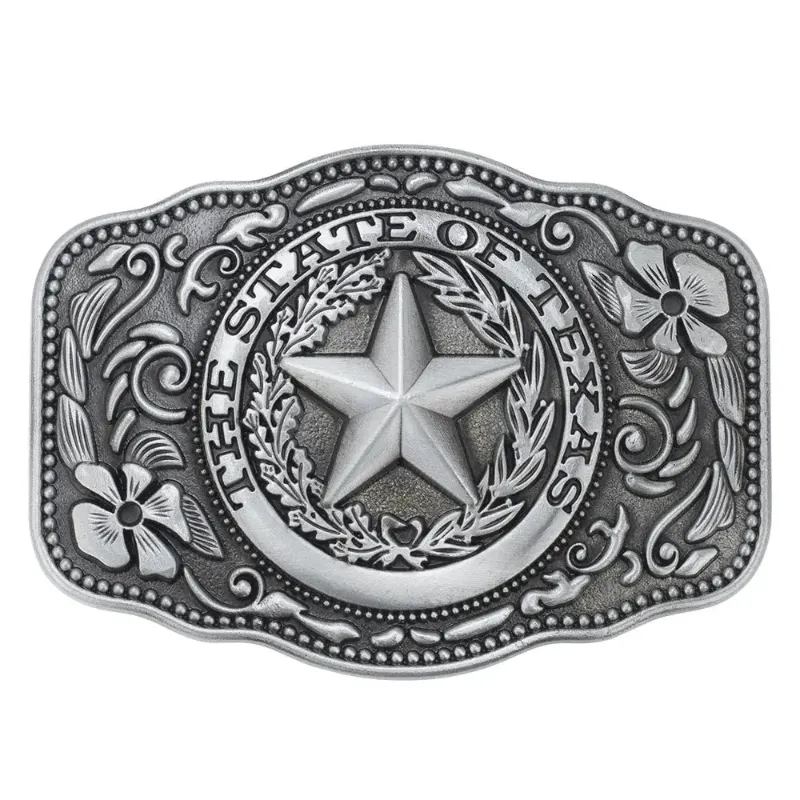 Shopping at Cowderry? See the discount code
10% OFF Sitewide
Shopping at Cowderry? See the discount code
10% OFF Sitewide
More in this series
Will a Coin Holder Belt Buckle Set Off Metal Detectors?18 Aug 20265 minBest Belt Buckle Size for Your Western Belt Width: Fit Guide18 Aug 20264 minHow to Clean and Care for Brass Belt Buckles Without Tarnishing18 Aug 20264 minBrass vs. Vintage Belt Buckles: Which Holds Up Better Over Time?18 Aug 20265 minHow to Attach a Belt Buckle to a Leather Belt: Western Style Guide18 Aug 20265 min