 A Cowderry guide
Best Belt Buckle Size for Your Western Belt Width: Fit Guide
A knife belt buckle needs to match your belt width precisely, typically ranging from 1.5 to 2 inches for most western styles.
Matching Your Belt Buckle to Belt Width
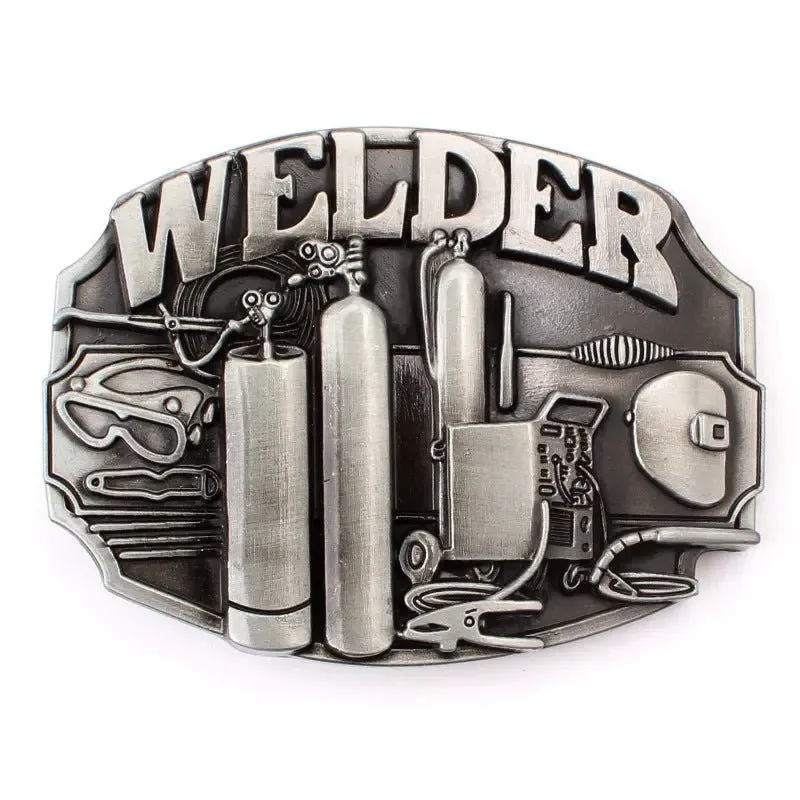
A knife belt buckle fits best when it matches your belt width within a quarter-inch tolerance. Most western belts run 1.5 inches wide, which pairs with standard buckles designed for that measurement, while wider 1.75- to 2-inch belts require proportionally larger hardware. Mismatch the two and your buckle will either pinch the leather or slide loosely, ruining both function and appearance.
Standard Belt Widths and Buckle Compatibility
Western belt widths cluster around three measurements, and each demands specific buckle sizing.
Common belt widths:
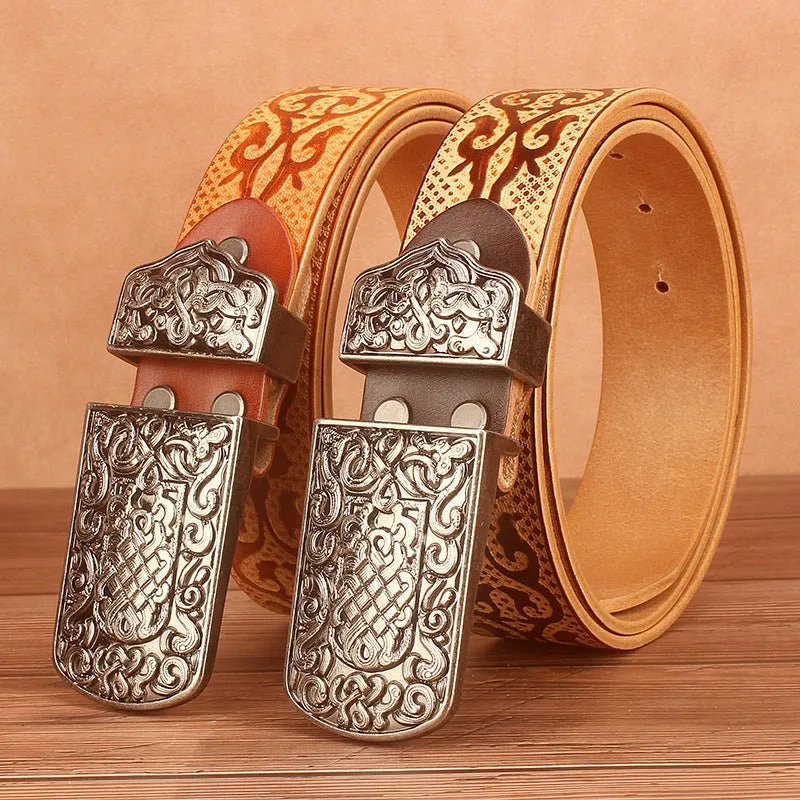
- 1.5 inches: The most popular width for dress western belts and everyday jeans wear. Nearly all standard buckles fit this size.
- 1.75 inches: A mid-weight option for men’s belts that want more presence without bulk. Compatible with many 1.5-inch buckles if the loop offers slight give.
- 2 inches: Heavy-duty cowboy leather belts and statement pieces. Requires buckles explicitly marked as 2-inch or wider.
Women’s belts typically run narrower, from 1.25 to 1.5 inches, so a knife belt buckle women can swap easily needs a loop sized to match. Measure your existing belt width with a ruler laid flat against the leather before shopping for new hardware.
| Belt Width | Buckle Loop Size | Best For |
|---|---|---|
| 1.25 inches | 1.25 to 1.5 inches | Women’s western belts, slim dress belts |
| 1.5 inches | 1.5 inches | Standard cowboy belt, jeans, everyday wear |
| 1.75 to 2 inches | 1.75 to 2 inches | Heavy leather, statement buckles, work belts |
How to Measure Your Belt and Buckle Loop
Precise measurements prevent returns and fit headaches. Lay your belt flat on a table and measure the width of the leather strap from edge to edge with a ruler or caliper. Ignore any stitching or decorative tooling that sits outside the main body.
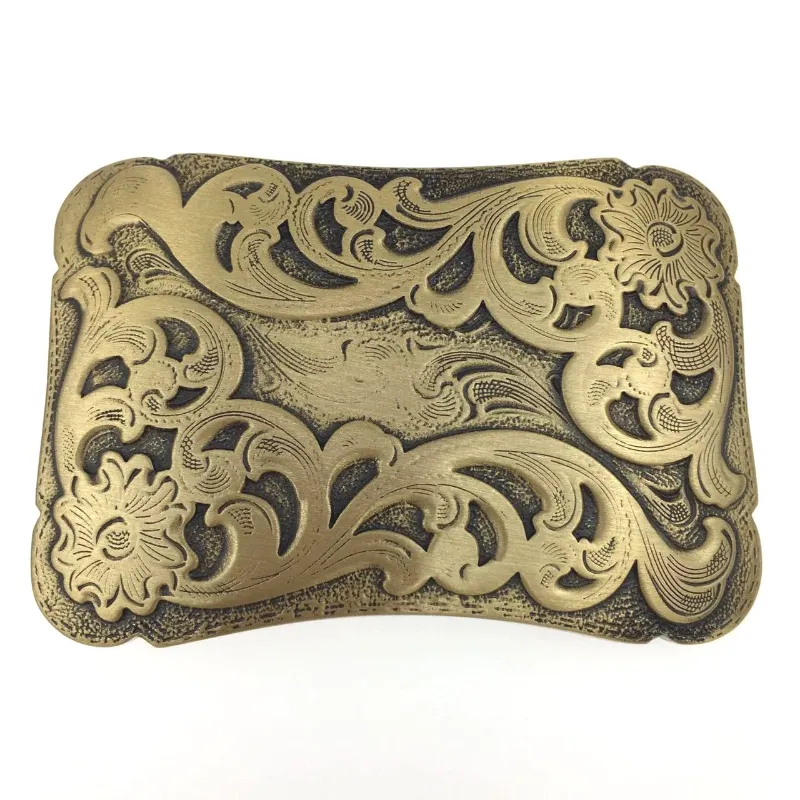
For the buckle, measure the inside width of the loop or bar that the belt threads through. This is the critical dimension. A hidden belt buckle knife or vintage belt buckles often list this spec in the product details, but if missing, check the store page or grab the code to contact support before ordering.
Quick measurement checklist:
- Measure belt leather width, not including edge stitching
- Measure buckle loop interior width, bar to bar
- Allow 1/16 to 1/8 inch clearance for smooth threading
- Check if the buckle accommodates layered or folded leather (adds thickness)
Choosing the Right Buckle Style for Your Belt
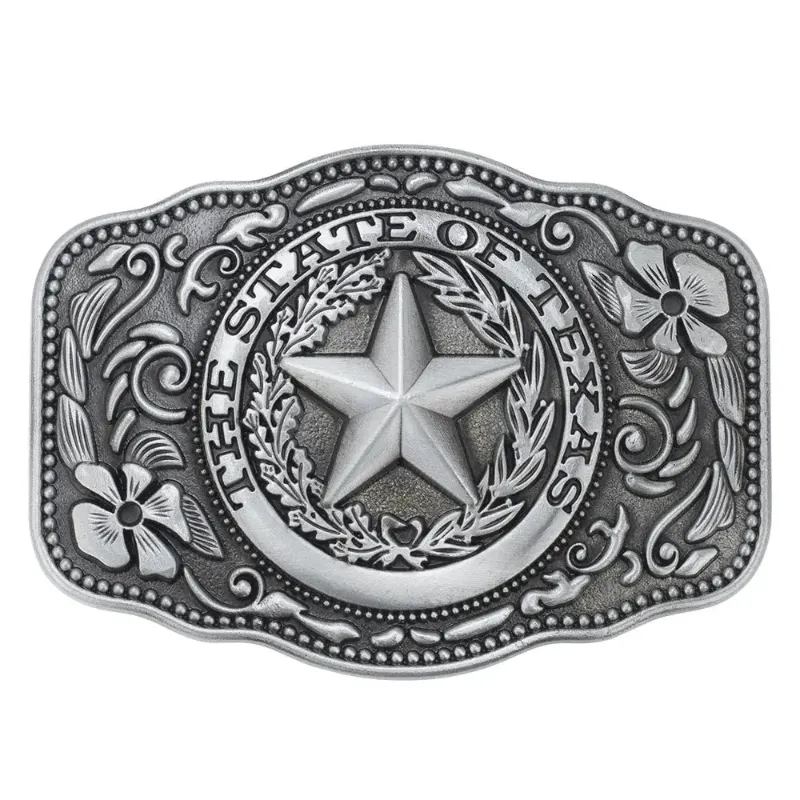
Different buckle designs interact with belt width in unique ways. A texas belt buckle with a large rectangular face may visually balance a 2-inch belt but overwhelm a slim 1.25-inch strap. Conversely, delicate brass belt buckles shine on narrower women’s belts but disappear on wide work leather.
Style and proportion guidelines:
- Statement buckles (4+ inches wide), Pair with 1.75- to 2-inch belts to anchor the visual weight
- Classic western ovals: Versatile across 1.5- to 1.75-inch widths
- Hidden knife belt buckle for sale: Function-first designs that work best with standard 1.5-inch men’s belts for concealment
- Ornate cross belt buckle or skull belt: Medium to large faces suited to 1.5- to 1.75-inch straps
If you plan to swap buckles frequently, stick with a 1.5-inch cowboy belt as your base. That width offers the broadest compatibility with both vintage and modern hardware.
Common Fit Problems and How to Fix Them
Buckle too narrow for the belt: The leather bunches or folds as it threads through the loop, creating a sloppy bulge. Solution: size up your buckle or trim the belt edges slightly (only if unfinished leather allows it).
Buckle too wide: The belt slides side to side inside the loop, tilting the buckle face and stressing the attachment points. Solution: add a thin leather shim inside the loop, or switch to a wider belt.
Thick layered leather won’t fit: Double-layer cowboy leather belts add depth that standard loops don’t accommodate. Solution: look for buckles with deeper loops or “heavy-duty” ratings that specify thickness tolerance.
Prong holes misaligned: The buckle prong doesn’t line up with your belt holes after threading. Solution: measure the distance from the buckle bar to the prong and compare to your belt’s hole spacing (usually 1 inch intervals). Adjust by punching a new hole or repositioning the buckle.
Where to Buy and Save on Western Buckles
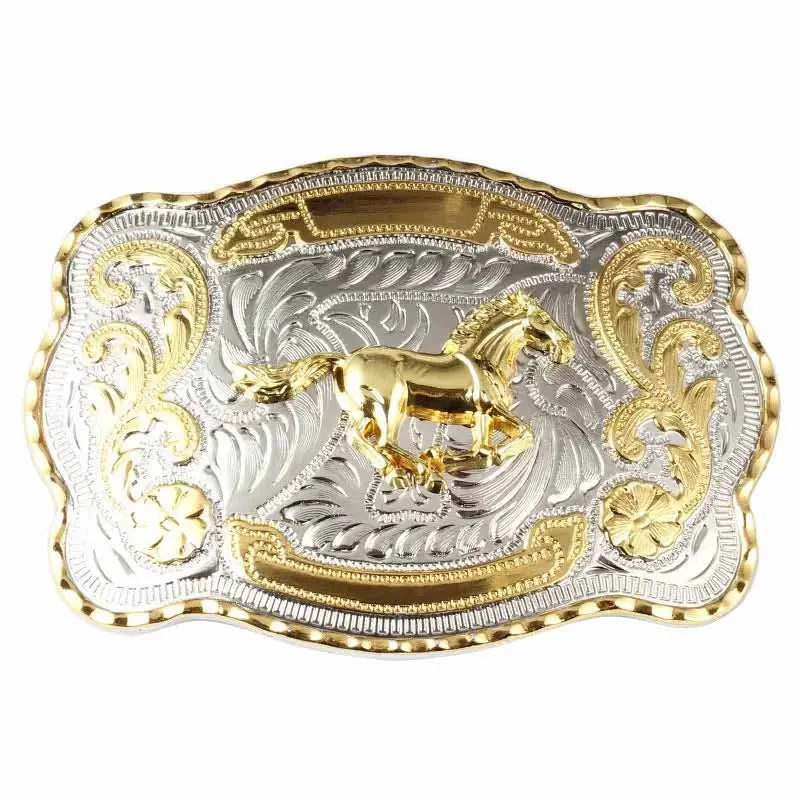
We source our knife belt buckle and vintage belt buckles from Cowderry, which stocks a curated range of functional and decorative hardware for western wear enthusiasts. Their inventory includes hidden belt buckle knife options, ornate brass belt buckles, and classic cowboy belt buckles for men across all standard widths.
Check the latest price and apply the current 10% off sitewide code at checkout to bring down the cost on multi-buckle orders. Free shipping typically kicks in above a modest threshold, so bundling a new western belts with your buckle often saves more than buying separately.
Match your measurements to the product specs on each listing, and if you’re between sizes, favor the slightly larger buckle loop for easier threading and longer leather life.
Products in this guide
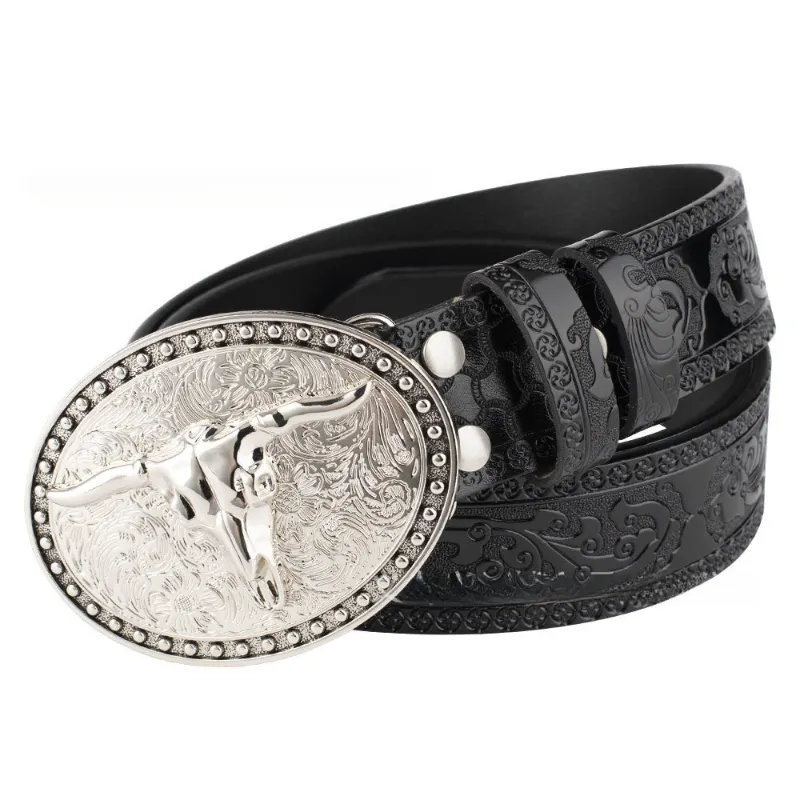 Shopping at Cowderry? See the discount code
10% OFF Sitewide
Shopping at Cowderry? See the discount code
10% OFF Sitewide
More in this series
Will a Coin Holder Belt Buckle Set Off Metal Detectors?18 Aug 20265 minHow to Clean and Care for Brass Belt Buckles Without Tarnishing18 Aug 20264 minDo Cowboy Leather Belts Stretch? What to Expect After Break-In18 Aug 20265 minBrass vs. Vintage Belt Buckles: Which Holds Up Better Over Time?18 Aug 20265 minHow to Attach a Belt Buckle to a Leather Belt: Western Style Guide18 Aug 20265 min