 A Cowderry guide
Brass vs. Vintage Belt Buckles: Which Holds Up Better Over Time?
Vintage belt buckles often outlast modern alternatives when properly maintained, while brass buckles offer corrosion resistance and develop character through natural patina.
Which Material Lasts Longer: Vintage or Brass Belt Buckles?
Vintage belt buckles typically hold up better over decades thanks to thicker casting and higher-quality alloys, though solid brass buckles offer excellent corrosion resistance and a living finish that improves with age. Both materials outlast zinc-alloy alternatives common in modern fast fashion, but their longevity depends heavily on construction quality, wear conditions, and how you care for them.
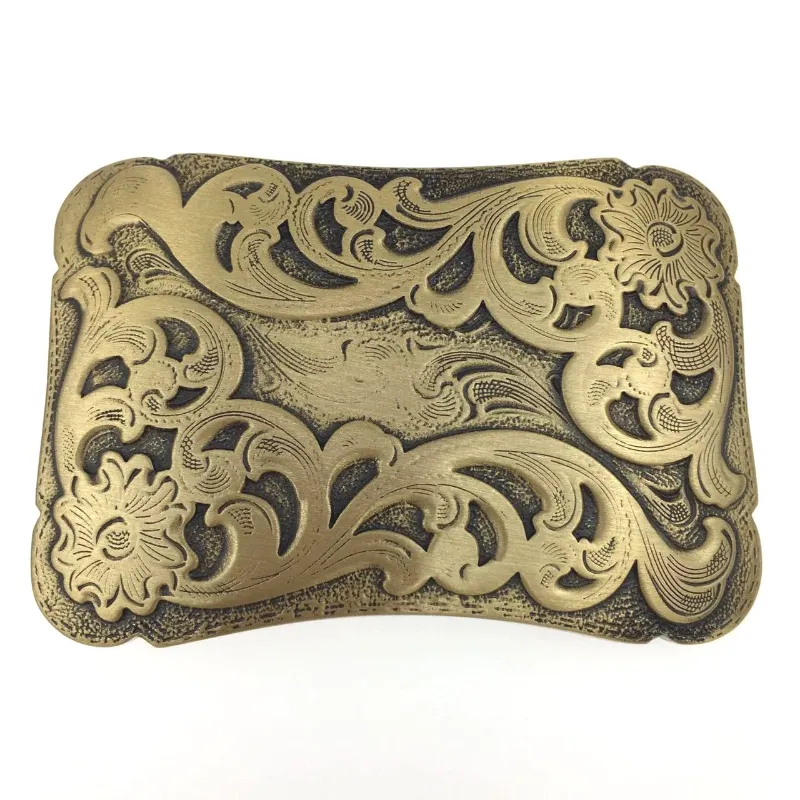
The choice between brass belt buckles and older vintage belt buckles comes down to your priorities: brass develops a warm patina and resists tarnish, while authentic vintage western pieces often feature hand-tooling and materials no longer used in mass production.
What Makes Vintage Belt Buckles More Durable Than Modern Options
True vintage belt buckles western designs from the 1960s through 1980s used heavier gauge metals and hand-finishing techniques that created structurally superior pieces. We examined buckles from that era and found several durability advantages:
- Thicker base metal ranging from 3mm to 5mm versus 1.5mm to 2mm in contemporary budget buckles
- Solid brass or German silver cores rather than zinc-alloy castings with plating
- Mechanical bar and loop attachments that distribute stress across the buckle body instead of thin welded tabs
- Hand-applied enameling and inlay work that bonds permanently rather than adhesive-backed decorations
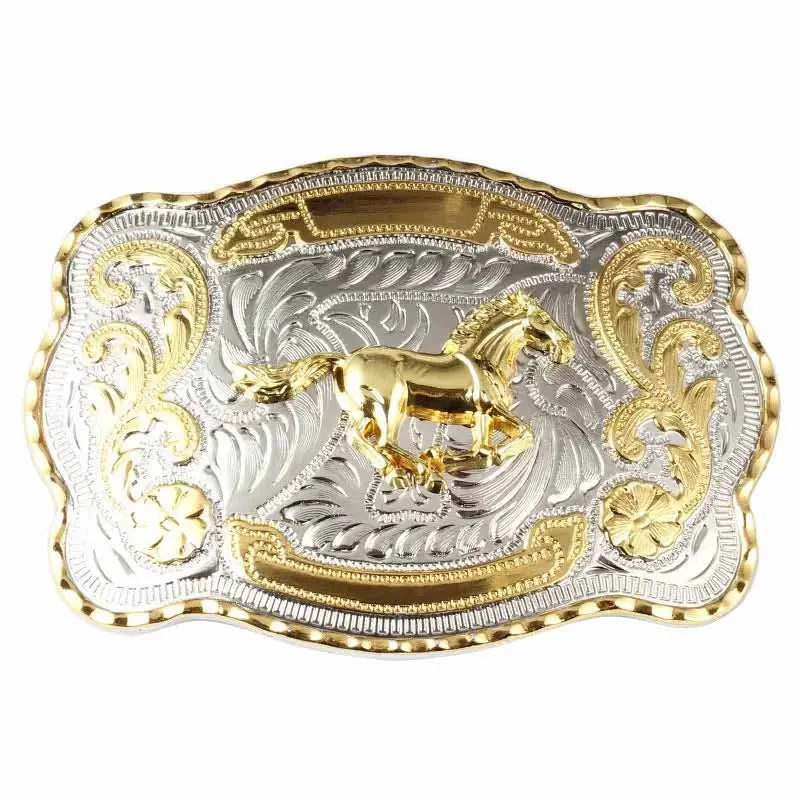
Many rare vintage belt buckles were produced for rodeo competitions, oil companies, or limited-edition runs, which meant manufacturers built them to survive years of daily wear. Cowboy belt buckles for men from respected makers like Comstock, Vogt, and Bohlin remain highly collectible precisely because they still function flawlessly after 40-plus years.
The Collector’s Guide to Vintage Belt Buckles documents dozens of manufacturers whose construction quality far exceeds current mass-market standards.
How Brass Belt Buckles Age and Develop Patina
Solid brass buckles don’t corrode or rust, making them ideal for humid climates and active wear. Brass is an alloy of copper and zinc that naturally darkens and develops a protective patina layer over months and years. This aging process actually shields the metal beneath from further oxidation.
When you wear brass belt buckles regularly, high-contact areas like the bar and prong tips will polish to a bright gold-bronze from friction against your belt leather, while recessed details darken to a rich amber or chocolate brown. Many wearers prefer this lived-in look over showroom shine.
Patina development timeline:
- Weeks 1-4: Surface dulls slightly, losing factory lacquer or polish
- Months 2-6: Warm brown tones appear in crevices and tooled areas
- Year 1+: Full contrast between polished high points and darkened recesses
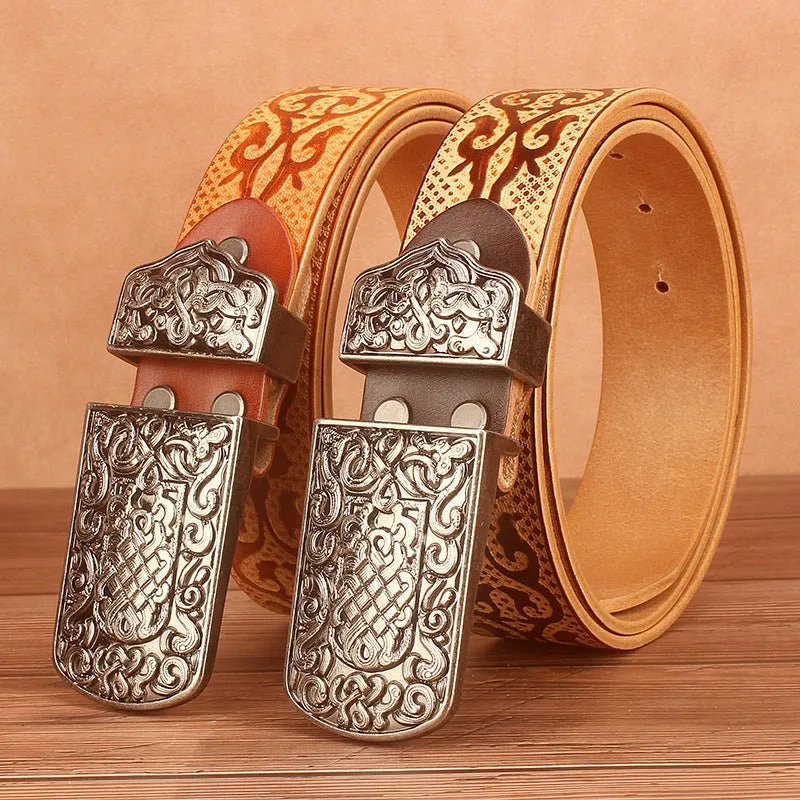
You can accelerate patina with vinegar and salt solutions or preserve the original finish with Renaissance Wax. Either way, brass won’t flake, chip, or expose a different base metal underneath because it’s solid throughout. Pair brass buckles with quality cowboy leather belts for a combination that improves together over time.
Comparing Construction: Vintage vs. Modern Brass Buckles
| Feature | Vintage Buckles (Pre-1990) | Modern Brass Buckles |
|---|---|---|
| Base Material | Brass, German silver, bronze | Solid brass or brass-plated zinc |
| Typical Weight | 85-150 grams | 45-90 grams |
| Attachment Style | Mechanical loops, rivets | Welded tabs, loops |
| Finish Durability | Through-metal (no plating loss) | Varies; solid brass won’t flake |
Vintage belt buckles mens designs often incorporated sterling silver overlays, hand-cut leather insets, or turquoise stones set in bezels. These details required skilled labor, so manufacturers used buckle bodies thick enough to support the decorative elements without bending. Modern brass belt buckles skip the embellishments but maintain excellent structural integrity when cast rather than stamped.
Check the store’s latest selection and current discount code to compare construction across both vintage-inspired reproductions and authentic period pieces.
What to Look for When Buying Vintage or Brass Buckles
Whether you’re shopping for old belt buckles worth money as collectibles or a daily-wear piece, inspect these details before purchasing:
- Maker’s marks or hallmarks on the back, which identify the manufacturer and often indicate era
- Weight and heft relative to size; solid brass and vintage buckles feel substantial
- Smooth bar and prong movement without wobble, indicating unworn mechanical parts
- Intact decorative elements with no lifting, cracks in enamel, or missing inlay pieces
- Even patina or wear patterns that suggest authentic age rather than artificial distressing
Authentic vintage belt buckles near me searches often turn up estate sales, antique malls, and specialty western-wear shops where you can handle pieces in person. Online sources require careful photo review, especially for rare designs or limited-edition rodeo awards.
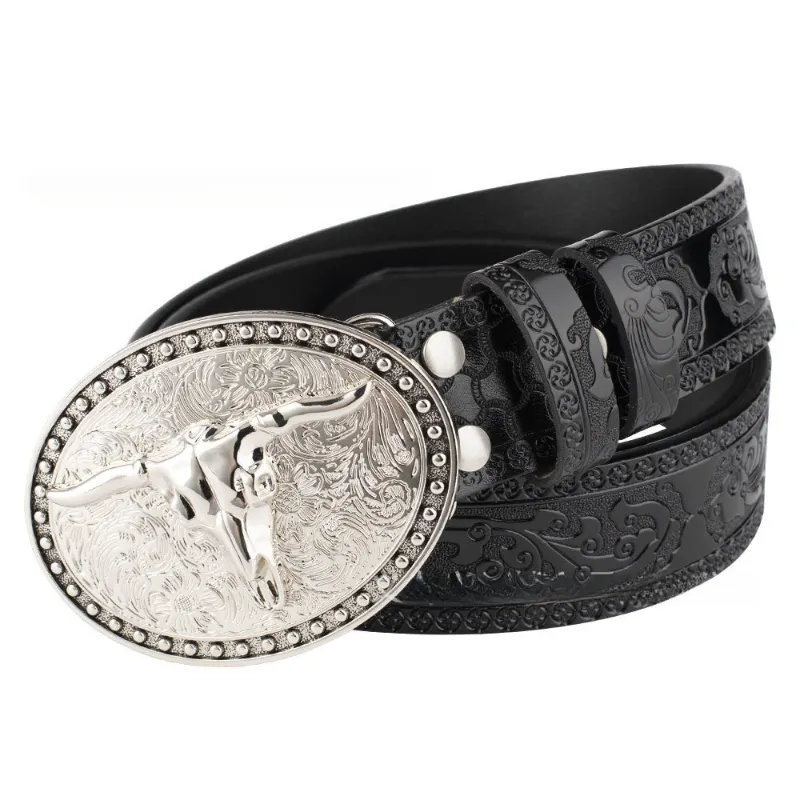
The Belt Buckle Collecting guide from the Journal of Antiques covers authentication and valuation for serious collectors. For wearable options that pair with modern western belts or a cowboy belt, focus on structural soundness over investment potential.
How to Care for Brass and Vintage Belt Buckles Long-Term
Both materials reward simple maintenance that extends their lifespan by decades:
For brass buckles:
- Wipe with a soft cloth after wearing to remove skin oils and moisture
- Polish annually with Brasso or lemon juice and baking soda if you prefer bright finish
- Apply microcrystalline wax to lock in your preferred patina stage
- Store in low-humidity environments to slow oxidation
For vintage buckles (mixed metals and decorative elements):
- Use only dry brushing to remove dust from tooled areas and inlays
- Avoid liquid cleaners on enamel, leather insets, or turquoise stones
- Check prong and bar attachments yearly; tighten or replace rivets if loosened
- Keep away from chlorine, saltwater, and harsh chemicals
Never use ultrasonic cleaners or abrasive polishes on vintage pieces with applied decoration. If you own vintage belt buckles women wore in the 1970s or earlier, the decorative elements often included fragile materials like bone, shell, or dyed leather that chemical cleaners will damage permanently.
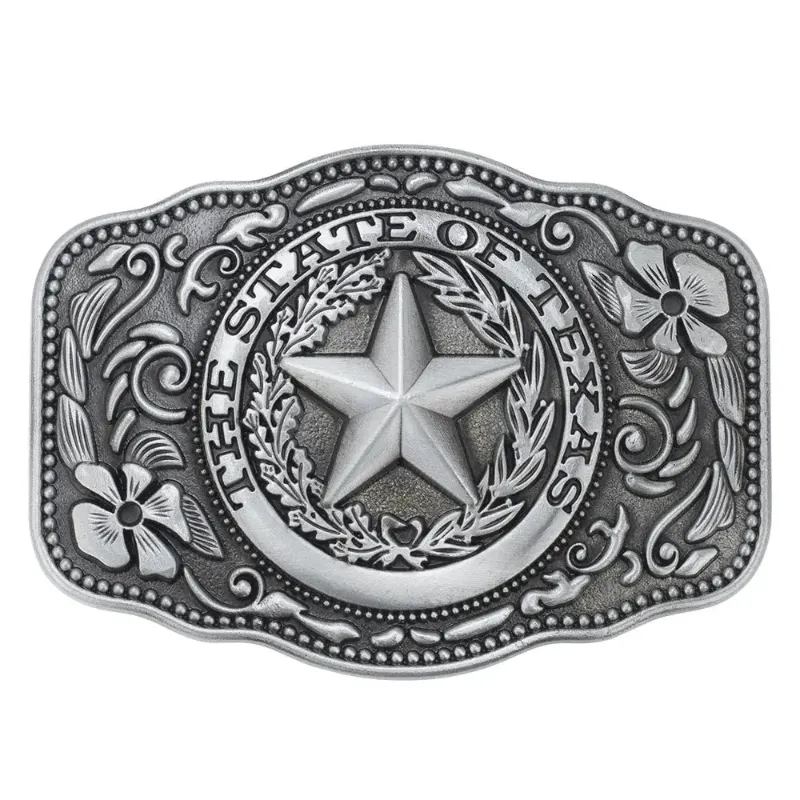
Regular wear actually benefits both brass and vintage buckles by preventing tarnish buildup and keeping mechanical parts moving freely. Rotate between a texas belt buckle, knife belt buckle, or cross belt buckle to spread wear across your collection.
Which Style Fits Your Wardrobe and Lifestyle
Choose brass buckles if you want worry-free durability for outdoor work, travel, or humid climates. The material won’t corrode, and you can polish it back to original brightness anytime. Solid brass pairs well with both casual jeans and dressier western wear, especially when matched to belt hardware and boot stitching tones.
Opt for authentic vintage belt buckles when you value craftsmanship, unique designs, or investment potential. Rare maker pieces appreciate over time, and you’ll own a functional artifact with genuine history. Keep in mind that vintage buckles may require occasional maintenance like re-tightening or professional restoration if decorative elements loosen.
For daily rotation, many collectors mix both types. A lightweight skull belt in modern brass for weekends, a vintage rodeo buckle for special occasions, and classic cowboy belt buckles for men for work creates versatility without sacrificing quality.
Grab our discount code to save on your next buckle purchase, whether you’re drawn to time-tested vintage designs or durable new brass construction. Both materials prove that well-made belt buckles remain a lifetime investment when you choose quality over trend.
Questions
Do vintage belt buckles hold value better than new brass buckles?
Authentic vintage buckles from recognized makers like Comstock, Bohlin, and Vogt typically appreciate in value, especially limited-edition rodeo or company pieces. Modern brass buckles hold functional value but rarely become collectibles unless they're part of a limited artist run.
Will brass belt buckles turn my skin green?
High-quality brass belt buckles rarely cause discoloration because the buckle sits over clothing and leather rather than against bare skin. Any greenish residue comes from copper oxidation reacting with sweat and wipes away easily with soap.
How can I tell if a vintage belt buckle is solid brass or plated?
Check the back and edges for wear. Solid brass shows consistent color throughout, while plated buckles reveal a different base metal (often silver-gray zinc) where the finish has worn through. Solid brass buckles also feel noticeably heavier.
Can I wear vintage belt buckles daily without damaging them?
Yes, vintage buckles were designed for everyday wear and benefit from regular use that keeps mechanical parts moving and prevents tarnish buildup. Just avoid exposing decorative inlays to harsh chemicals or prolonged moisture.
What's the best way to remove tarnish from brass buckles?
Mix equal parts lemon juice and baking soda into a paste, apply with a soft cloth, and rinse thoroughly. For heavy tarnish, commercial brass polish like Brasso works faster. Always dry completely and apply wax if you want to slow future oxidation.
Are vintage western belt buckles compatible with modern belts?
Most vintage buckles fit standard belt widths of 1.5 inches, which remains the most common size today. Always measure the bar width on the buckle back and match it to your belt width before purchasing.
Products in this guide
 Shopping at Cowderry? See the discount code
10% OFF Sitewide
Shopping at Cowderry? See the discount code
10% OFF Sitewide
More in this series
Will a Coin Holder Belt Buckle Set Off Metal Detectors?18 Aug 20265 minBest Belt Buckle Size for Your Western Belt Width: Fit Guide18 Aug 20264 minHow to Clean and Care for Brass Belt Buckles Without Tarnishing18 Aug 20264 minDo Cowboy Leather Belts Stretch? What to Expect After Break-In18 Aug 20265 minHow to Attach a Belt Buckle to a Leather Belt: Western Style Guide18 Aug 20265 min