 A Delta North Tea guide
Can You Drink Blue Lotus Tea Every Night? Safety and Dosage Guide
Blue lotus tea can be consumed nightly by most adults when prepared at recommended doses, though we recommend starting slowly to assess your tolerance.
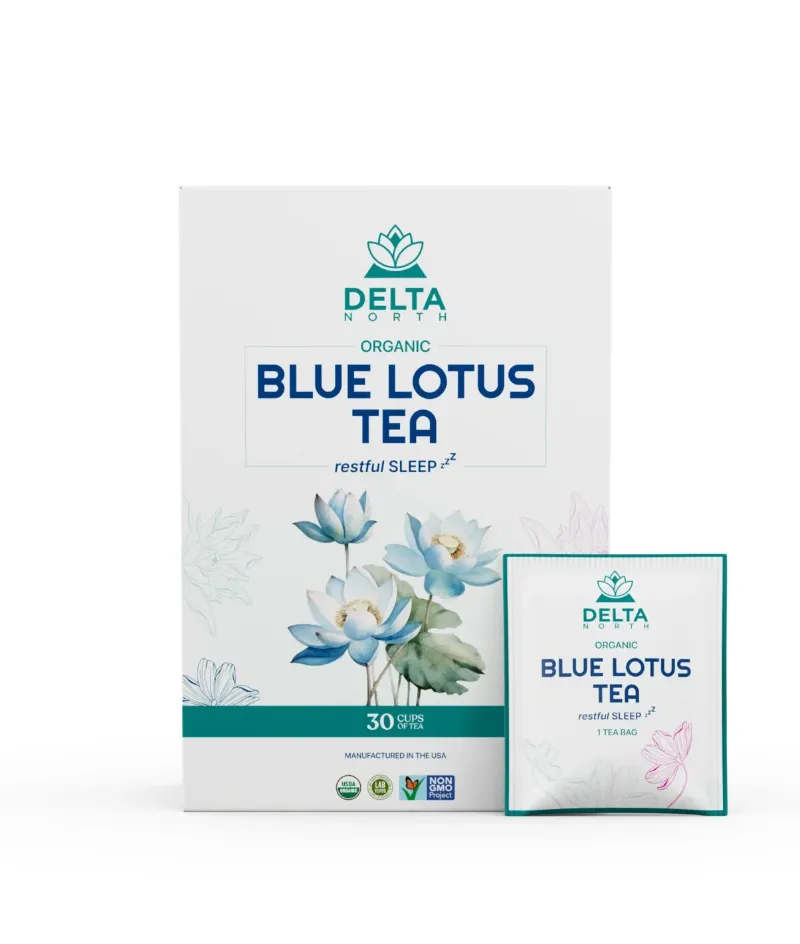
Yes, you can drink blue lotus tea every night, provided you stick to safe dosages and monitor how your body responds. Most adults tolerate 1 to 2 cups of properly brewed blue lotus flower tea each evening without adverse effects, though individual sensitivity varies.
Is Blue Lotus Tea Safe for Daily Use
The safety of nightly consumption depends on preparation strength and your health profile. Blue lotus (Nymphaea caerulea) contains alkaloids like aporphine and nuciferine, which produce mild sedative and calming effects. According to research on blue lotus flower benefits, these compounds are generally well-tolerated at traditional dosages.
We recommend these safety practices for regular use:
- Start with half-strength brews (1 to 2 grams of dried flower per cup) for the first week
- Increase gradually to standard strength (3 to 5 grams) only after assessing tolerance
- Take one night off per week to prevent dependence on any sleep aid
- Source from reputable suppliers who test for contaminants and pesticides
Most users experience no blue lotus tea side effects at recommended doses, though some report mild grogginess the next morning during the first few days. This typically resolves as your system adapts.
Recommended Dosage for Nightly Drinking
Dosage matters significantly when establishing a nightly routine.
Standard Evening Dose
- 3 to 5 grams dried blue lotus flowers per 8-ounce cup
- Steep 10 to 15 minutes in water just below boiling (190 to 200°F)
- Drink 30 to 60 minutes before bedtime
Beginner Protocol
- Start with 1 to 2 grams for the first three nights
- Increase by 1 gram every three days until desired effects appear
- Cap at 5 grams per serving to avoid excessive sedation
Many customers prefer organic blue lotus herbal sleep blend tea bags for consistent dosing, since each bag contains a pre-measured amount. This removes guesswork and ensures you are not accidentally over-steeping or using too much loose flower. Check our Delta North Tea discount code for current savings on both loose and bagged formats.
Blue Lotus Tea Effects and What to Expect
Understanding typical blue lotus tea effects helps you gauge whether nightly use suits your needs.
Effects remain mild compared to pharmaceutical sleep aids, which many users consider an advantage.
Some people experience subtle stimulation rather than sedation. If that describes you, blue lotus may not be ideal for your evening routine, though it could work well as a daytime calming tea instead.
Who Should Avoid Nightly Blue Lotus Tea
While generally safe for healthy adults, certain groups should skip nightly consumption or consult a healthcare provider first:
- Pregnant or breastfeeding individuals (insufficient safety data)
- People taking sedative medications or antidepressants (potential interaction)
- Those with liver conditions (alkaloid metabolism concerns)
- Anyone with known sensitivity to floral teas or lotus species
- Individuals operating heavy machinery within 8 hours of consumption
We also recommend avoiding nightly use if you are simultaneously using other herbal sedatives like valerian, passionflower, or high-dose chamomile. Combining multiple calming herbs increases the risk of excessive drowsiness.
If you are subject to workplace drug testing, note that blue lotus is legal in most regions but could theoretically trigger false positives on some screening panels, though this is rare.
Brewing Tips for Consistent Results
Achieving reliable effects night after night requires consistent preparation.
Hot Infusion Method
- Heat filtered water to 190 to 200°F (just before a rolling boil)
- Add 3 to 5 grams dried flowers or one tea bag to your cup
- Cover and steep for 12 to 15 minutes
- Strain and drink warm, optionally with honey or lemon
Cold Brew for Gentler Effects
- Place 5 to 7 grams blue lotus tea in a jar with 12 ounces cold water
- Refrigerate 8 to 12 hours or overnight
- Strain and drink chilled or at room temperature
Cold brewing extracts fewer tannins and produces a smoother, slightly less potent cup. This method works well if hot infusions feel too strong for nightly use. According to experts on crafting blue lotus tea, water temperature and steep time dramatically affect alkaloid extraction, so consistency matters.
Store dried flowers in an airtight container away from light and moisture. Properly stored blue lotus maintains potency for 12 to 18 months.
Where to Buy Quality Blue Lotus for Regular Use
Source quality determines both safety and effectiveness.
Their blue lotis tea line includes both loose-leaf and convenient tea bag formats. For nightly routines, we prefer the bagged versions for faster preparation and precise dosing, while loose flower allows more control over strength for experienced users.
When shopping, verify that products are:
- Sourced from Nymphaea caerulea (not synthetic substitutes)
- Lab-tested for heavy metals and contaminants
- Free from additives, fillers, or artificial colors
- Properly dried and stored to preserve alkaloid content
Grab our exclusive discount code to save 20% on your first order, which makes regular nightly use more affordable while you establish your routine.
Final Considerations for Nightly Use
Most people tolerate nightly blue lotus consumption well at recommended doses, but individual responses vary. We suggest keeping a simple journal for your first two weeks, noting brew strength, timing, sleep quality, and any side effects.
If you experience persistent grogginess, headaches, or digestive upset, reduce your dose by half or skip a few nights. The goal is sustainable support for relaxation and sleep, not dependency on any single remedy.
Blue lotus works best as part of a complete sleep hygiene routine that includes consistent bedtimes, reduced screen time, and a cool, dark bedroom. The tea enhances these practices rather than replacing them.
Questions
How much blue lotus tea is safe to drink per day?
Most adults can safely consume 1 to 2 cups per day using 3 to 5 grams of dried flower per cup. Start with lower doses and increase gradually to assess your tolerance.
Can blue lotus tea cause side effects with nightly use?
Most users experience no side effects at recommended doses. Some report mild morning grogginess during the first few days, which typically resolves as your body adapts.
Will I build a tolerance if I drink blue lotus every night?
Tolerance development appears minimal at standard doses, though taking one night off per week is a good precaution. Most users maintain consistent effects over weeks of nightly use.
How long before bed should I drink blue lotus tea?
Drink your tea 30 to 60 minutes before your target bedtime. Effects typically begin within 20 to 45 minutes and support sleep onset without heavy sedation.
Is organic blue lotus better for regular consumption?
Organic varieties reduce pesticide exposure, which is especially important for daily use. Lab-tested organic options ensure purity and consistent alkaloid content.
Can I mix blue lotus tea with other sleep herbs?
While possible, avoid combining multiple sedative herbs nightly as this increases drowsiness risk. If you want to blend, start with very small amounts of each herb and monitor your response carefully.
Products in this guide
Shopping at Delta North Tea? See the discount code
20% OFF All Orders
More in this series
Blue Lotus Tea Bags vs Loose Flower: Which Should You Buy?24 Aug 20264 minHow Long Does Blue Lotus Tea Take to Work?24 Aug 20265 minDoes Blue Lotus Tea Really Help With Sleep? What to Expect24 Aug 20264 minBlue Lotus Tea vs Chamomile: Which Herbal Sleep Tea Works Better?24 Aug 20264 minHow to Brew Blue Lotus Tea for Better Sleep and Relaxation24 Aug 20264 min