 A BODEGA cooler guide
Can a 6000 BTU Portable Air Conditioner Cool a Bedroom Effectively?
A 6000 BTU portable air conditioner effectively cools bedrooms between 150 and 250 square feet when properly sized and vented.
A 6000 btu portable air conditioner effectively cools bedrooms between 150 and 250 square feet when properly sized, insulated, and vented. These compact units deliver targeted cooling without permanent installation, making them ideal for renters, small spaces, and rooms where window units are not practical.
How Much Space a 6000 BTU Unit Actually Cools
The Department of Energy rates 6000 BTU portable air conditioners for rooms up to 250 square feet under ideal conditions. Real-world performance depends on ceiling height, insulation quality, window exposure, and heat sources like electronics or direct sunlight.
These units work best in:
- Single bedrooms measuring 10×15 feet or smaller
- Guest rooms with standard 8-foot ceilings
- Studio apartments with good insulation and minimal sun exposure
- Office spaces where you control the temperature in one zone
Rooms larger than 300 square feet or those with cathedral ceilings, south-facing windows, or poor insulation will struggle to reach comfortable temperatures, especially during peak afternoon heat. If your bedroom exceeds 250 square feet, consider stepping up to an 8000 or 10000 BTU model.
Performance Factors That Impact Bedroom Cooling
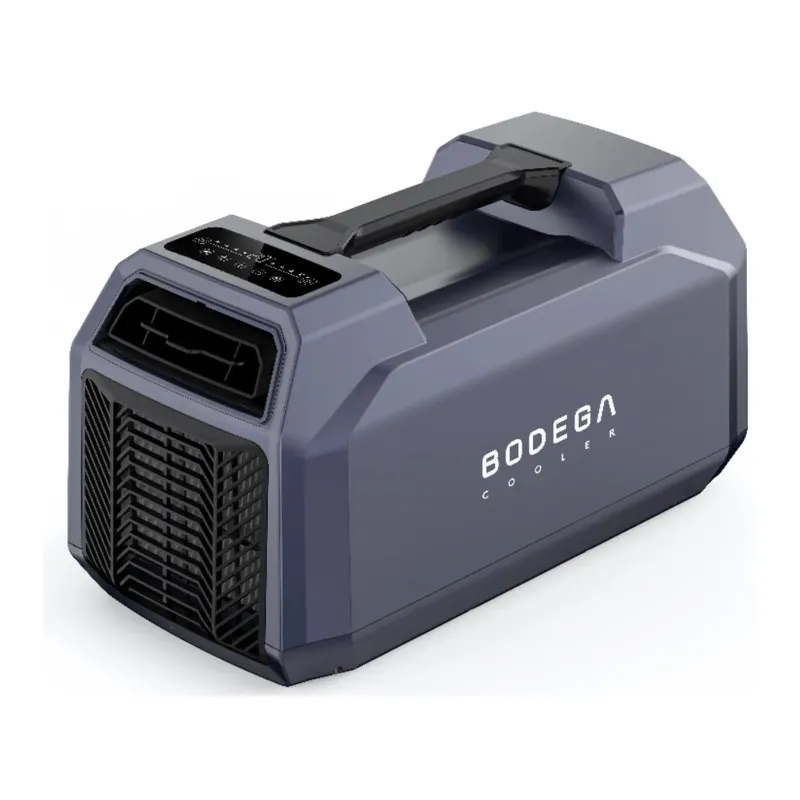
BTU ratings tell only part of the story. Several variables determine whether a 6000 btu portable air conditioner will keep your bedroom comfortable through the night.
Exhaust hose setup is critical. The hose vents hot air outside, and a poorly sealed window kit or kinked hose forces the unit to work harder and reduces efficiency by up to 30 percent. Always use the included window bracket and keep the hose as straight and short as possible.
Energy Efficiency Ratio (EER) measures cooling output per watt of electricity. Modern units typically range from 8.5 to 10.5 EER. Higher numbers mean lower operating costs and faster cooling. Popular portable models tested in 2026 show that EER above 9.5 delivers noticeable savings over a full summer.
Dehumidification capacity matters in humid climates. Most 6000 BTU units remove 1.5 to 2 pints of moisture per hour, which makes the air feel cooler even when the thermometer reads the same. If you live in the Southeast or Midwest, prioritize units with higher pint-per-hour ratings.
Noise levels range from 48 to 56 decibels on high fan speed. Units below 52 dB allow conversation and light sleep, while louder models can disrupt rest. Check manufacturer specs and user reviews for sleep mode or quiet operation features.
Comparing Portable AC Models for Small Bedrooms
When evaluating options, focus on coverage area, energy efficiency, and features that match your bedroom layout. The table below highlights key differences among popular 6000 BTU configurations.
| Feature | Standard 6000 BTU | Dual-Hose 6000 BTU | Smart 6000 BTU |
|---|---|---|---|
| Cooling Speed | Moderate | Faster | Moderate |
| Energy Draw | ~600W | ~650W | ~580W |
| App Control | No | No | Yes |
| Price Range | Budget | Mid-tier | Premium |
Single-hose units pull air from the room to cool the condenser and exhaust it outside, creating slight negative pressure. This draws warm air in through door gaps and cracks. They cost less and are simpler to set up.
Dual-hose models use one hose to draw outside air for the condenser and a second to exhaust heat, eliminating negative pressure. They cool 20 to 25 percent faster but weigh more and require two window openings or a larger bracket.
Smart-enabled units connect to Wi-Fi for remote control, scheduling, and energy monitoring. If you want to cool your bedroom before you arrive home or adjust settings from bed, these features justify the extra cost.
For current pricing and our exclusive discount, check the latest offers on trusted models.
Installation Tips for Maximum Bedroom Efficiency
Proper setup ensures your portable air conditioner reaches its rated cooling capacity.
- Position the unit 12 to 18 inches from the window to minimize hose length and bends
- Seal gaps around the window kit with foam weatherstripping to prevent hot air infiltration
- Keep the intake vent clear by placing the unit away from curtains, furniture, and walls
- Close bedroom doors and vents to other rooms so the unit cools only the intended space
- Use blackout curtains on sun-facing windows to reduce heat gain by up to 30 percent
Avoid placing the unit behind furniture or in closets, even if it hides the appliance. Blocked airflow reduces efficiency and can trigger overheat protection, cycling the compressor on and off unnecessarily.
Who Should Choose a 6000 BTU Portable Unit
A portable ac unit 6000 btu suits renters, small-space dwellers, and anyone who needs cooling without permanent installation. These units shine in scenarios where window air conditioners are prohibited by lease agreements or building aesthetics.
Apartment renters benefit from portability and the ability to take the unit when moving. No tools or landlord approval required beyond a temporary window bracket.
Homeowners with casement or sliding windows find portable models easier to adapt than traditional window units designed for double-hung windows.
Supplemental cooling needs in home offices, nurseries, or finished attics where extending central air is impractical or expensive.
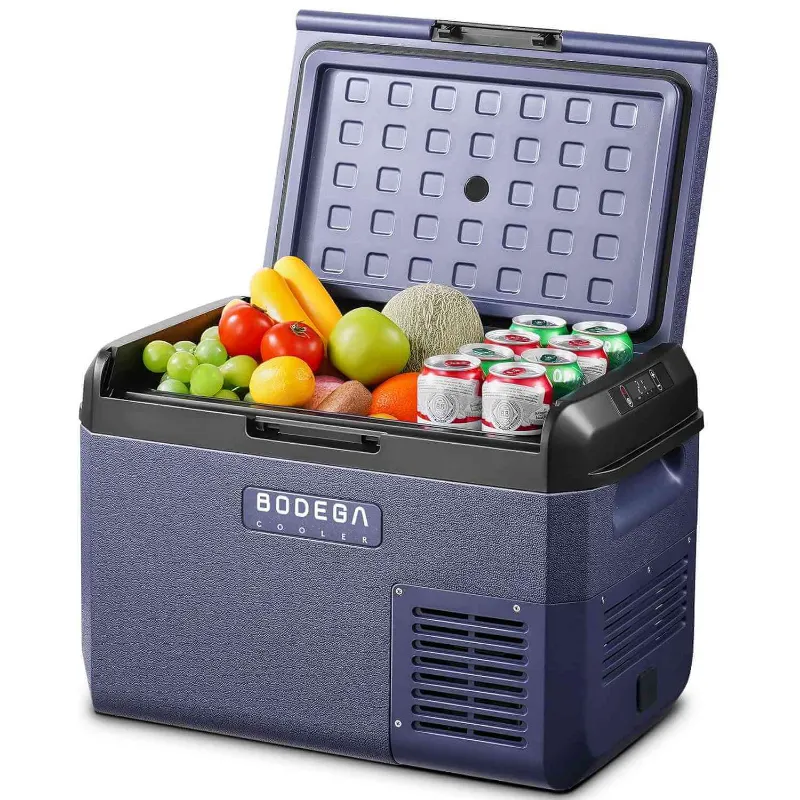
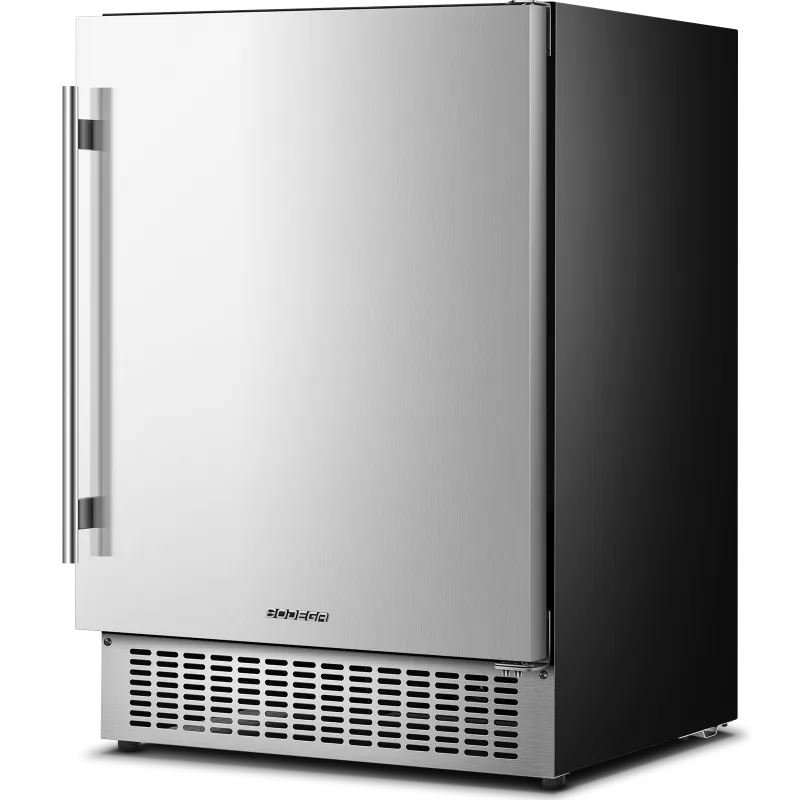
If you also need portable cooling for outdoor gear storage or tailgating, consider pairing your AC with an electric cooler or portable freezer to keep food and drinks cold without running a second air conditioner. For beverage storage in your home bar or entertainment space, a 24 inch beverage fridge offers dedicated cooling that does not compete with your bedroom climate control.
User reviews for the Hisense 6000 BTU portable air conditioner at Costco highlight reliable cooling and straightforward installation, though some note the unit runs louder than premium competitors.
Maintenance and Operating Cost Considerations
Regular upkeep extends the life of your portable air conditioner and maintains efficiency. Units with neglected filters can lose cooling capacity within a single season, so clean or replace filters regularly.
Weekly tasks include emptying the condensate tank if your unit lacks continuous drain, and wiping dust from the exterior vents.
Monthly maintenance involves removing and washing the air filter under running water, then letting it dry completely before reinstalling. Some models use disposable filters that need replacement every 30 to 60 days.
Seasonal prep means storing the unit in a dry location after cleaning, and checking the exhaust hose for cracks or tears before the next cooling season.
Operating costs for a 6000 BTU unit average $0.08 to $0.12 per hour at typical electricity rates, assuming you run it 8 hours per night during summer. A full season costs roughly $50 to $80 in energy, making these units economical for targeted bedroom cooling compared to cooling an entire home.
For ongoing savings on cooling equipment and accessories, grab the code for 12% off all orders from our trusted store partners.
Alternatives When 6000 BTU Is Not Enough
If your bedroom exceeds 250 square feet or you face extreme heat, a larger capacity unit prevents the compressor from running constantly. An 8000 BTU model handles rooms up to 350 square feet, while 10000 BTU units cover 400 to 450 square feet.
Alternatively, improving insulation, sealing air leaks, and adding window film can reduce cooling load enough to make a 6000 BTU unit effective in a borderline-sized room. Expert testing shows that even basic weatherization measures boost portable AC performance by 20 to 30 percent.
For spaces where noise is a dealbreaker, split ductless mini-splits offer quieter operation but require professional installation and permanent mounting. Portable units remain the best choice when flexibility and renter-friendly setup matter most.
Questions
Will a 6000 BTU portable air conditioner cool a 300 square foot bedroom?
A 6000 BTU unit will struggle in a 300 square foot bedroom, especially with poor insulation or direct sunlight. These units are rated for up to 250 square feet under ideal conditions. Consider an 8000 BTU model for larger rooms.
How much does it cost to run a 6000 BTU portable AC all night?
Running a 6000 BTU portable air conditioner for 8 hours costs approximately $0.64 to $0.96 per night at average electricity rates. Monthly costs range from $20 to $30 if used nightly throughout summer.
Do portable air conditioners need to be vented out a window?
Yes, portable air conditioners must be vented outside through a window, sliding door, or wall opening. The exhaust hose removes hot air from the cooling process. Without proper venting, the unit will not cool effectively.
How loud is a 6000 BTU portable AC unit in a bedroom?
Most 6000 BTU portable air conditioners produce 48 to 56 decibels on high fan speed, comparable to normal conversation or a quiet office. Models with sleep mode or quiet operation features run 3 to 5 decibels lower at night.
Can I use a portable air conditioner in a bedroom without a window?
You can vent a portable AC through a sliding door, drop ceiling, or dryer vent if a window is not available. Some users create temporary wall penetrations, but this requires sealing and may not be allowed in rental properties.
What is the difference between single-hose and dual-hose portable AC units?
Single-hose units pull room air to cool the condenser and exhaust it outside, while dual-hose models draw outside air for cooling and use a separate hose to exhaust heat. Dual-hose units cool 20 to 25 percent faster but cost more.
Products in this guide
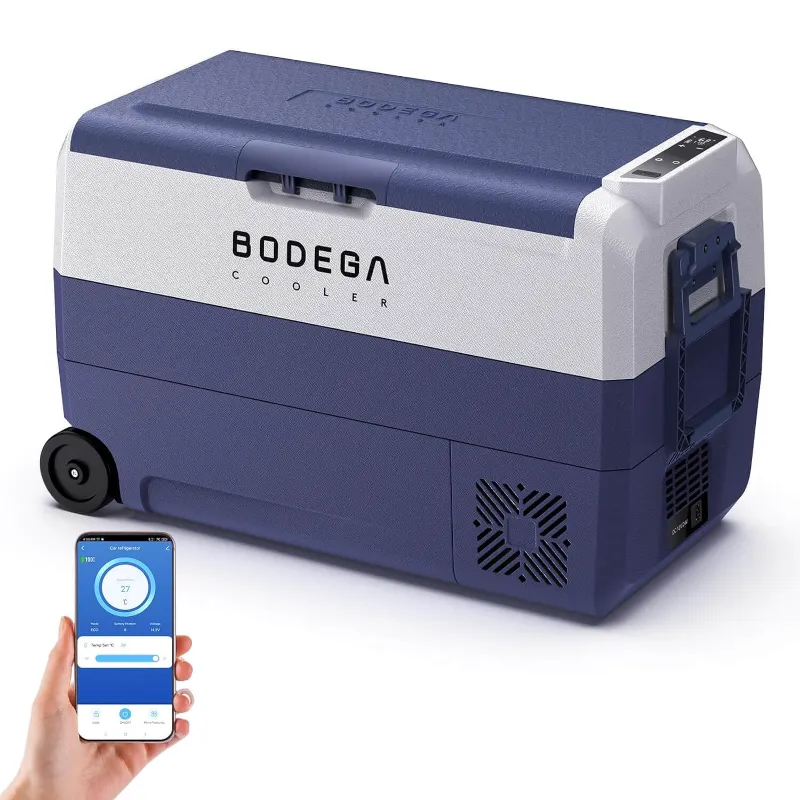
 Shopping at BODEGA cooler? See the discount code
12% OFF All Orders
Shopping at BODEGA cooler? See the discount code
12% OFF All Orders
More in this series
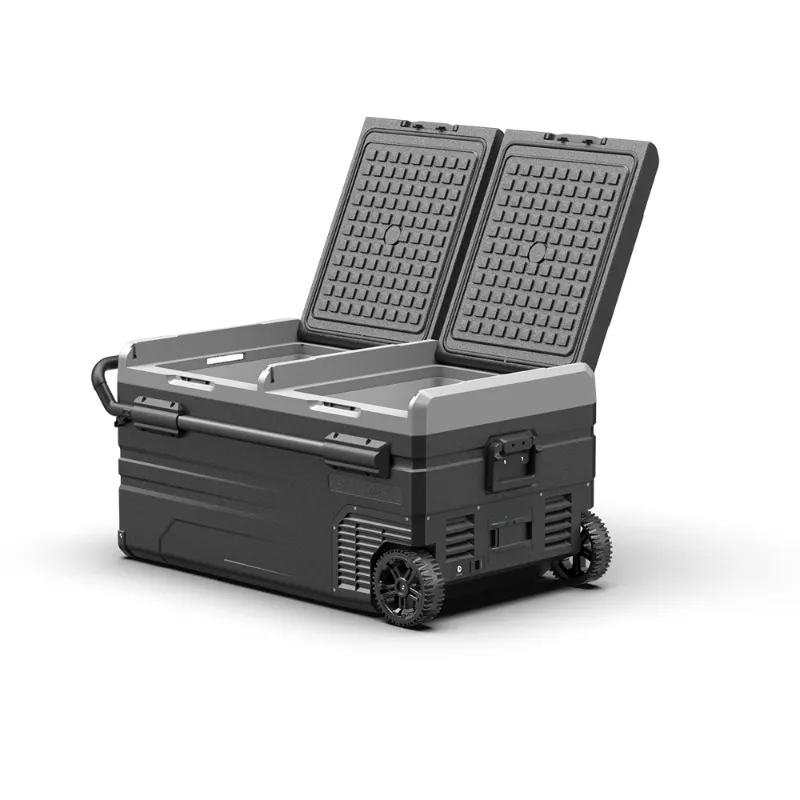 How Long Does a Portable Freezer Keep Food Frozen Without Power?13 Aug 20265 minBest Mini Fridge Size for Dorm Rooms and Small Apartments13 Aug 20264 min
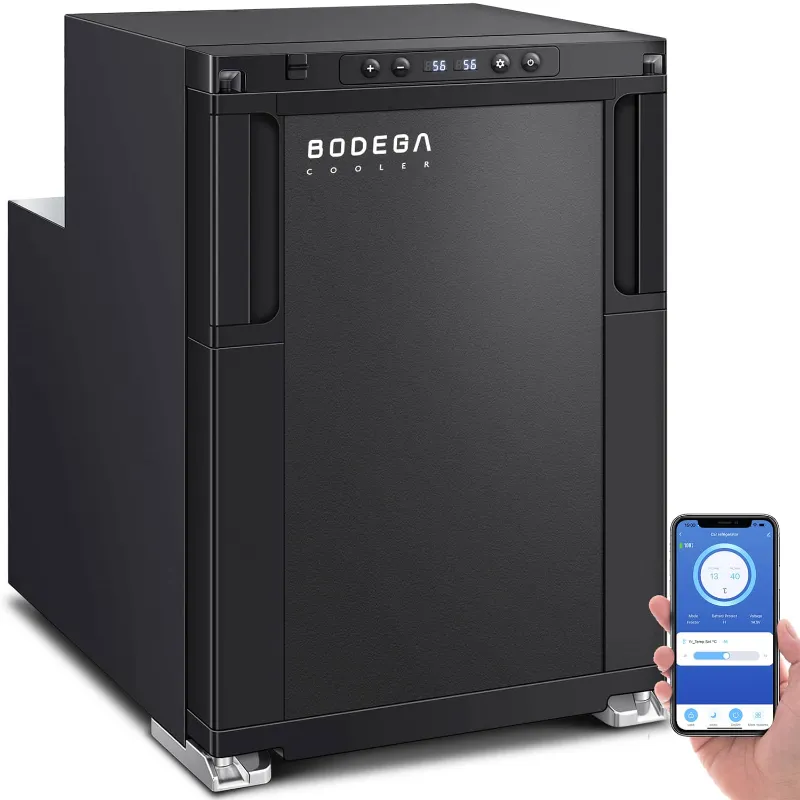 BODEGA Cooler vs Kohree Portable Fridge: Which One Fits Your Vehicle?13 Aug 20265 minDo 12V Refrigerators Drain Your Car Battery? What You Need to Know13 Aug 20265 minHow to Choose Between a Compressor Fridge and Electric Cooler for Road Trips13 Aug 20265 min