 A BODEGA cooler guide
Do 12V Refrigerators Drain Your Car Battery? What You Need to Know
A 12v refrigerator can drain your car battery when the engine is off, but with the right precautions and power setup, you can keep food cold without getting stranded.
A 12v refrigerator will drain your car battery if you run it for extended periods without the engine running, but most modern units are designed to draw minimal power and include low-voltage cutoffs to prevent total battery depletion. The real question is how long you can safely run one and what steps you need to take to avoid being stranded with a dead battery.
Here’s everything you need to know to keep your food cold without draining your battery.
How Much Power Does a 12V Refrigerator Actually Use
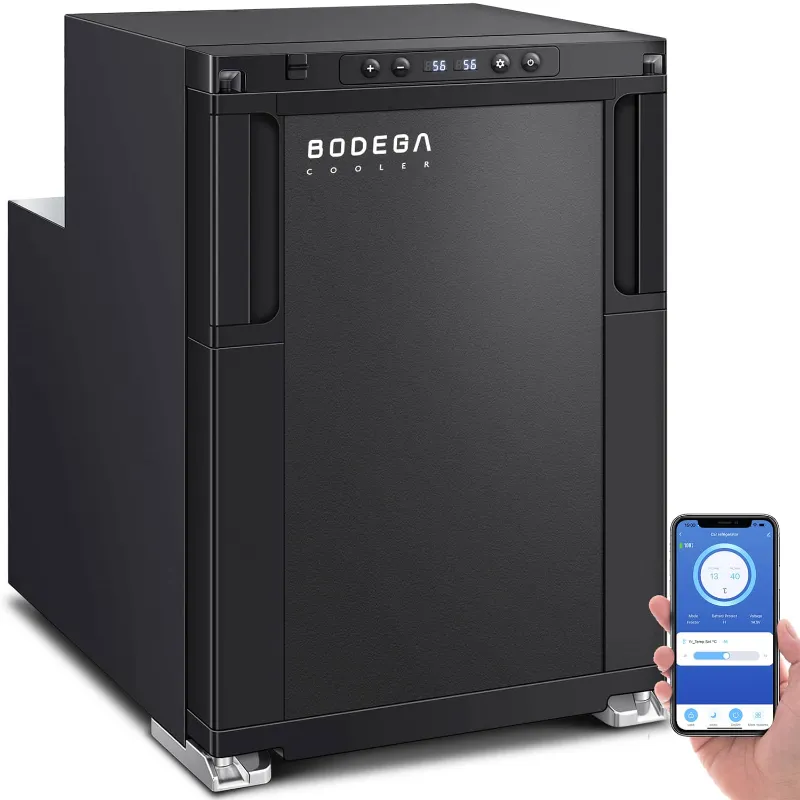
Most 12v refrigerator units draw between 30 and 60 watts when the compressor is actively running, but modern compressor fridges cycle on and off to maintain temperature. A typical compressor fridge runs about 20 to 40 percent of the time once it reaches the set temperature, meaning your average power draw is much lower than the peak.
For example, a 45-liter portable freezer pulling 45 watts might average just 15 to 20 watts over a full hour. That translates to roughly 1.25 to 1.7 amp-hours from a 12-volt system per hour of operation. Over 24 hours, you’re looking at 30 to 40 amp-hours of consumption, which is significant if you’re relying solely on your car’s starter battery.
A standard car battery holds 40 to 75 amp-hours, but you should never drain it below 50 percent to avoid damage and ensure you can still start your engine. That means you have roughly 20 to 37 usable amp-hours, giving you between 12 and 24 hours of fridge runtime before risking a dead battery.
When Your Car Battery Is at Risk
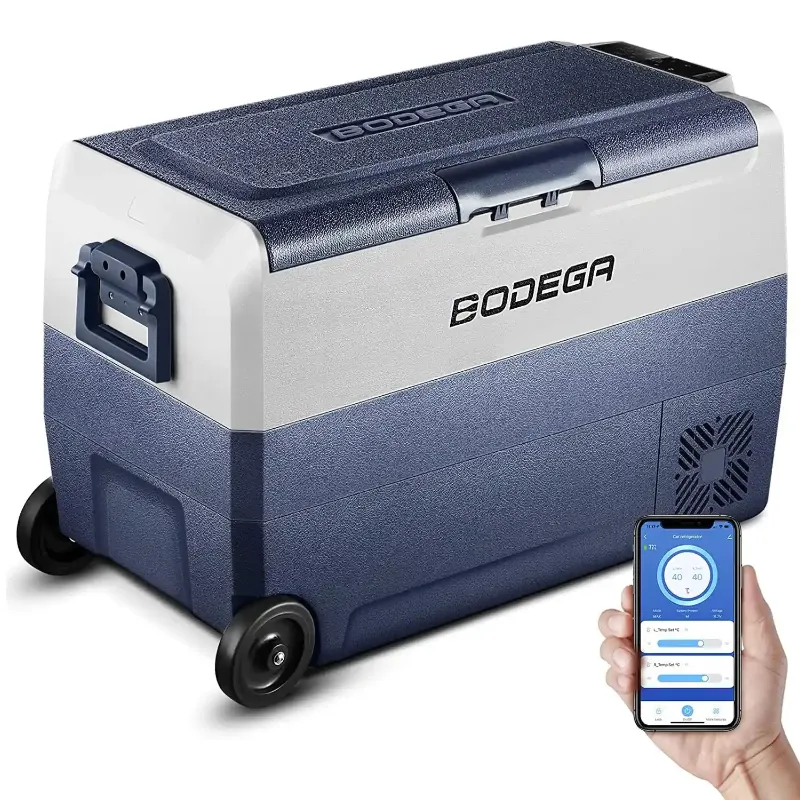
Your battery is most vulnerable when the engine is off and the alternator isn’t recharging the system. Running a bodega cooler overnight at a campsite or while parked at the beach can easily deplete a starter battery by morning.
Key risk factors include:
- Ambient temperature: hot weather forces the compressor to run more frequently to maintain cold temperatures
- Fridge temperature setting: running your unit as a freezer at 0°F draws significantly more power than refrigerator mode at 38°F
- Battery age and condition: older batteries hold less capacity and discharge faster
- Parasitic draws: other electronics like phone chargers and interior lights add to the drain
- Frequent door openings: every time you open the lid, warm air enters and the compressor has to work harder
If you’re only running the fridge while driving, your alternator continuously recharges the battery and drain isn’t an issue. The problem arises when you park for the night or spend a full day at a tailgate without starting the engine.
Safe Ways to Run a 12V Refrigerator Car Setup
The most effective solution is to isolate your portable fridge from your starter battery using a dual-battery system or a dedicated power source. Many overlanders and RV owners install a second deep-cycle battery that powers accessories while keeping the starter battery reserved for the engine.
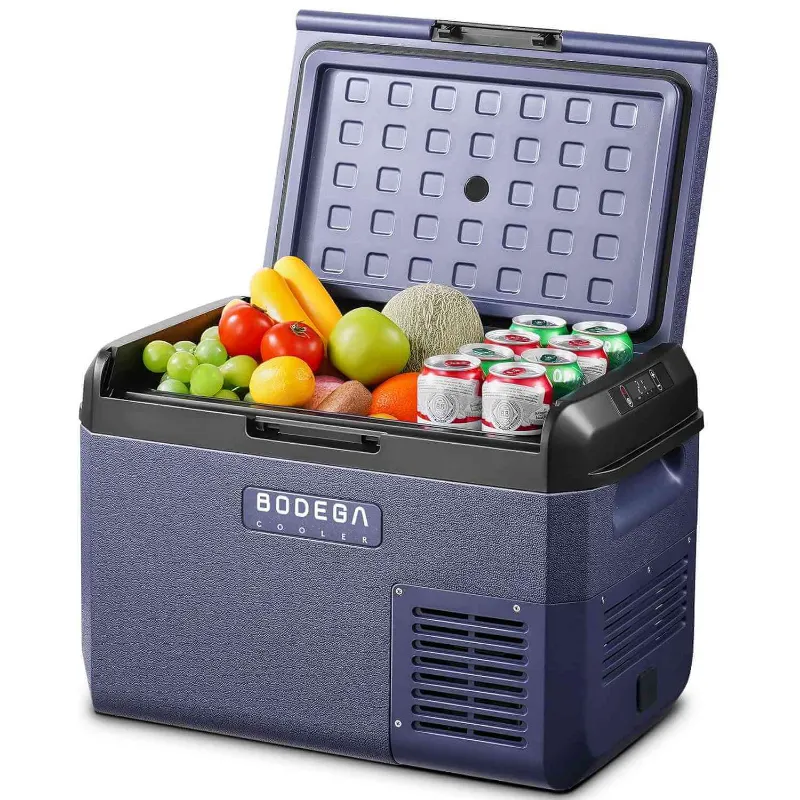
Battery isolators and DC-to-DC chargers allow your alternator to charge both batteries while driving, then automatically disconnect the auxiliary battery when the engine stops. This setup lets you run your electric cooler all night without touching the starter battery.
Portable power stations offer a simpler plug-and-play alternative. A 500Wh lithium power bank can run a 12v refrigerator for 24 to 30 hours and recharges from your car’s 12V outlet, solar panels, or AC power at home. We recommend units with at least 40Ah capacity at 12 volts for overnight trips.
Solar panels paired with a charge controller provide renewable power during daylight hours. A 100-watt panel generates roughly 5 to 6 amps in full sun, enough to offset most of your fridge’s consumption and extend your battery runtime significantly. Check the latest price on compatible solar setups that pair with popular cooler models.
Low-voltage cutoffs are built into most quality portable fridges and automatically shut down the unit when your battery voltage drops to a preset level (typically 11.8V for 12V systems). This failsafe prevents total discharge and ensures you can still start your car, though you’ll wake up to a warm fridge.
Choosing the Best 12V Refrigerator for Battery Efficiency
Not all portable fridges are created equal when it comes to power consumption. Compressor-based models are far more efficient than older thermoelectric coolers, which can draw 4 to 5 amps continuously without cycling off.
Look for these efficiency features:
- High-quality insulation: thicker walls and tight-sealing lids reduce how often the compressor runs
- Variable-speed compressors: adjust power draw based on cooling demand rather than running full-blast or off
- ECO modes: some units include power-saving settings that extend runtime by 20 to 30 percent
- Digital temperature control: precise thermostats prevent overcooling and wasted energy
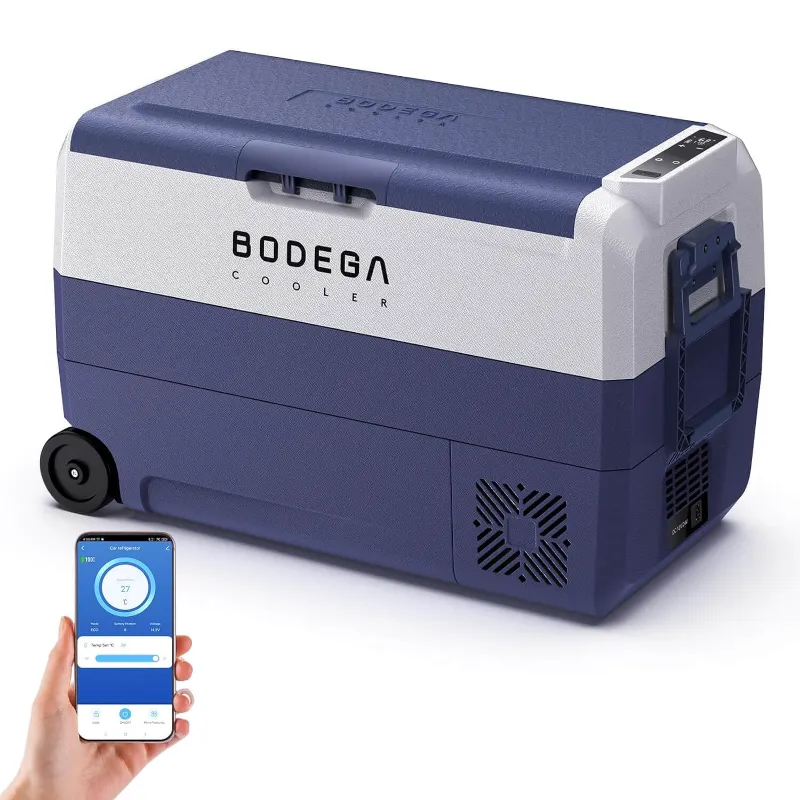
A well-insulated portable freezer in a shaded location will outperform a cheaper unit sitting in direct sunlight, even if they have similar compressor ratings.
If you’re shopping for a 12 volt refrigerator for trucks or RV use, prioritize models with published amp-hour consumption data and low-voltage protection. Grab the code before purchasing to save on energy-efficient compressor models.
Practical Tips to Minimize Battery Drain
Even without a dual-battery setup, you can extend your runtime with smart usage habits:
- Pre-cool your fridge at home using AC power before your trip so the compressor isn’t working overtime to bring warm contents down to temperature
- Keep the fridge full: thermal mass helps maintain temperature, reducing compressor cycling
- Park in shade and use reflective covers to reduce heat gain
- Set the warmest safe temperature: 38°F for fresh food, 0°F only when you need actual freezing
- Limit door openings and organize contents so you can grab what you need quickly
- Monitor voltage with a battery monitor or the fridge’s built-in display to catch problems early
For weekend trips without shore power, start your engine and let it run for 30 to 45 minutes every 12 hours to top up the battery. This balances convenience with fuel efficiency and keeps your battery healthy.
Who Should Invest in Additional Power Solutions
If you only run your 12v refrigerator with freezer capabilities during short day trips and the engine is always running, your standard battery is likely sufficient. Weekend campers and overlanders who park overnight should invest in at least a portable power station or dual-battery kit.
Full-time van lifers, truck campers, and serious off-grid adventurers benefit most from integrated systems with solar charging and dedicated house batteries. The upfront cost pays for itself in convenience and reliability after just a few trips, and you’ll never worry about being stranded with a dead starter battery.
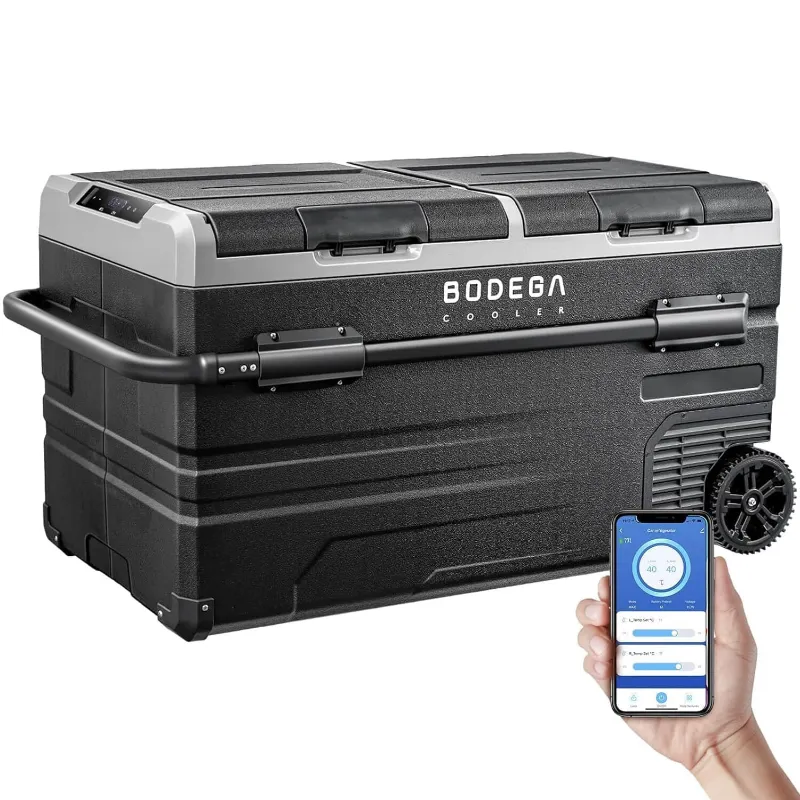
For occasional users testing the waters, a mini refrigerator with proven low-power performance and a quality power station offers the best balance of cost and capability. This comprehensive guide breaks down sizing and power requirements for different travel styles and vehicle types.
The bottom line: modern portable fridges are efficient enough for careful use with a single battery, but adding dedicated power capacity transforms them from a convenience with limitations into a truly reliable off-grid appliance.
Questions
How long can I run a 12v refrigerator on my car battery?
Most car batteries can safely power a 12v refrigerator for 12 to 24 hours with the engine off, depending on battery capacity, fridge efficiency, and ambient temperature. To avoid being unable to start your car, never drain your battery below 50 percent capacity.
Will my alternator keep up with a portable fridge while driving?
Yes, your alternator easily recharges the battery faster than a portable fridge drains it while driving. The drain issue only occurs when parked with the engine off for extended periods.
Do I need a second battery for a 12 volt refrigerator in my truck?
A second battery isn't required for short trips, but it's highly recommended for overnight camping or all-day tailgating. A dual-battery setup or portable power station prevents starter battery drain and gives you worry-free power.
What's better for battery life, a compressor fridge or thermoelectric cooler?
A compressor fridge is far more efficient because it cycles on and off, while thermoelectric coolers draw power continuously. Compressor models use 60 to 80 percent less energy for the same cooling performance.
Can I use a bodega cooler without draining my battery overnight?
Yes, if your cooler has a low-voltage cutoff and your battery is in good condition, you can typically run it overnight on a single charge. Pre-cooling the unit and parking in shade extends runtime significantly.
How do I know if my fridge is draining my battery too much?
Monitor your battery voltage with a multimeter or the fridge's display. If voltage drops below 12V with the engine off, you're at risk of not being able to start. Most quality fridges shut off automatically at 11.8V to protect your battery.
Products in this guide
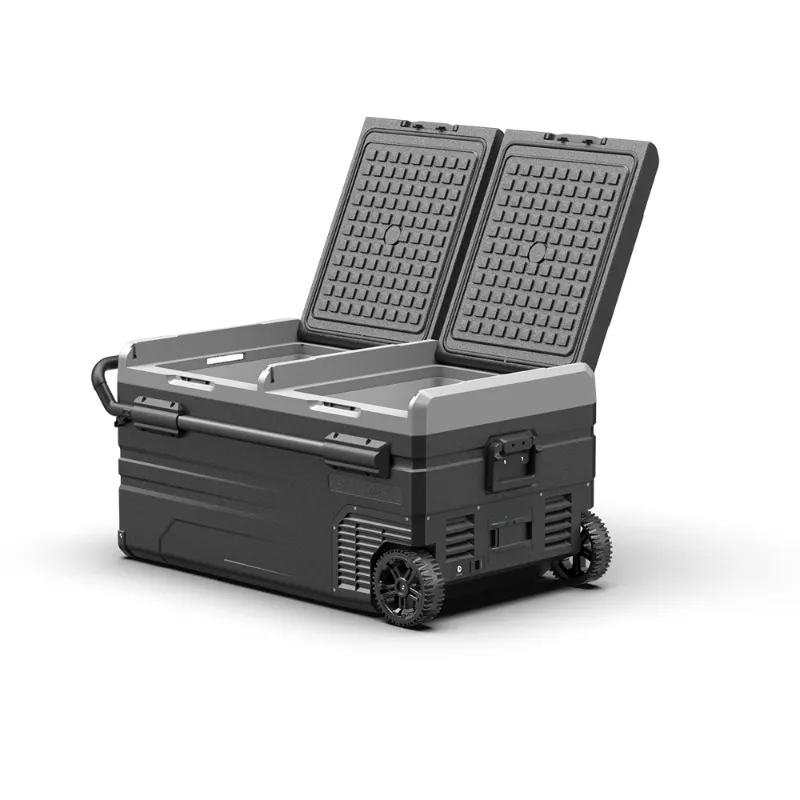 Shopping at BODEGA cooler? See the discount code
12% OFF All Orders
Shopping at BODEGA cooler? See the discount code
12% OFF All Orders
More in this series
How Long Does a Portable Freezer Keep Food Frozen Without Power?13 Aug 20265 min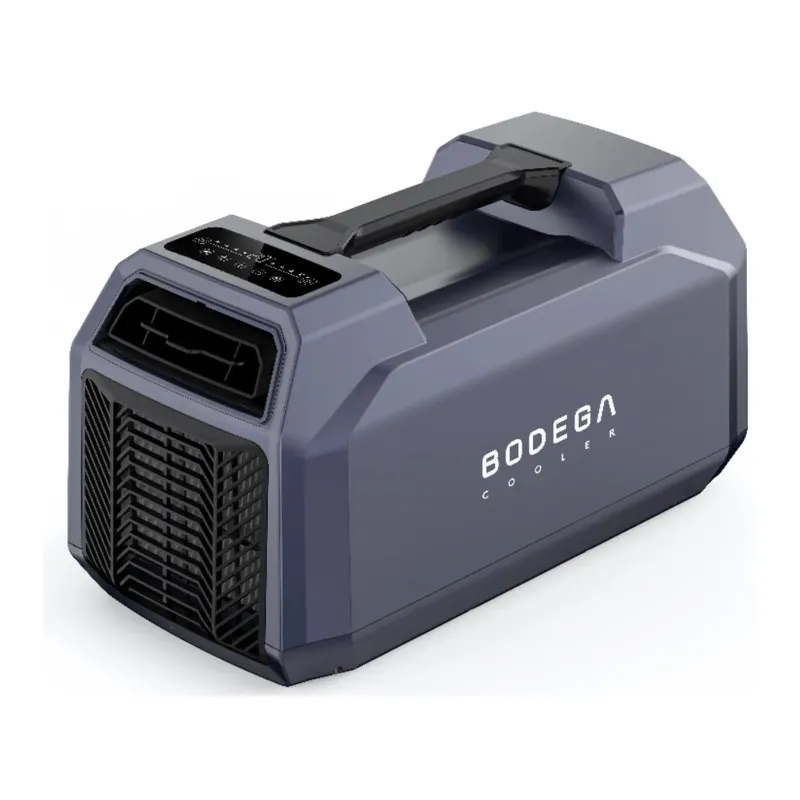 Can a 6000 BTU Portable Air Conditioner Cool a Bedroom Effectively?13 Aug 20265 minBest Mini Fridge Size for Dorm Rooms and Small Apartments13 Aug 20264 minBODEGA Cooler vs Kohree Portable Fridge: Which One Fits Your Vehicle?13 Aug 20265 minHow to Choose Between a Compressor Fridge and Electric Cooler for Road Trips13 Aug 20265 min