 A ACOPOWER guide
ACOPOWER Solar Panels for an RV: 30W vs 250W Compared
ACOPOWER's 250W panel is built to run an off-grid camp, the 30W keeps a battery topped up. Here are the real specs side by side and how to choose.
For RV and off-grid power, ACOPOWER’s 250W mono panel is the one built to run a camp, while its 30W 12V panel is a small charging panel suited to keeping a battery topped up. The 250W panel is a full-size roof panel that ACOPOWER rates at up to 1275Wh a day, and the 30W is a compact framed panel you can bolt almost anywhere. Below we compare the two spec by spec, explain what the numbers mean for your rig, and show how to choose. We keep the current code for ACOPOWER on its store page.
ACOPOWER 30W vs 250W: the specs side by side
These figures come from ACOPOWER’s own product pages and the 250W panel’s datasheet.
| Spec | 30W 12V mono panel | 250W mono panel |
|---|---|---|
| Rated power | 30W | 250W |
| Size | 23.8 x 13.6 x 1 in | 68 x 30 x 1.2 in |
| Weight | 7.7 lb | 26.9 lb |
| Max power voltage (Vmp) | 17.5V | 18.9V |
| Max power current (Imp) | 1.71A | 13.2A |
| Open circuit voltage (Voc) | 22.0V | 22.8V |
| Module efficiency | 12.12% | 21.4% |
| Weather rating | IP65, aluminum frame, anti-reflective glass | IP65 on the product page, 2400Pa wind and 5400Pa snow load |
| Daily output stated | Not stated | Up to 1275Wh a day |
| Expansion | Not stated | Expandable to 1000W |
Both are rigid, framed monocrystalline panels with pre-drilled holes. Neither is a folding portable panel, so both are meant to be mounted, not unfolded at camp.
What the numbers mean for your RV
Watts and daily output. The rating is what a panel makes under standard lab light. Real output depends on sun, angle, heat and shade, which is why ACOPOWER words the 250W figure as “up to” 1275Wh a day. For the 30W panel it gives no daily figure, so we do not invent one. The useful comparison is the ratio: the 250W panel is rated at a little over eight times the power of the 30W.
Voltage. Both are 12V-class panels: their working voltage sits around 17.5V to 18.9V, which is high enough to charge a 12V battery through a charge controller. The open circuit voltage (22V to 23V) is what the panel shows with nothing connected, and it is the number your charge controller’s input rating has to cover, especially when you wire panels in series.
Current. At 13.2A, one 250W panel needs a controller rated for at least that current. If you add panels in parallel, add their currents together and pick a controller rated above the total. The 30W panel’s 1.71A is gentle enough for small controllers.
Size and weight. The 250W panel is close to 6 feet long and 2.5 feet wide, so measure your roof between vents, the AC unit and hatches before you order. The 30W panel is under 2 feet long and weighs 7.7 lb, so it fits on a tongue box, a small trailer roof or a shed.
Efficiency. Higher efficiency means more power from the same area. The 250W panel’s 21.4% is why it makes so much more power per square foot than the 30W panel’s 12.12%.
Which ACOPOWER panel fits your setup
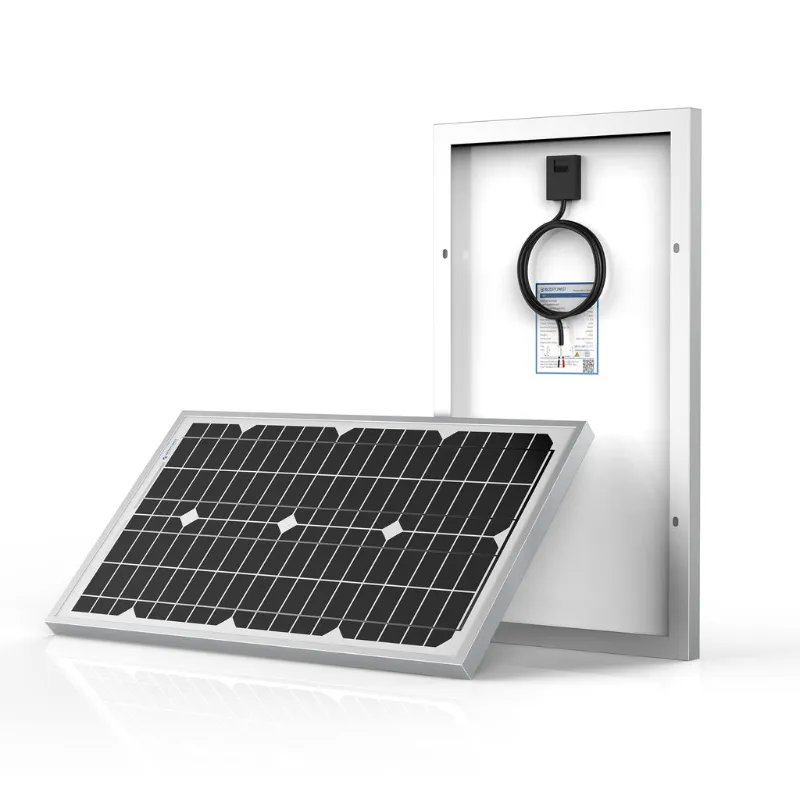
Choose the 30W 12V mono solar panel if:
- You want to keep a starter or house battery topped up while the RV, boat or trailer sits in storage.
- Your loads are small, such as a few LED lights or charging a phone.
- You have little roof space or need something light to mount yourself.
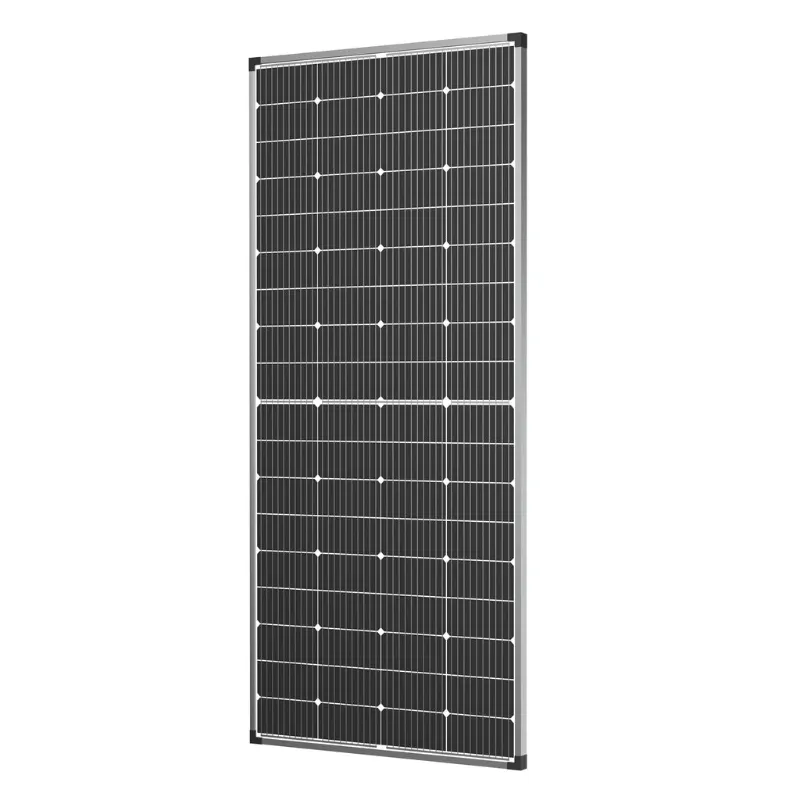
Choose the 250W mono solar panel if:
- You camp off-grid for days and want to recharge a house battery from the sun.
- You run a 12V fridge, fans, laptops or a water pump.
- You want room to grow: ACOPOWER says it can expand to 1000W, which is four panels.
The honest way to size is to start with your use, not the panel. Add up what you run each day in watt-hours (watts times hours of use), then compare that with the 250W panel’s stated “up to” figure, leaving room for cloudy days. If your daily use is far below what one 250W panel can make, the 30W panel or a single 250W panel will do. If it is close to or above it, plan for more panels.
What else you need to finish the system
A panel alone does not charge a battery safely. Plan for these parts:
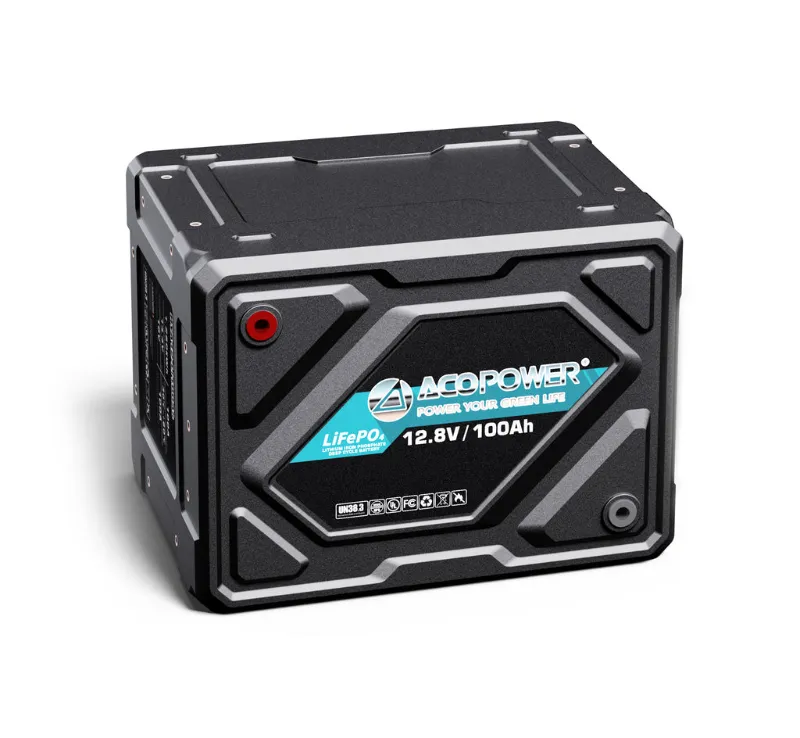
- A charge controller between the panel and the battery, rated for the panel’s open circuit voltage and the combined current. ACOPOWER sells charge controllers in its Controllers and Inverters range.
- A battery. ACOPOWER’s Li-Cube lithium RV battery comes in 100Ah and 230Ah sizes.
- Cable and connectors. The 250W panel comes with 12 gauge cables 47.2 inches long and standard solar connectors, and the 30W panel has 12AWG quick-connect cables. You will need extension cable from the roof to the controller.
- Mounts. The 250W datasheet lists pre-drilled holes that work with ground mounts, Z brackets, pole mounts and tilt mounts.
If you also want to charge a second battery from the alternator while you drive, that is a separate job for a DC to DC charger, which we cover in our other ACOPOWER guides.
Questions
How much power does the ACOPOWER 250W panel make in a day?
ACOPOWER rates it at up to 1275Wh a day. Real output depends on sun, angle, heat and shade, so plan with some margin.
Is the ACOPOWER 30W panel enough for an RV?
It suits keeping a battery topped up and small loads such as LED lights. For running a fridge or recharging a house battery off-grid, the 250W panel is the one sized for that job.
How big is the ACOPOWER 250W solar panel?
The datasheet lists 68 x 30 x 1.2 inches and 26.9 lb. Measure your roof around vents and the AC unit before ordering.
Can I add more panels to the ACOPOWER 250W?
Yes. ACOPOWER says the 250W panel is expandable to 1000W, and its connectors work in series or in parallel. Size your charge controller for the combined voltage and current.
Do I need a charge controller with these panels?
Yes. A charge controller sits between the panel and the battery. Pick one rated above the panel's open circuit voltage (22.0V for the 30W, 22.8V for the 250W) and the total current of your panels.
Products in this guide
 Shopping at ACOPOWER? See the discount code
10% OFF All Orders
More in this series
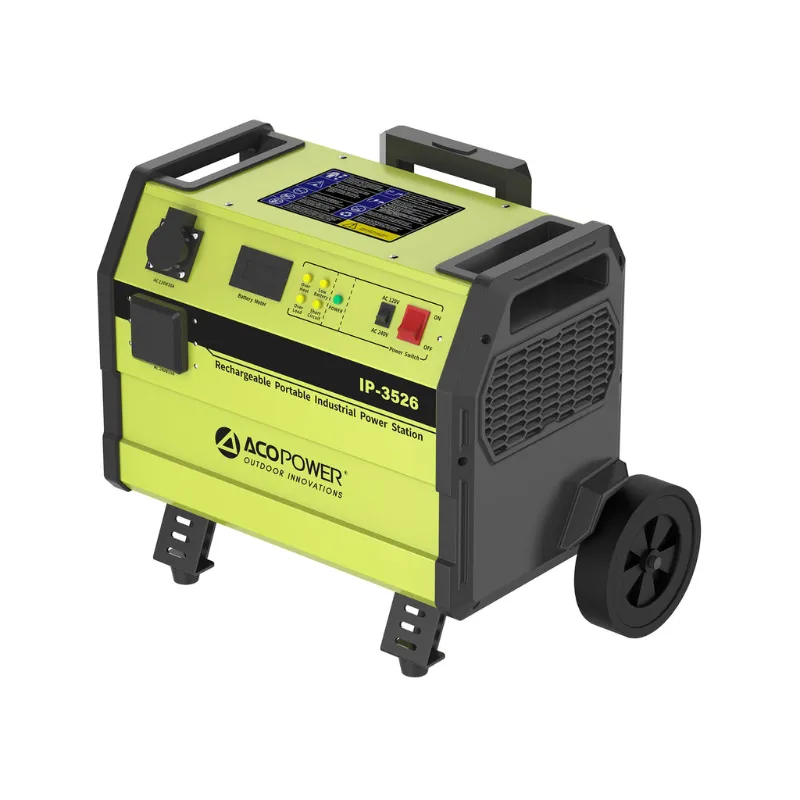 ACOPOWER Portable Generator Troubleshooting: IP-3526 Fixes From the Manual14 Sep 20264 min
 2/0 Battery Cable for Van Life: When Your Setup Needs It and How to Wire It14 Sep 20264 min
 DC-DC Charger vs AC-DC Charger: Which Battery Charger Do You Need?14 Sep 20264 min
 How to Wire a Battery Isolator for Dual Battery Systems14 Sep 20264 min