 A Type Zero Health guide
Zero Calorie Electrolytes vs Traditional Sports Drinks: How to Compare Them
Zero calorie electrolytes deliver the same essential minerals as traditional sports drinks without the sugar crash or empty calories that derail your hydration goals.
The main difference in zero calorie electrolytes vs traditional sports drinks is the sugar: a traditional sports drink carries electrolytes plus sugar, and a zero calorie electrolyte drink carries electrolytes with the sugar and calories taken out, usually sweetened with a non-caloric sweetener instead. Which one suits you depends on what you are doing, how long you are doing it, and your health. The amounts of sodium, potassium and other minerals vary a lot from product to product, so the label, not the category, tells you what you are getting.
Zero calorie electrolytes vs traditional sports drinks: the basics
Electrolytes are minerals such as sodium, potassium, magnesium and chloride that carry an electric charge in the body and help it manage fluid. You lose some of them in sweat.
A traditional sports drink combines water, electrolytes and sugar. The sugar is carbohydrate, which is a source of energy, and that is why these drinks are marketed for long, hard exercise. It also adds calories. Many big brands now sell a zero sugar version as well, such as Gatorade’s zero-sugar line.
A zero calorie electrolyte drink, often sold as a powder or drink mix, keeps the electrolytes and removes the sugar. It is usually sweetened with stevia, monk fruit, sucralose or a sugar alcohol such as erythritol.
What to compare on the label
Put the two labels side by side and compare these lines per serving:
| Label line | Why it matters |
|---|---|
| Calories and total sugar | This is the main difference between the two categories |
| Sodium | The electrolyte most sports drinks are built around, and the one to watch if you limit salt |
| Potassium and magnesium | Amounts vary widely between brands, and some drinks list little or none |
| Sweetener | Tells you what replaced the sugar, useful if a sweetener disagrees with you |
| Colors and other additives | Some drinks use artificial colors and some do not |
| Serving size | A bottle or a scoop may be more than one serving |
Watch for proprietary blends that list minerals without amounts. If a label does not show how much of each electrolyte is in a serving, you cannot compare it fairly with anything else.
Also check that the front of the pack matches the back. A pack that says zero sugar or zero calories on the front should show that on the nutrition panel too. Read the total carbohydrate line as well as the sugar line, because sugar alcohols are counted there. If the front and the back do not agree, trust the panel, and if you are still unsure, ask the brand before you buy.
When each type may make sense
We suggest thinking about the situation rather than picking a side:
- Everyday drinking and short workouts. If you want flavor and some electrolytes without extra calories, a zero sugar option is the simpler fit. Plain water is also an option for many people.
- Long or very hard exercise. This is the situation traditional sports drinks are designed for, because of the carbohydrate they carry. If you train for long events, ask a sports dietitian or your doctor how to fuel and hydrate.
- Fasting or low-carb eating. A drink with sugar adds carbohydrate and calories, so people on these eating plans often look at zero sugar options. If you fast for health reasons or have diabetes, talk to your doctor before changing what you drink.
Who should check with a doctor first
Electrolyte drinks are not the same as water, and extra sodium or potassium is not right for everyone. Check with your doctor or pharmacist before you use electrolyte products regularly if you:
- Have kidney disease, heart disease or high blood pressure
- Have been told to limit salt or potassium
- Take medicines that affect fluid, blood pressure or potassium levels
- Have diabetes and want to change the drinks you rely on
- Are buying for a child
Follow the serving directions on the label. If you feel unwell when exercising in heat, stop, rest and get medical help if you do not recover.
Taste, sweeteners and mixing
Taste is personal, and the sweetener makes most of the difference. If you have had a bad reaction to a sweetener before, check the ingredient list for it. Sugar alcohols such as erythritol are listed by name.
For powders, read how much water the label says to mix with each serving. Using less water than directed makes the drink stronger than intended. A single-serve stick is easier to measure than a scoop from a large tub, which matters if you share a tub or mix on the go.
Cost and where to read more
To compare prices fairly, work out the cost per serving from the pack price and the number of servings on the label, then compare what each serving contains. A cheaper serving with fewer electrolytes is not the better deal if you are buying for the minerals. Compare single-serve sticks and tubs on cost per serving too, and decide whether the convenience is worth it to you.
For more on the category, Triathlete has a guide to sugar-free electrolyte powders, and Garage Gym Reviews has its own round-up of sugar-free electrolyte powders. Read them for product comparisons, and follow your doctor’s advice over any list.
Type Zero Health products
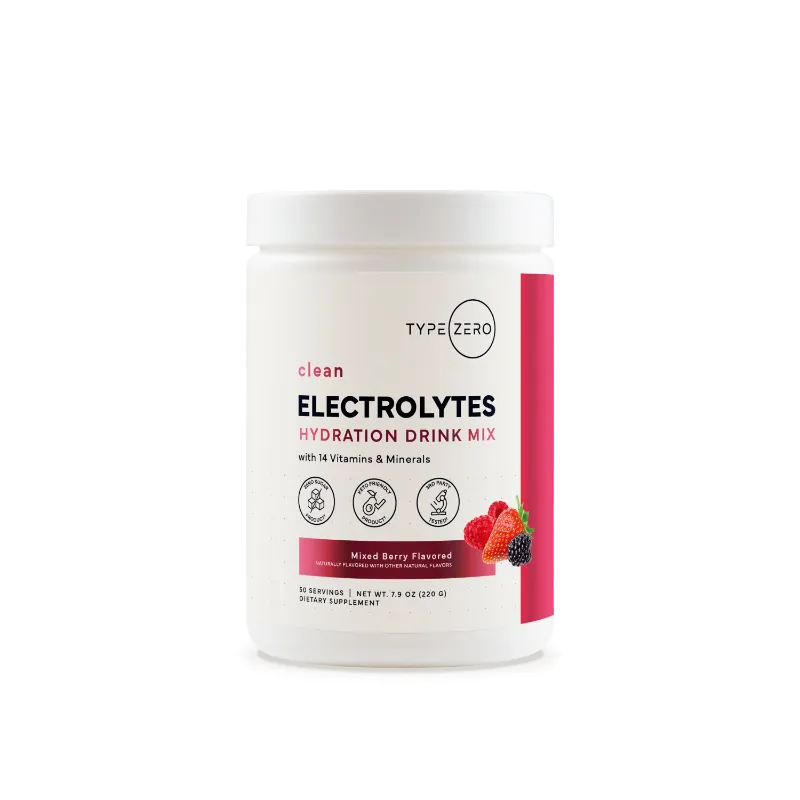
Type Zero Health sells an Electrolyte Hydration Drink. Check its label for calories, sugar, the sweetener and the amount of each electrolyte per serving, then compare it with whatever you drink now.
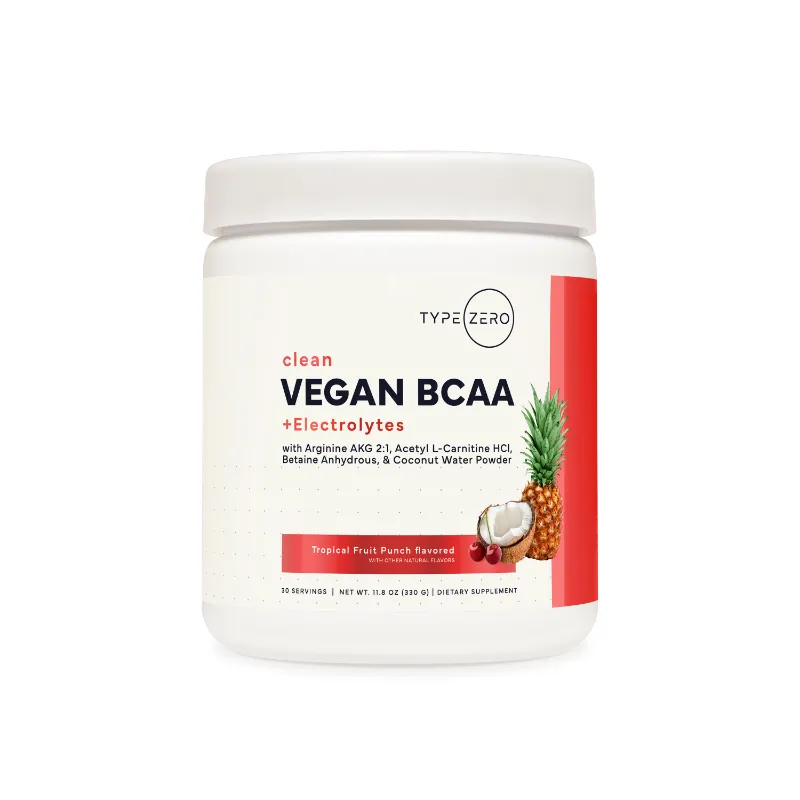
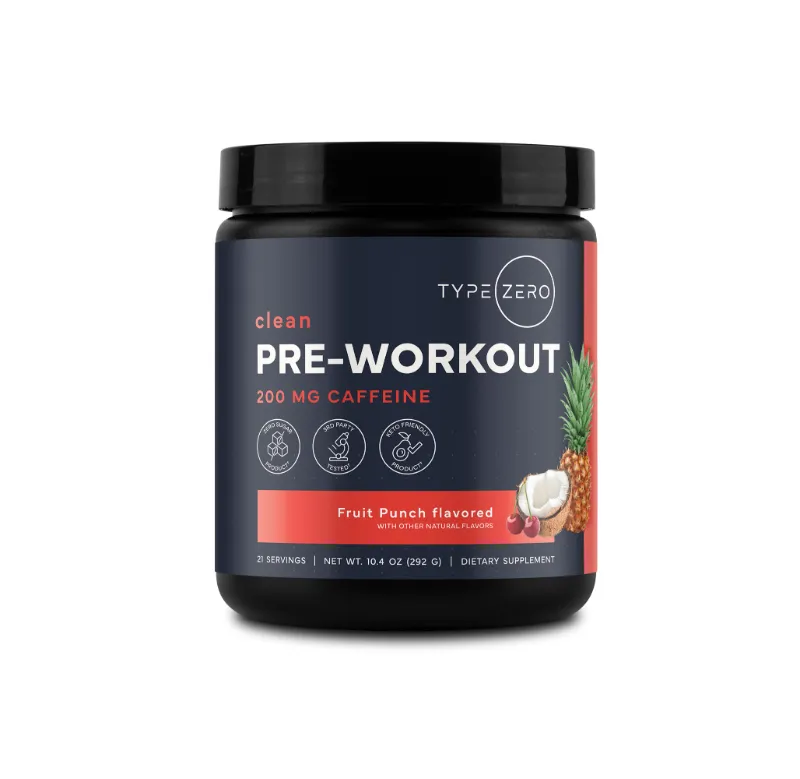
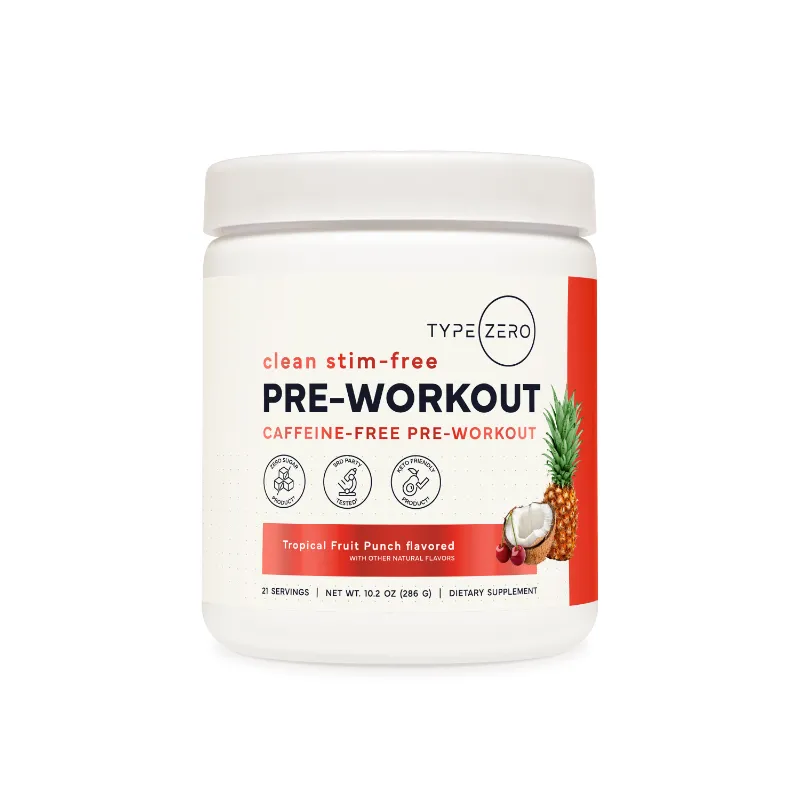
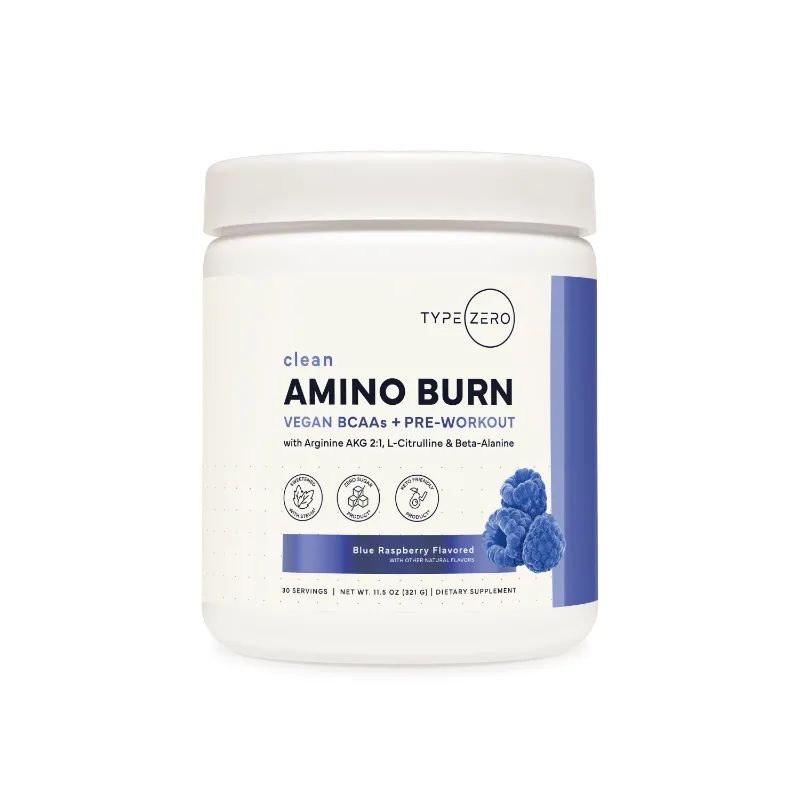
The store also sells a stim-free pre workout, a clean pre workout with organic caffeine, Amino Burn, vegan BCAA and creatine capsules. None of these is an electrolyte drink. Ask your pharmacist before combining supplements, especially a product with caffeine. Before you order, see the current Type Zero Health discount code.
Questions
Do zero calorie electrolytes work as well as regular sports drinks?
They do different jobs. Both carry electrolytes, but only the traditional kind carries sugar, which is carbohydrate. Compare the electrolyte amounts on each label, since they vary a lot between products.
Can I drink zero calorie electrolytes while fasting?
A drink with no calories or sugar adds neither, so people who fast often choose one. If you fast for a health reason, have diabetes or take regular medicines, ask your doctor first.
What is the main difference in ingredients between the two?
Traditional sports drinks contain sugar alongside electrolytes. Zero calorie versions replace the sugar with a non-caloric sweetener such as stevia, monk fruit, sucralose or erythritol.
Are electrolyte drinks safe for everyone?
Not always. If you have kidney or heart disease, high blood pressure, have been told to limit salt or potassium, or take medicines that affect them, check with your doctor or pharmacist before using them regularly.
When should I use a traditional sports drink instead?
They are designed for long or very hard exercise, where the carbohydrate they carry is part of the point. If you train for long events, ask a sports dietitian or your doctor how to fuel and hydrate.
Products in this guide
 Shopping at Type Zero Health? See the discount code
15% OFF Sitewide
Shopping at Type Zero Health? See the discount code
15% OFF Sitewide
More in this series
Are Electrolyte Packets Worth It for Daily Hydration? What to Check First16 Sep 20264 minVegan BCAAs Explained: What They Are and How to Read the Label16 Sep 20265 min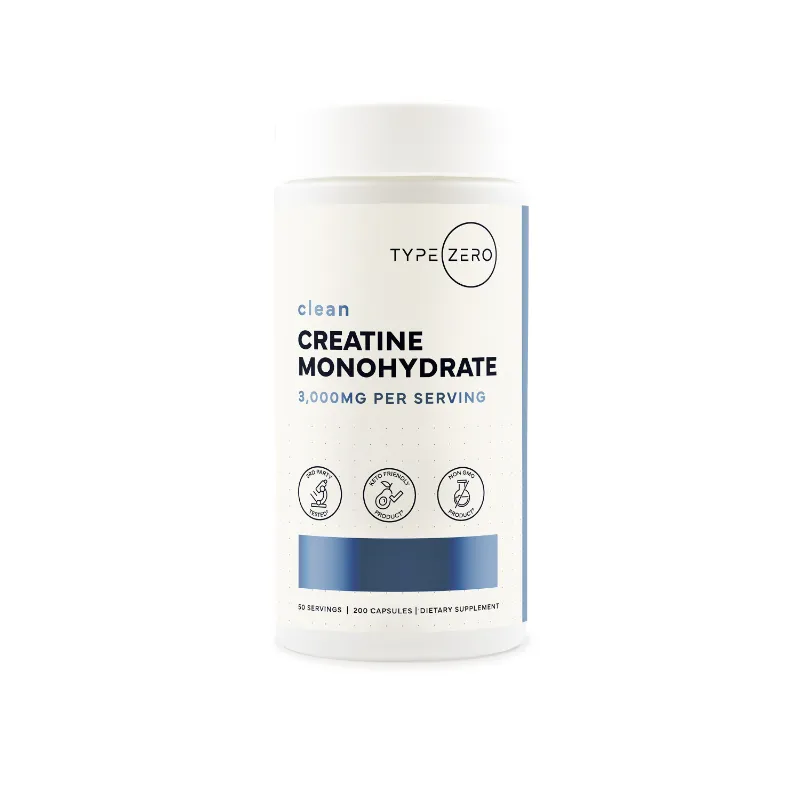 How Long Does Creatine Capsule Form Take to Show Results?16 Sep 20264 minSugar Free or Amino Pre Workout? How to Choose Between Them16 Sep 20263 minDo Stim Free Pre Workouts Actually Work? What They Can and Cannot Do16 Sep 20264 min