 A Type Zero Health guide
Vegan BCAAs Explained: What They Are and How to Read the Label
Vegan electrolytes derived from plant-based sources hydrate just as effectively as conventional options when you understand absorption, timing, and proper dosage.
Vegan BCAAs are branched chain amino acid supplements made without animal-derived ingredients. BCAA stands for the three branched chain amino acids, leucine, isoleucine and valine, which your body gets from protein in food. A vegan BCAA powder gives you those three in a drink, with a source that is plant-based or made by fermentation. How much to take, and when, belongs to the product label and your doctor, so this guide covers what vegan BCAAs are, how to read the label, and who should ask for advice first.
What vegan BCAAs are
Amino acids are the building blocks of protein. Leucine, isoleucine and valine are called “branched chain” because of their chemical shape. They are also essential amino acids, which means your body cannot make them and has to get them from food. Protein foods such as beans, lentils, tofu, soy, dairy, eggs and meat all contain them.
A BCAA supplement isolates just these three. The word “vegan” on the label is about the source. Amino acid powders have not always come from plants, so if you avoid animal products, the vegan label (ideally with a certification mark) is the thing to look for.
Vegan BCAAs vs protein from food
This is the first question to ask yourself. A BCAA powder covers three amino acids. A plant protein meal, or a plant protein powder, covers all of the essential amino acids plus other nutrients. If you already eat enough protein across the day, a BCAA powder may add little beyond flavor and convenience.
BCAA powders are marketed mainly to people who train. We do not repeat claims about muscle growth, recovery or fat loss here, because we have no source to support them. If you are unsure whether you need one, a registered dietitian can look at what you already eat and tell you.
Vegan BCAA absorption, timing and dosage: who decides
Many BCAA guides give serving sizes, ratios and training schedules. We do not, and here is why:
- Dosing belongs to the label and a doctor. The right amount depends on your diet, your health and any medicines you take. A number on a shopping site cannot account for that.
- Timing advice varies by product. Follow the directions on the tub rather than a schedule from a blog.
- Absorption claims are hard to check. We have no source on how one vegan BCAA powder is absorbed compared with another, so we do not rank them that way.
If you have a figure in mind from another website, take it to your doctor or pharmacist and ask whether it applies to you.
How to read a vegan BCAA label
| Label item | What to check |
|---|---|
| Vegan claim | A certification mark is clearer than the word alone. The label or brand page may also say whether the amino acids come from fermentation. |
| Amounts | The amount of each amino acid should be listed per serving, not hidden in a blend. |
| Serving size | Check how many scoops make one serving and how many servings are in the tub. |
| Added ingredients | Some BCAA powders add electrolytes, caffeine or other actives. Each one is something to count and to mention to your doctor. |
| Sweeteners and colors | Look at what sweetens and colors the drink if you avoid certain additives. |
| Quality signals | Lot number, expiry date and any third-party testing seal, especially if you compete in a sport with drug testing. |
| Warnings | Read who should not use the product, including any note on pregnancy, children or health conditions. |
Who should check with a doctor or pharmacist first
Please talk to a doctor or pharmacist before taking vegan BCAAs if you:
- Have kidney or liver disease, or have been told to limit protein.
- Are pregnant or breastfeeding.
- Take any prescription medicine or several other supplements.
- Have diabetes or any condition that affects how you process protein.
- Are buying for a teenager.
Bring the tub or a photo of the label so they can check every ingredient, not just the three amino acids. If you notice anything unusual after starting, stop and contact your doctor.
Vegan BCAAs and vegan electrolytes
Vegan BCAAs and vegan electrolytes are often sold side by side, and some drinks combine the two. They are different things. BCAAs are amino acids. Electrolytes are minerals such as sodium, potassium and magnesium, which you lose some of in sweat.
If you want to read more about the electrolyte side, this article on Plant-based electrolytes for vegan athletes covers it for people who train. This guide on How to choose vegan electrolyte powders goes through what to compare between brands, and Veggie Vagabonds has vegan electrolytes guides as well. Use them as background, and your own label as the final word.
If you take both a BCAA powder and an electrolyte drink, read both labels together. Some products overlap, and it is easy to double up on sodium or on sweeteners without noticing. People who have been told to watch their salt or potassium should ask their doctor before using electrolyte drinks regularly.
Common mistakes to avoid
- Treating BCAAs as a protein replacement. They cover three amino acids, not your full protein needs.
- Stacking products without reading labels. Pre workouts, BCAA drinks and electrolyte packets can share ingredients, including caffeine and sodium.
- Taking more than the label says. More is not better. Stay within the directions unless a doctor tells you otherwise.
- Trusting “vegan” without checking. Look for a certification mark or ask the brand about the source.
Type Zero Health vegan BCAA and related products
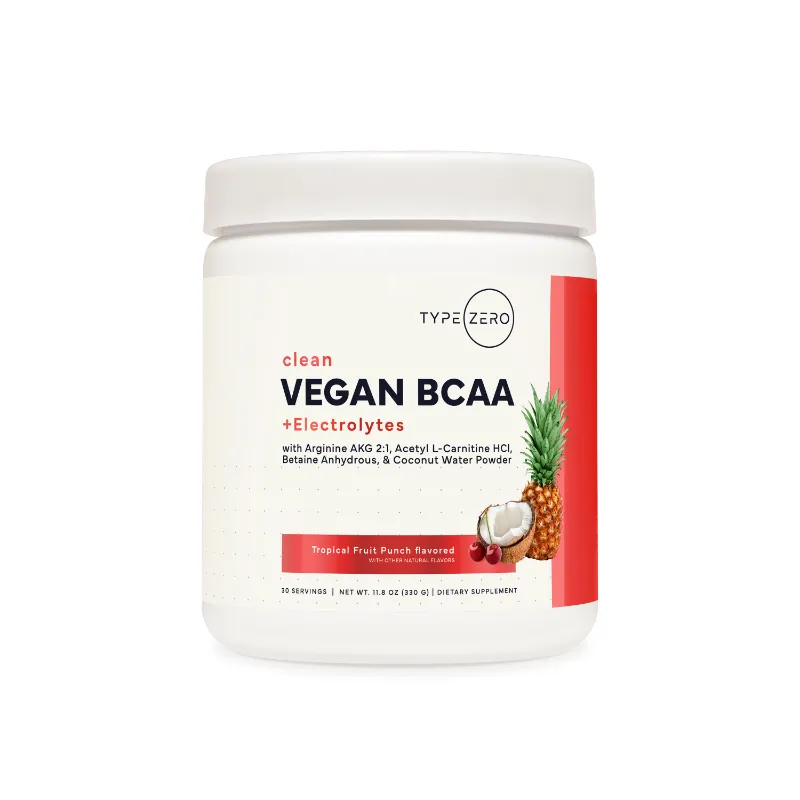
Type Zero Health sells a Type Zero Health vegan BCAA powder. Check its product page for the full ingredient panel and the source of the amino acids before you order.
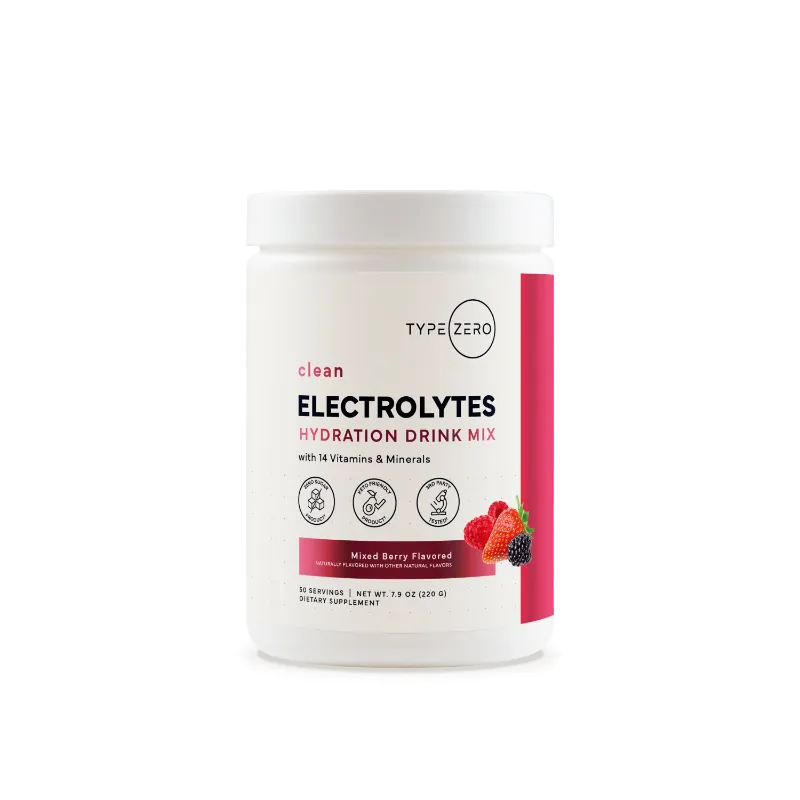
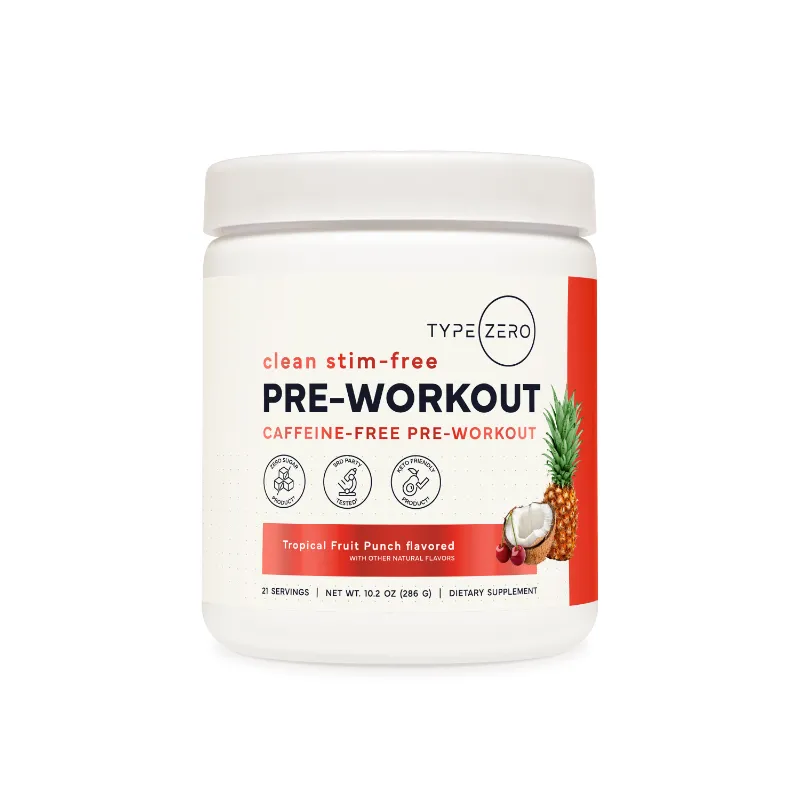
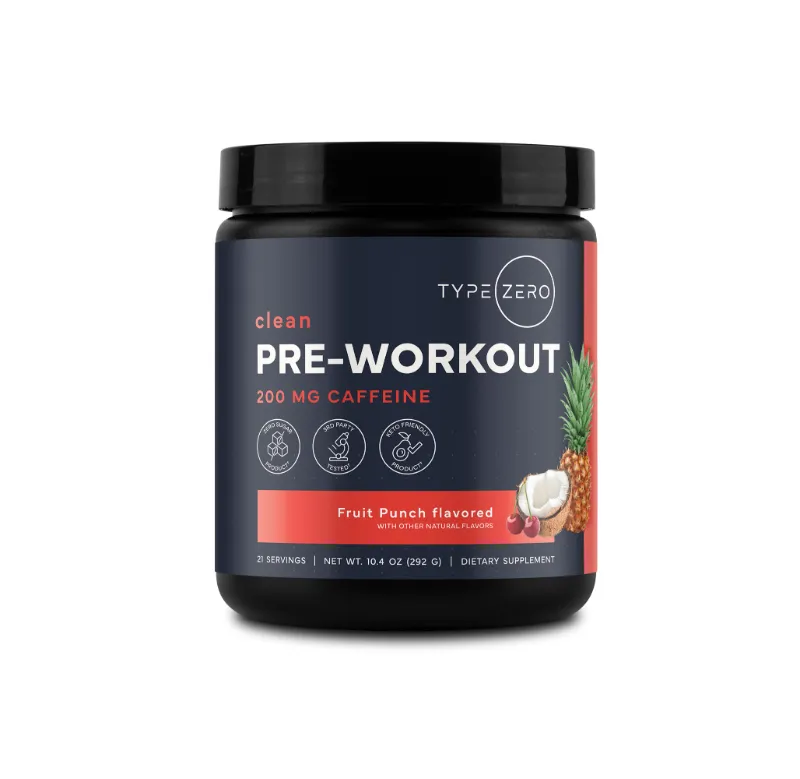
The brand also sells a zero sugar electrolyte hydration drink, creatine capsules, a clean pre workout with organic caffeine, a stim free pre workout and an amino pre workout. We would not combine several of these without first showing the labels to a pharmacist. If you do order, you can see the current Type Zero Health discount code first.
Questions
What are vegan BCAAs?
They are supplements of the three branched chain amino acids (leucine, isoleucine and valine) made without animal-derived ingredients. Look for a certification mark on the label if the vegan source matters to you.
How much vegan BCAA should I take, and when?
Follow the directions on the product label and ask your doctor or pharmacist. The right amount and timing depend on your diet, your health and any medicines you take, so we do not give a number.
Can I take a vegan BCAA supplement with electrolyte powder?
Read both labels together first, because some products overlap on sodium, sweeteners or caffeine. If you take medicines or have a health condition, ask your pharmacist before combining them.
Do I need BCAAs if I eat enough plant protein?
Possibly not. Protein foods already contain these amino acids. A registered dietitian can look at what you eat and tell you whether a BCAA powder adds anything for you.
What is the difference between vegan BCAAs and vegan electrolytes?
BCAAs are amino acids, the building blocks of protein. Electrolytes are minerals such as sodium, potassium and magnesium. Some drinks contain both, so check the label to see which you are buying.
Products in this guide
 Shopping at Type Zero Health? See the discount code
15% OFF Sitewide
Shopping at Type Zero Health? See the discount code
15% OFF Sitewide
More in this series
Are Electrolyte Packets Worth It for Daily Hydration? What to Check First16 Sep 20264 min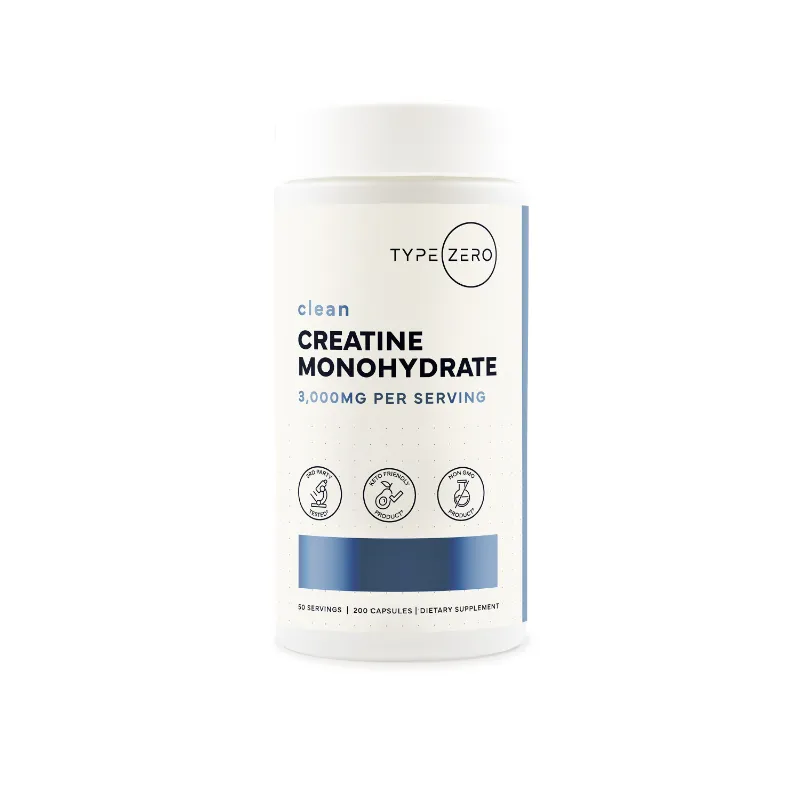 How Long Does Creatine Capsule Form Take to Show Results?16 Sep 20264 minZero Calorie Electrolytes vs Traditional Sports Drinks: How to Compare Them16 Sep 20264 min
 Sugar Free or Amino Pre Workout? How to Choose Between Them16 Sep 20263 minDo Stim Free Pre Workouts Actually Work? What They Can and Cannot Do16 Sep 20264 min