 A CO Z guide
How to Winterize Your CO Z Inflatable Hot Tub: Complete Storage Guide
Winterizing your inflatable hot tub protects it from freeze damage and extends its life by properly draining, cleaning, and storing the unit before temperatures drop.
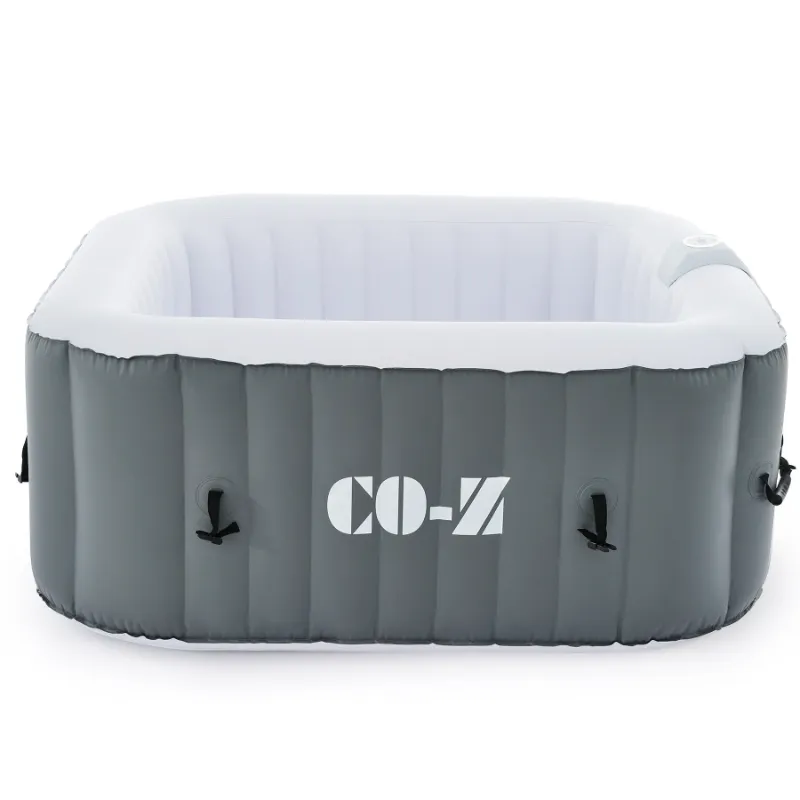
Winterizing your inflatable hot tub correctly prevents freeze damage, cracks, and mold while extending the lifespan of your investment by years. CO Z models like the 4 person hot tub and 6 person led inflatable hot tubs require proper drainage, cleaning, and storage before winter temperatures arrive, and we’ll walk you through each step to keep your spa in peak condition.
When to Winterize Your Inflatable Hot Tub
Most owners should begin winterization when overnight temperatures consistently drop below 50°F. Freezing water expands and can crack the PVC liner, damage pump components, and rupture internal plumbing lines. If you live where winters stay mild, you may choose to keep your spa running year-round, but plan to winterize any time the unit will sit unused for more than two weeks in cold weather.
Indoor inflatable hot tub users in heated spaces can skip full winterization, though we still recommend a thorough cleaning and partial drain if the tub will sit idle for extended periods. For outdoor units, winterization is non-negotiable in freeze-prone climates.
Complete Drainage and Cleaning Process
Start by turning off and unplugging the heating and filtration system. Remove the filter cartridges and rinse them thoroughly under running water, then set them aside to dry completely.
Drain the tub using these methods:
- Connect a garden hose to the drain valve and route water away from your foundation
- Use the built-in drain pump if your model includes one (most CO Z units do)
- For faster drainage, use a submersible pump for the bulk water, then open the valve for the remainder
Once the water level drops below the jets and air outlets, use a wet-dry vacuum to extract water from internal lines. Insert the vacuum hose into each jet opening and run it for 30 seconds per jet. This step prevents residual water from freezing inside the plumbing.
Wipe down the entire interior with a non-abrasive cloth and a 10:1 water-to-white-vinegar solution to remove biofilm, body oils, and mineral deposits. Pay special attention to the waterline where buildup concentrates. Rinse with clean water and use towels or a chamois to dry every surface you can reach.
Protecting Components and Accessories
The pump and heater unit contains the most vulnerable components. After disconnecting all hoses, tip the unit at various angles to drain trapped water from the internal chambers. Shake it gently and listen for sloshing, repeating until no water remains.
Store the control unit indoors in a climate-controlled space like a basement, garage, or utility room. Freezing temperatures can crack the digital display and damage circuit boards even when the unit is powered off.
Additional accessories to prep for storage:
- Air blower: drain and dry completely, store indoors
- Cover: clean both sides, ensure it’s bone-dry to prevent mildew
- Filter cartridges: replace if they’re at end-of-life, otherwise store dry indoors
- Chemical dispenser: empty, rinse, and dry
Before storing your spa, check the latest price on replacement filters so you’re ready for spring startup.
Proper Folding and Storage Techniques
Never fold or roll your inflatable hot tub while it’s still damp. Trapped moisture breeds mold and mildew that can permanently stain or weaken the PVC material. Allow the tub to air-dry for 24 to 48 hours in a covered outdoor space or well-ventilated garage, flipping it occasionally to expose all surfaces.
Once completely dry, sprinkle a light coating of talcum powder or cornstarch on the interior and exterior surfaces. This absorbs residual moisture and prevents the material from sticking to itself during storage.
Fold the tub loosely rather than tightly rolling it. Sharp creases can weaken the PVC over months of storage. We recommend an accordion fold: collapse one side toward the center, then the opposite side, followed by folding the ends toward the middle. The goal is a compact package without harsh bends.
Storage location considerations:
- Choose a dry, temperature-stable space like a basement, insulated garage, or shed
- Avoid attics where summer heat can exceed 120°F and damage PVC
- Keep the folded tub off concrete floors using pallets or shelving to prevent moisture wicking
- Store away from rodents, which may chew through the material
Place the tub in its original storage bag or a large plastic bin with a lid. Never stack heavy items on top, as prolonged pressure can create permanent creases or weak spots.
Winterizing vs. Year-Round Use
Some owners in moderate climates choose to run their best inflatable hot tub through winter rather than storing it. This approach works if temperatures rarely drop below 20°F and you use the spa at least twice weekly. The constant circulation and heating prevent freezing, though energy costs will increase significantly.
Running a spa in winter requires daily water level checks, since cold air accelerates evaporation. You’ll also need to insulate the pump unit with a weatherproof cover and ensure snow and ice don’t accumulate on the spa cover, which can cause it to collapse inward.
For most climates, proper winterization remains the more practical and cost-effective choice. The 5 Best Inflatable Hot Tubs, Tested by BHG notes that seasonal storage significantly extends equipment life compared to year-round outdoor exposure.
Spring Startup Checklist
When warm weather returns, inspect your tub for damage before refilling. Look for cracks, punctures, weak seams, or discoloration that developed during storage. Test the pump and heater indoors first by plugging them in briefly to confirm they power on.
Set up your spa in its permanent location, inflate it fully, and let it sit empty for 24 hours to ensure it holds air. Only then should you begin filling and balancing the water chemistry.
Keep your winterization supplies organized in a labeled bin so next fall’s process goes smoothly. Grab the code for 5% off replacement parts, covers, and accessories as you prepare for the new season.
Pre-startup inspection points:
- Check all seams and the floor for weak spots or separating material
- Inspect hose connections and clamps for cracks
- Replace filter cartridges if they’re more than one season old
- Test the ground fault circuit interrupter (GFCI) outlet
- Clean and reinstall the cover, checking the locking clips
Winter storage done right means your inflatable hot tub with seats will be ready for years of backyard relaxation. The hour you invest in proper winterization each fall prevents costly repairs and protects your investment through the harshest weather. Whether you own a compact 4-person model or one of the larger 6-person options, these storage steps apply universally to all CO Z inflatable spas.
Questions
Can I leave my CO Z inflatable hot tub outside during winter if I cover it?
No, covering alone won't protect your tub from freeze damage. Even with a cover, trapped water in the pump, jets, and plumbing lines will freeze and crack the components. You must fully drain and store the unit indoors or in a climate-controlled space.
How long does it take to properly winterize an inflatable hot tub?
Expect 2 to 3 hours for the complete process, including drainage, cleaning, drying, and storage prep. The drying phase adds another 24 to 48 hours before you can fold and store the unit, so start winterization on a dry, warm day when possible.
Do I need to deflate the spa completely before storing it?
Yes, you should fully deflate the tub to minimize the storage footprint and prevent pressure stress on the seams. Leave the valves open during storage to allow any residual air to escape as temperatures fluctuate.
What temperature will damage my inflatable hot tub if I don't winterize?
Any temperature at or below 32°F poses a freeze risk. Water expands as it freezes, and even small amounts trapped in jets or pumps can crack PVC and rupture internal lines, leading to expensive repairs or full replacement.
Can I use the same water treatment chemicals after winter storage?
Discard any liquid chemicals that were exposed to freezing, as their potency degrades. Dry chemicals like chlorine granules and pH adjusters typically remain stable if stored in a cool, dry place with sealed lids, but always check expiration dates before use.
Should I winterize if my hot tub is in a heated garage or sunroom?
If the indoor space maintains temperatures above 40°F year-round, you can skip full winterization. However, if you won't use the tub for weeks, drain and clean it to prevent stagnant water issues and conserve energy.
Products in this guide
Shopping at CO Z? See the discount code
5% OFF Sitewide
More in this series
 CO Z Gate Smart Lock Installation: Does It Work With Existing Hardware?13 Aug 20266 min
 How Long Do Inflatable Hot Tubs Last? Real Lifespan of CO Z Models13 Aug 20265 min
 Setting Up a CO Z Dog Wash Station: Space Requirements and Drainage Solutions13 Aug 20265 min
 Do Water Distillers Remove Fluoride? What the CO Z Actually Filters Out13 Aug 20264 min
 CO Z Portable Ice Maker vs Countertop Models: Which Makes Ice Faster?13 Aug 20264 min