 A CO Z guide
How Long Do Inflatable Hot Tubs Last? Real Lifespan of CO Z Models
We found that 6 person led inflatable hot tubs from CO Z typically last 3 to 7 years when maintained properly, with key factors like water chemistry and storage dramatically affecting longevity.
Most 6 person led inflatable hot tubs last between 3 and 7 years with regular maintenance. The wide range comes down to how you treat the tub, where you store it, and whether you follow basic water chemistry rules.
The difference between a tub that fails after two winters and one that lasts eight years often comes down to a handful of preventable mistakes.
What Determines How Long Your Inflatable Hot Tub Lasts
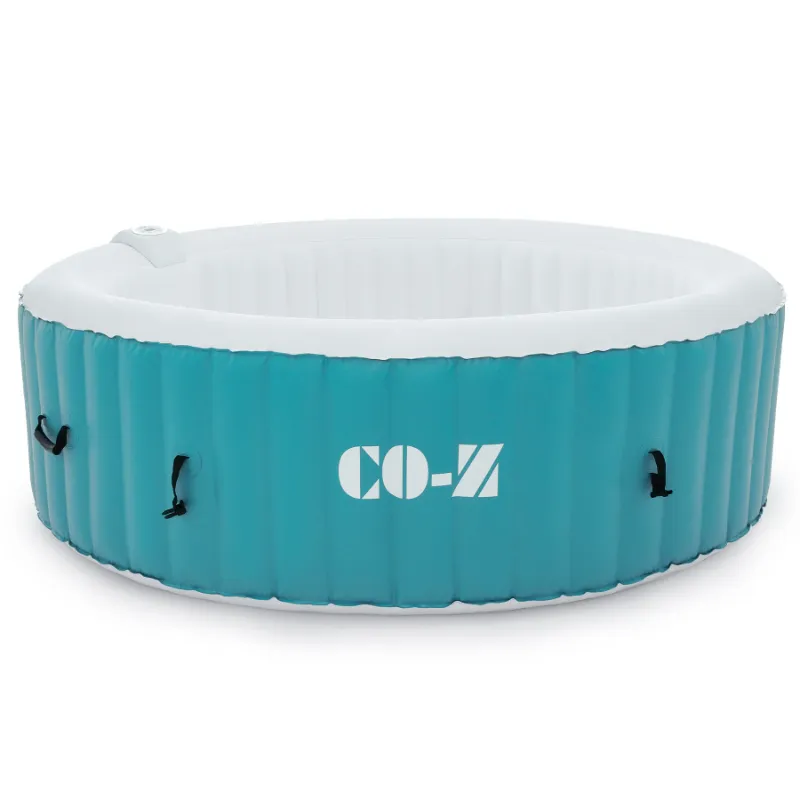
The shell material makes the biggest single difference. CO Z uses reinforced PVC with a multi-layer laminate construction that resists punctures and UV degradation better than budget single-layer vinyl. Check the material thickness listed for the 6 person led inflatable hot tubs, especially in high-stress areas like the floor and seating zones.
Water chemistry comes in second. Unbalanced pH eats through seals, degrades the liner, and corrodes metal components in the pump and heater.
Storage habits matter more than most buyers realize. Leaving an inflatable hot tub inflated and exposed through harsh winters accelerates wear, while proper deflation, cleaning, and indoor storage can double the usable life.
Climate and usage frequency also play roles. UV exposure, freeze-thaw cycles, and heavy daily use all shorten lifespan, though CO Z models include UV-resistant additives in the material that help mitigate sun damage.
Real Lifespan Data From CO Z Models
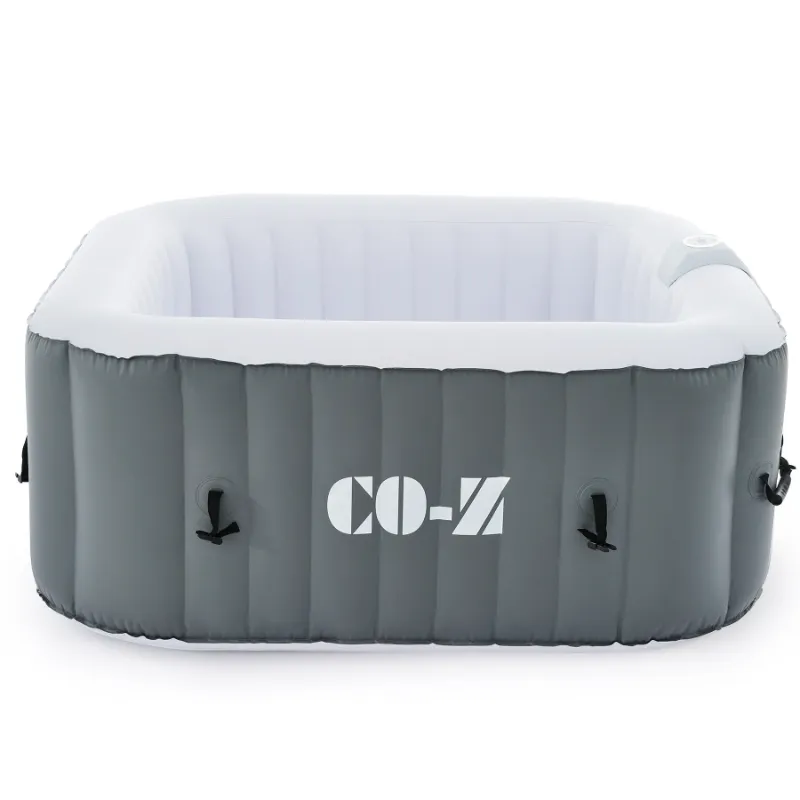
Check the warranty terms on the 4 person hot tub and the larger six-person models before you buy.
The pump and heating system usually need attention before the shell does. We recommend budgeting for a pump replacement if you use the tub year-round. Check the latest price to see current costs for replacement parts alongside new units.
Early failures almost always trace back to setup errors or neglect. Over-inflation stresses seams, under-inflation creates pressure points where users sit, and skipping the ground prep leads to punctures from below.
How to Extend Your Hot Tub’s Lifespan
Start with a proper foundation. This two-layer approach prevents punctures and insulates the floor, reducing heater runtime and energy costs.
Water chemistry maintenance is non-negotiable. Test strips twice weekly, adjust pH and alkalinity as needed, and maintain sanitizer levels according to CO Z’s guidelines. You can also use a floating dispenser for bromine or chlorine tablets.
Winterization extends lifespan dramatically in cold climates. Drain completely, clean with a mild spa cleaner, dry thoroughly, deflate slowly to avoid creasing, and store in a climate-controlled space.
Cover discipline protects against debris and UV damage. Use the insulated cover whenever the tub isn’t in use, and replace it when you notice sagging or loss of insulation. A worn cover forces the heater to run longer, shortening its lifespan while driving up your electric bill.
Filter maintenance keeps water clean with less chemical demand. Rinse the filter cartridge weekly with a garden hose, deep-clean it monthly with a filter cleaner solution, and replace it every 2 to 3 months during heavy use. Clean water means less strain on the pump and longer component life.
Consider your usage patterns. Running the jets and heater continuously wears components faster than heating to temperature, using for an hour, then powering down.
When to Repair vs Replace a CO Z Hot Tub
Small punctures and leaks are almost always worth repairing. CO Z includes a repair kit with every unit for patching pinhole leaks and small tears. Clean the area, apply the patch according to instructions, and let cure for 24 hours before refilling.
Seam failures are trickier. If the seam separation is under 2 inches and accessible, a vinyl adhesive repair often holds for another season or two. Longer separations or those in structural seams usually signal that the tub has reached end-of-life, and further repairs become a losing battle.
Pump and heater replacements make economic sense if the shell is still in good condition. A replacement pump costs roughly 30-40% of a new tub, so if your shell has three or more years of life left, replacing the pump is the smart move. Grab the code to compare repair costs against a new unit with our current discount.
Multiple simultaneous failures suggest it’s time to upgrade. When the pump fails and you notice several small leaks, the tub is telling you it’s reached its limit. Fighting multiple issues rarely pays off compared to investing in a fresh unit.
Best Practices for Different Climates
Year-round warm climates can actually shorten lifespan due to constant UV exposure and higher ozone levels that degrade PVC. We recommend a UV-resistant cover, parking the tub in partial shade, and applying a vinyl protectant every three months.
Cold climates demand seasonal storage or very diligent winter maintenance. If you keep your 6 person led inflatable hot tubs inflated through winter, insulate the floor with extra foam, maintain water temperature above 95°F to prevent freezing, and check daily for ice formation on the cover. Alternatively, deflate and store from November through March to maximize longevity.
Moderate climates offer the best conditions for long tub life. Mild winters and summers reduce stress on materials and components, and occasional breaks in usage give the pump and heater rest periods that extend their service life.
What CO Z Does Differently for Durability
CO Z builds their models with DuraPlus™ material that layers PVC with polyester mesh reinforcement.
The heating system uses a titanium element rather than cheaper stainless steel, which resists corrosion better in high-chlorine environments.
Seam construction uses radio-frequency welding rather than glued seams. This creates a molecular bond that’s stronger than the surrounding material, which is why most leaks develop in the field of the tub rather than at seams when properly maintained.
LED lighting systems are sealed separately from the main air chambers, so a lighting failure doesn’t compromise the structural integrity.
The rapid heating pump reduces time to temperature, which means less total runtime to maintain heat. Over years of use, this translates to fewer motor hours and extended pump life compared to slower-heating competitors.
Signs Your Hot Tub Is Near End of Life
Material softening or excessive stretching indicates the PVC is breaking down. If the walls feel noticeably thinner or you see sagging when the tub is filled, the material has lost structural integrity and replacement is imminent.
Frequent small leaks that reappear after repairs suggest widespread material fatigue. One or two patches over several years is normal, but if you’re patching monthly, the shell is telling you it’s done.
Declining heating efficiency even with a clean filter and balanced water usually means the heater element is scaling or failing. If your tub takes twice as long to reach temperature as it did when new, factor in replacement costs.
Loud or grinding pump noises indicate bearing wear or debris in the impeller. Some noise is normal, but a significant change in sound quality means the pump is approaching failure.
Discoloration and permanent staining that won’t clean off shows UV damage has penetrated the protective coating. This cosmetic issue often coincides with material brittleness and reduced flexibility.
Questions
How long do 6 person led inflatable hot tubs typically last?
Most 6 person LED inflatable hot tubs last between 5 and 7 years with proper maintenance, water chemistry management, and seasonal storage. Some well-maintained units exceed 8 years, while neglected tubs may fail within 2 to 3 years.
What is the most common reason inflatable hot tubs fail early?
Poor water chemistry is the leading cause of premature failure. Unbalanced pH and excessive sanitizer corrode seals, degrade the liner, and damage pump components. Regular testing and adjustment prevent most early failures.
Should I deflate my CO Z hot tub for winter storage?
Yes, deflating and storing indoors during harsh winters can extend its lifespan. Drain completely, clean, dry thoroughly, and store in a climate-controlled space. This prevents freeze damage and UV degradation during months of non-use.
When should I replace the pump instead of buying a new hot tub?
Replace the pump if your shell is in good condition with no major leaks or seam failures. A replacement pump costs about 30-40% of a new tub, so it makes economic sense when you have 3 or more years of shell life remaining.
Can I repair small leaks in my inflatable hot tub myself?
Yes, pinhole leaks and small tears under 2 inches are easily repairable with the included patch kit. Clean the area, apply the vinyl patch, and cure for 24 hours before refilling. Most small punctures can be fixed in under 30 minutes.
Does leaving my hot tub inflated year-round shorten its life?
Yes, continuous inflation and outdoor exposure accelerate wear from UV damage, temperature cycling, and material stress.
Products in this guide
Shopping at CO Z? See the discount code
5% OFF Sitewide
More in this series
 CO Z Gate Smart Lock Installation: Does It Work With Existing Hardware?13 Aug 20266 min
 Setting Up a CO Z Dog Wash Station: Space Requirements and Drainage Solutions13 Aug 20265 min
 Do Water Distillers Remove Fluoride? What the CO Z Actually Filters Out13 Aug 20264 min
 CO Z Portable Ice Maker vs Countertop Models: Which Makes Ice Faster?13 Aug 20264 minHow to Winterize Your CO Z Inflatable Hot Tub: Complete Storage Guide13 Aug 20265 min