 A Carbonaddons guide
Will a Wicker Bill Spoiler Extension Pass State Inspection and Daily Driving?
A wicker bill spoiler extension typically passes state inspection and handles daily driving without issues when mounted securely and kept under local height restrictions.
Will a Wicker Bill Pass Inspection and Work for Daily Driving?
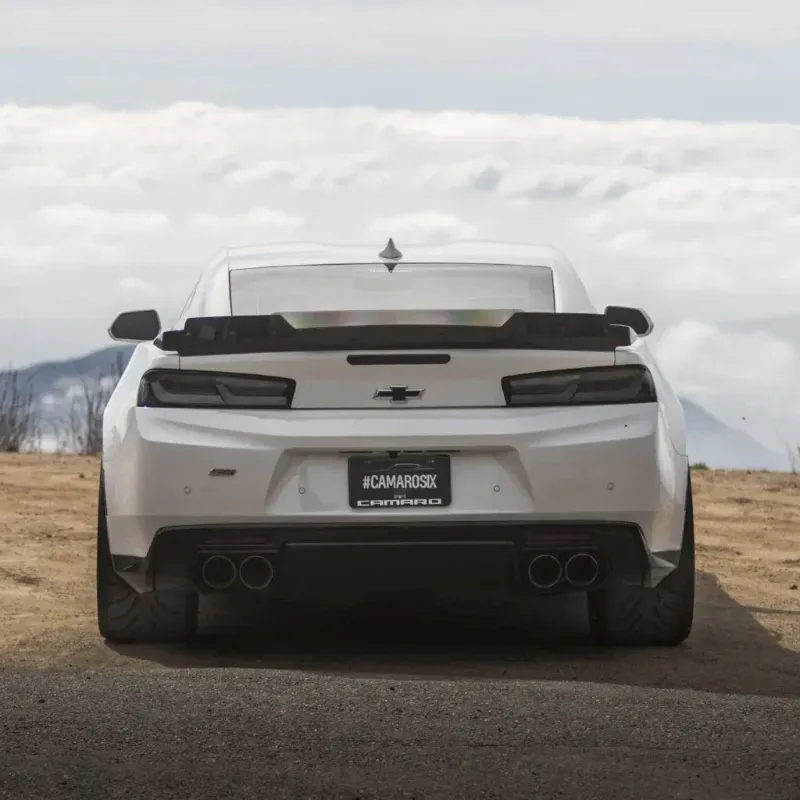
A wicker bill spoiler extension can pass state inspection and suit daily driving, provided it stays within your state’s height and projection limits and is securely fastened. Most regulations focus on sharp edges, visibility obstructions, and maximum bumper height rather than spoiler add-ons.
State Inspection Requirements for Wicker Bill Spoilers
Vehicle equipment laws vary by state, but most codes address bumpers, lighting, and protruding objects rather than rear spoilers directly. The main concerns during inspection are whether the extension blocks your third brake light, introduces a sharp edge that could injure pedestrians, or exceeds bumper-height maximums.
Common points in state equipment codes include:
- Height limits typically cap overall vehicle height at 13 to 14 feet for passenger cars, which a trunk-mounted spoiler rarely approaches.
- Projection rules prohibit parts that extend beyond the body by more than a few inches without proper marking.
- Sharp edges must be rounded or protected if they protrude into pedestrian zones.
- Lighting visibility requires your brake light and turn signals to remain unobstructed.
A properly installed wicker bill spoiler sits flush against your factory trunk lid or decklid spoiler, adding only an inch or two of vertical height. Because it mounts above the rear window line, it does not block lights or create a pedestrian hazard.
Check the latest price and confirm your state’s specific equipment code before ordering, especially if you run a taller universal blade.
Durability and Daily Driving Performance
Here is what to watch for with daily use:
- Material choice matters. Check whether the extension is carbon fiber, ABS or another plastic, and how the seller rates it for UV and cold.
- Mounting hardware. Bolted installs with lock nuts are more secure than adhesive-only mounts, which can peel in heat or in automated washes.
- Blade height. Taller blades catch more air and may need additional bracing.
- Ground clearance. Wicker bills mount on the trunk, not the bumper, so they generally clear driveway aprons and speed bumps without scraping.
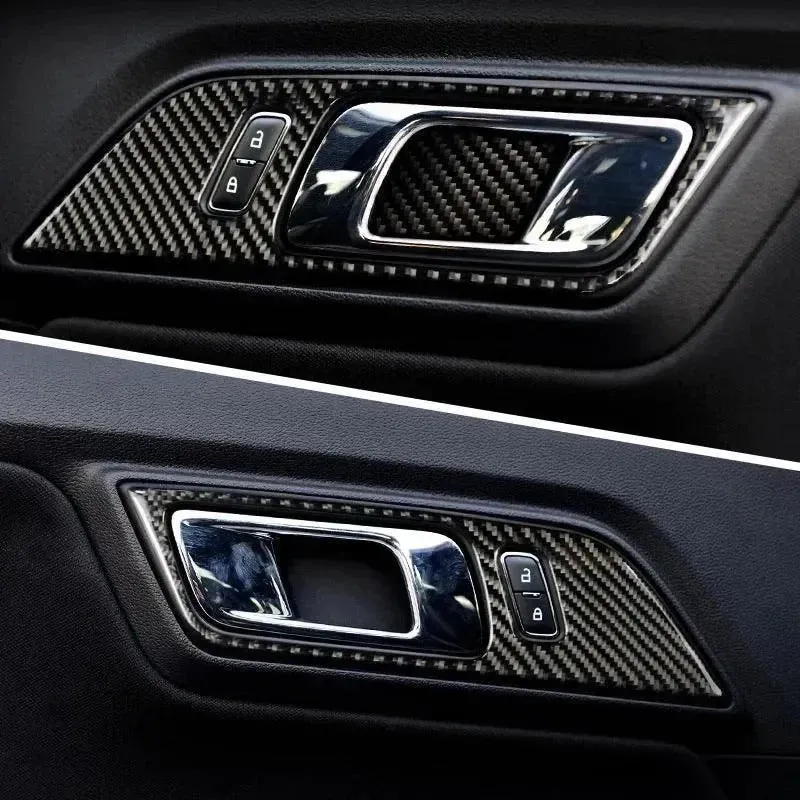
For daily reliability, we recommend a one- to two-inch blade in carbon fiber or gel-coated ABS, bolted through the factory spoiler or decklid with sealed grommets. The same mounting principles apply whether you are upgrading your mustang interior with matching aero or adding a subtle touch to a c7 interior build.
How Wicker Bills Affect Handling and Fuel Economy
A small spoiler extension generates modest downforce at speed, improving high-speed cornering stability without the drag penalty of a full wing.
A wicker bill alone will not transform a street car into a time-attack machine.
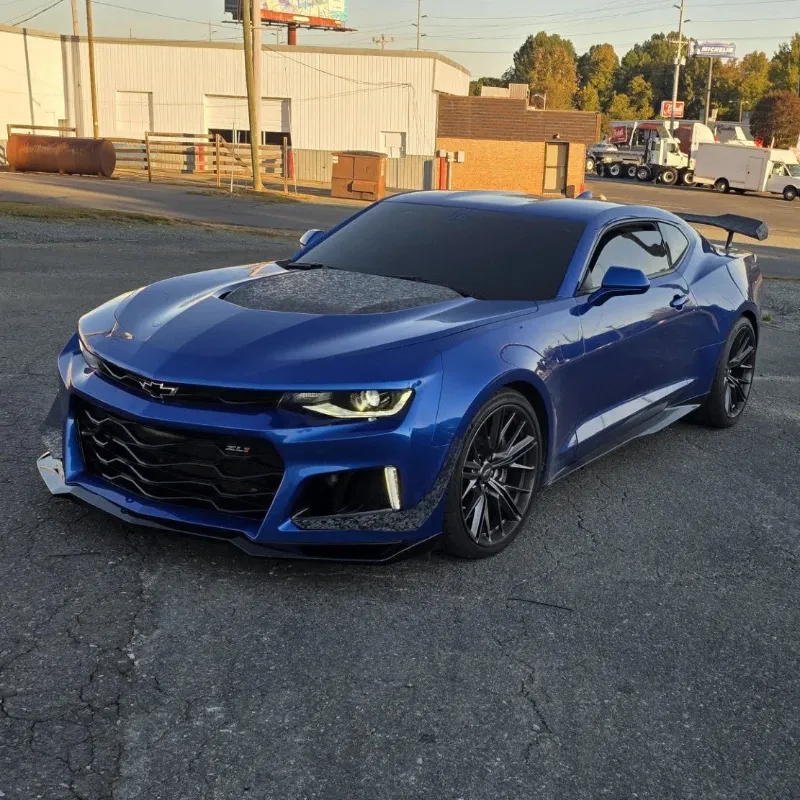
If you are layering performance mods, consider pairing your spoiler with complementary upgrades like zl1 addons or a hellcat steering wheel for a cohesive build. Grab the code to save five percent on bundled orders.
Installation Tips and Common Pitfalls
Most wicker bill spoiler extensions bolt directly to your factory decklid spoiler or trunk lid using existing holes or new pilot holes. Here are some best practices:
- Test-fit before drilling. Lay the extension on the spoiler and mark hole positions with tape. Check alignment from behind the car to ensure the blade sits level.
- Seal penetrations. Use rubber grommets or silicone sealant around bolt holes to prevent water intrusion into the trunk.
- Torque evenly. Snug bolts in a cross pattern to avoid warping the extension or cracking the spoiler base.
- Avoid adhesive-only mounts for blades taller than one inch or on cars that see track use. Tape and glue fail under sustained aerodynamic load.
Universal wicker bill spoiler options fit a wide range of trunk widths but may require trimming or custom brackets. Model-specific extensions for the wicker bill spoiler Charger, wicker bill spoiler Mustang, or wicker bill Challenger typically include pre-drilled holes and vehicle-matched contours, saving installation time and improving the finished look.
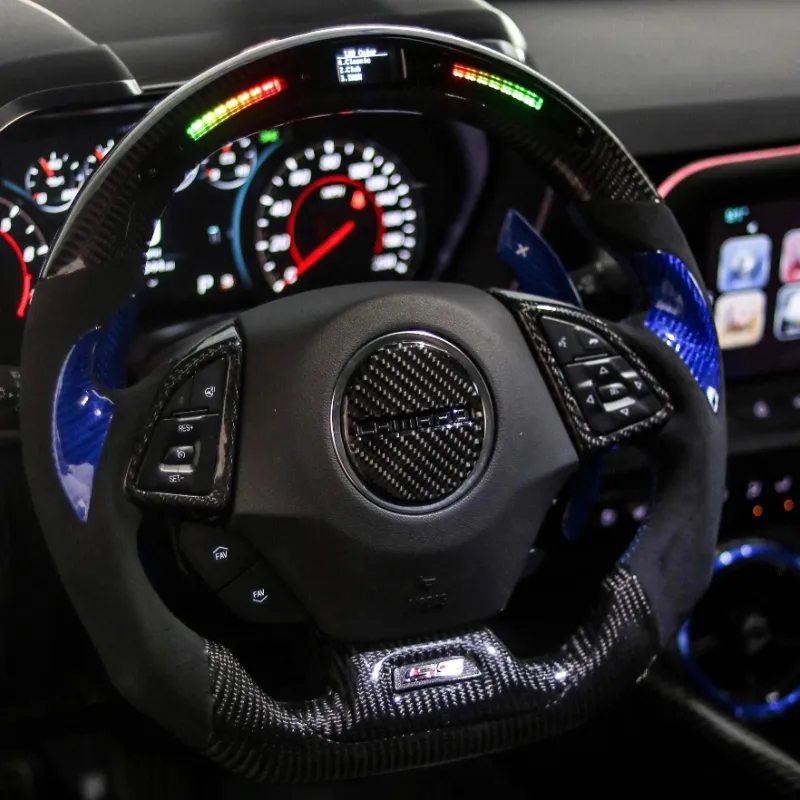
For chassis-specific interior upgrades that match your exterior aesthetic, explore options like a camaro steering wheel or c6 corvette steering wheel to tie the cockpit and exterior together.
Who Should Run a Wicker Bill on the Street
A wicker bill spoiler extension makes the most sense for enthusiasts who:
- Drive spiritedly on highways, mountain roads, or occasional track days and want improved high-speed stability without a full wing.
- Value subtle aero. The low-profile blade adds function and a motorsport edge without the boy-racer look of a tall spoiler.
- Own a factory-spoiler-equipped car. Challengers, Chargers, Camaros, Mustangs, and Corvettes with trunk-lid or decklid spoilers accept bolt-on extensions easily.
- Live in states with relaxed equipment laws. Rural and Southern states rarely scrutinize spoiler height; urban California and Northeast inspections may vary by county.
If you rarely exceed 60 mph, a wicker bill offers minimal benefit. Likewise, if your car lacks a factory spoiler, you will need a universal base or custom fabrication, which adds cost and complexity. For drivers seeking maximum visual impact, a full adjustable wing may suit better, though it will draw more attention during inspection.
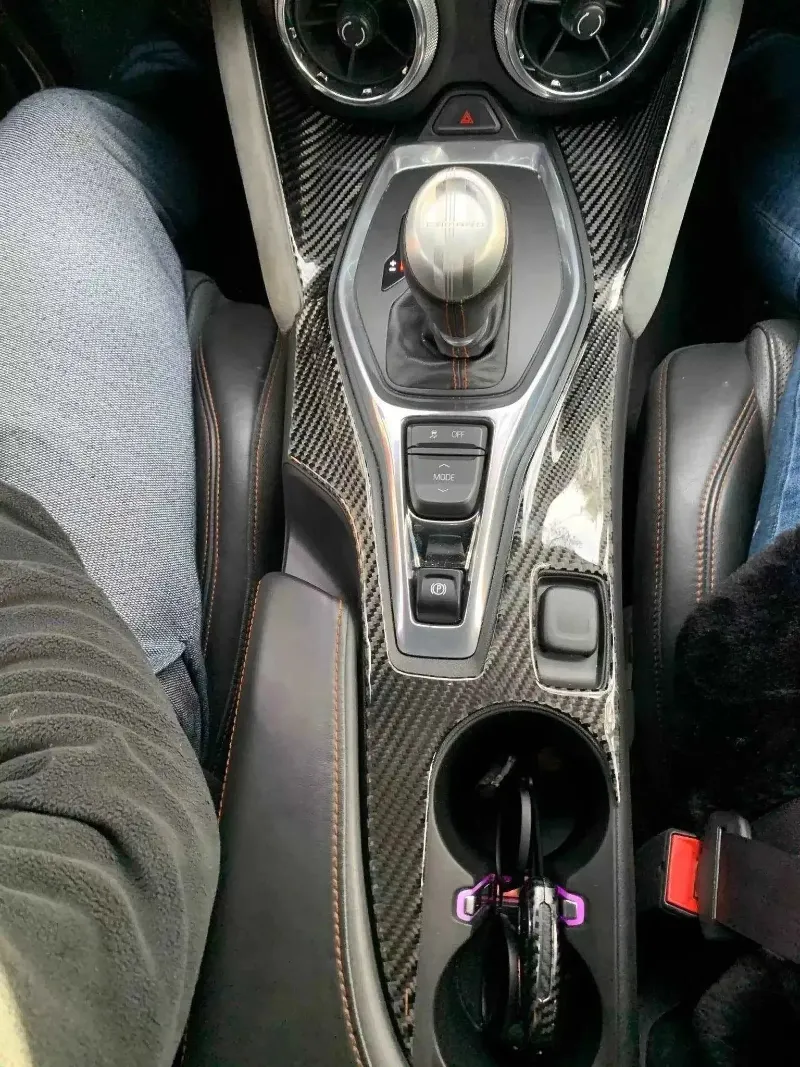
We also recommend coordinating your aero upgrades with interior touches like a center console carbon fiber replacement or exterior trim such as challenger rock panels for a cohesive build. Authority sources like Vicrez’s wicker bill overview and American Muscle’s Charger extension guide offer additional model-specific installation photos and specifications.
Final Thoughts
A properly installed wicker bill can pass inspection in many states when it stays within local limits. Bolt-on carbon or ABS extensions require minimal tools, seal against the elements, and complement both street and track use. Before you order, confirm your state’s bumper and projection codes, and choose hardware over adhesive. Visit our discount page to save five percent on your next spoiler extension or interior upgrade and keep your build legal, functional, and sharp.
Questions
Will a wicker bill spoiler void my vehicle warranty?
Most manufacturers consider a bolt-on spoiler extension a reversible modification that does not void the powertrain warranty. However, if the installation damages the trunk lid or paint, that specific repair may not be covered. Always check your warranty terms before drilling.
Can I take a car with a wicker bill through an automatic car wash?
Check the seller's care instructions first. Adhesive-only mounts may peel under high-pressure spray, so we recommend bolted installations for daily drivers.
Do I need to notify my insurance company after installing a spoiler extension?
Most insurers do not require disclosure for bolt-on cosmetic parts under a few hundred dollars. If your extension significantly increases vehicle value or you file a custom-car policy, mention it during your next policy review.
What is the difference between a wicker bill and a full rear wing?
A wicker bill is a small vertical extension that mounts to your existing spoiler, adding modest downforce with minimal drag. A full wing sits on tall uprights, generates much more downforce, increases drag noticeably, and often requires drilling into the trunk floor.
How tall can a wicker bill be before it causes inspection problems?
Shorter extensions are less likely to raise inspection concerns, but check your state's rules. Blades taller than three inches may be flagged if they obstruct lighting or exceed local projection limits, especially in strict jurisdictions like California or New York.
Will a wicker bill spoiler work on a car without a factory spoiler?
You can install a universal wicker bill on a bare trunk lid using custom brackets or a separate spoiler base, but fitment and appearance vary. Factory-spoiler-equipped cars offer the cleanest installation and best aerodynamic efficiency.
Products in this guide
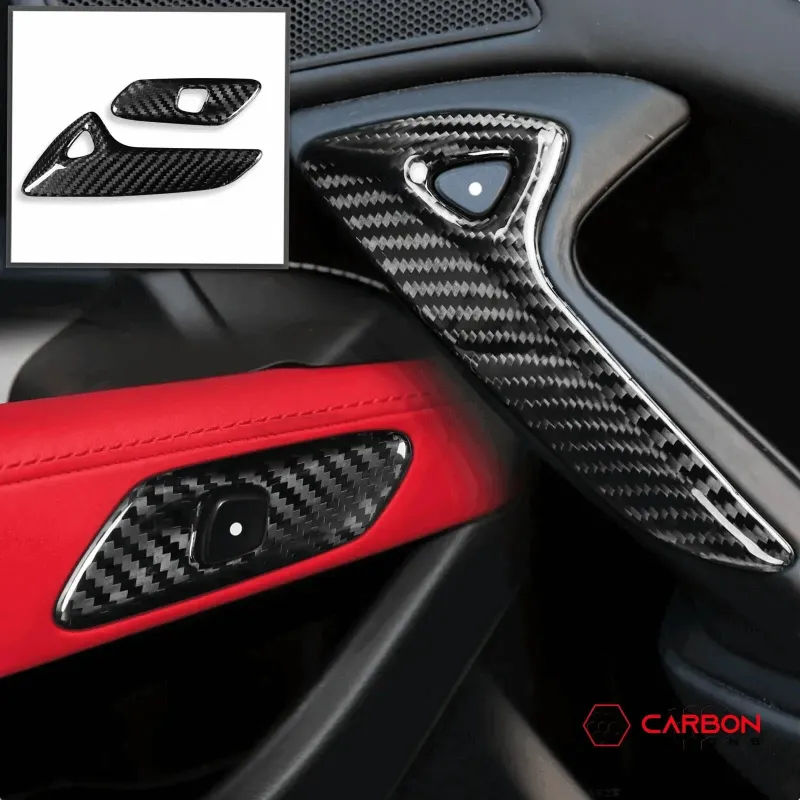
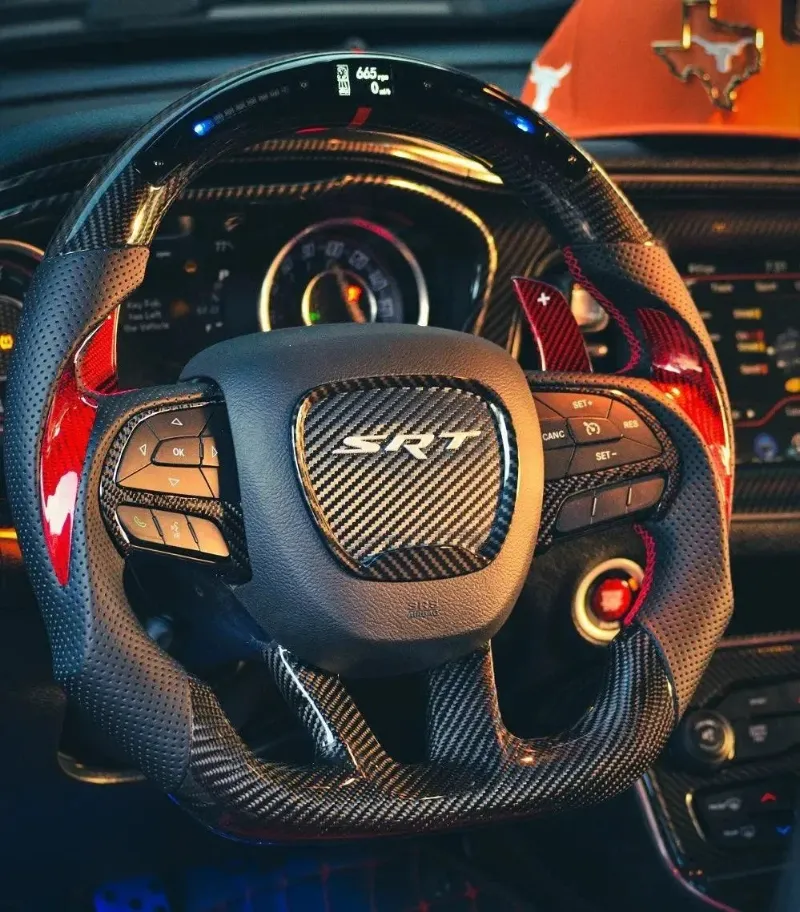
 Shopping at Carbonaddons? See the discount code
5% OFF All Orders
Shopping at Carbonaddons? See the discount code
5% OFF All Orders
More in this series
Maintaining Carbon Fiber Rocker Panels: Cleaning, Protection, and Longevity Tips12 Aug 20265 minCarbon Fiber Interior Kits for C7 Corvette: What’s Included and Installation Time12 Aug 20264 minDo Aftermarket Steering Wheels Affect Airbag Safety and Warranty Coverage?12 Aug 20266 minSRT vs Hellcat Steering Wheel: Which Upgrade Fits Your Dodge Best?12 Aug 20264 minHow to Install a Carbon Fiber Center Console Replacement Without Professional Help12 Aug 20266 min