 A Joybos guide
Will a Rotating Bookshelf Fit in a Corner? Dimensions and Space Requirements Explained
A rotating bookshelf can fit in a corner if you have enough clearance for the unit to spin without hitting walls or furniture.
A rotating bookshelf can fit in a corner if you measure the diagonal clearance correctly and leave enough space for the unit to spin without hitting walls or furniture. Most models need 24 to 30 inches of open floor space in every direction from the center pivot point. Corner placement saves floor space while keeping books accessible, but only if you account for the rotation radius before you buy.
Measuring Your Corner for a Rotating Bookshelf
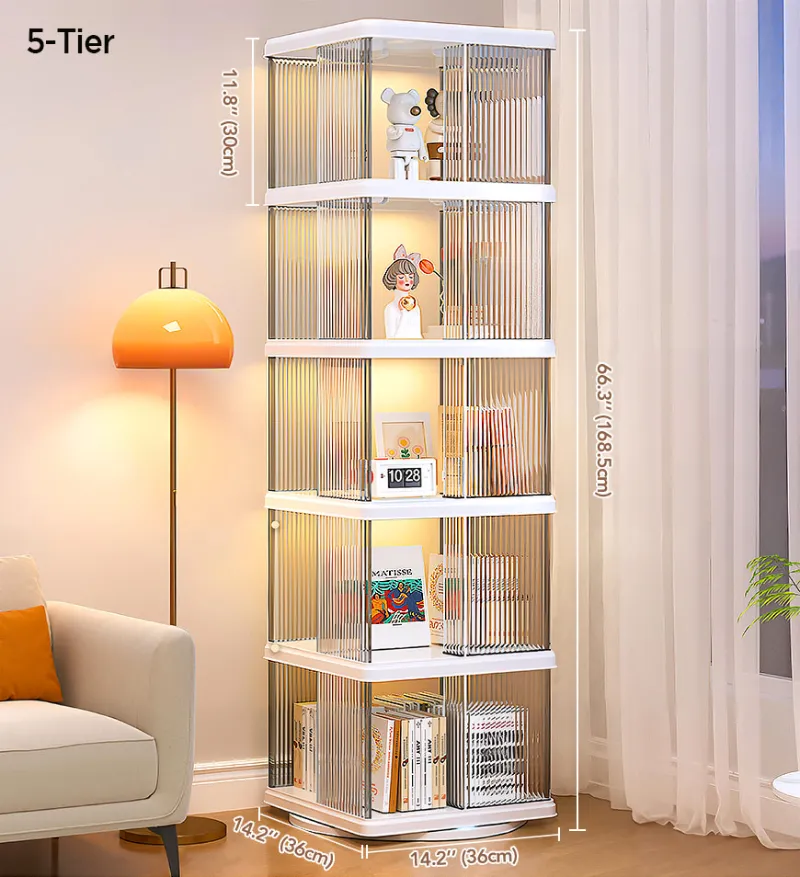
Before you order a rotating bookshelf, measure your corner space at floor level where the base will sit. You need the distance from the corner apex to any furniture, doorways, or wall edges that might block rotation.
Start by identifying your placement point. Most people assume the unit will sit flush in the corner, but rotating designs work best when positioned 12 to 18 inches away from the corner apex. This offset gives the back shelves room to swing past both walls without scraping.
Key measurements to take:
- Distance from corner to nearest furniture on both sides
- Ceiling height if you’re considering a rotating bookshelf tower
- Diagonal clearance (measure corner to corner across the rotation circle)
- Door swing paths that might intersect with spinning shelves
Mark your intended spot with painter’s tape in a circle matching the product’s base diameter plus 3 inches. Walk around it and simulate the rotation to spot obstacles you might have missed.
Standard Rotating Bookcase Dimensions and Clearance Needs
Rotating bookcases typically range from 10 to 20 inches in base diameter, but the rotation clearance is what matters for corner fit. A unit with a 16-inch diameter base might have shelves that extend 22 inches from the center, meaning you need 44 inches of clear diameter for safe rotation.
| Bookshelf Height | Typical Base Width | Rotation Clearance Needed |
|---|---|---|
| 3-4 tiers (kids) | 10-14 inches | 24-28 inches |
| 5-6 tiers (standard) | 14-18 inches | 32-38 inches |
| 7+ tiers (tower) | 16-20 inches | 36-42 inches |
Deeper shelves mean you need more clearance, especially if you plan to store larger books or display items that overhang the shelf edge.
Weight distribution also affects corner placement. Taller rotating bookshelf tower designs can tip if loaded unevenly or pushed during rotation. Position these at least 15 inches from the corner apex and anchor them to the wall with the included safety strap if you have kids or pets.
Corner Placement Strategies That Actually Work
The biggest mistake is pushing a rotating unit too far into a corner. This blocks rotation and forces you to manually turn it, defeating the purpose of the rotating design.
Position it 12 to 18 inches from the corner apex instead. This creates a “dead zone” behind the unit but gives you full 360-degree access. You can fill that dead zone with a small plant, a floor lamp, or leave it empty for easier vacuuming.
Use the two-wall test: spin the unit slowly by hand and watch both walls. If any shelf edge comes within 2 inches of either wall, move the unit farther out or choose a smaller model. Kids’ rotating bookshelf designs with 3 to 4 tiers tend to work better in tight corners than full-height towers.
For very tight corners under 36 inches of diagonal clearance, consider a half-rotation model or a fixed corner shelf instead. Not every space suits a rotating design, and forcing it creates more frustration than convenience.
Check current pricing and grab our discount code before finalizing your measurements.
Comparing Rotating Bookshelf Materials for Corner Spaces
Material choice affects both the footprint and the corner aesthetic.
Rotating bookshelf wood models add warmth and blend with traditional decor but tend to have thicker shelves and bases, increasing the rotation clearance by 1 to 2 inches. The extra material also adds weight, which improves stability but makes repositioning harder.
Metal and wire designs have thinner profiles and lighter footprints, ideal for modern or minimalist corners. A rotating bookshelf black metal frame nearly disappears against dark walls and suits smaller spaces better than bulky wood towers.
Plastic and composite units weigh the least and cost less, but cheaper models wobble during rotation. If you go this route, add stick-on furniture pads to the base for smoother spinning and less floor scratching.
If you’re considering a rotating bookshelf DIY project, plan for a base diameter at least 2 inches wider than your tallest tier to prevent tipping. Lazy Susan hardware from home improvement stores works for builds up to 30 inches tall, but taller towers need reinforced bearings.
What to Do When Your Corner Is Too Small
If your measurements show the corner won’t accommodate a full rotating bookshelf, you have three practical alternatives that still maximize corner storage.
Switch to a fixed corner shelf unit. These wrap around the corner and hold the same number of books without needing rotation clearance. You lose the spinning access but gain stability.
Use a smaller rotating bookshelf kids model even if you’re an adult. A 3-tier unit with a 24-inch rotation clearance fits where a 6-tier tower won’t, and you can stack a second unit on top if you need more capacity later.
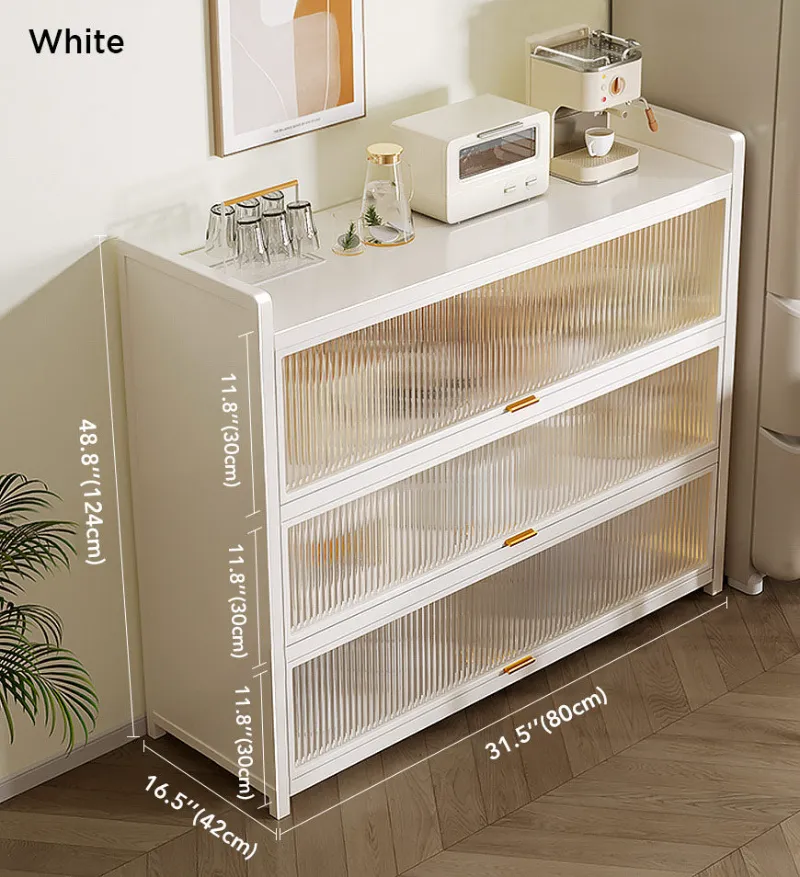
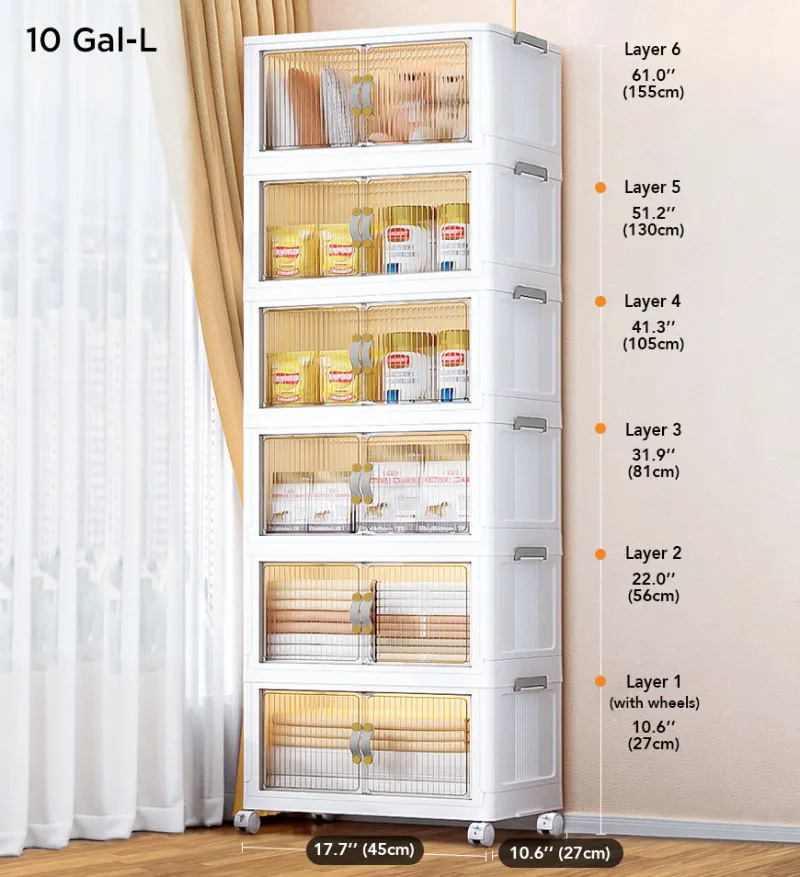
Pair rotating storage with fixed storage. Position a compact rotating bookcase in the corner for your current reads and add a kitchen storage cabinet or stackable storage bins along the adjacent wall for archive storage. This hybrid approach gives you quick access where you need it and bulk storage where you have room.
We also recommend checking whether a rotating bookshelf with mirror backing works in your corner. The mirrored side reflects light and makes tight corners feel more open, though it adds an inch to the depth measurement.
Buying Tips and Where to Check Specs
Always verify the rotation clearance before ordering. Product pages sometimes list only the base diameter, leaving you to guess the actual space requirement. Look for “rotation diameter” or “clearance needed” in the specs, or measure the shelf depth and double it, then add the base width.
Read recent reviews that mention corner placement. Shoppers often post photos showing the unit in their corners, giving you a real-world sense of fit and proportion. Search for “corner” in the review filter if the site offers one.
Many rotating bookshelf Amazon listings and rotating bookshelf Ikea pages include dimension diagrams. Download these and print them at actual size if possible, then lay the template on your floor to visualize the footprint. This step can help you avoid a return.
Visit our Joybos discount page to compare models and apply our current 12% off code before you order. Measure twice, order once, and your corner will work perfectly with the right rotating bookshelf.
Questions
How much space does a rotating bookshelf need to spin in a corner?
Most rotating bookshelves need 24 to 38 inches of clear diameter to spin freely, depending on shelf depth and tier count. Measure from the center pivot point outward in all directions and add 2 inches of buffer space to avoid wall contact.
Can I put a rotating bookcase flush against a corner wall?
No, placing it flush in the corner will block rotation. Position the unit 12 to 18 inches away from the corner apex so the back shelves can swing past both walls without scraping.
What is the smallest corner size that fits a rotating bookshelf?
You need at least 30 inches of diagonal clearance for a compact 3-tier rotating unit. Smaller corners work better with fixed corner shelves or wall-mounted storage instead.
Do taller rotating bookshelf towers need more corner space?
Yes, towers with 6 or more tiers typically have deeper shelves and need 36 to 42 inches of rotation clearance. They also require wall anchoring for safety, which limits placement flexibility in some corners.
How do I measure rotation clearance before buying?
Find the shelf depth in the product specs, double it, then add the base diameter. That total is your rotation clearance. Measure your corner space diagonally to confirm it exceeds this number by at least 2 inches.
Will a rotating bookshelf scratch my corner walls when it spins?
It can if you don't leave enough clearance. Position the unit so every shelf edge stays at least 2 inches from both walls during a full rotation, and apply felt pads to shelf edges if needed.
Products in this guide
 Shopping at Joybos? See the discount code
12% OFF All Orders
Shopping at Joybos? See the discount code
12% OFF All Orders
More in this series
What to Store in Airtight Rice Containers Besides Rice16 Aug 20265 min Joybos Laundry Basket With Wheels Review: Does It Roll Smoothly on Carpet and Tile?16 Aug 20263 min
 How Long Do Wall Mounted Bathroom Shelves Hold Up in High Humidity?16 Aug 20265 min
 Do Motion Sensor Trash Cans Really Work? Joybos Smart Bin vs Traditional Touch-Free Models16 Aug 20265 minHow to Organize a Small Pantry With Stackable Storage Bins16 Aug 20265 min