 A Joybos guide
How to Organize a Small Pantry With Stackable Storage Bins
Stackable storage bins transform a cramped pantry into an efficient, visible system by using vertical space and creating modular zones for dry goods, snacks, and cooking essentials.
Why Stackable Storage Bins Work in Tight Pantry Spaces
Stackable storage bins let you build upward instead of outward, turning wasted vertical space into usable storage. In a small pantry, every inch counts, and a well-chosen set of bins creates clear zones for grains, snacks, canned goods, and baking supplies while keeping everything visible and accessible.
Before you buy, measure your pantry depth, shelf height, and the items you store most often. A mismatch between bin size and shelf clearance means wasted money and frustration.
Choose the Right Bin Style for Your Pantry Layout
Different bin designs suit different pantry problems. Match the style to how you use your space.
Stackable storage bins with lids seal out moisture and pests, making them ideal for flour, sugar, rice, and pasta. Lids add height, so confirm your shelf clearance before stacking more than two high. We use lidded bins on lower shelves where we store bulk staples we refill weekly.
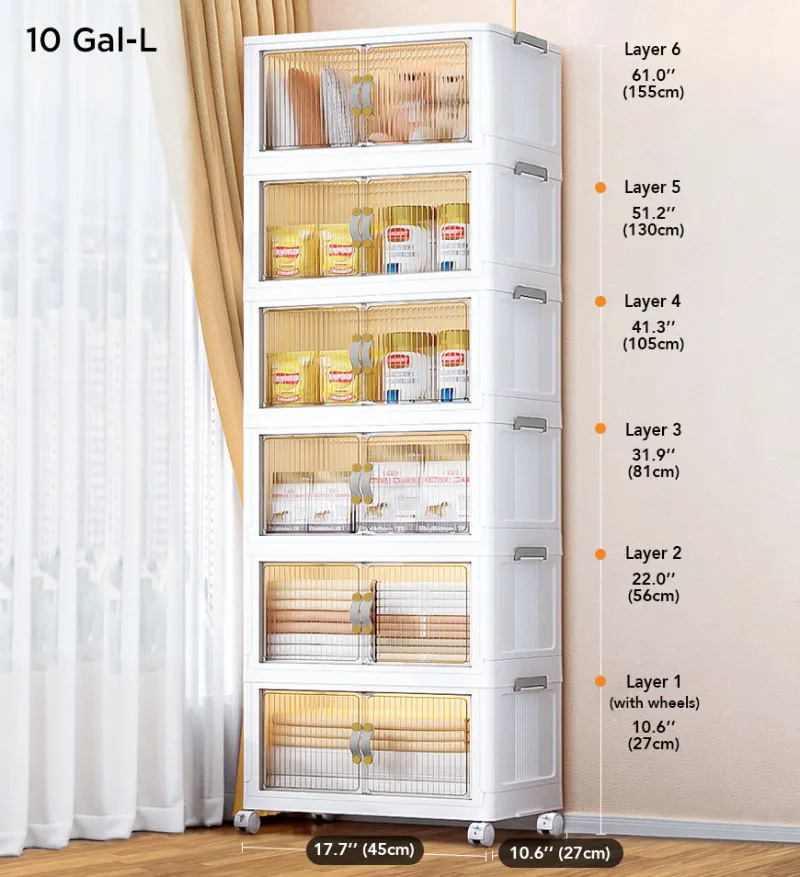
Stackable storage bins open front let you see and grab items without lifting a lid or moving the stack. They work best for snack pouches, seasoning packets, and anything you reach for daily. Stackable storage bins in this style often nest when empty, saving storage space during a pantry reorganization.
Stackable storage bins with drawers combine the density of a drawer unit with the flexibility of modular bins. These suit deep pantries where you need to pull a bin forward to see what is behind it. Pair them with a kitchen pantry system if you are building out a larger food-storage area.
| Bin Style | Best For | Typical Height |
|---|---|---|
| Open front | Daily snacks, spices, packets | 4 to 6 inches |
| Lidded | Bulk dry goods, baking supplies | 6 to 10 inches with lid |
| Drawer style | Deep shelves, heavy items | 8 to 12 inches |
Material and Durability: Plastic vs. Wire vs. Fabric
Most pantry bins come in clear plastic, wire mesh, or fabric. Each has trade-offs.
Clear plastic bins let you see contents at a glance and stack securely without sliding. Look for BPA-free, food-safe plastic that will not warp under the weight of canned goods. Quantum Storage and Simplastics manufacture heavy-duty options designed for industrial use, but consumer-grade bins work well for pantries up to 50 pounds per stack.
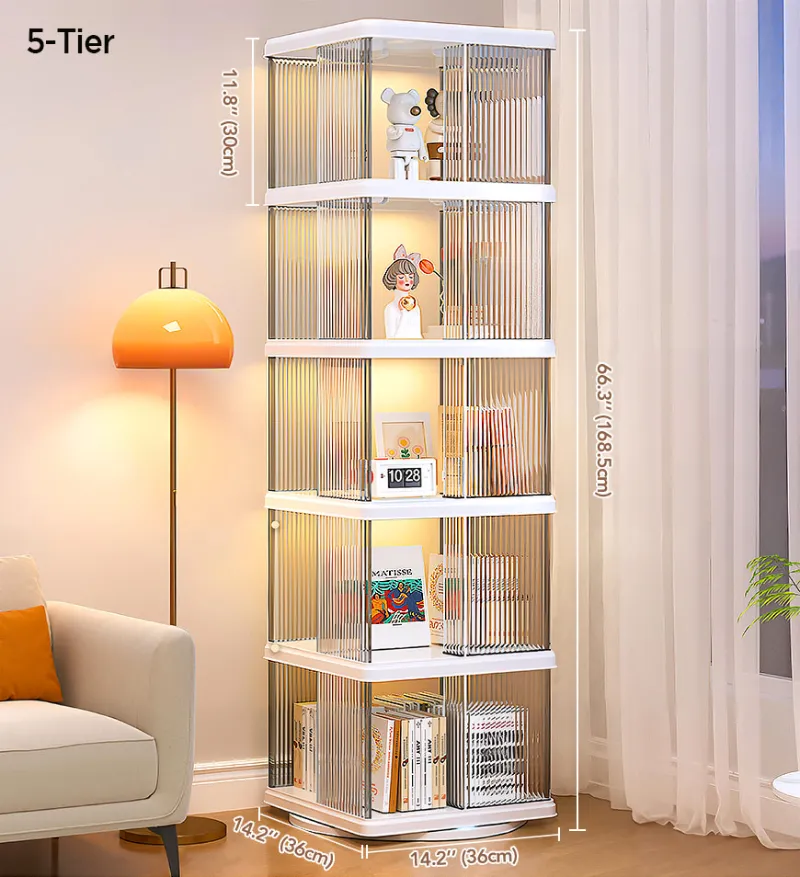
Wire or mesh bins offer ventilation for potatoes, onions, and garlic but do not contain spills or small packets. We pair wire bins with a rotating bookshelf in corner pantries where airflow matters more than sealed storage.
Fabric bins with cardboard inserts collapse when not in use but lack the structural strength for heavy stacking. They suit lightweight items like napkins, paper goods, or kids’ snack pouches on upper shelves.
For most small pantries, clear plastic stackable storage bins deliver the best balance of visibility, durability, and weight capacity. Check the latest price to compare lidded and open-front sets.
Size and Stack Strategy: Maximize Shelf Height
A common mistake is buying bins that are too tall or too deep for your shelves, leaving vertical gaps or forcing you to unstack to reach items.
Measure twice, buy once. Note the interior shelf height (not just the gap between shelves). Subtract 1 to 2 inches for clearance, then choose bin heights that stack evenly. For example, two 5-inch bins fit a 12-inch shelf better than one 8-inch bin with 4 inches of wasted space above it.
Large stackable storage bins (10+ inches wide) suit bulk items like cereal boxes, chip bags, and 5-pound flour bags. Place these on lower shelves where you can lift them safely. Smaller bins (4 to 6 inches) nest inside larger footprints, letting you create custom dividers for tea, bouillon cubes, or spice jars.
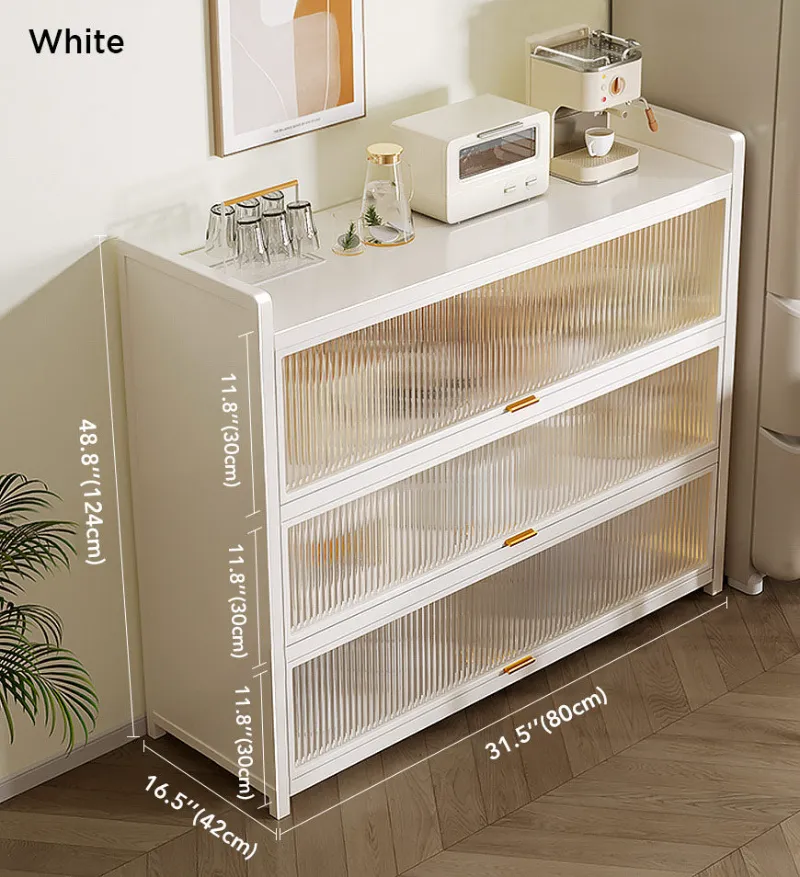
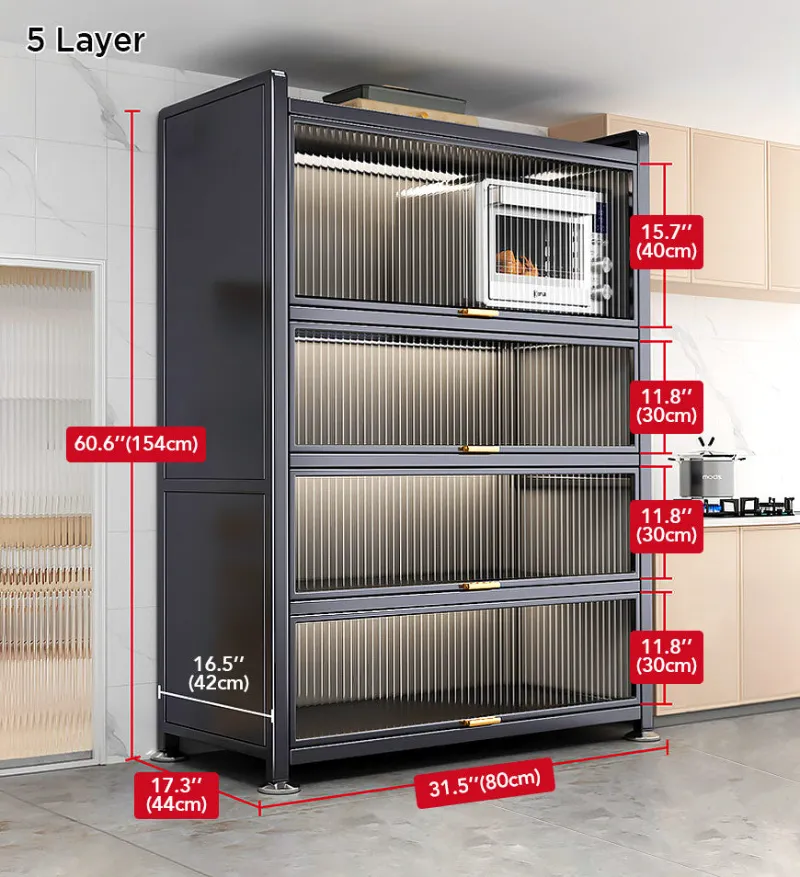
Stacking limits: We do not recommend stacking more than three bins high unless the bottom bin is reinforced or the total weight stays under 20 pounds. Tall stacks tip when you pull the top bin forward. If you need four-level storage, anchor the stack against the pantry back wall or use a kitchen storage cabinet with built-in dividers.
Layout Tips: Zone Your Pantry by Meal and Frequency
Group items by how often you use them and which meal they support. This reduces the number of times you need to unstack bins.
- Eye-level zone: Daily breakfast items (oatmeal, coffee, granola bars) in open-front bins you can grab without moving anything.
- Lower shelves: Bulk staples and large stackable storage bins with lids for flour, sugar, pasta, and rice. Heavier items belong low to prevent tipping.
- Upper shelves: Lightweight, less-used items like specialty baking supplies, holiday sprinkles, or backup snack packs in smaller stackable bins.
- Door or side racks: Pair stackable bins with a rotating bookcase or lazy Susan for oils, vinegars, and condiments that do not stack well.
Label each bin with a dry-erase marker or adhesive label. We print ours on a label maker and stick them to the bin front, not the lid, so they stay visible when stacked.
Maintenance and Restocking Workflow
Stackable bins only stay organized if you maintain the system. Here is our monthly workflow:
- Empty and wipe each bin with a damp cloth. Crumbs and spills attract pests.
- Check expiration dates on canned goods, baking powder, and boxed mixes. Toss expired items before refilling.
- Consolidate partially used bags into a single bin to free up space. Use clips or grab the code to save on airtight lids if you are restocking.
- Rotate stock by moving older items to the front. This is easier with open-front stackable storage bins because you do not need to unstack.
If you store pet food, cleaning supplies, or non-food items in the same closet, dedicate separate bins and keep them on a different shelf. Cross-contamination from detergent or pet treats is a common complaint we see.
Pair Bins With Complementary Organizers
Stackable storage bins work best as part of a layered system. We combine them with:
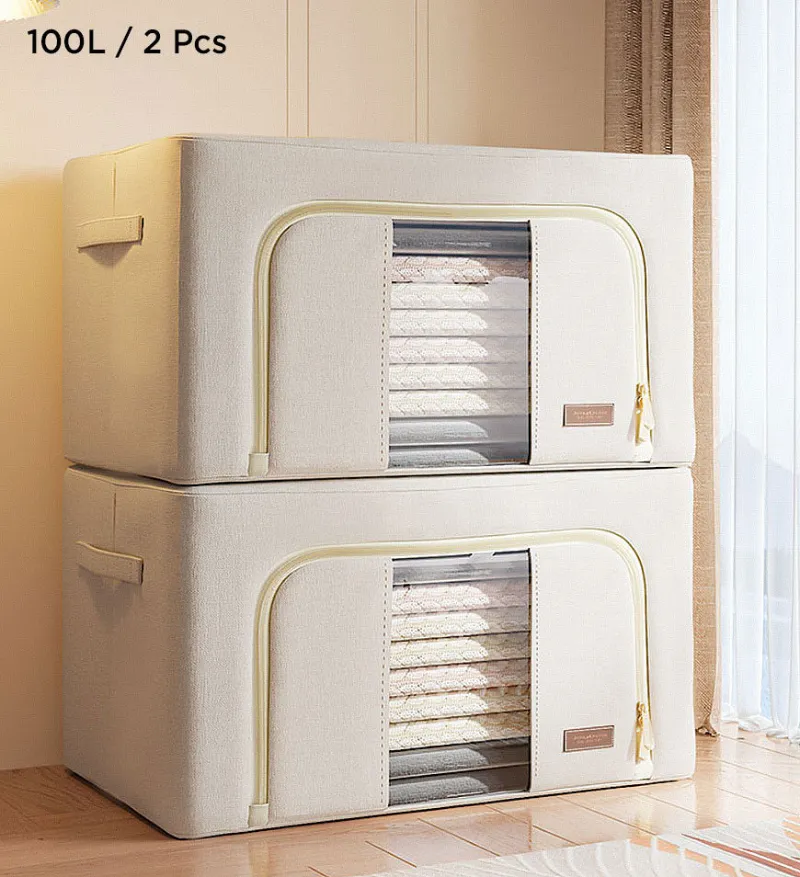
- Clothing storage bins for linen napkins, reusable grocery bags, and aprons in a pantry that doubles as a utility closet.
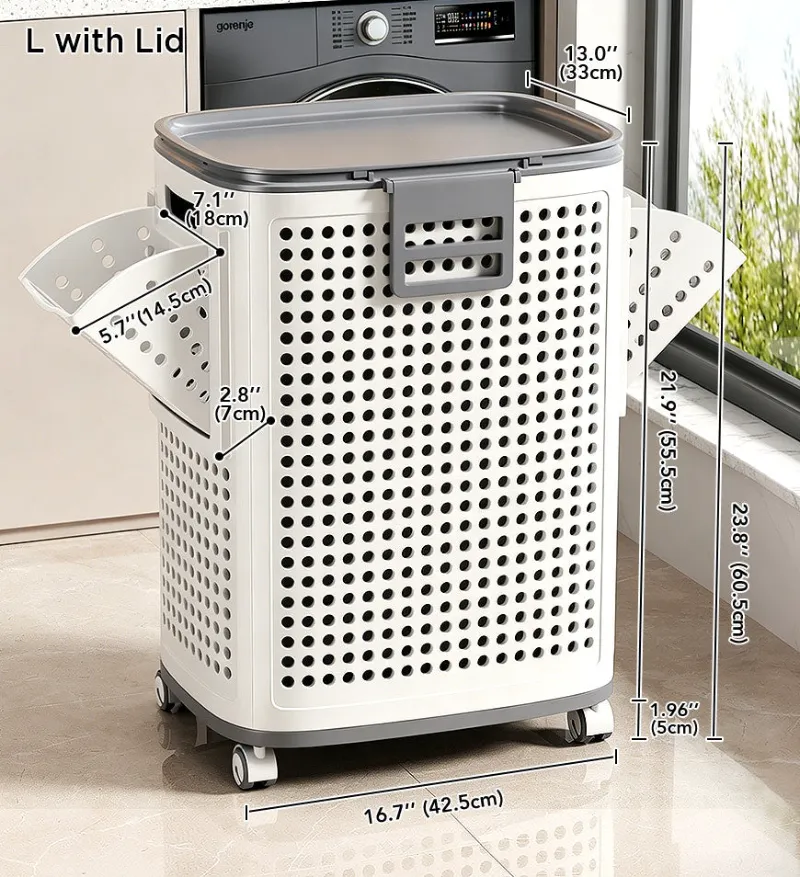
- Laundry basket with wheels to collect recyclables or returnable bottles at the pantry base, freeing up shelf space.
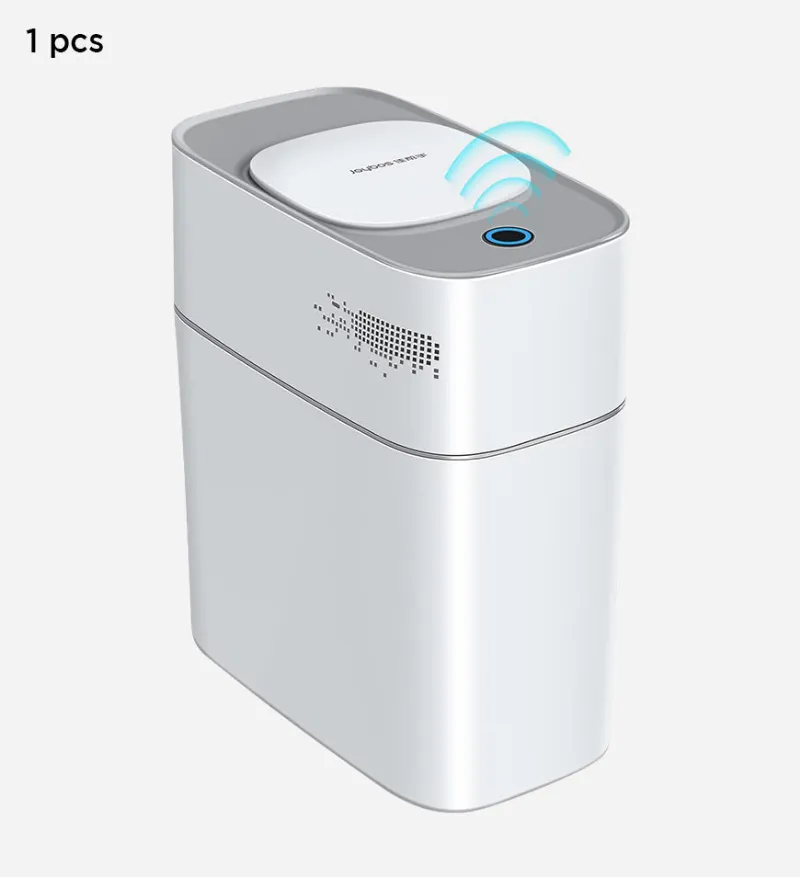
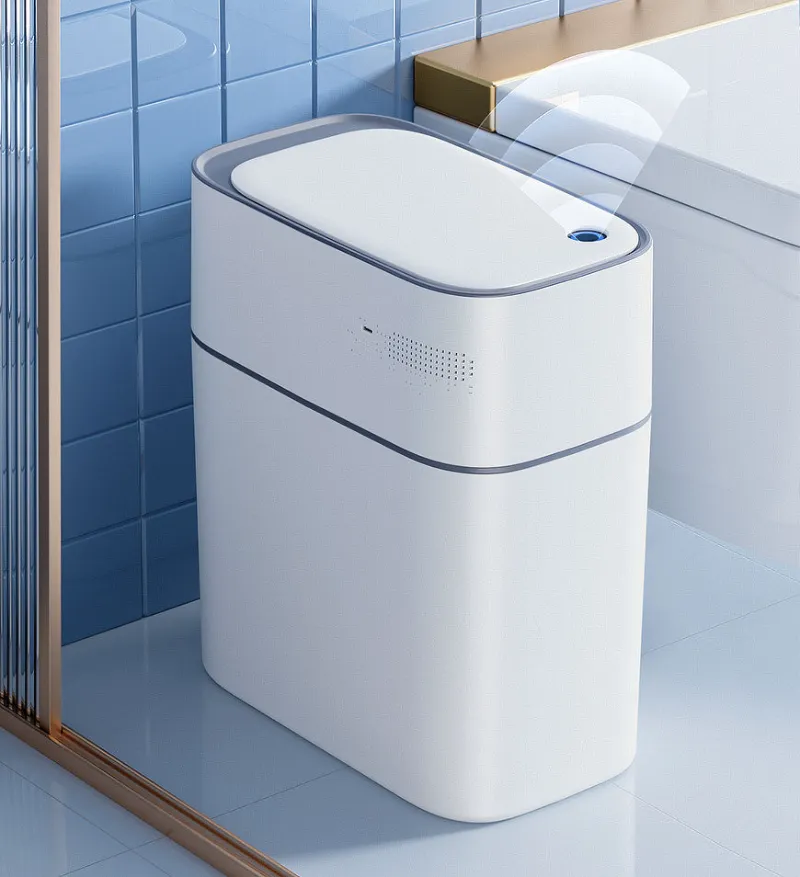
- A smart bin near the pantry entrance for quick disposal of packaging waste as you unpack groceries.
IKEA’s stackable storage boxes offer budget-friendly starter sets if you want to test a layout before committing to a full system. Once you know which sizes work, upgrade to bins with better lids or reinforced corners.
Final Thoughts
A small pantry becomes functional when you treat vertical space as your primary asset. Stackable storage bins give you modular control, letting you adapt the layout as your grocery habits change. Measure carefully, choose the right style for your access pattern, and maintain the system monthly. The result is a pantry that feels twice as large and takes half the time to navigate.
Questions
What size stackable storage bins fit a standard pantry shelf?
Most pantry shelves are 12 to 16 inches deep and 12 to 18 inches tall. Bins between 10 and 14 inches deep and 5 to 8 inches tall stack well without wasted vertical space. Measure your shelf interior height and subtract 2 inches for clearance before buying.
Can I stack bins with lids more than two high?
We do not recommend stacking lidded bins more than three high unless the bottom bin is reinforced and the total weight stays under 20 pounds. Tall stacks become unstable when you remove the top bin, especially on wire shelves.
Are open-front bins better than lidded bins for a small pantry?
Open-front bins suit daily-use items like snacks and spices because you can grab them without unstacking. Lidded bins protect bulk staples from moisture and pests but add height and require more clearance. Use both styles in different zones.
How do I keep stackable bins from sliding on wire shelves?
Place a non-slip shelf liner under the bottom bin, or choose bins with textured bases. Some wire shelves have clips or risers you can install to create a back stop that prevents sliding.
Do I need dividers inside stackable storage bins?
Dividers help if you store multiple small items in one bin, like tea boxes, seasoning packets, or snack bars. Stackable storage bins with dividers let you customize compartments, but most pantries work fine with separate smaller bins instead.
How often should I clean stackable pantry bins?
Wipe bins monthly to remove crumbs and spills that attract pests. Empty and deep-clean them every three to six months, or immediately if you notice sticky residue or expired items.
Products in this guide
 Shopping at Joybos? See the discount code
12% OFF All Orders
Shopping at Joybos? See the discount code
12% OFF All Orders
More in this series
What to Store in Airtight Rice Containers Besides Rice16 Aug 20265 minJoybos Laundry Basket With Wheels Review: Does It Roll Smoothly on Carpet and Tile?16 Aug 20263 min How Long Do Wall Mounted Bathroom Shelves Hold Up in High Humidity?16 Aug 20265 minWill a Rotating Bookshelf Fit in a Corner? Dimensions and Space Requirements Explained16 Aug 20265 min
 Do Motion Sensor Trash Cans Really Work? Joybos Smart Bin vs Traditional Touch-Free Models16 Aug 20265 min