 A Glazdjewels guide
Will a Magnetic Heart Necklace Stay Secure During Daily Wear?
A magnetic heart necklace can stay secure during daily wear when the magnets are strong enough and properly maintained, though understanding clasp strength is key.
A magnetic heart necklace stays secure during daily wear when it uses neodymium or rare-earth magnets rated for jewelry, though lighter chains hold better than heavy pendants.
How Strong Are Magnetic Clasps on Heart Necklaces
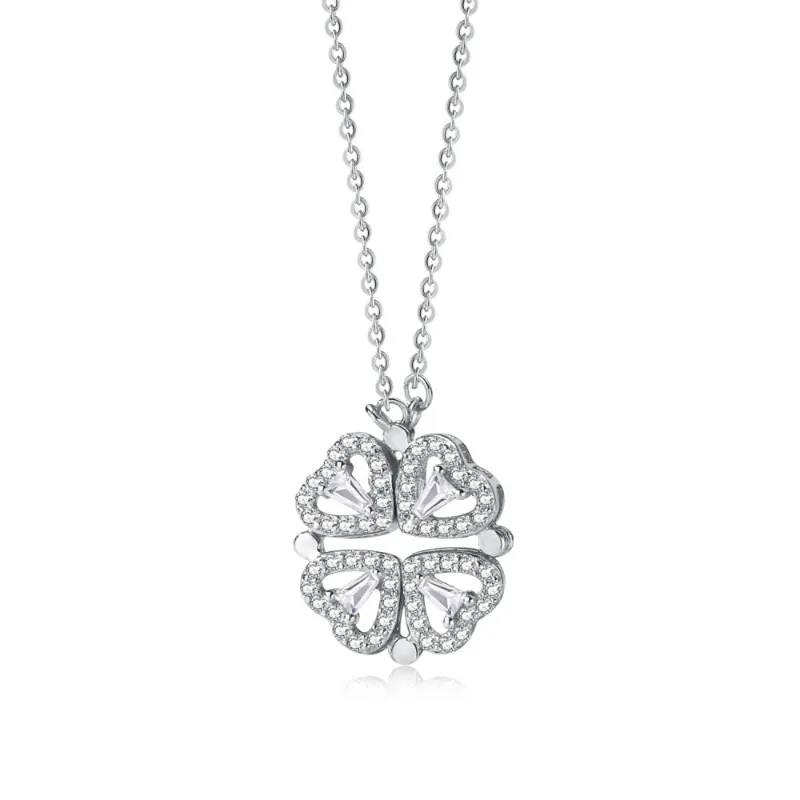
Magnetic clasps rely on pull force measured in pounds or grams. Quality jewelry magnets generate 1,200 to 3,000 grams of holding force, enough to secure lightweight to medium-weight chains throughout the day. The magnetic heart necklace from Glazdjewels uses rare-earth magnets designed specifically for secure daily wear.
Neodymium magnets offer the strongest hold in the smallest size, making them ideal for delicate designs like a magnetic heart necklace for couples where aesthetics matter as much as function. Weaker ceramic or ferrite magnets may work for ultra-light chains but risk opening during movement.
Factors that affect clasp strength:
- Chain weight (heavier pendants require stronger magnets)
- Magnet surface area (larger contact = better grip)
- Coating quality (plating protects magnet integrity)
- Age and wear (magnets can weaken over years of use)
You can test your clasp by holding the necklace vertically and gently tugging. A secure clasp should resist moderate pulling without separating. Check current pricing and grab our code to save on magnetic styles.
Daily Activities That Test Magnetic Necklace Security
Most separation happens during overhead movements like pulling off sweaters, reaching into high cabinets, or exercising. The chain slides against fabric, and the clasp experiences sideways tension rather than straight pulling force.
Low-risk activities:
- Office work and typing
- Walking and light cardio
- Dining and social events
- Wearing under fitted clothing
Higher-risk scenarios:
- Contact sports or gym workouts
- Changing clothes with tight necklines
- Playground time with young children
- Sleeping (clasps can open against pillows)
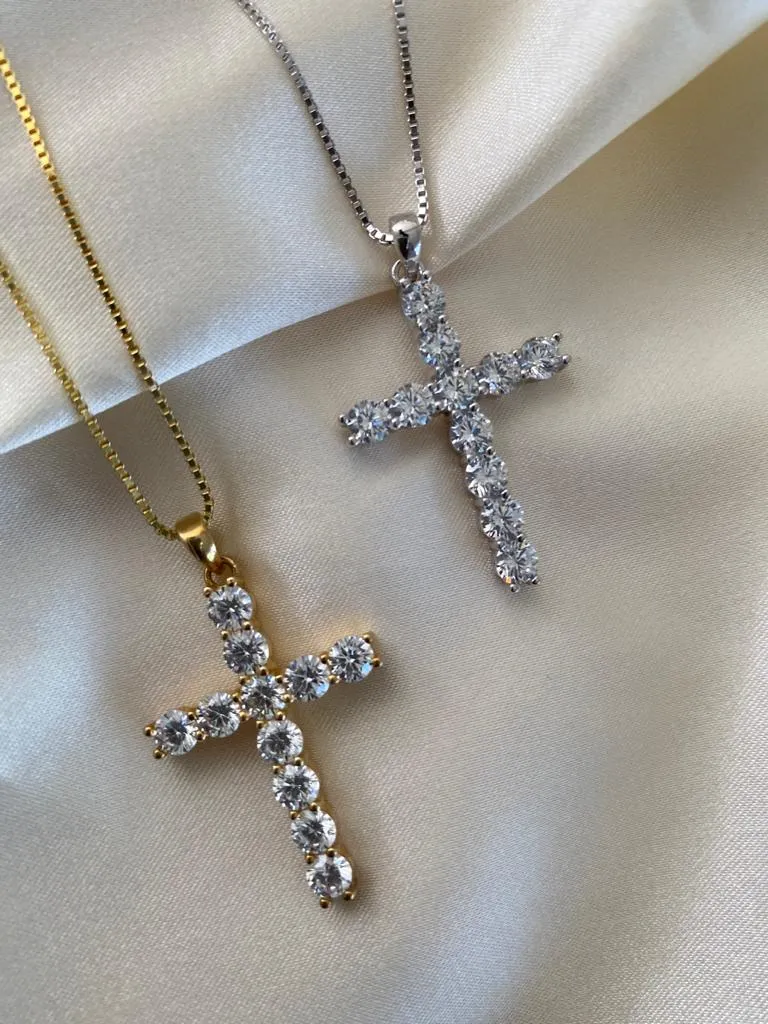
For active days, pair your magnetic piece with secure backups like a necklace cross that uses a traditional lobster clasp, or choose 18k gold plated jewelry with reinforced closures. Magnetic designs work beautifully for events and office wear but may need extra caution during high-movement activities.
Best Materials for Secure Magnetic Heart Necklaces
Material choice impacts both clasp performance and long-term durability. Stainless steel and titanium bases resist corrosion that can weaken magnetic attraction over time, while plated options require careful maintenance.
| Material | Durability | Magnet Compatibility | Best For |
|---|---|---|---|
| Stainless Steel | Excellent | High (non-reactive) | Daily wear, sensitive skin |
| Sterling Silver | Good | Moderate (tarnishes) | Occasional wear, dressier looks |
| Gold Plated | Fair | Moderate (plating wears) | Fashion pieces, careful use |
| Titanium | Excellent | High (lightweight) | Active lifestyles, allergies |
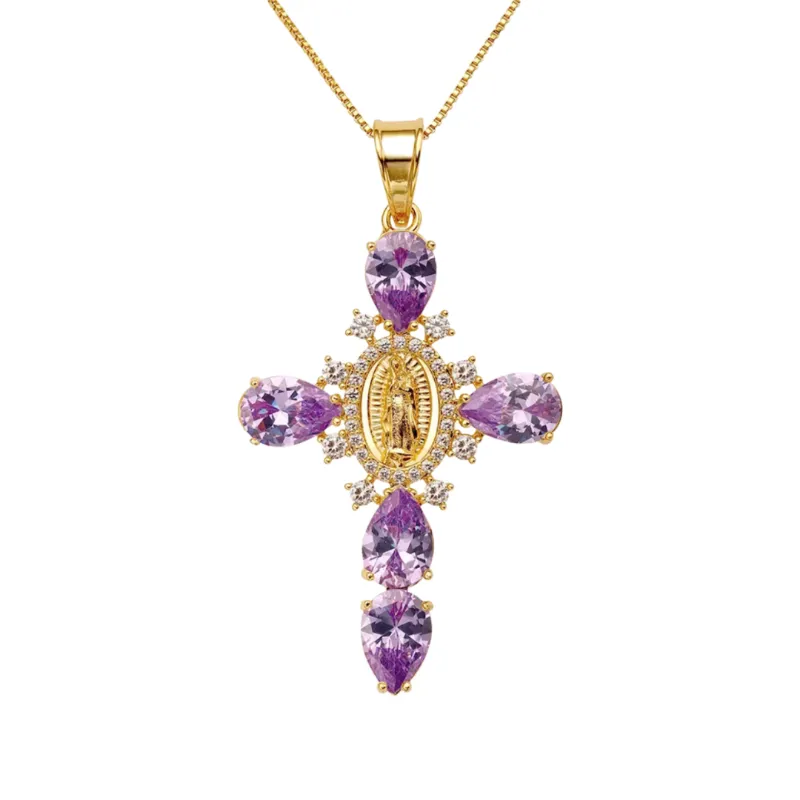
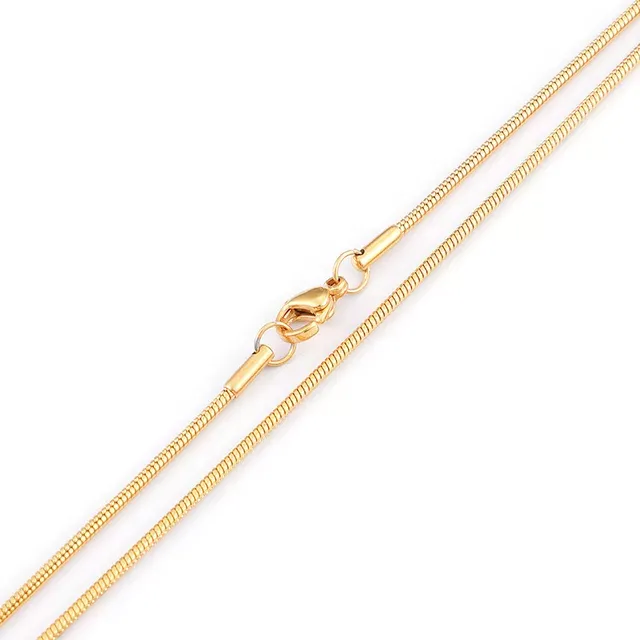
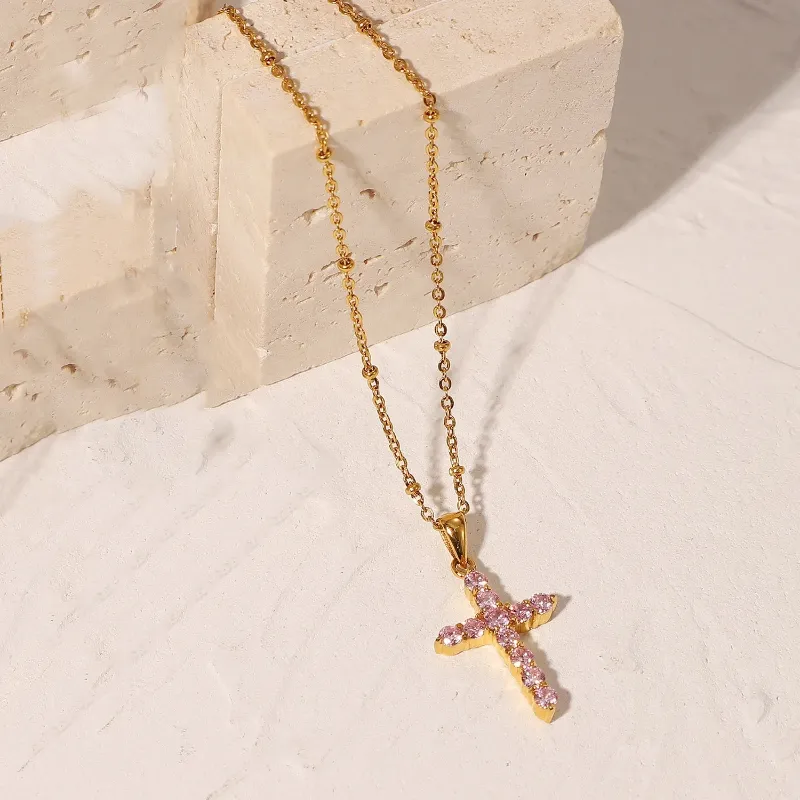
A magnetic heart necklace gold finish combines elegance with function when built on a stainless steel core. The purple gold and pink cross necklace collections show how quality plating over durable bases delivers both style and reliability.
The clasp housing also matters. Look for bezels or caps that fully encase the magnet, protecting it from chips and moisture. Exposed magnets attract metal dust and debris that creates gaps, reducing holding power over time.
Maintaining Your Magnetic Clasp for Long-Term Security
Even the strongest magnetic heart necklace requires simple upkeep to maintain its grip. Magnets lose effectiveness when coated in oils, lotions, or microscopic particles that prevent full contact between the two halves.
Weekly maintenance routine:
- Wipe both magnet faces with a soft, dry cloth
- Check for metal filings or dust (common if worn near keys or zippers)
- Inspect the chain attachment points for loosening
- Test the clasp strength with a gentle pull test
What weakens magnetic clasps:
- Hairspray and perfume residue on the closure
- Dropping the necklace (can chip magnet edges)
- Exposure to extreme heat (above 150°F weakens neodymium)
- Water trapped in the clasp housing (causes corrosion)
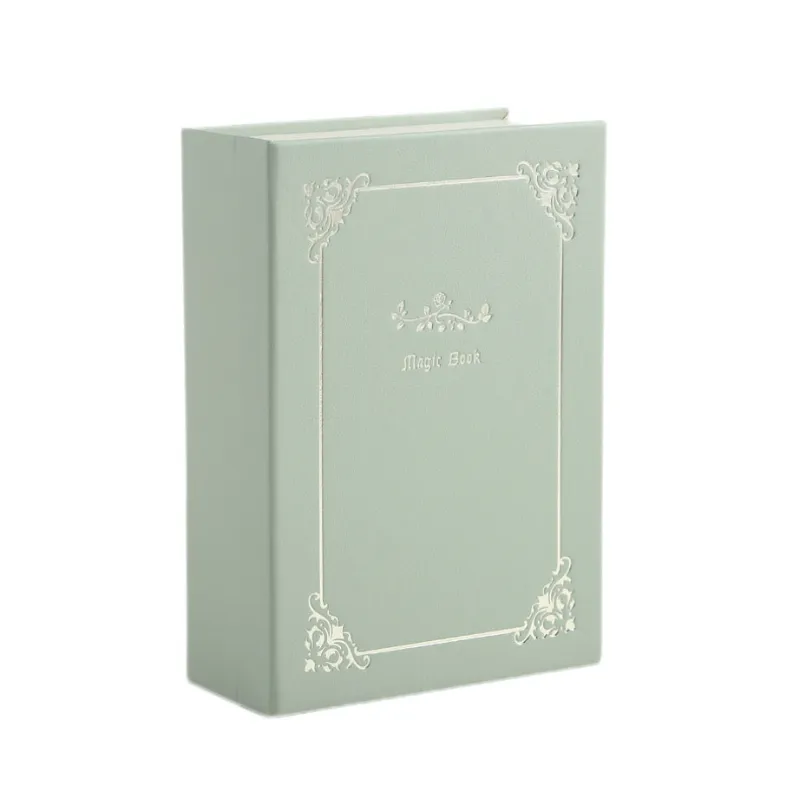
Store your piece in a book jewelry box away from other magnetic items to prevent accidental demagnetization. While rare, storing multiple magnetic pieces touching can gradually reduce their individual strength.
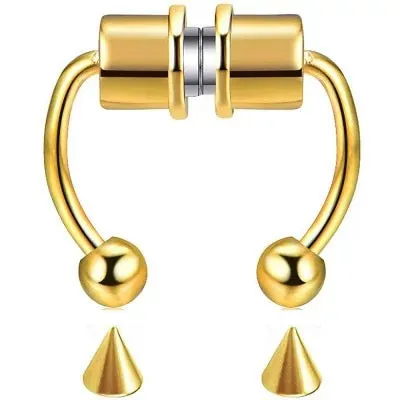
For specialty pieces like a magnetic septum ring, the same care rules apply. Clean contact points regularly and avoid situations where the clasp takes repeated impacts.
When to Choose Magnetic vs Traditional Clasps
Magnetic closures shine in specific scenarios but aren’t always the optimal choice. We recommend them for people with arthritis, limited hand dexterity, or anyone who struggles with tiny lobster clasps and spring rings. The ease of one-handed fastening makes magnetic designs genuinely practical.
Magnetic clasps work best for:
- Lightweight chains under 10 grams
- Necklaces 16 to 20 inches (less movement)
- Everyday office and casual wear
- Layering pieces that need quick changes
- Gift jewelry for older adults
Traditional clasps are better for:
- Heavy pendants and statement pieces
- Athletic and outdoor activities
- Heirloom-quality jewelry
- Pieces worn 24/7 including sleep
- High-value items you can’t risk losing
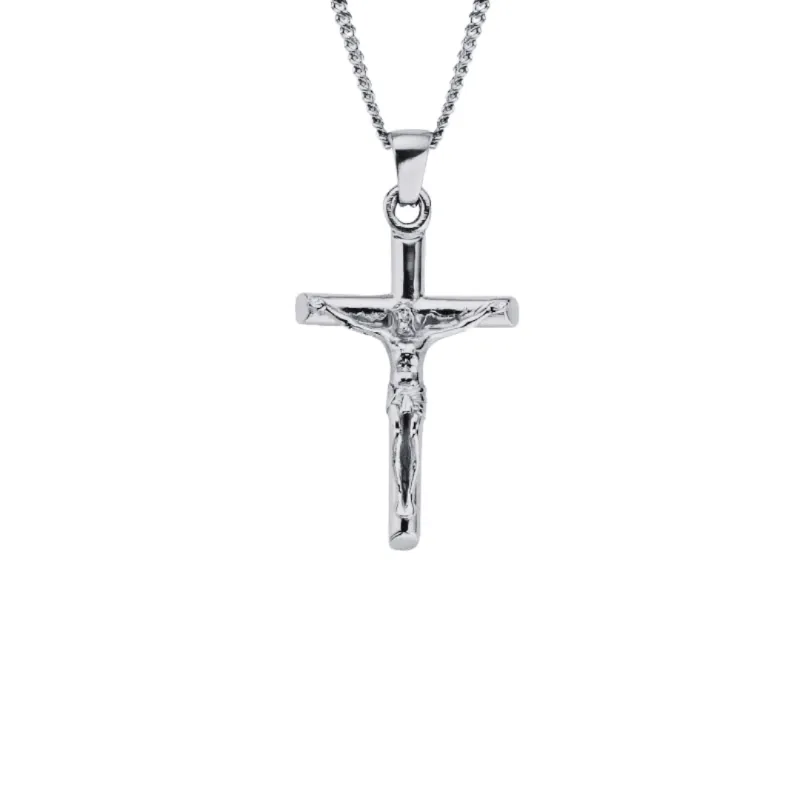
Many jewelry lovers own both types. A secure pendant crucifix with a traditional clasp for meaningful daily wear, plus a magnetic option for easy rotation. The vintage gold hoop earrings and stainless steel butterfly earrings in your collection likely use traditional backs for the same security reason.
Couples pieces like the magnetic heart necklace for couples that connect together make beautiful gifts, though we suggest removing them before sports or sleep. DIY enthusiasts can even create custom designs following guides like this connecting magnetic hearts necklace tutorial for personalized strength.
Sizing and Fit Tips for Maximum Security
Chain length directly affects how often your magnetic clasp experiences stress. Shorter necklaces (14 to 16 inches) sit higher and move less, reducing separation risk. Longer chains (20+ inches) swing more and catch on clothing, testing the clasp repeatedly.
Choker-length magnetic pieces typically stay most secure because they rest against your neck with minimal play. Princess length (18 inches) offers a middle ground, suitable for most necklines without excessive movement. Matinee and opera lengths work better with traditional clasps due to their weight and swing.
Optimal chain lengths for magnetic clasps:
- 14-16 inches: Maximum security, best for active wear
- 18 inches: Balanced security and versatility
- 20+ inches: Higher risk, reserve for stationary activities
When trying on any magnetic piece, move through your full range of motion. Reach overhead, turn your head side to side, and simulate pulling on a jacket. The clasp should remain closed through all movements. If it pops open during fitting, it will separate during real wear.
The rose cross necklace and similar pendant styles work well at princess length with magnetic closures, while a crucifix pendant necklace with heavier gauge metalwork benefits from a reinforced traditional clasp.
Before purchasing any magnetic style, visit our discount code page to save 10% on your order and read current customer reviews about clasp performance. Real wear experiences from other buyers offer valuable insight into which designs hold up best during daily activities.
Making the Right Choice for Your Lifestyle
Your daily routine should guide your clasp decision. Office professionals who dress in button-ups and blazers face fewer snag risks than parents wrangling toddlers or athletes hitting the gym. Magnetic closures offer genuine convenience for many wearers, but knowing their limits prevents frustration and lost jewelry.
The ease of fastening is immediately noticeable, and you’ll quickly learn which activities require extra awareness. Many customers keep both magnetic and traditional options, choosing based on the day’s plans.
Quality construction makes all the difference. Strong rare-earth magnets, durable base materials, and protective clasp housings separate jewelry that lasts years from pieces that fail within months. Investing in well-made magnetic designs delivers the convenience you want with the security you need.
Questions
How do I know if my magnetic heart necklace clasp is strong enough?
Hold the necklace vertically and gently tug the chain. A quality magnetic clasp should resist moderate pulling without separating. If it opens easily with light tension, the magnets are too weak for secure daily wear.
Can I shower or swim with a magnetic clasp necklace?
We recommend removing magnetic jewelry before water exposure. Moisture can corrode the magnets and weaken their holding power over time, especially in chlorinated or salt water. Dry the clasp thoroughly if it does get wet.
Will my magnetic necklace interfere with medical devices?
Strong neodymium magnets can potentially interfere with pacemakers, insulin pumps, and other medical devices. Keep magnetic jewelry at least 6 inches away from such equipment and consult your doctor if you have concerns.
Do magnetic clasps work for couples necklaces that connect?
Yes, magnetic heart necklaces for couples use specially designed magnets that attract each other to form a complete heart or symbol. These typically need stronger magnets than single-piece clasps to maintain the connection during wear.
How long do magnetic necklace clasps stay strong?
Quality neodymium magnets maintain their strength for decades with proper care. However, damage from drops, exposure to extreme heat above 150°F, or corrosion from moisture can weaken them over time.
Should I remove my magnetic necklace before exercising?
Yes, we recommend removing magnetic clasps before high-impact activities, contact sports, or exercises with overhead movements. The sideways tension and fabric friction during workouts can cause the clasp to separate unexpectedly.
Products in this guide
 Shopping at Glazdjewels? See the discount code
10% OFF All Orders
Shopping at Glazdjewels? See the discount code
10% OFF All Orders
More in this series
Best Ways to Store Delicate Necklaces and Prevent Tangling19 Aug 20264 minHow Long Does Gold Plating Last on Jewelry?19 Aug 20265 minDo Cross Necklaces Tarnish? What to Expect from Different Metal Types19 Aug 20264 minMagnetic Septum Ring vs Traditional Piercing: Which Is Right for You?19 Aug 20265 minHow to Clean and Maintain 18K Gold Plated Jewelry Without Damaging the Finish19 Aug 20265 min