 A Glazdjewels guide
How Long Does Gold Plating Last on Jewelry?
18k gold plated jewelry typically lasts one to three years with proper care, though daily wear and exposure can shorten or extend that window.
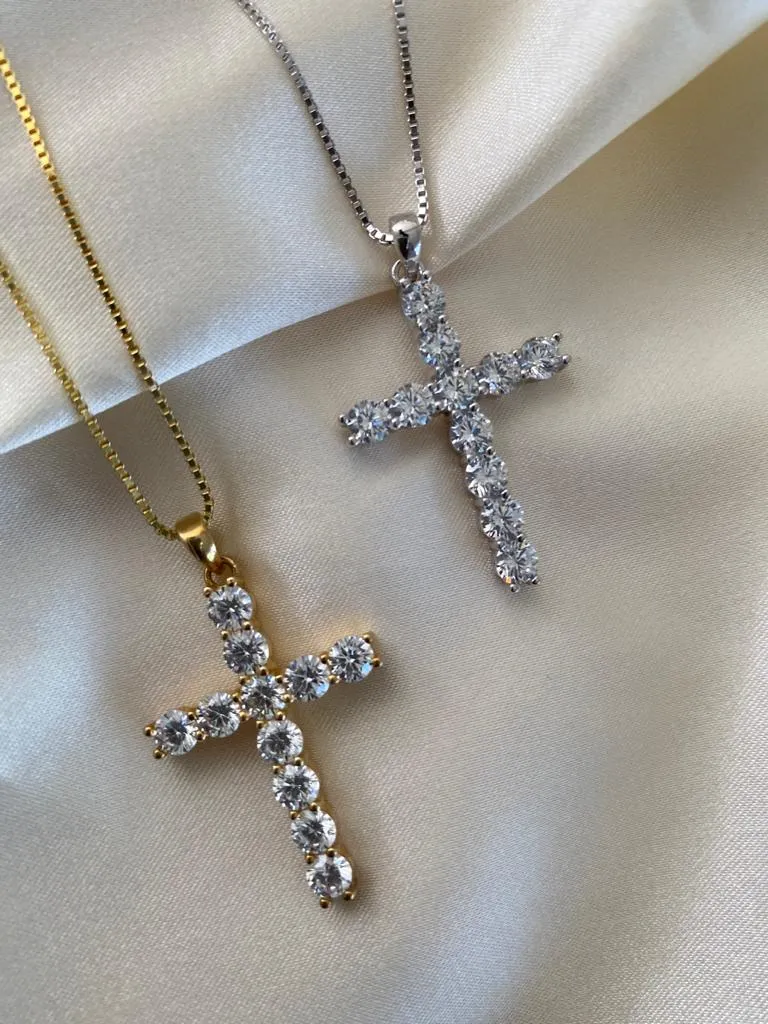
18k gold plated jewelry typically lasts one to three years when you wear it regularly and care for it properly. The lifespan depends on plating thickness, base metal quality, how often you wear the piece, and whether you expose it to water, chemicals, or friction. A necklace cross worn daily will fade faster than vintage gold hoop earrings you save for special occasions, but consistent care habits can stretch that timeline significantly.
Here’s what you need to know.
What Affects How Long 18K Gold Plated Jewelry Lasts
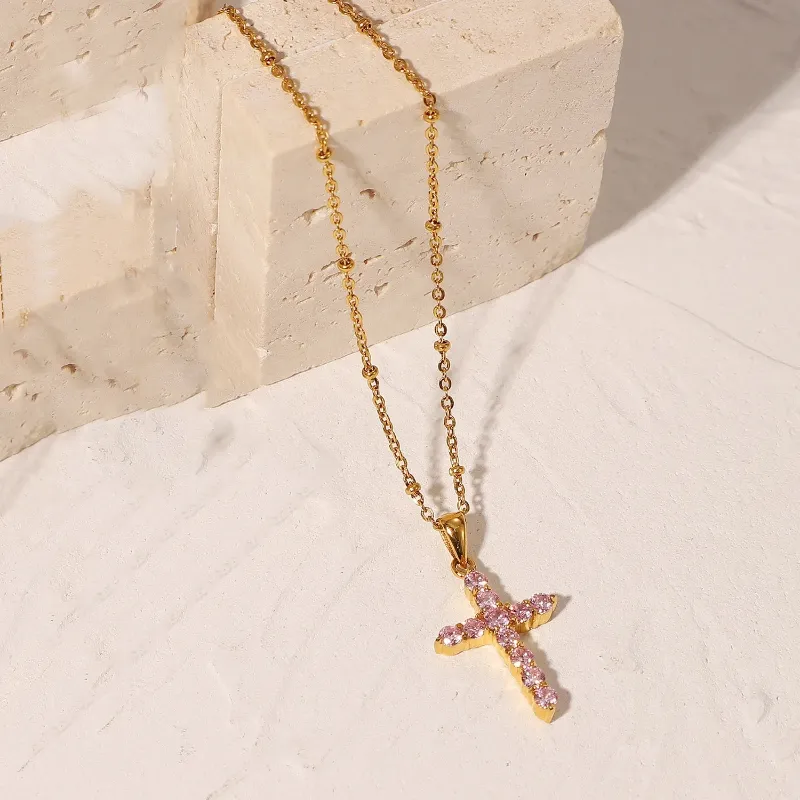
Plating thickness is the single biggest factor. Most fashion jewelry uses 0.5 to 2.5 microns of gold, while higher-end pieces may reach 3 to 5 microns. Thicker plating resists daily wear longer, so a pink cross necklace with 2+ microns will outlast thinner alternatives.
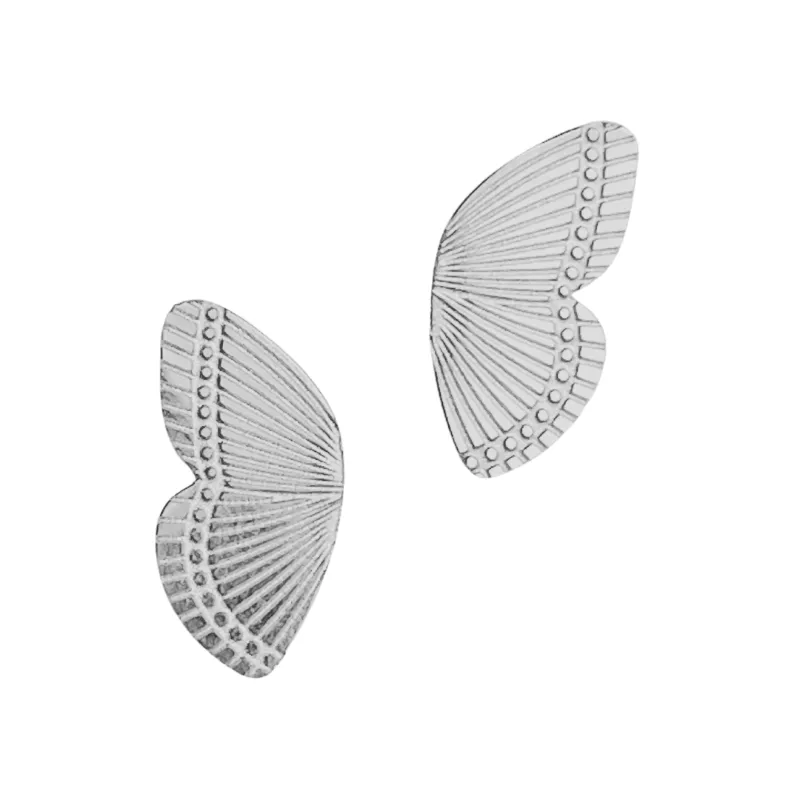
The base metal underneath matters too. Stainless steel and brass hold plating better than cheaper alloys. Our stainless steel butterfly earrings pair a durable base with gold plating for extended wear, which explains why they resist tarnish better than plated zinc pieces.
Your daily habits accelerate or slow fading:
- Water exposure strips plating fastest (showers, swimming, dishwashing)
- Lotions and perfumes contain alcohol and chemicals that corrode the gold layer
- Friction from clothing, other jewelry, or surfaces wears down high-contact areas
- Sweat and body oils create a slightly acidic environment that dulls the finish
- Storage conditions matter, humidity and air exposure speed tarnish
We recommend checking the latest price on pieces you’re considering to compare plating specs when available.
Is 18K Gold Plated Real or Fake?
18k gold plated jewelry uses real gold, just in a very thin layer bonded to a base metal core. The “18k” refers to the purity of that gold layer (75% pure gold), not the entire piece. This answers the common question of whether 18k gold plated is real or fake: the gold itself is genuine, but the piece is not solid gold.
That thin layer gives you the warm color and shine of 18k gold plated jewelry at a fraction of the cost of solid gold. A solid 18k crucifix pendant necklace might cost hundreds or thousands, while a plated version delivers the same look for far less. The tradeoff is durability, plating will eventually wear through to expose the base metal underneath.
Many shoppers also ask about the 18k gold plated chain meaning: it simply indicates the necklace chain has been electroplated with 18-karat gold, typically over brass or stainless steel.
How to Make Gold Plated Jewelry Last Longer
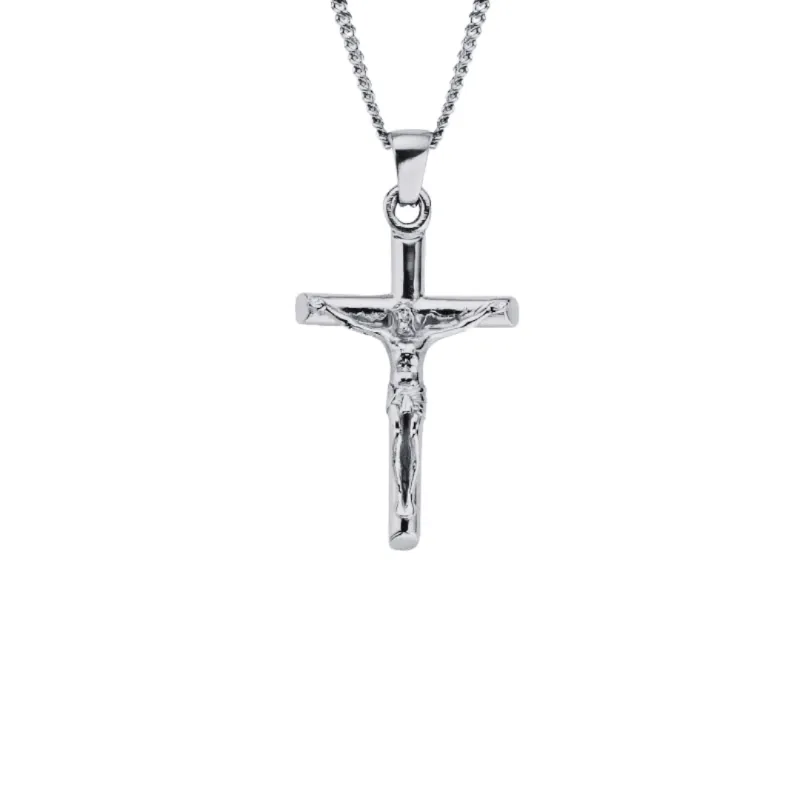
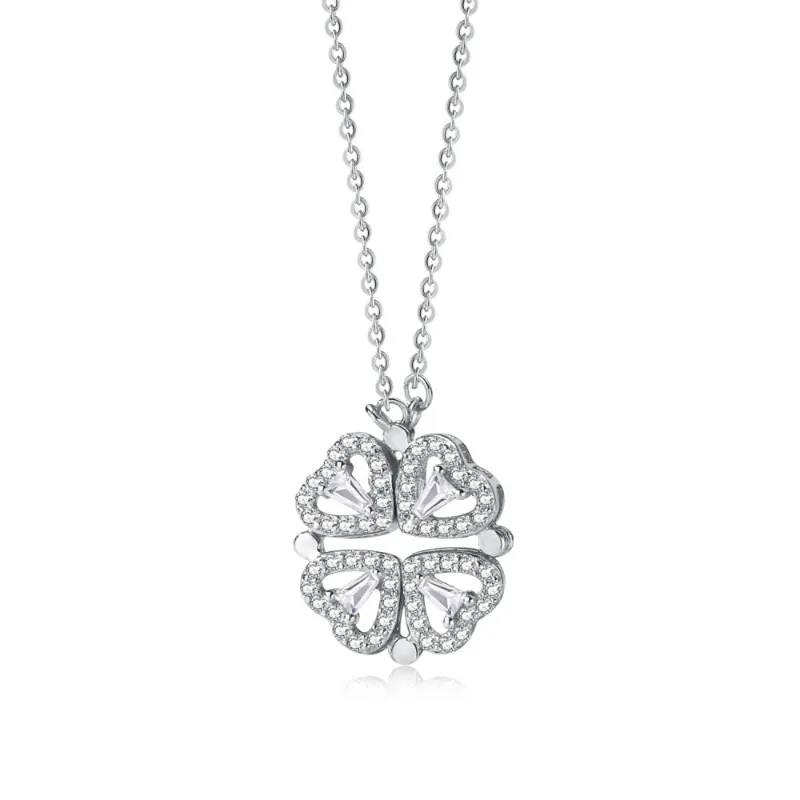
Remove jewelry before water contact. Take off your pendant crucifix or magnetic heart necklace before showering, swimming, or washing dishes. Even brief water exposure weakens the plating bond over time. Many buyers wonder if 18k gold plated jewelry is waterproof, it’s water-resistant for short splashes, but never truly waterproof.
Apply cosmetics first, jewelry last. Let lotions, perfumes, sunscreen, and hairspray dry completely before putting on your rose cross necklace or earrings. These products leave residue that dulls and corrodes plating.
Wipe pieces after every wear. Use a soft microfiber cloth to remove oils, sweat, and debris. This 10-second habit prevents buildup that causes tarnish and extends shine by months.
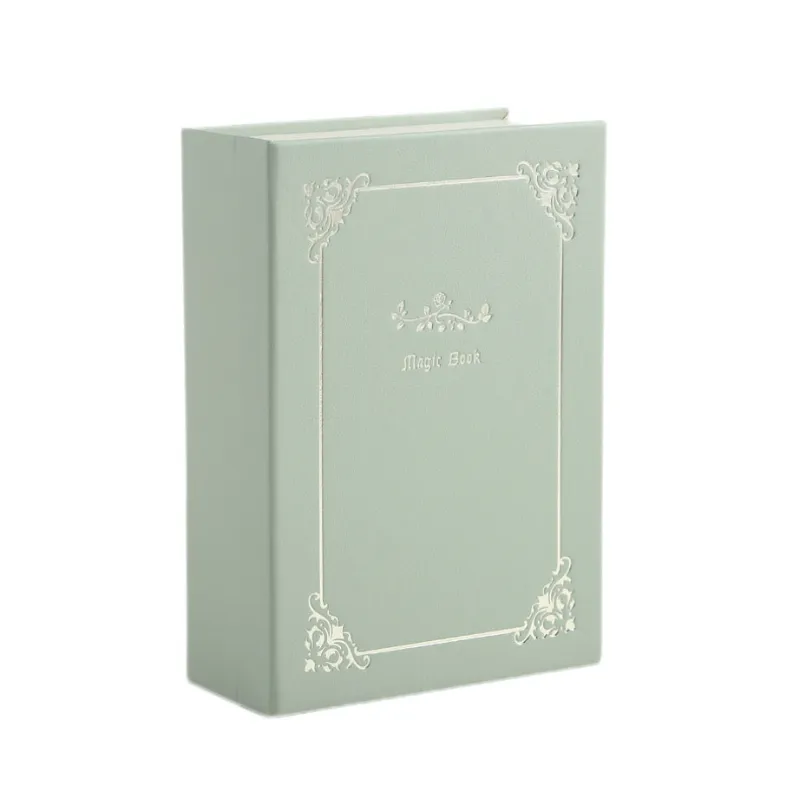
Store jewelry properly. Keep pieces in a book jewelry box or individual pouches in a cool, dry place. Separation prevents scratches, and low humidity slows oxidation. Avoid plastic bags, they can trap moisture.
Skip harsh cleaners. Never use jewelry dips, baking soda pastes, or ultrasonic cleaners on plated pieces. They strip the gold layer. Stick to gentle wiping with a damp cloth when needed.
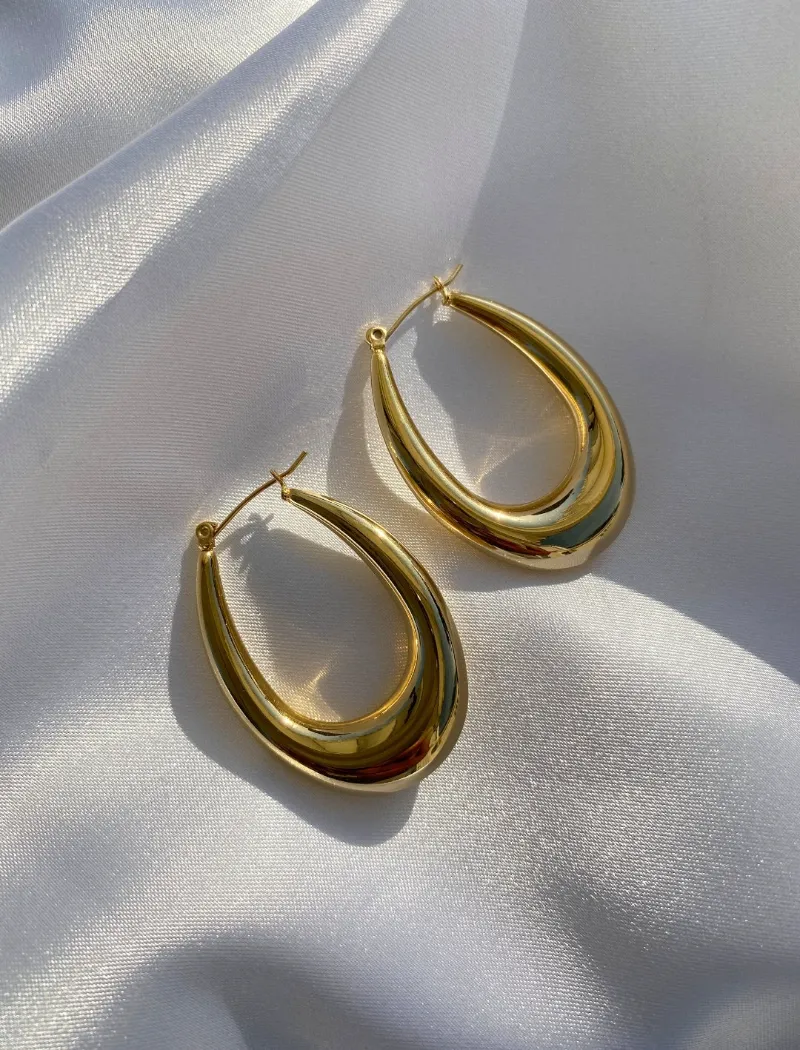
Rotate your collection. Wearing the same vintage gold hoop earrings daily concentrates wear on one piece. Rotating between multiple items spreads out the stress and makes each piece last longer.
Grab the code to stock up on a few favorites and rotate through them.
When to Expect Fading and What It Looks Like
Most people notice the first signs of wear between six months and a year with daily use. High-friction spots fade first, the back of a necklace that rubs your neck, earring posts, or ring bands that contact surfaces constantly.
Early fading appears as a slight color shift from warm gold to a cooler, brassy tone. You might see the base metal peeking through at clasps, jump rings, or pendant bails. A magnetic septum ring worn 24/7 will show wear faster than pieces you remove nightly.
Once fading starts, it accelerates. The exposed base metal oxidizes and can turn green or black depending on the alloy. At that point, replating (if available) or replacement becomes necessary.
Fashion and trend pieces from Women’s Gold Plated Jewelry & Sets often prioritize style over longevity, so expect shorter lifespans compared to investment pieces designed for durability.
Comparing Plating Options and Lifespan
Different plating types and thicknesses offer varying durability. Here’s how common options stack up:
| Plating Type | Typical Lifespan | Best For |
|---|---|---|
| Flash/thin plating (0.5 micron) | 3-6 months | Trend pieces, occasional wear |
| Standard plating (1-2 microns) | 1-2 years | Daily fashion jewelry |
| Heavy plating (3+ microns) | 2-4 years | Investment pieces, heirlooms |
Vermeil (gold over sterling silver, minimum 2.5 microns) lasts longer than standard plating but costs more. PVD (physical vapor deposition) plating creates an even more durable bond, sometimes lasting five years or more, though few fashion retailers use this process.
When shopping wholesale 18k gold plated for your store or personal collection, ask about micron thickness if specs aren’t listed. Pieces under 1 micron won’t survive regular wear.
Who Should Choose Gold Plated Jewelry
Gold plated pieces make sense when you want the look of real gold without the cost, or when you enjoy updating your style frequently. A purple gold piece lets you try a trendy color without a permanent investment, and replacing plated jewelry after a year or two fits many budgets.
They’re ideal for:
- Occasional wear like special events where lifespan matters less
- Testing styles before investing in solid gold versions
- Gifts when you want visual impact at a friendly price point
- Travel jewelry you won’t worry about losing or damaging
Skip plated jewelry if you need something for 24/7 wear in harsh conditions (gym, manual labor, constant water exposure), or if you have metal allergies to common base metals like nickel or brass. In those cases, solid gold or high-quality stainless steel serves you better.
With realistic expectations and consistent care, your collection can deliver years of wear and style.
Questions
How long does 18k gold plated jewelry last with daily wear?
With daily wear, 18k gold plated jewelry typically lasts one to two years before noticeable fading begins. Proper care like removing it before water exposure and cleaning it regularly can extend that to three years or more.
Can I shower with gold plated necklaces?
You should not shower with gold plated necklaces. Water, soap, and shampoo accelerate plating breakdown, causing your jewelry to fade and tarnish much faster than it would with dry wear only.
Will 18k gold plated jewelry turn my skin green?
It can, once the gold layer wears through to the base metal underneath. If the base is brass or copper and oxidizes, it may leave a green residue on your skin. Higher-quality pieces with thicker plating and better base metals reduce this risk.
Is 18k gold plated jewelry worth buying?
Yes, if you want the look of real gold at an affordable price and understand it will need replacement after a year or two. It's a smart choice for fashion pieces, occasional wear, or testing styles before investing in solid gold.
How do I clean gold plated earrings without damaging them?
Wipe gold plated earrings gently with a soft, dry microfiber cloth after each wear. For deeper cleaning, use a slightly damp cloth with plain water, then dry immediately. Avoid jewelry cleaners, polishes, and abrasive materials.
What is the difference between gold plated and gold filled jewelry?
Gold plated jewelry has a thin layer of gold (usually under 2.5 microns) bonded to base metal, while gold filled has a much thicker layer (at least 5% of total weight) mechanically bonded to the core. Gold filled lasts 10 to 30 years compared to one to three years for plated pieces.
Products in this guide
 Shopping at Glazdjewels? See the discount code
10% OFF All Orders
Shopping at Glazdjewels? See the discount code
10% OFF All Orders
More in this series
Will a Magnetic Heart Necklace Stay Secure During Daily Wear?19 Aug 20265 minBest Ways to Store Delicate Necklaces and Prevent Tangling19 Aug 20264 minDo Cross Necklaces Tarnish? What to Expect from Different Metal Types19 Aug 20264 min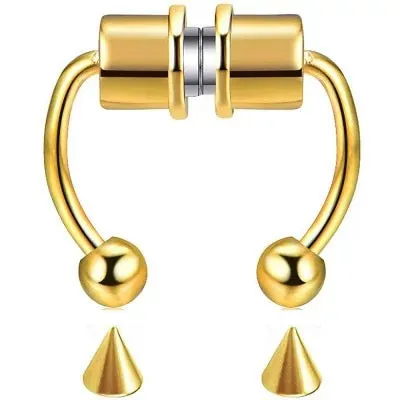 Magnetic Septum Ring vs Traditional Piercing: Which Is Right for You?19 Aug 20265 minHow to Clean and Maintain 18K Gold Plated Jewelry Without Damaging the Finish19 Aug 20265 min