 A ThaiHomeShop guide
Why Your Wicker Placemats Are Shedding and How to Stop It
Wicker placemats shed because loose fibers are part of natural materials, but proper care and the right construction choice can minimize damage to your table and wardrobe.
Wicker placemats shed because loose fibers are part of natural materials, but proper care and the right construction choice can minimize damage to your table and wardrobe. If you’ve noticed lint on your favorite dress or fraying edges on your placemats, you’re not alone. The good news is that shedding is manageable with the right approach.
Why Wicker Placemats Shed

Natural fiber products like wicker and rattan are made from plant materials that have a surface layer of loose strands. When these materials are harvested, dried, and woven, some fibers remain slightly loose. Every time you use your wicker placemats, friction from plates, glasses, and place settings agitates these loose fibers, pulling them away from the weave.
The tightness of the weave plays a huge role here. Loosely woven pieces shed more than tightly woven ones because the fibers have less structural support. Additionally, humidity and temperature changes cause natural materials to expand and contract, which can loosen fibers further over time.
Round wicker placemats and rectangular designs shed at similar rates; the issue is construction quality, not shape. A high-quality woven placemats set will shed far less than a budget option because the fibers are locked tighter into the weave.
How to Reduce Shedding
The simplest way to cut shedding is to seal the surface of your wicker placemats before using them. A light coat of clear polyurethane or fabric stiffener applied to both sides locks loose fibers in place without changing the look or feel of the material.
Here’s a quick process:
- Clean the placemats thoroughly and let them dry completely
- Apply a thin, even coat of clear polyurethane with a soft brush or spray
- Allow 24 hours to cure fully before placing them on the table
- Repeat annually or when shedding returns
You can also reduce friction by using placemats primarily for decoration or light table protection. Avoid dragging items across them, and use coasters under glasses to minimize direct contact.
Regular, gentle brushing with a soft-bristled brush or lint roller removes loose fibers before they end up on your clothes or floor. Brush in the direction of the weave to avoid pulling fibers out.
Choosing Wicker Placemats That Shed Less
Not all wicker placemats are created equal. Look for sets that are tightly woven with no visible gaps between strands. Square wicker placemats tend to be easier to inspect for weave quality than round ones because you can see the corners clearly.
Compare options before buying. Rattan and wicker differ slightly; rattan (a solid cane) sheds less than wicker (woven strips), but both materials can be well-made or poorly made. A wicker placemats set of 4 from a reputable maker will have consistent tension throughout, while cheaper options often have slack areas that shed more.
When shopping, check reviews specifically for shedding complaints. If multiple buyers mention lint problems, that set is likely loosely woven. Bulk purchases like wicker placemats bulk orders make sense only if you’ve the quality, since you’ll be committing to a material that may shed for years.
| Wicker Type | Shedding Risk | Durability | Best For |
|---|---|---|---|
| Tightly woven rattan | Low | High | Daily use |
| Loosely woven rattan | High | Medium | Decorative only |
| Woven wicker strips | Medium | Medium | Occasional use |
| Coated/sealed wicker | Low | High | Any setting |
Material and Care Differences
Round wicker placemats, square designs, and rectangular wicker placemats all benefit from the same care routine. The shape doesn’t affect shedding as much as how tightly the fibers are bound.
Water and moisture are your biggest enemies with natural materials. Wicker placemats absorb spills, which causes swelling and loosens the weave even more. Always wipe spills immediately with a dry cloth. If you’ve soaked your placemats, let them air dry slowly away from direct heat or sunlight, as rapid drying can cause warping and increased shedding.
Store placemats flat or loosely rolled in a dry place. Bunching them tightly or storing them in damp environments speeds up deterioration and fiber loss.
When to Replace vs. Repair
Minor shedding is normal and stops after the first few months of use as the loose surface layer releases naturally. If your wicker placemats are shedding heavily after six months or longer, the weave quality is likely poor and replacement is the better choice.
You can repair small damaged areas by carefully reweaving loose ends or applying a fabric-safe adhesive to secure fibers, but this is temporary. Investing in higher-quality woven placemats from the start saves money in the long run.
Check out wicker placemat options on other platforms to compare construction standards across brands. ThaiHomeShop offers durable sets with tighter weaves; grab the 15% off code to test quality options at a lower price point.
Complementary Pieces for a Complete Table Setting
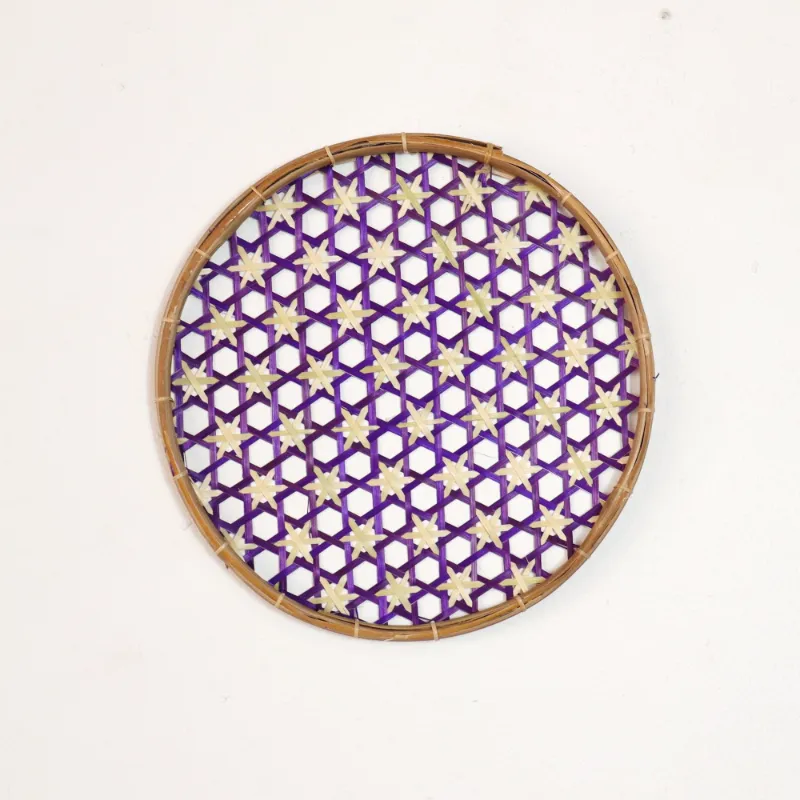
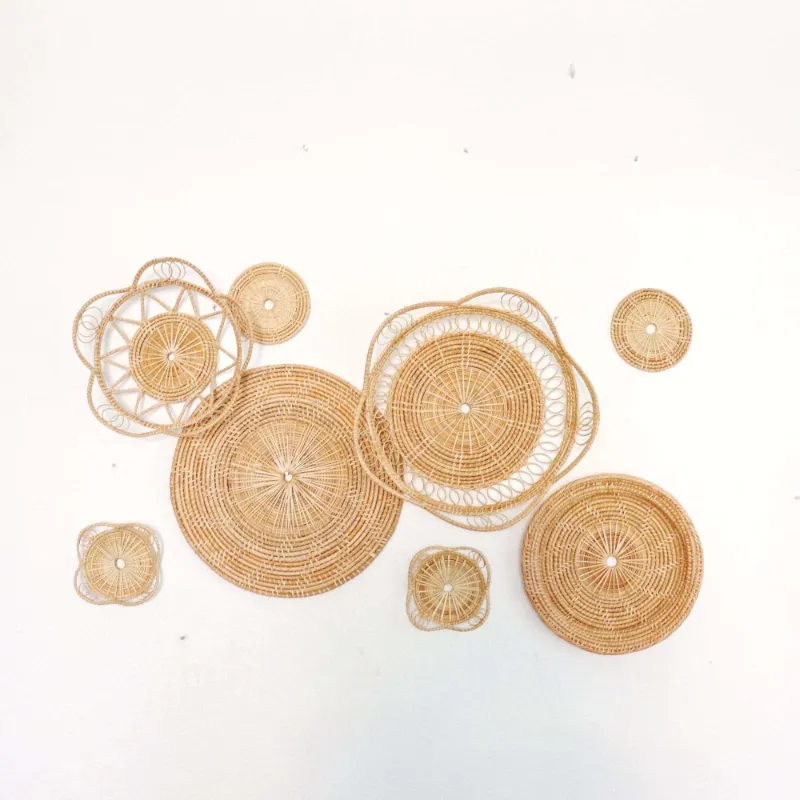
If you’re investing in quality wicker placemats, consider pairing them with other natural fiber pieces for visual harmony. A wall basket or seagrass basket nearby echoes the texture, while a bamboo lamp shade or rattan wall decor ties the aesthetic together across the room.
The same care principles apply to all these pieces. Keep them dry, brush gently, and seal them periodically if shedding becomes an issue. A cohesive, low-shedding collection makes your space feel intentional and well-maintained.
For bulk orders or sets of 4, check the latest price and availability to ensure you’re getting quality materials that will last.
Questions
Why are my wicker placemats shedding so much?
Natural fiber products like wicker have loose surface fibers that release when agitated by plates, glasses, and handling. Loosely woven placemats shed more than tightly constructed ones. Humidity and temperature changes can also loosen fibers over time.
Can I seal wicker placemats to stop shedding?
Yes. Apply a thin coat of clear polyurethane or fabric stiffener to both sides, then let it cure for 24 hours. This locks loose fibers in place without changing the look or feel of the material.
Are round wicker placemats better than rectangular ones to avoid shedding?
Shape doesn't affect shedding; weave quality does. Both round and rectangular wicker placemats will shed if loosely woven, and both will shed less if tightly woven. Check construction consistency before buying, regardless of shape.
How do I choose wicker placemats that shed less?
Look for tightly woven sets with no visible gaps between strands. Check reviews for shedding complaints, and compare different brands. Rattan typically sheds less than wicker, but both materials depend on how well they're made.
Is it normal for new wicker placemats to shed?
Yes, minor shedding is normal during the first few months as loose surface fibers release naturally. This usually stops after regular use. Heavy shedding after six months suggests poor construction quality.
How should I care for wicker placemats to reduce future shedding?
Wipe spills immediately, store them flat in a dry place, and brush gently with a soft brush regularly. Avoid prolonged moisture exposure, which swells the fibers and loosens the weave.
Products in this guide


 Shopping at ThaiHomeShop? See the discount code
15% OFF Sitewide
Shopping at ThaiHomeShop? See the discount code
15% OFF Sitewide
More in this series
 Can You Machine Wash a Woven Straw Purse?12 Sep 20264 minBest Placement for Bamboo Lamp Shades to Avoid Heat Damage12 Sep 20264 min
 Boho Dresser and Bedframe Durability: What to Look For12 Sep 20263 min
 Do Seagrass Baskets and Wicker Hanging Lights Fade in Sunlight?12 Sep 20265 minHow to Clean and Maintain Woven Placemats and Rattan Wall Decor12 Sep 20265 min