 A ThaiHomeShop guide
Do Seagrass Baskets and Wicker Hanging Lights Fade in Sunlight?
Wicker hanging lights and seagrass baskets will fade over time in direct sunlight, but the right placement and care can slow the process significantly.
Do Wicker Hanging Lights and Seagrass Baskets Fade in Sunlight?
Wicker hanging lights and seagrass baskets will fade over time in direct sunlight, but how quickly depends on your climate, placement, and material quality. Natural fibers like rattan, seagrass, and wicker are vulnerable to UV rays, which break down the plant fibers and cause discoloration. The good news: you can slow fading dramatically with smart placement and maintenance.
How UV Light Affects Wicker and Seagrass
Ultraviolet rays naturally bleach plant-based materials. Rattan, seagrass, and wicker are organic fibers that contain lignin and other compounds sensitive to UV exposure. When sunlight hits these materials, it triggers photodegradation, a chemical process that lightens color and can make fibers brittle over time.
The rate of fading depends on several factors:
- Intensity of direct sunlight (hotter, sunnier climates fade faster)
- Duration of exposure (all-day sun vs. a few hours)
- Quality and density of the fibers (tightly woven pieces resist fading better)
- Whether the piece is sealed or treated with UV protectant
- Original color (lighter naturals show fading less than darker stains)
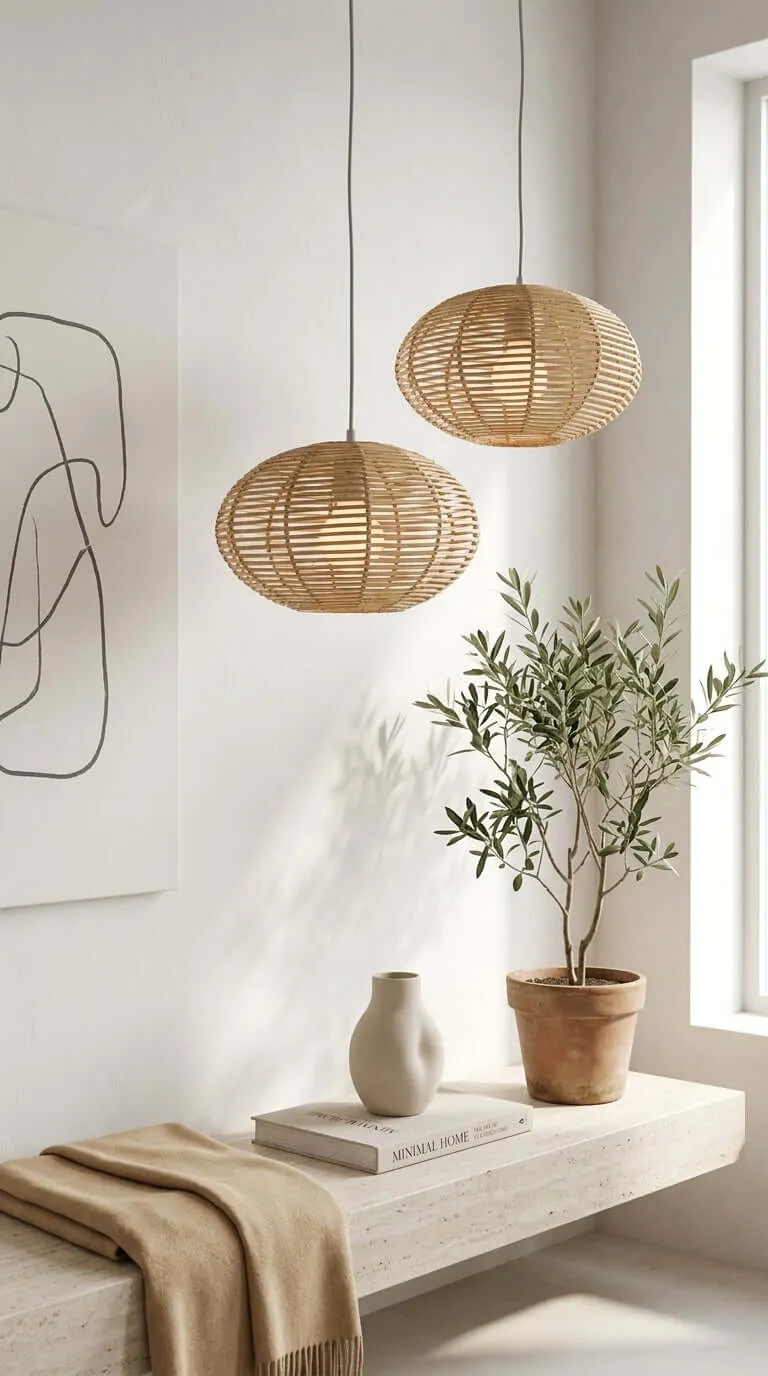
Wicker hanging lights in south-facing windows will show visible color change within 6 to 12 months, while those in filtered or indirect light may take 2 to 3 years. A seagrass basket used in a shaded bedroom will hold its color far longer than one placed next to a sunny patio door.
Best Placements to Minimize Fading
Where you hang or place your wicker pieces matters most. Direct sunlight is the culprit, so strategic positioning extends the life of your décor.
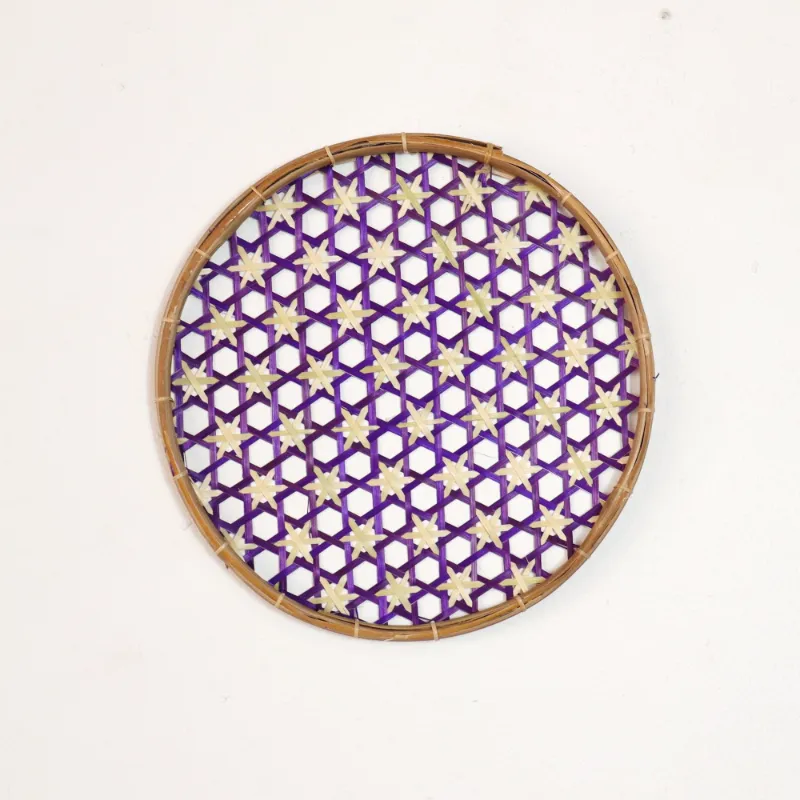
- Indirect natural light: Place wicker hanging lights or a wall basket where they catch reflected or filtered sunlight rather than direct rays. North-facing or shaded east-facing spots are ideal.
- Behind sheer curtains: Hang a rattan hanging light with plug near a window but filter the light with lightweight curtains or blinds. This keeps the aesthetic while cutting UV exposure by 50 to 80 percent.
- Interior focal points: Move a seagrass basket or rattan wall decor away from exterior walls and sunny windows toward center walls or areas lit by lamps only.
- Rotated positioning: If you love your pieces in a sunny spot, rotate or flip them every few months so fading is even and less noticeable.
- Covered patios or porches: Hang a rattan pendant light or large rattan hanging light on a covered porch where they get ambient light but no direct sun exposure.
Material Comparison: Which Fades Fastest?
Not all natural materials fade at the same rate. Here’s how common wicker and rattan pieces compare:
| Material | Fade Speed | Best Use | Durability Notes |
|---|---|---|---|
| Seagrass | Moderate | Indoor baskets, storage | Coarser fibers resist fading better than fine rattan |
| Rattan | Moderate to fast | Hanging lights, wall décor | Tighter weaves hold color longer than loose patterns |
| Wicker | Moderate | Placemats, decorative pieces | Depends on core material; paper-core fades faster than wood |
| Bamboo | Slow | Lamp shades, structural pieces | Naturally dense; holds color well even in light |
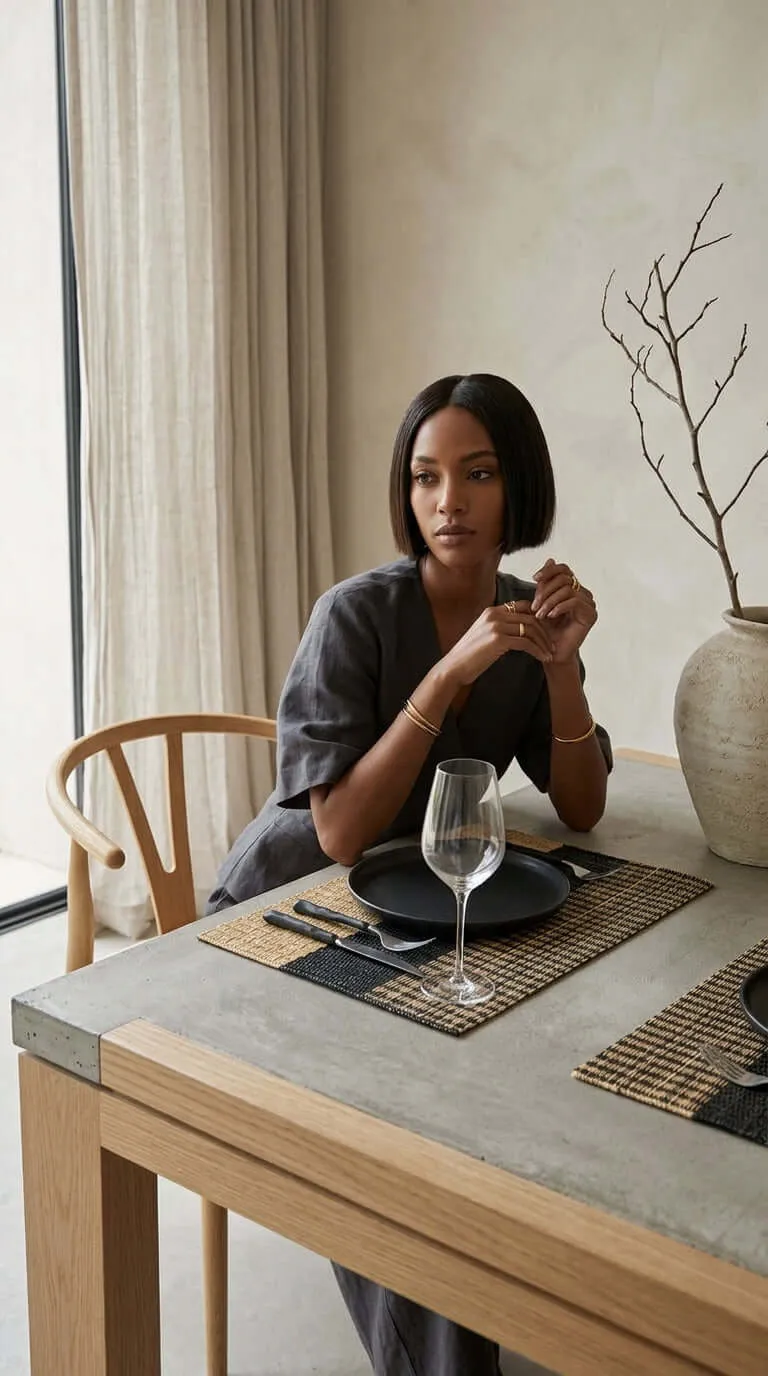
A seagrass basket typically holds its color longer than a rattan pendant light because seagrass is coarser and denser. However, tightly woven wicker placemats often outperform loosely woven rattan pieces in sun resistance. Bamboo lamp shade materials are among the most UV-resistant natural options.
Protective Treatments and Sealers
Many quality pieces, including wicker hanging lights and boho floor lamp bases, arrive with a protective coating. This layer slows fading but does not stop it entirely.
Check your product details when you grab the code to see if UV-protective sealant was applied. If you want to add extra protection:
- UV-protective spray: Mist a light layer of UV-blocking spray designed for wicker or rattan onto your piece every 6 to 12 months. Test on a small hidden area first.
- Linseed oil or teak oil: Natural oils can enhance color and add a thin protective layer, though they require reapplication and may darken the piece slightly.
- Wax-based finishes: Some craftspeople use food-grade wax to seal wicker. This works for decorative pieces like woven placemats or wicker placemats, though not for hanging fixtures.
Avoid harsh chemicals or heavy coatings that trap moisture and can damage the fibers from within. Lighter, breathable protectants are best for rattan wall decor and similar pieces.
Seasonal Rotation and Care Strategies
If your home or patio gets intense seasonal sun, rotating your wicker and seagrass pieces prevents uneven fading and extends overall life.
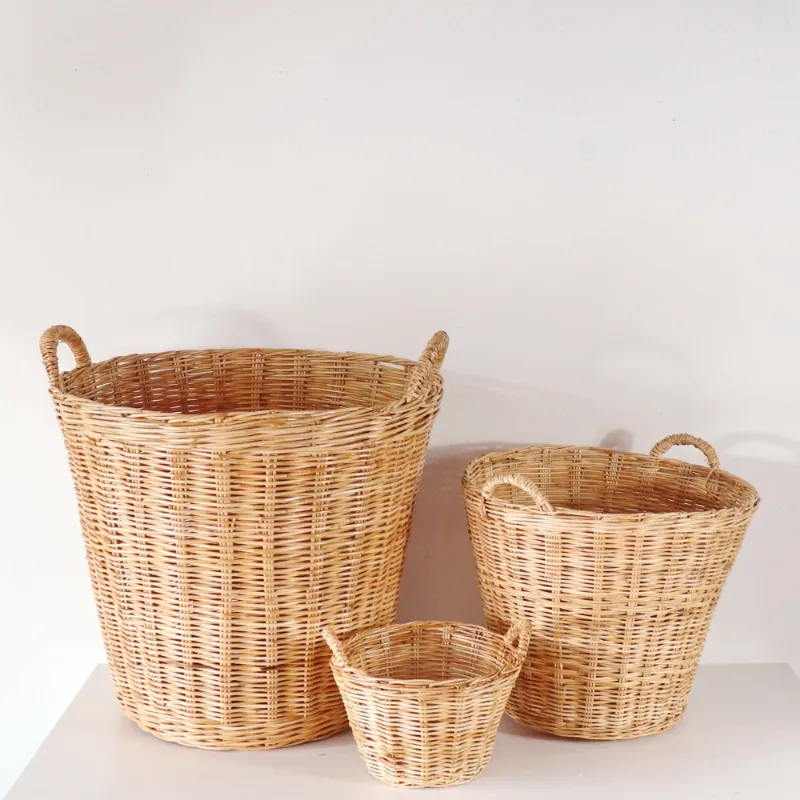
- Summer rotation: In the hottest months, move wicker hanging lights or a wall basket to shaded areas if possible. Relocate boho dresser pieces away from sunny windows.
- Winter placement: Winter sun is lower and less intense, so brief exposure in sunny spots is less damaging during cooler months.
- Monthly inspections: Check color consistency and fiber condition monthly. Early signs of significant fading mean it’s time to adjust placement.
- Dusting and cleaning: Dust particles can concentrate UV rays on fibers. Regular gentle dusting with a soft brush or cloth helps maintain both appearance and material integrity on seagrass basket or a rattan pendant light.
See Rattan Pendant Lights and 22 Rattan Handmade Lamps ideas for design inspiration on placement and styling that doubles as sun protection.
When to Accept Fading as Part of the Charm
Many owners of wicker hanging lights, seagrass basket, and other natural pieces embrace patina. A gentle, even fade can read as rustic character rather than wear. If your pieces are in a high-traffic sunny area, consider whether a warm, weathered look fits your aesthetic.
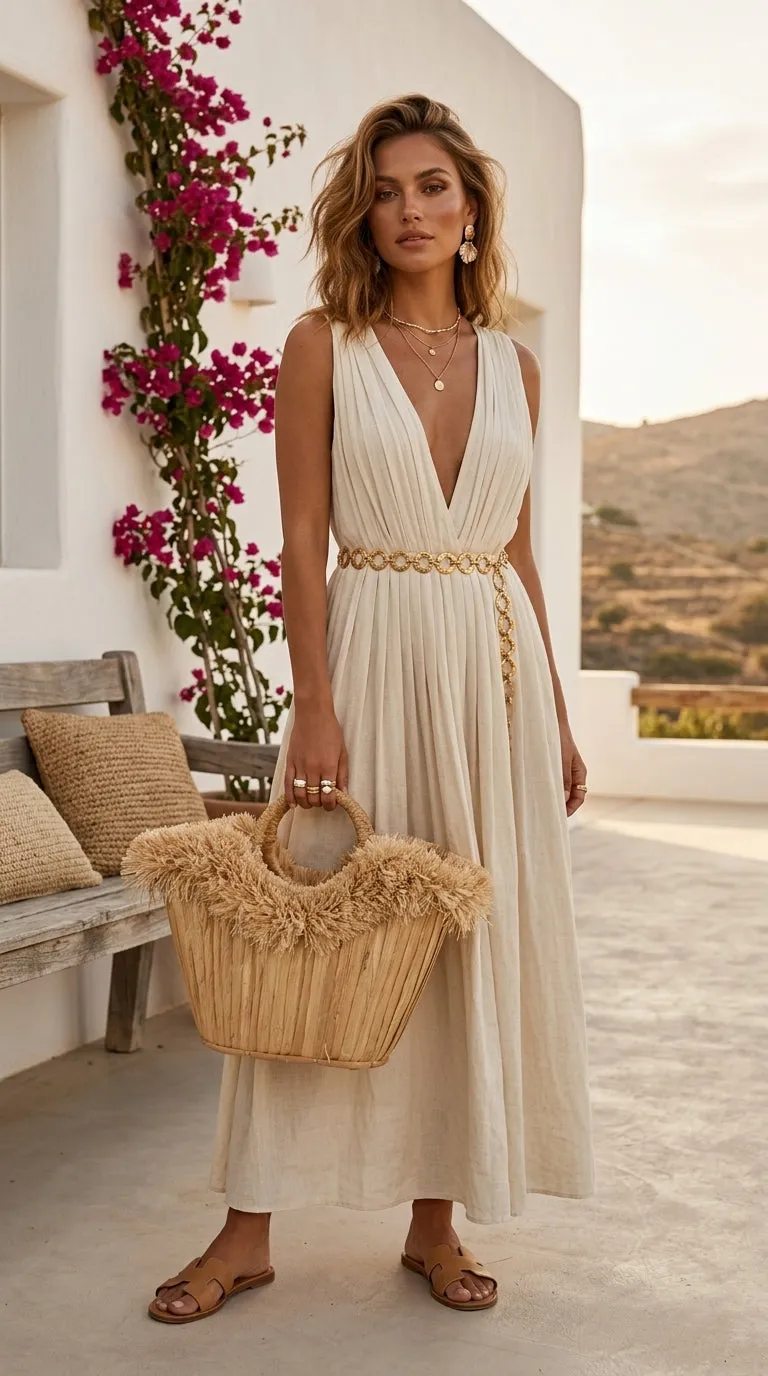
Fading is slowest with quality, dense weaves and fastest with thin, loosely constructed pieces. Woven straw purse or straw sandals left in a sunny closet will age, but the change is often subtle and adds handmade charm.
When you’re ready to refresh or add new pieces, check the latest price on wicker placemats, rattan wall decor, and other naturals to rotate your collection seasonally or redecorate with confidence.
Key Takeaways
Wicker and seagrass fade in sunlight, but you control the speed. Keep pieces in indirect light, use sheer curtains as a buffer, rotate seasonally, and apply light protective treatments. Quality density matters, tightly woven rattan and coarse seagrass resist fading better than thin, loosely constructed alternatives. Embrace subtle patina as part of natural materials’ charm, or swap pieces regularly to keep your look fresh.
Questions
How long does it take for wicker hanging lights to fade in sunlight?
In direct sunlight, wicker hanging lights typically show noticeable fading within 6 to 12 months. Placement matters: indirect light or filtered sun can extend this to 2 to 3 years. UV intensity, climate, and the density of the weave all affect the timeline.
Can I prevent a seagrass basket from fading?
You can slow fading significantly by placing your seagrass basket away from direct sunlight, using sheer curtains to filter light, and rotating it occasionally. Applying a light UV-protective spray every 6 to 12 months also helps, though some gradual fading is normal with natural materials.
Does a bamboo lamp shade fade faster than rattan?
No. Bamboo is denser and more UV-resistant than rattan, so it holds color longer. Bamboo lamp shades are among the best natural options for sunny locations, though all natural materials fade eventually with consistent direct sun exposure.
Which wicker hanging lights resist fading best?
Tightly woven, high-quality wicker hanging lights resist fading better than loosely constructed pieces. Pieces with protective UV sealant applied during manufacturing also age more slowly. Placement in indirect light is the single biggest factor in preserving color.
Is fading a defect, or is it normal for wicker and seagrass?
Fading is normal and expected with natural materials exposed to sunlight over time. It is not a defect. Many people embrace the gradual weathered look as part of the piece's character and charm.
What is the best way to protect wicker hanging lights from sun damage?
Hang them in indirect or filtered light, use sheer curtains or blinds to diffuse direct rays, apply a light UV-protective spray every 6 to 12 months, and rotate them periodically for even aging. Covered outdoor spaces provide good protection while keeping the aesthetic.
Products in this guide
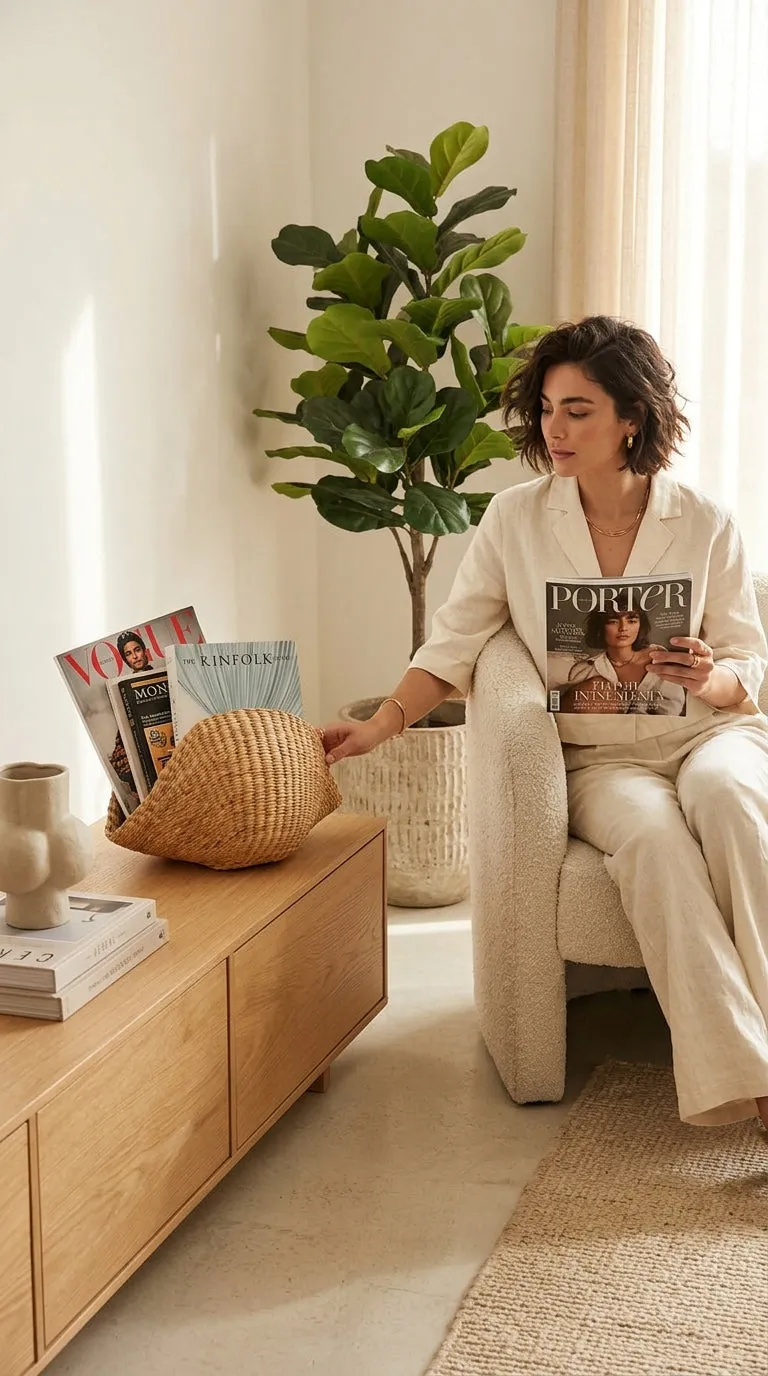
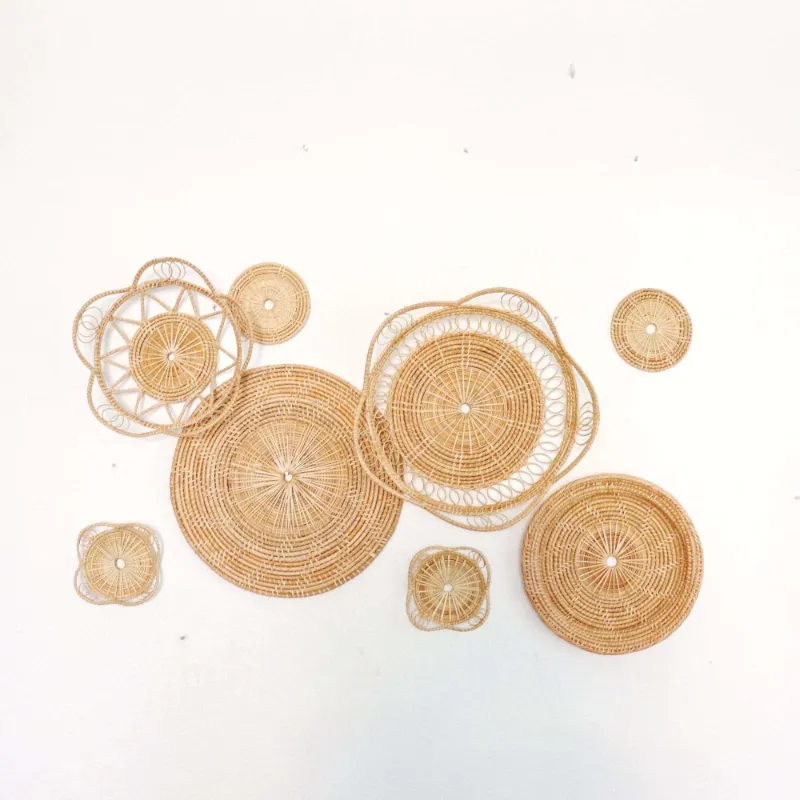
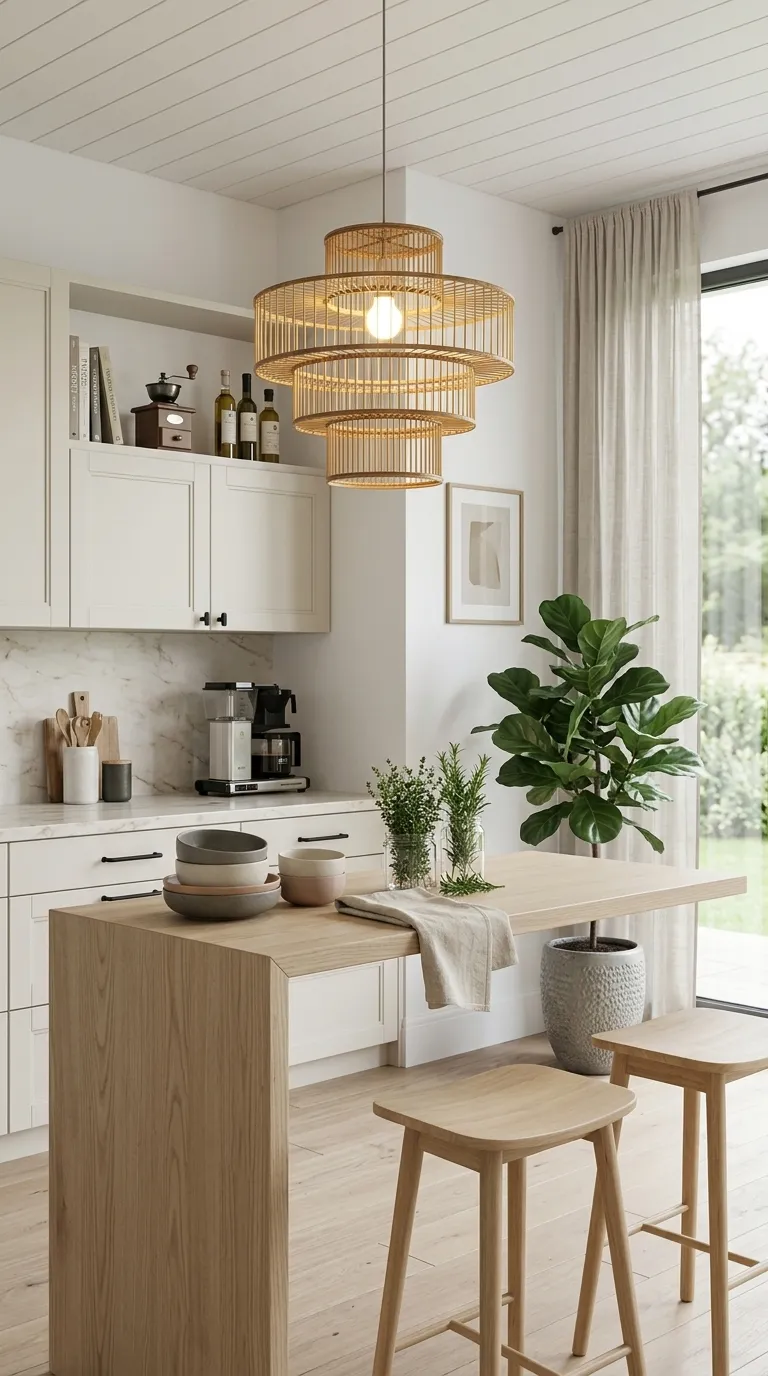
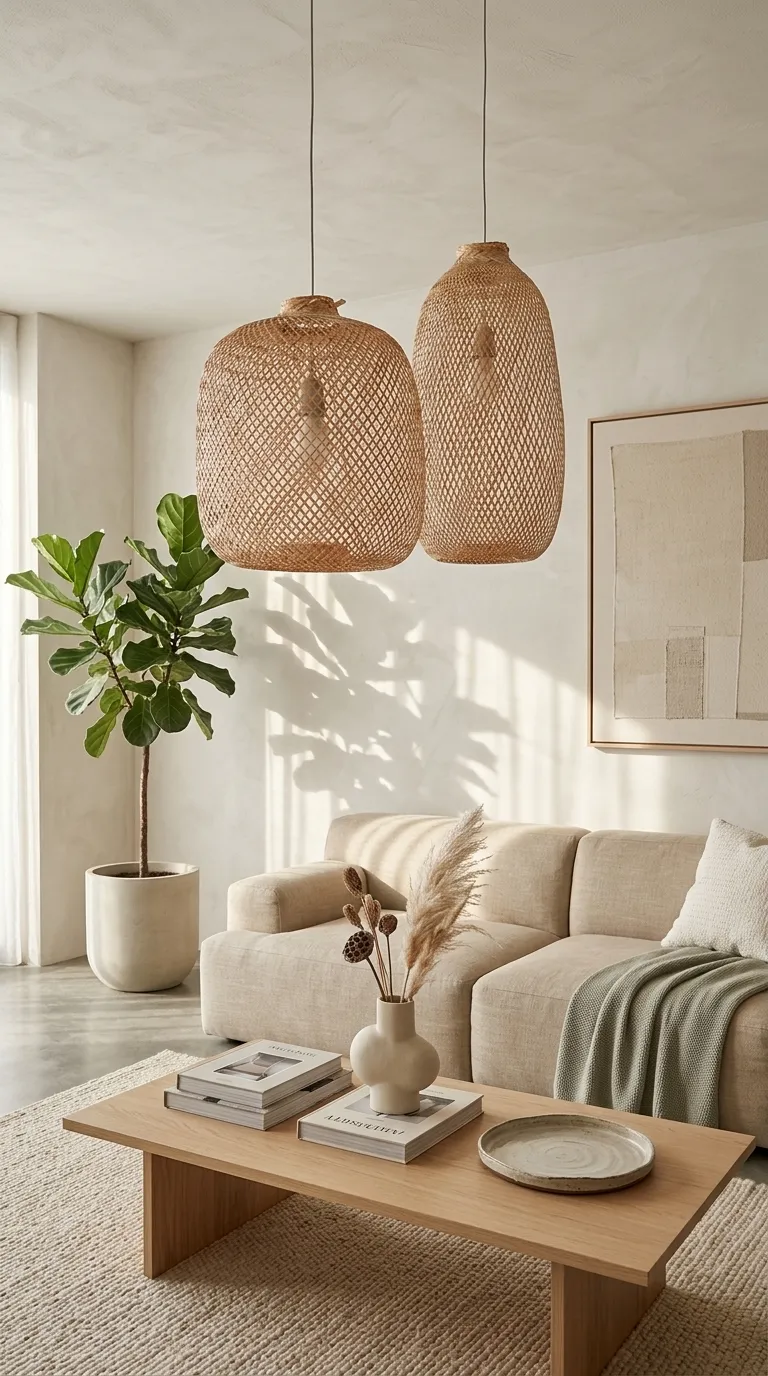
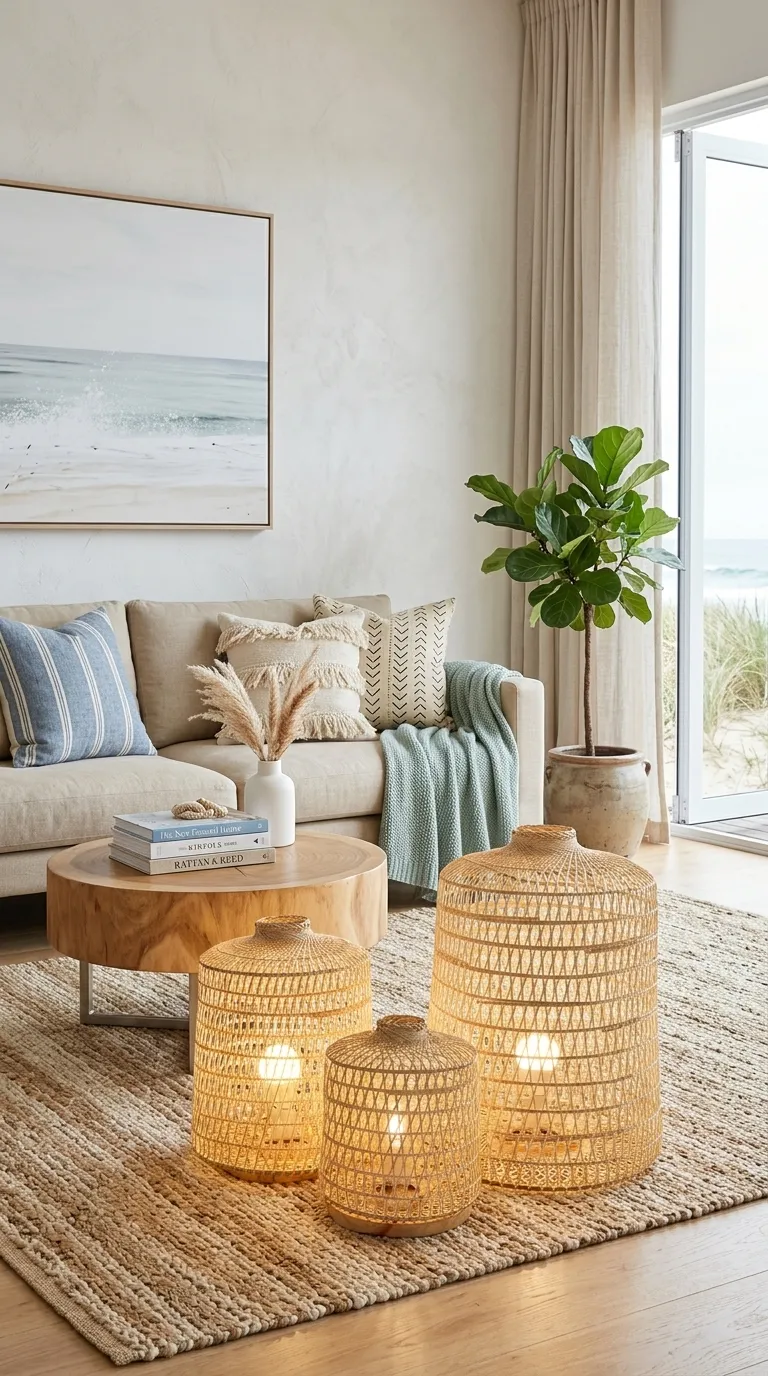 Shopping at ThaiHomeShop? See the discount code
15% OFF Sitewide
Shopping at ThaiHomeShop? See the discount code
15% OFF Sitewide
More in this series
Can You Machine Wash a Woven Straw Purse?12 Sep 20264 minBest Placement for Bamboo Lamp Shades to Avoid Heat Damage12 Sep 20264 minWhy Your Wicker Placemats Are Shedding and How to Stop It12 Sep 20264 minBoho Dresser and Bedframe Durability: What to Look For12 Sep 20263 minHow to Clean and Maintain Woven Placemats and Rattan Wall Decor12 Sep 20265 min