 A Something Splendid Co guide
Whole vs Ground Nutmeg for Baking: When to Use Each
Whole nutmeg grated fresh gives you more aroma than pre-ground spice, which matters most in cakes, donuts, and custards.
Whole nutmeg delivers fresher, more vibrant flavor than ground spice straight from the jar. When you grate whole nutmeg fresh into your batter, you’re capturing oils and nuances that fade quickly once the seed is ground. For the current code, see our Something Splendid Co codes and deals.
The choice between whole nutmeg and pre-ground versions isn’t just about flavor strength. It’s about control, shelf life, and the texture of your final bake.
Why Whole Nutmeg Matters in Baking
Whole nutmeg is the intact seed from the nutmeg tree, wrapped in its natural protective layer. This shell keeps the aromatic compounds locked in far longer than grinding does. The moment you crack or grate whole nutmeg, volatile oils begin to escape into the air, which is why freshly grated whole nutmeg smells so much more intense than the powdered version sitting on your shelf for months.
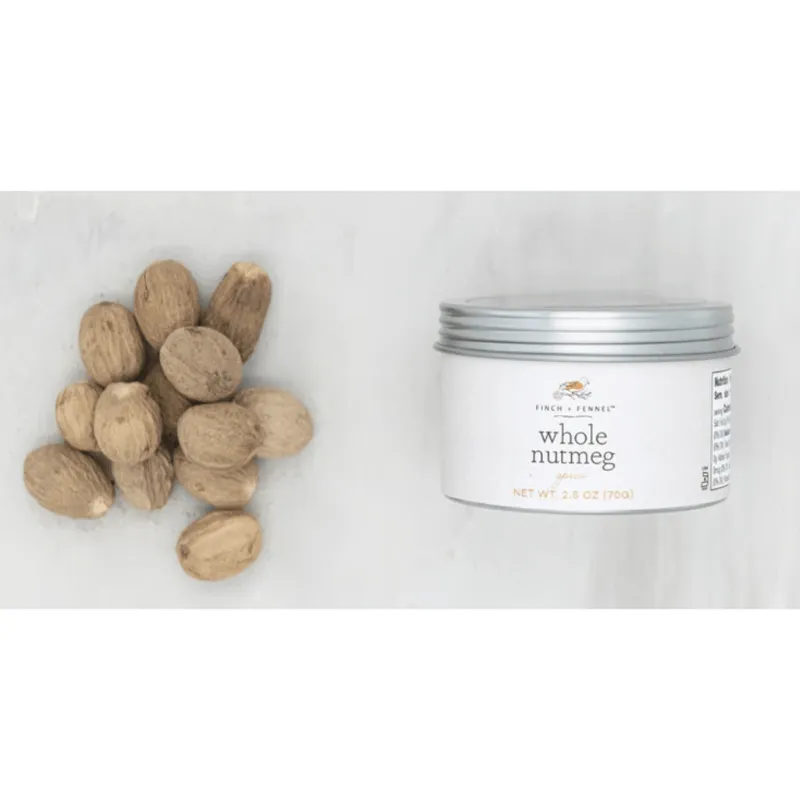
In baking, this freshness translates to cleaner flavor. Ground nutmeg can taste dusty or muted by comparison, especially if it’s been open for a year. Whole nutmeg also gives you precise control over how fine or coarse the particles are, which affects how evenly it distributes through your batter and how it integrates into the crumb structure.
For recipes where nutmeg is a supporting spice (like in spiced cakes or pumpkin bread) the difference is noticeable but subtle. For custards, cream fillings, and donut batters where nutmeg is front and center, using whole nutmeg and grating it fresh is worth the extra 30 seconds.
Whole Nutmeg vs Ground: A Direct Comparison
| Factor | Whole Nutmeg | Ground Nutmeg |
|---|---|---|
| Flavor Intensity | Holds aroma longer (check the best-by date) | Fades faster once opened |
| Grating Required | Yes, with a microplane or grater | No, ready to use |
| Particle Control | Fine to coarse, your choice | Uniform but often too fine |
| Best For | Custards, donuts, cream fillings, spiced cakes | Quick everyday baking, spice blends |
| Storage | Cool, dry place; lasts longer | Airtight container; check the best-by date |
The trade-off is simple: whole nutmeg requires a grater but rewards you with superior flavor. Ground nutmeg saves time but loses potency over weeks. You can keep both on hand: reach for whole nutmeg when the recipe is simple enough to let nutmeg shine, and grab the pre-ground jar when you’re making a complex spice cake where the nutmeg is one of many flavors.
How to Grate Whole Nutmeg Properly
Grating whole nutmeg is faster than you’d think, and you need less than you’d expect. Use a microplane grater (the same tool you’d use for zesting citrus) and hold the nutmeg at a slight angle as you stroke downward. You’ll get fine, fluffy particles that distribute evenly through batter.
For donut recipes and custard-based cakes, grate directly over the wet ingredients if possible. This prevents the nutmeg from clumping and ensures even distribution. If your recipe calls for 1/4 teaspoon of ground nutmeg, start with a bit less of freshly grated whole nutmeg and taste as you go. Whole nutmeg is more concentrated, so a little goes further.
Store your grater in a dry drawer. After grating, rinse immediately and dry the grater. Keep the seed in a cool, dry cupboard, in a sealed jar to protect it from light and air.
Where Whole Nutmeg Fits in Baking
Whole nutmeg shines brightest in recipes where it’s a featured ingredient, not background noise. Custard-based desserts (crème brûlée, custard cream filling for pastries, or rich vanilla cakes) are where you’ll taste the difference most clearly. The warm, almost sweet notes of fresh whole nutmeg complement egg and cream beautifully.
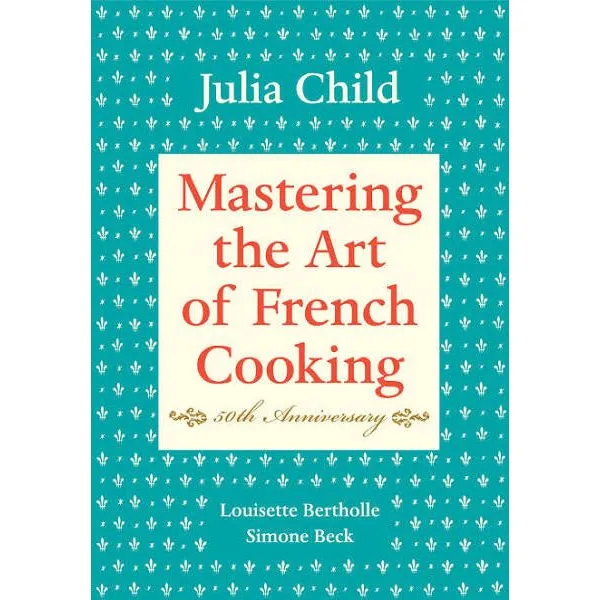
Spiced donuts are another no-brainer. Donut batters are a classic place for nutmeg. When you grate whole nutmeg into the batter, the flavor stays bright and distinct rather than flattening into a generic “spice” note. Mastering the Art of French Cooking by Julia Child is a classic reference for cream sauces and custards.
Cream pies, panna cotta, and spiced butter cakes also benefit from whole nutmeg. So do quick breads where the batter is simple, think basic pumpkin or banana bread where nutmeg isn’t competing with cinnamon, cloves, or ginger. In those recipes, the upgrade is worth it.
Where ground nutmeg still makes sense: layered spice cakes with multiple spices, cookie doughs where texture matters and you want uniform color, or any time you’re baking in large batches and convenience is the priority. Nutmeg spice in pre-ground form is also your friend when you’re traveling or baking in a space with limited tools.
Storage and Freshness: How Long Does Whole Nutmeg Last
Whole nutmeg keeps its aroma longer than ground because the seed is still intact. Store it in an airtight container or sealed jar in a cool, dark cupboard away from direct sunlight and heat. Humidity is nutmeg’s enemy, so don’t keep it near the stovetop or above the oven.
Check the best-by date on the jar, then trust your nose: crack or grate a tiny bit and smell it. If it smells sharp, warm, and slightly sweet, it’s still fresh. If the aroma is faint or musty, it’s time to replace it.
Ground nutmeg loses aroma faster, so check the best-by date and replace it sooner if your container gets exposed to heat or humidity. Open containers in spice racks above the stove lose potency fast. If you buy pre-ground nutmeg, store it in a dark glass jar with a tight seal and keep it away from appliances.
Nutmeg Whole Indonesia is another source to compare.
When Ground Nutmeg Is the Right Choice
Ground nutmeg isn’t inferior, it’s practical for different situations. If you’re baking a batch of 36 cookies where nutmeg is one of five warm spices, pre-ground saves you time and effort. If you’re making a sheet cake for a potluck or a quick coffee-cake breakfast, ground nutmeg is fine. The flavor difference matters most when nutmeg is the star or when you’re baking for someone who truly cares about depth.
Ground nutmeg also works better in spice blends and rubs where you want uniform color and texture. If you’re making a homemade pumpkin spice blend or seasoning a warm apple cider, pre-ground is more convenient. Nutmeg spice in ground form is also easier to measure precisely for large recipes where you need consistency batch to batch.
The key is matching the format to your recipe and your priorities. Whole nutmeg for custards, cream fillings, and simple spiced cakes. Ground nutmeg for layered spice recipes, cookies, and everyday convenience. Both have a place in a well-stocked baking pantry.
Getting Started: Where to Buy Whole Nutmeg
Pair whole nutmeg with a microplane grater if you don’t already have one.
When shopping for whole nutmeg, look for seeds that feel dense and heavy, not light or crumbly. Avoid seeds with large cracks or obvious discoloration. Nutmeg 101: What It Is and How to Use It from AllRecipes offers additional context on sourcing and using nutmeg in the kitchen.
Start by grating whole nutmeg into your next custard or spiced cake recipe. Taste it against your usual pre-ground jar and decide which recipes deserve the extra step.
Questions
How much whole nutmeg should I use if the recipe calls for ground nutmeg?
Start with slightly less freshly grated whole nutmeg than the recipe calls for in ground form. Freshly grated nutmeg tastes stronger. Taste as you go and adjust to your preference.
Can I buy whole nutmeg with a grater included?
Some retailers sell whole nutmeg in a kit with a grater, so check the listing. Or buy a microplane grater separately.
How long can I store whole nutmeg in my pantry?
Check the best-by date, and store it in an airtight container away from heat, light, and humidity. Check freshness by grating a tiny bit and smelling it.
Is whole nutmeg worth buying for casual baking?
If you bake custard-based desserts, donuts, or cream pies regularly, yes, the flavor difference is noticeable. For occasional cookie baking or recipes with multiple spices, ground nutmeg is convenient enough.
What's the difference between whole nutmeg with mace and plain whole nutmeg?
Mace is the red lacy covering around the nutmeg seed itself, a separate spice with a slightly different, more delicate flavor. Plain whole nutmeg is just the seed. Buy plain whole nutmeg for general baking unless a recipe specifically calls for mace.
Can I grind whole nutmeg in a spice grinder instead of using a microplane?
Yes, a spice grinder works, but you'll get a coarser powder and it's harder to control the texture. A microplane gives you finer, fluffier particles that distribute more evenly in batter.
Products in this guide
 Shopping at Something Splendid Co? See the discount code
5% OFF All Orders
More in this series
Donut Pan Baking: Tips for Perfectly Cooked Donuts Every Time31 Aug 20263 minJulia Child Cookbook Guide: Mastering French Cooking Techniques and Essential Recipes31 Aug 20264 min Pura Mini Diffuser vs Candles and Reed Diffusers: Which Suits a Small Space?31 Aug 20263 min
 How to Make Gourmet Popcorn at Home with Quality Kernels and the Right Equipment31 Aug 20263 min