 A Something Splendid Co guide
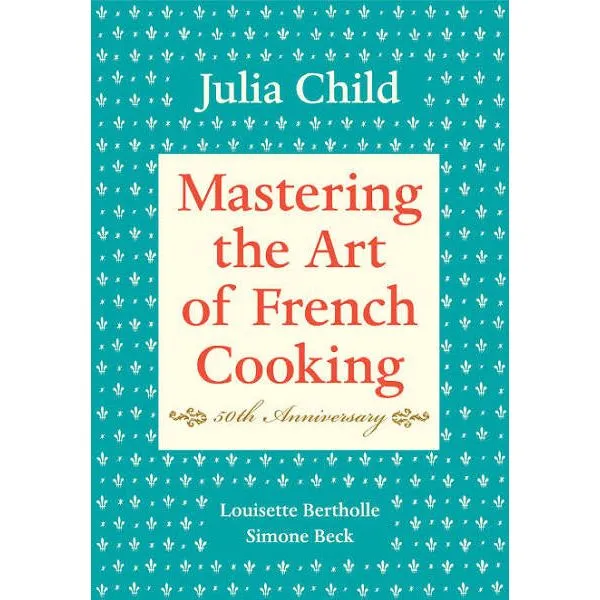
Julia Child Cookbook Guide: Mastering French Cooking Techniques and Essential Recipes
Learning the fundamentals of mastering the art of french cooking julia I gives home cooks the techniques and recipes to confidently recreate classic French dishes.
Mastering the art of french cooking julia I is the foundation for anyone serious about learning classic French culinary technique. Whether you’re a beginner picking up a knife for the first time or an experienced cook looking to refine your skills, Julia Child’s iconic work teaches you the methods that professional chefs rely on.
Understanding Mastering the Art of French Cooking Julia Child’s Approach
Mastering the Art of French Cooking revolutionized home cooking when it first appeared. Julia Child and her co-authors didn’t just list recipes, they broke down every technique step by step so you actually understand the why behind each instruction. When you’re learning mastering the art of french cooking julia I, you’re not memorizing instructions; you’re building muscle memory and intuition.
The book focuses on five core cooking methods that underpin French cuisine: sautéing, braising, poaching, roasting, and sauce-making. Each chapter builds on the last, so you progress from simple preparations to complex dishes. The genius of this approach is that once you master the technique, you can apply it to hundreds of variations.
Essential Kitchen Equipment and Ingredients
To execute recipes from mastering the art of french cooking julia I, you’ll need some key pieces of equipment and quality ingredients on hand.
Start with basics:
- A sharp chef’s knife and paring knife
- Stainless steel pots and pans in multiple sizes
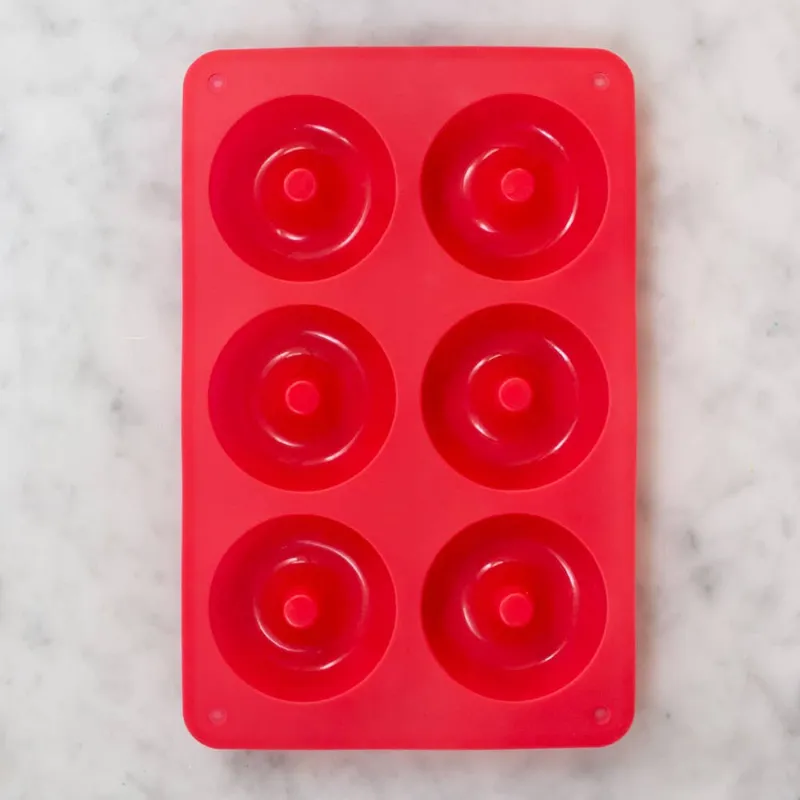
- A donut pan and other specialty baking pans for classic French pastries
- Mixing bowls and a good whisk
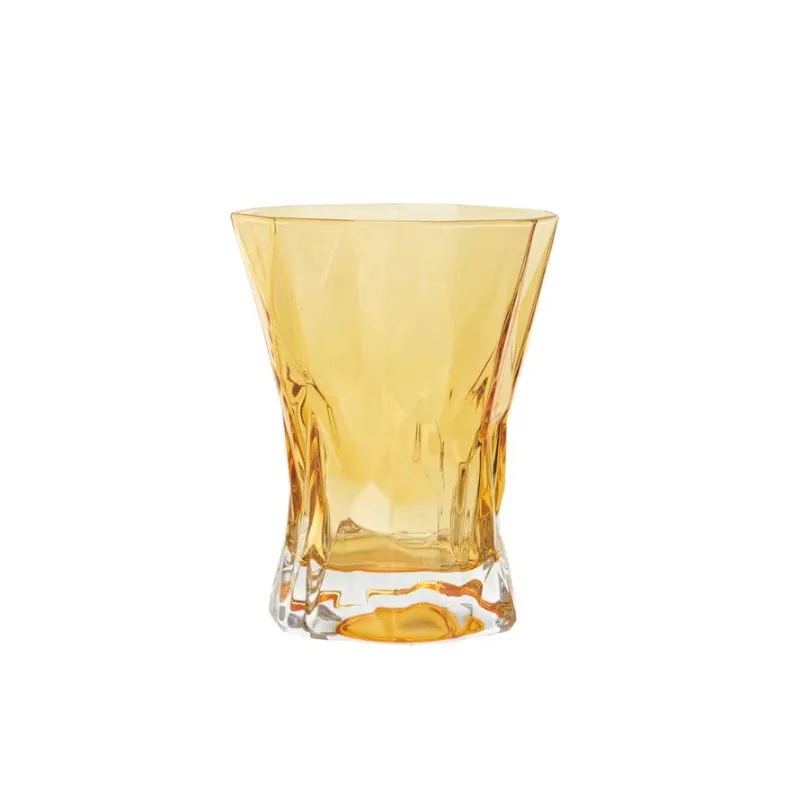
- A amber glass storage containers for stocks, butters, and prepared ingredients
Pantry staples include:
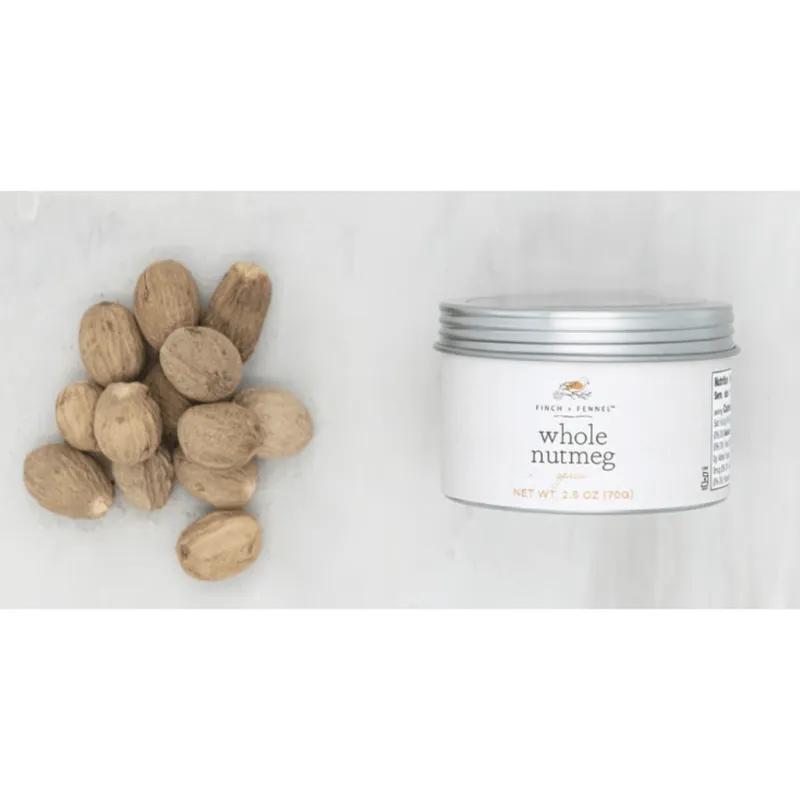
- Whole nutmeg and nutmeg spice for seasoning sauces and soups
- High-quality butter and cream
- Shallots and garlic
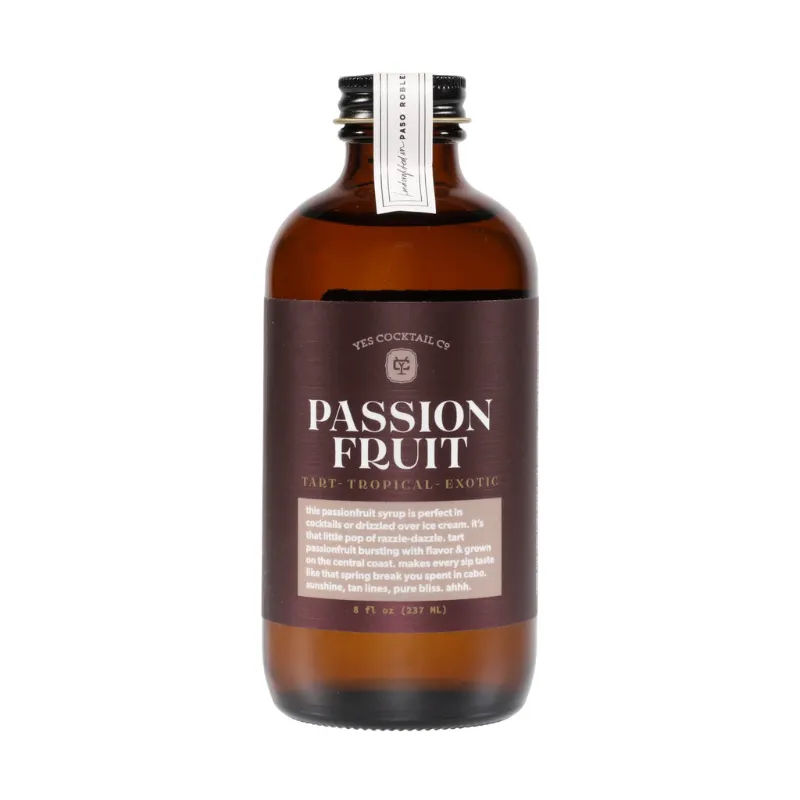
- Passion fruit syrup and other flavorings for classical French preparations
- Herbs like thyme, bay leaf, and parsley
Many recipes in mastering the art of french cooking julia I rely on these foundations, so having them stocked saves you time during prep.
Mastering Foundational Techniques from Julia Child’s Cookbook
The real value of mastering the art of french cooking julia I lies in the techniques, not the specific recipes. Here’s what you’ll learn:
Sauce-making is perhaps the most important skill. French sauces start with a roux (equal parts fat and flour cooked together), then stock is added gradually while whisking to avoid lumps. You’ll learn béchamel, velouté, and espagnole, the mother sauces from which hundreds of others derive.
Knife skills get their own dedicated section. You’ll learn how to brunoise (tiny, perfect cubes), julienne (thin matchsticks), and chiffonade (thin ribbons). These cuts aren’t just for show; they affect how quickly food cooks and how it absorbs flavors.
Stock and broth preparation teaches you to extract maximum flavor from bones, vegetables, and aromatics. A proper stock takes hours but becomes the backbone of soups, sauces, and braises.
Braising combines browning meat at high heat with long, slow cooking in liquid. This technique transforms tough, inexpensive cuts into tender, flavorful dishes.
Recipes That Teach Core Methods
Rather than memorizing individual recipes, focus on mastering the art of french cooking julia I by studying signature dishes that exemplify key techniques.
Beef Bourguignon teaches braising and sauce reduction. Coq au Vin demonstrates the same methods applied to poultry. Sole Meunière shows how to pan-fry fish perfectly. Crème Brûlée teaches custard-making and caramelization.
Each of these recipes appears in the cookbook with step-by-step instructions designed so you understand what’s happening at each stage. You learn why meat browns (the Maillard reaction), why you let dough rest (gluten development), and why temperature matters for every step.
Building Your Collection and Taking Notes
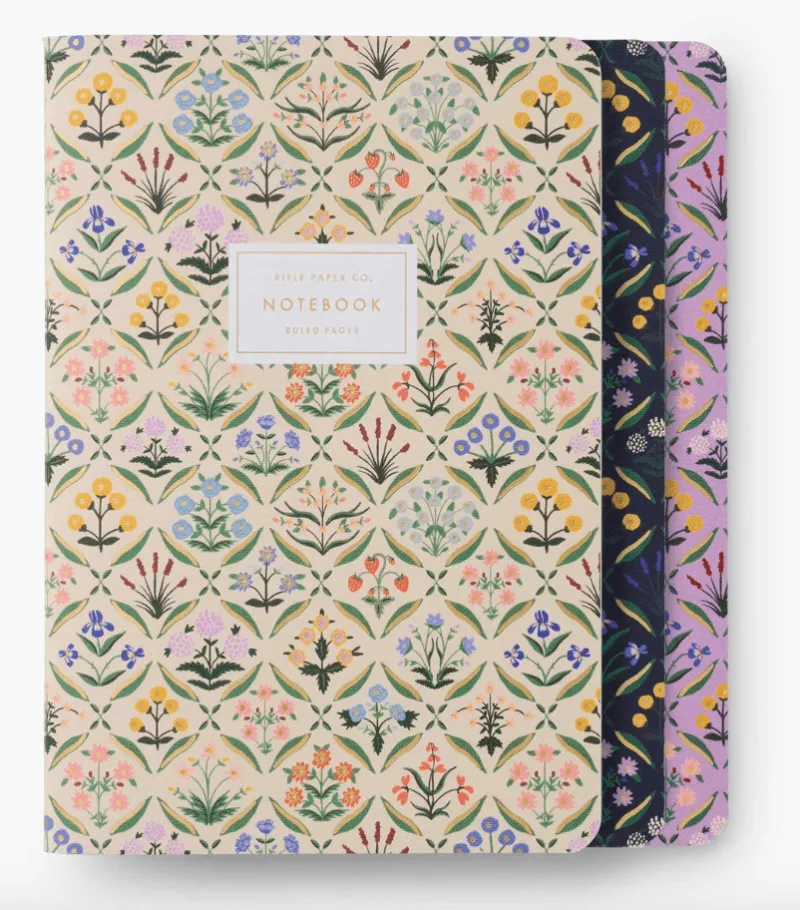
Keep estee notebooks set of 3 nearby when you cook from mastering the art of french cooking julia I. Write down your observations: Did the sauce break? How long did it actually take? What would you change next time? This personal documentation becomes your own reference guide as you improve.
Many serious cooks annotate their copy of the cookbook directly, marking preferred recipes, adjusting salt and heat levels based on their experience, and noting seasonal variations. Over time, your marked-up version becomes a more useful guide than the original because it reflects your kitchen and your taste.
Consider grab the code when you’re ready to invest in your own copy of mastering the art of french cooking julia I and the supporting tools and ingredients that make learning easier.
Putting It All Together: Your First Projects
Start small when applying what you learn from mastering the art of french cooking julia I. Make stock first. Spend a weekend on Beef Bourguignon. Practice your knife work with mirepoix (the trio of onion, carrot, and celery that flavors nearly everything).
Don’t rush to fancy dishes. The magic of Julia Child’s teaching method is that fundamentals transfer everywhere. Once you’ve made a proper béchamel sauce, you can apply that technique to gratins, soufflés, and creamed vegetables. Once you’ve braised meat properly, you understand the principle behind every braise you’ll ever make.

You might pair your cooking practice with complementary kitchen items, perhaps chai tea bags or passion fruit syrup for post-cooking reflection, or keep your kitchen smelling fresh while you work with a pura mini device smart home fragrance diffuser.
The cookbook itself remains relevant decades after publication because it teaches principles, not trends. Check the latest price and grab your copy when you’re ready to start your French cooking education in earnest.
Making French Cooking Practical for Today
Mastering the art of french cooking julia I was written for home cooks, not restaurant chefs. This matters. Julia Child understood that busy people were buying her book, so she offered shortcuts and practical advice alongside the classical method. She tells you which steps can be done ahead, where you can substitute ingredients, and how to adjust recipes for your taste and what’s available.
This pragmatic approach makes the cookbook enduringly useful. You’re not learning French cooking to pass an exam or prove something to anyone else, you’re learning it because you want to cook better food for yourself and the people you care about. That’s exactly the spirit in which the book was written, and it’s why so many home cooks return to it year after year.
Questions
Is mastering the art of french cooking julia I suitable for beginners?
Yes. While the cookbook covers advanced techniques, it's structured for cooks at all levels. Start with simpler recipes like soups and sauces before moving to complex braises and pastries. Julia Child's detailed instructions mean you won't feel lost even if you've never made a roux or broken down a chicken.
What's the difference between the original and newer editions?
The original Volume 1 (1961) remains the core text. Volume 2 (1970) extends the recipes and techniques. Both are valuable, though most home cooks start with Volume 1. [Check the latest price](/something-splendid-co-discount-code/) to see which edition is available.
Can I use mastering the art of french cooking julia I if I have dietary restrictions?
The cookbook is butter and cream-heavy because that's classical French cooking. You can adapt individual recipes (substituting cream, reducing butter), but the cookbook itself isn't designed around dietary restrictions. It's best for cooks who can enjoy traditional ingredients.
Do I need special equipment to follow the recipes?
No. The recipes use standard kitchen tools like pots, pans, and knives. A [donut pan](/go/p/7241) and other specialty items are helpful for specific pastries, but they're not essential to learning the fundamental techniques mastering the art of french cooking julia I teaches.
How long does it take to master French cooking from this cookbook?
Mastery is ongoing, but you'll notice real improvement within weeks of practicing regularly. Most cooks spend months or years working through the book, returning to favorite recipes and building confidence with each cook.
Should I buy a physical or digital copy?
A physical copy is better for cooking because you can mark it up, fold pages, and reference it hands-free in the kitchen. Digital versions are useful for searching specific techniques but don't replace having the book nearby while you work.
Products in this guide
 Shopping at Something Splendid Co? See the discount code
5% OFF All Orders
Shopping at Something Splendid Co? See the discount code
5% OFF All Orders
More in this series
Donut Pan Baking: Tips for Perfectly Cooked Donuts Every Time31 Aug 20264 minBest Spices for Baking: Whole Nutmeg, Ground Nutmeg, and When to Use Each31 Aug 20266 min Pura Mini Smart Diffuser vs. Traditional Fragrance: Which Works Better for Small Spaces?31 Aug 20264 min
 How to Make Gourmet Popcorn at Home with Quality Kernels and the Right Equipment31 Aug 20264 min