 A Buddha Beans Coffee guide
White Label Coffee for Small Businesses: Minimum Orders and Pricing
White label coffee lets small businesses sell branded coffee without roasting, with minimums ranging from zero to 250 pounds depending on the supplier model.
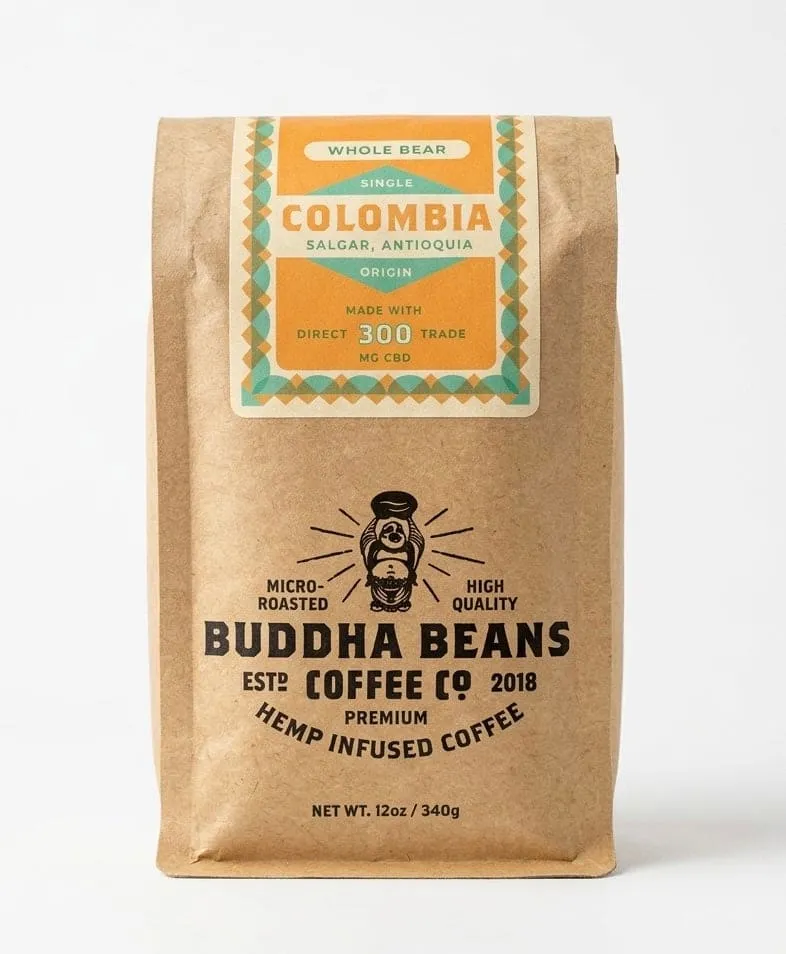
White label coffee programs allow small businesses to sell professionally roasted coffee under their own brand without investing in roasting equipment or inventory. Most traditional roasters require minimum orders between 50 and 250 pounds per SKU, though dropship and no-minimum programs have emerged for startups testing the market. Buddha Beans Coffee offers white label coffee solutions designed for businesses that want specialty-grade beans with flexible order terms.
The economics shift dramatically based on your model. Private labeling with inventory commitments delivers the lowest per-pound cost but ties up capital, while dropship arrangements eliminate minimums at the expense of margin.
Minimum Order Requirements by Program Type
White label coffee suppliers structure minimums around their operational model. Traditional private label roasters work in batch sizes that make small orders uneconomical, while newer platforms aggregate demand to serve micro-brands.
Traditional private label programs typically require:
- 50 to 100 pounds per SKU for established roasters
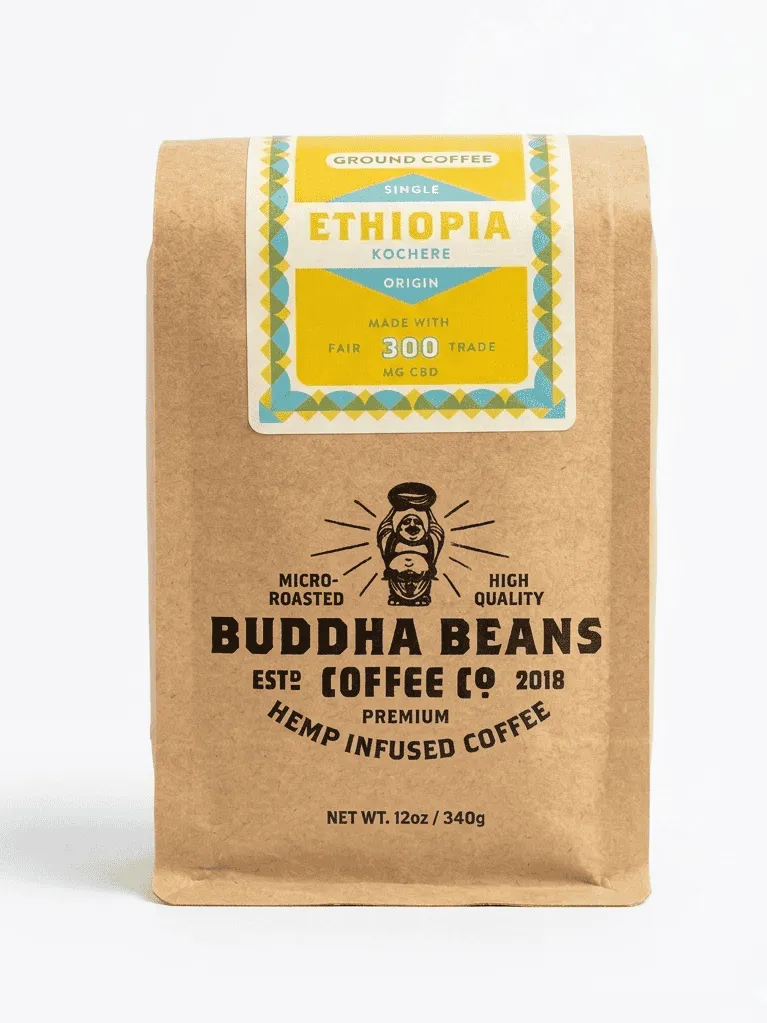
- 250+ pounds for custom blends or rare single origins like kochere coffee
- Quarterly reorder commitments to maintain your label slot
No-minimum and dropship models have different trade-offs:
- Per-order fulfillment with no inventory buy-in
- Higher per-unit costs (often 30 to 50 percent above bulk rates)
- Limited customization on packaging and roast profiles
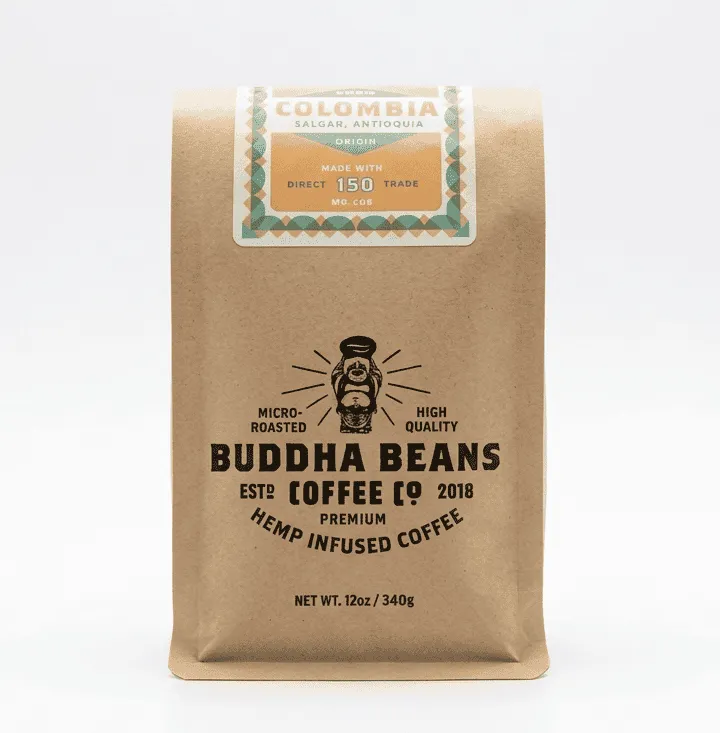
White Coffee Corporation offers private labeling with minimums as low as three cases for some stock blends, making them accessible for cafes adding retail bags. Buddha Beans works with small businesses on white label coffee beans and specialty items like cannabidiol coffee, with order terms that scale as your brand grows. Check our current discount code to see introductory pricing.
Pricing Breakdown for White Label Coffee Beans
Cost per pound falls as volume rises, but the relationship is not linear. Most roasters price in tiers that reward committed partnerships rather than one-time bulk orders.
| Order Size | Cost Per Pound (Typical Range) | Best For |
|---|---|---|
| 1-25 lbs (dropship) | $12-$18 | Testing market fit |
| 50-100 lbs | $8-$12 | Established local sales |
| 250+ lbs | $6-$9 | Multi-location or online stores |
These ranges reflect commodity arabica and blends. Specialty microlots, kochere coffee, or value-added products like coffee with cbd run higher due to sourcing and compliance costs. Buddha Beans positions its best cbd infused coffee as a differentiation play for brands targeting wellness-focused customers, where the premium ingredient justifies retail pricing above standard white label beans.
Setup fees add $200 to $800 for label design, UPC registration, and first-run packaging plates. Some roasters waive these for ongoing partnerships, so negotiate based on your projected annual volume.
Private Label Coffee No Minimum: When It Makes Sense
Dropship and print-on-demand models eliminate upfront inventory risk, making them attractive for e-commerce brands validating product-market fit. Bellweather Coffee explores the real math comparing white label to in-house roasting, showing that even no-minimum programs beat DIY roasting until you hit 500 pounds per month in sales.
Advantages of no-minimum programs:
- Launch with zero inventory investment
- Test multiple SKUs (buddha bean blends, single origins, coffee fruit tea) without committed buy-ins
- Scale one product at a time based on actual sales data
Limitations to consider:
- Per-bag costs eat 40 to 60 percent of retail price, leaving thin margins
- Less control over roast dates and freshness windows
- Generic packaging options limit brand differentiation
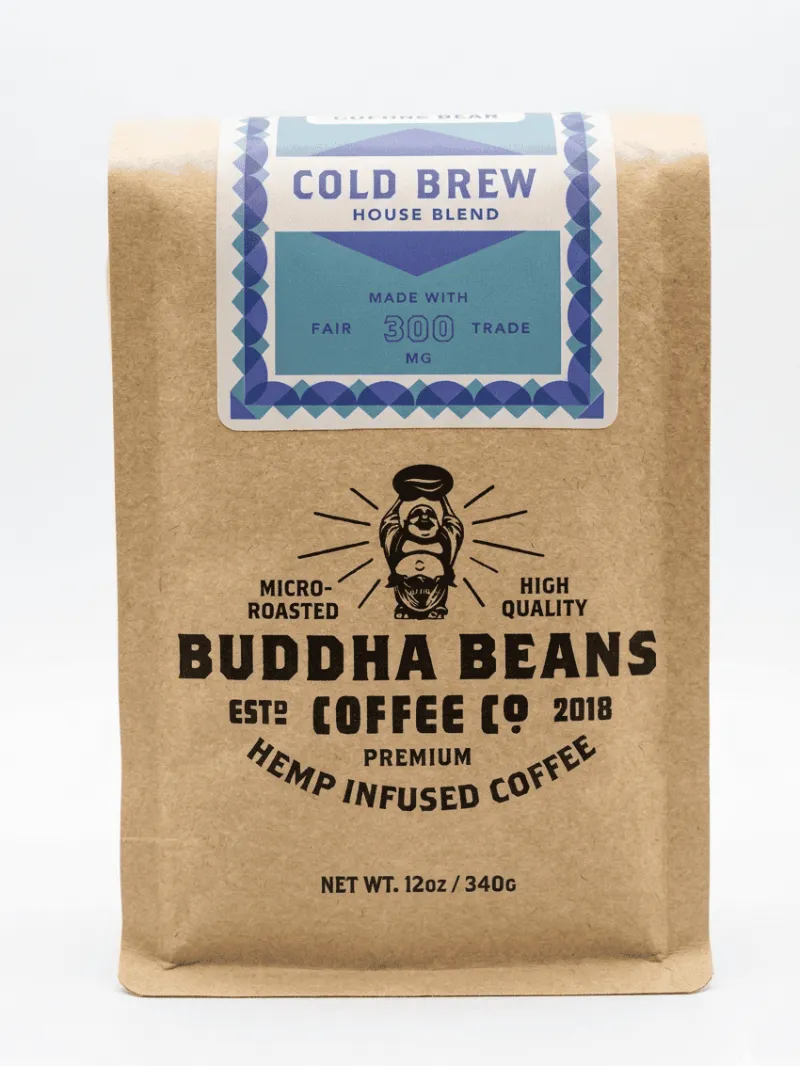
If you are running a subscription model or have predictable weekly sales, switching to a 50-pound minimum program typically pays for itself within three months. Buddha Beans also offers a cold brew subscription 12oz ground cold brew that works well for brands adding recurring revenue without managing liquid production in-house.
White Label Coffee Dropship vs Inventory Models
Dropship works for brands prioritizing speed to market and capital efficiency. You list products, collect orders, and the roaster ships directly to your customers under your branding. Inventory models require you to purchase, store, and fulfill orders yourself, but they unlock better unit economics and brand control.
Dropship model strengths:
- No warehouse or fulfillment overhead
- Roaster handles quality control and shipping logistics
- Easy to add adjacent products like coffee cherry tea or dried coffee cherries without new supplier negotiations
Inventory model strengths:
- Per-pound cost drops 30 to 50 percent
- You control packaging unboxing experience and inserts
- Ability to bundle products or run flash promotions without coordinating with a third party
White Label Coffee Club serves as a marketplace connecting small brands to vetted roasters, offering both models depending on the roaster’s capabilities. Buddha Beans supports hybrid approaches where you hold inventory on core SKUs and dropship limited-edition or seasonal offerings. Grab the latest code if you are placing a first order to test their fulfillment speed and roast quality.
Choosing the Right White Label Coffee Partner
Your roaster becomes an extension of your brand, so vet them on quality consistency, communication speed, and alignment with your brand values. Small businesses often prioritize flexibility over rock-bottom pricing because minimums, lead times, and willingness to customize matter more than saving fifty cents per pound.
Key evaluation criteria:
- Roast-to-ship turnaround time (target 24 to 48 hours for peak freshness)
- Willingness to accommodate small test batches before committing to larger minimums
- Transparent sourcing, especially if your brand emphasizes direct trade or organic certification
- Product range that supports brand expansion (can they do white label coffee pods if you add office accounts?)
Buddha Beans differentiates by offering both conventional white label coffee beans and niche products like cannabidiol coffee, letting wellness brands build a cohesive product line with one supplier relationship. Their team works with businesses on custom roast profiles and label design, which reduces the complexity of managing multiple vendors as you scale.
Start with a pilot order covering your projected two to four weeks of sales. Evaluate the coffee quality, packaging durability during shipping, and customer feedback before negotiating annual volume commitments that unlock the lowest per-pound rates.
Getting Started with Competitive White Label Pricing
Most small businesses launch with a hybrid strategy: commit to a modest minimum on one hero SKU while dropshipping complementary products to test demand. This balances margin optimization on your core product with low-risk exploration of adjacent categories.
Request samples and quote sheets from three to five roasters, specifying your projected monthly volume and whether you need dropship or bulk fulfillment. Compare not just per-pound pricing but total landed cost including packaging, shipping to you or your customers, and any platform fees if using a white label marketplace.
Buddha Beans provides custom quotes based on your order frequency and product mix. Their white label coffee program includes design support and access to limited microlots that help differentiated brands stand out in crowded markets. For current wholesale pricing and to apply our exclusive discount, visit the Buddha Beans discount code page before placing your first order.
Plan for three to six months to dial in your branding, test customer acquisition channels, and stabilize reorder cadence. Once you hit consistent weekly sales, renegotiate minimums and pricing with your roaster based on demonstrated volume. White label coffee gives small businesses a legitimate path to building a recognized brand without the six-figure capital outlay of owning roasting and fulfillment infrastructure.
Questions
What is the typical minimum order for white label coffee?
Most traditional roasters require 50 to 100 pounds per SKU for private label programs, though dropship models with no minimum have become available for small businesses testing the market. Minimums often decrease as you establish a consistent reorder relationship with your roaster.
Is white label coffee cheaper than roasting my own beans?
White label remains more cost-effective than in-house roasting until you consistently sell over 500 pounds per month. Equipment, labor, and green bean inventory costs make small-scale roasting uneconomical for most businesses.
Can I get private label coffee with no minimum order?
Yes, dropship and print-on-demand white label programs eliminate minimum orders but charge higher per-unit costs, typically 30 to 50 percent above bulk rates. These work well for validating product-market fit before committing to inventory.
How much does white label coffee cost per pound?
Pricing ranges from $12 to $18 per pound for dropship orders under 25 pounds, $8 to $12 per pound for 50 to 100 pound orders, and $6 to $9 per pound for commitments over 250 pounds. Specialty beans and CBD coffee run higher due to sourcing costs.
What should I look for in a white label coffee partner?
Prioritize roast-to-ship turnaround time under 48 hours, willingness to do small test batches, transparent sourcing, and product range that supports your brand expansion. Quality consistency and communication speed matter more than minimal cost differences.
Does Buddha Beans offer white label coffee for small businesses?
Yes, Buddha Beans provides white label coffee programs with flexible order terms for small businesses, including specialty options like CBD-infused coffee and single-origin beans. They work with brands on custom roast profiles and packaging design.
Products in this guide
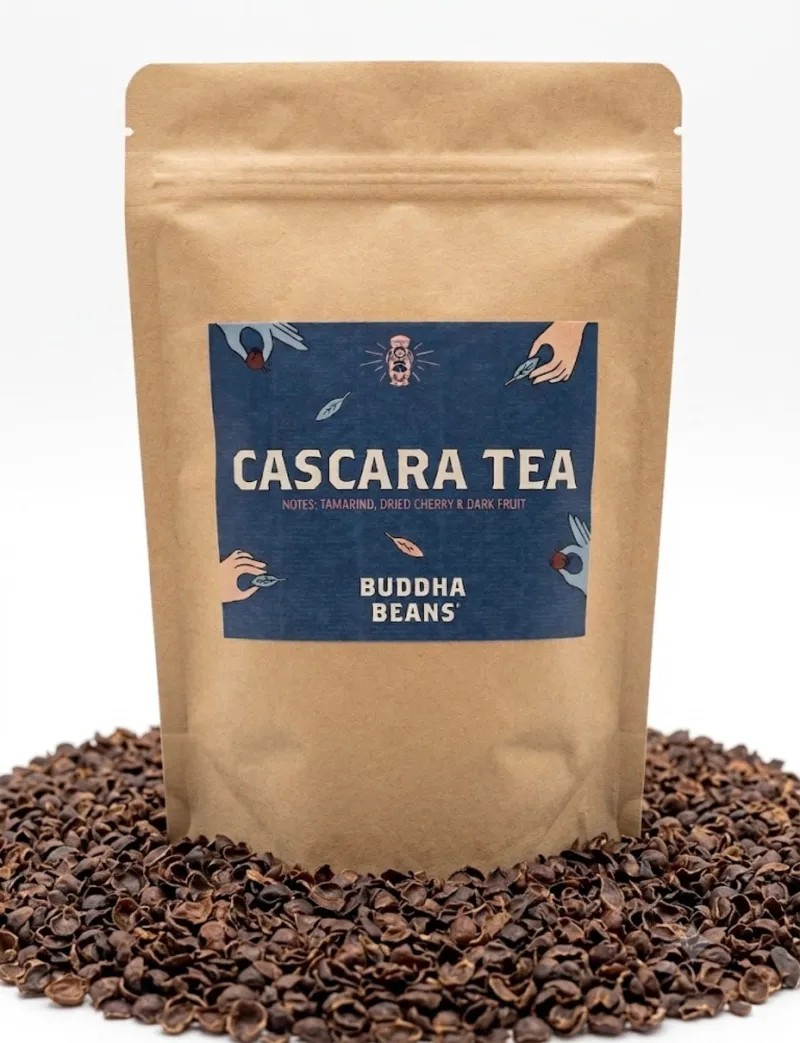 Shopping at Buddha Beans Coffee? See the discount code
15% OFF All Orders
Shopping at Buddha Beans Coffee? See the discount code
15% OFF All Orders
More in this series
Is a Cold Brew Subscription Worth It? Cost Breakdown and Freshness Benefits3 Sep 20265 minWhat Is Kochere Coffee and Why Is It So Popular?3 Sep 20264 minDo Dried Coffee Cherries Go Bad? Storage and Shelf Life Explained3 Sep 20264 minCBD Coffee vs Regular Coffee: Does CBD Change the Caffeine?3 Sep 20264 minHow to Brew Coffee Cherry Tea at Home3 Sep 20264 min