 A Buddha Beans Coffee guide
What Is Kochere Coffee and Why Is It So Popular?
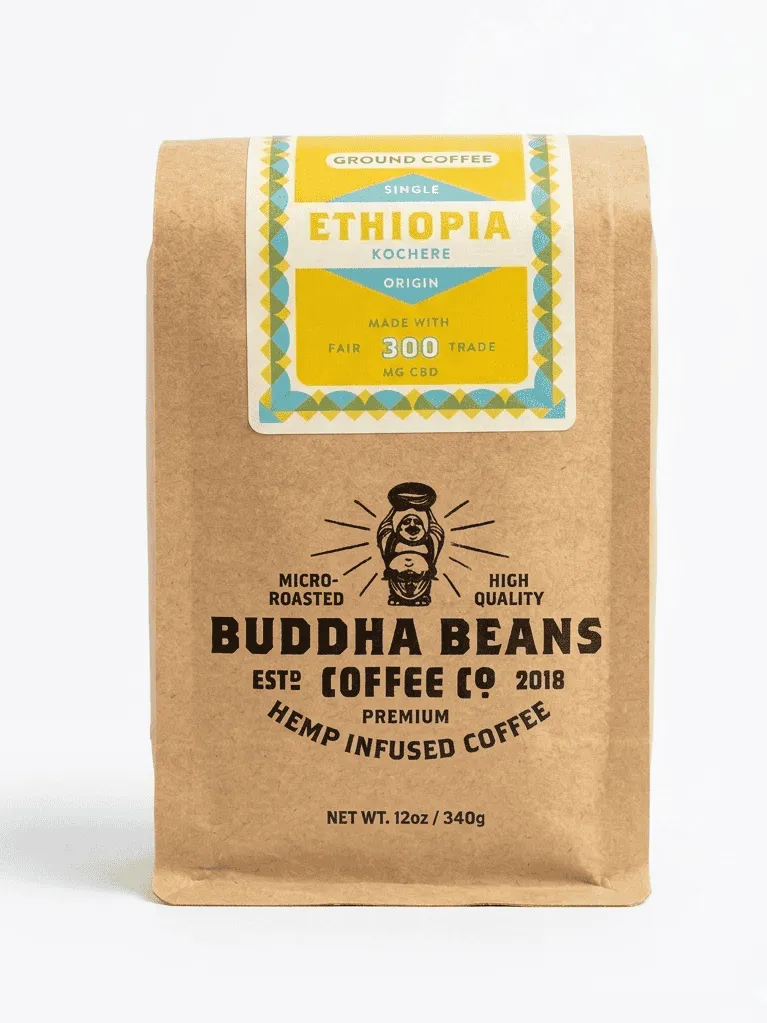
Kochere coffee is a single-origin Ethiopian specialty known for its vibrant floral aroma, citrus brightness, and tea-like body that sets it apart from ordinary beans.
Kochere coffee is a single-origin Ethiopian specialty known for its vibrant floral aroma, citrus brightness, and tea-like body that sets it apart from ordinary beans. Grown in the Kochere district of the Gedeo Zone, this coffee benefits from high altitude, rich volcanic soil, and traditional processing methods that preserve its delicate flavor profile.
What Makes Ethiopia Kochere Coffee Unique
The Kochere region sits at elevations between 1,800 and 2,200 meters in southern Ethiopia, adjacent to the famous Yirgacheffe area. This altitude slows cherry maturation, allowing sugars and acids to develop fully before harvest. Most Ethiopia kochere coffee undergoes washed processing, which highlights the bean’s natural clarity and floral character rather than masking it with fruit-forward fermentation.
We find that kochere beans typically express:
- Floral aromatics reminiscent of jasmine and bergamot
- Citrus acidity with notes of lemon, lime, or grapefruit
- Tea-like body that feels lighter than Central American or Brazilian coffees
- Clean finish with minimal bitterness when brewed properly
Buddha bean offerings often include single-origin options that showcase these regional characteristics. The terroir is so distinct that even casual drinkers notice the difference between kochere and beans from other Ethiopian zones.
How Kochere Coffee Compares to Other Single Origins
When we blind-taste kochere against other celebrated origins, a few patterns emerge. Compared to tarrazu coffee from Costa Rica, kochere feels brighter and more floral, while tarrazu leans toward chocolate and caramel. Next to best ethiopian yirgacheffe coffee, kochere shares the citrus and floral notes but often presents a slightly cleaner, less jammy profile since the two regions use similar processing but have micro-climate differences.
| Origin | Flavor Profile | Body | Best Brew Method |
|---|---|---|---|
| Kochere, Ethiopia | Floral, citrus, bergamot | Light to medium | Pour-over, Aeropress |
| Yirgacheffe, Ethiopia | Citrus, berry, floral | Light to medium | Pour-over, drip |
| Tarrazu, Costa Rica | Chocolate, caramel, citrus | Medium to full | Espresso, French press |
If you prefer bold, heavy-bodied coffee, kochere may feel too delicate. But if you enjoy the nuance in tea or appreciate clarity in specialty coffee, kochere coffee will likely become a staple. We recommend trying it as a pour-over first to experience the full aromatic range before experimenting with immersion methods.
Where to Buy Kochere Coffee and How to Save
Buddha Beans Coffee stocks kochere coffee alongside other single-origin and specialty blends. For current pricing and to apply our exclusive discount, grab the code before your order. The store rotates seasonal lots, so availability can shift with harvest cycles.
When shopping for any Ethiopia kochere coffee, check the roast date. Kochere’s delicate oils and aromatics fade faster than darker roasts, so we prioritize beans roasted within the past two weeks. Some roasters offer fresh roast-to-order specialty coffee to guarantee peak flavor, which makes a noticeable difference in the cup.
Brewing Tips for Kochere Beans
We’ve dialed in kochere across multiple brew devices and found that lighter methods preserve its best qualities:
- Pour-over at 200-205°F with a 1:16 coffee-to-water ratio brings out floral and citrus notes without over-extraction
- Aeropress with a 2-minute steep and gentle press creates a clean, sweet cup
- Cold brew works, though you lose some aromatics; try a shorter steep time or pair it with coffee fruit tea for added complexity
- Espresso requires careful dialing; kochere’s acidity can turn sour if pulled too fast or too hot
Avoid dark roasts or over-extraction. Kochere’s appeal lies in its brightness, and aggressive brewing buries that under bitterness. If you’re used to atomic coffee or other bold blends, reduce your grind size or brew time when switching to kochere.
Who Should Try Kochere Coffee
Kochere suits drinkers who already enjoy light to medium roasts and want to explore what high-grade Ethiopian beans can deliver. We recommend it if you:
- Appreciate tea-like coffees with floral complexity
- Enjoy tasting regional terroir rather than roast character
- Brew primarily with pour-over, drip, or Aeropress
- Want to compare kochere against the best ethiopian yirgacheffe coffee side by side
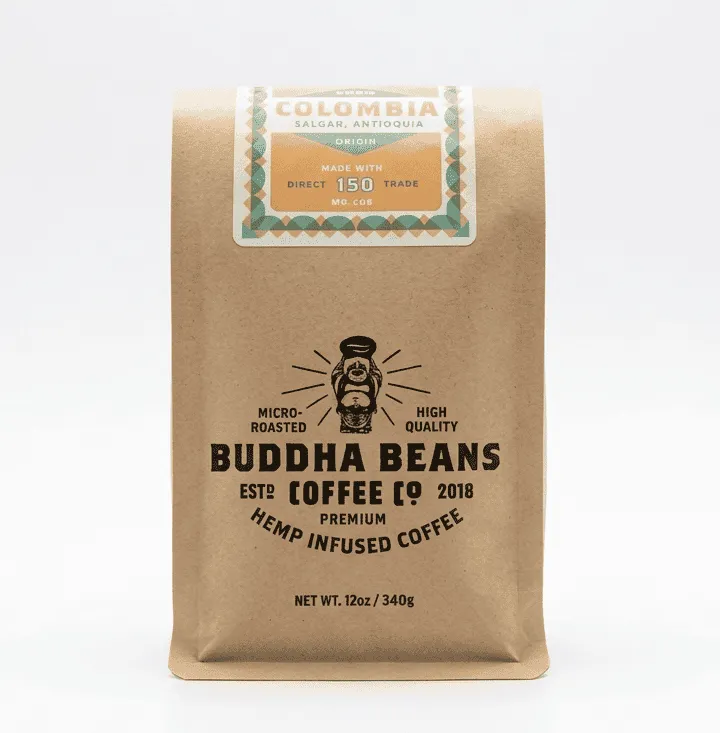
If you prefer flavored or infused options, Buddha Beans also offers cannabidiol coffee and coffee with cbd for a different experience.
For budget-conscious buyers, check the latest price with our discount code before committing to a full bag. Kochere typically costs more than commodity coffee, but the flavor justification is clear once you taste the difference.
Pairing and Expanding Your Coffee Routine
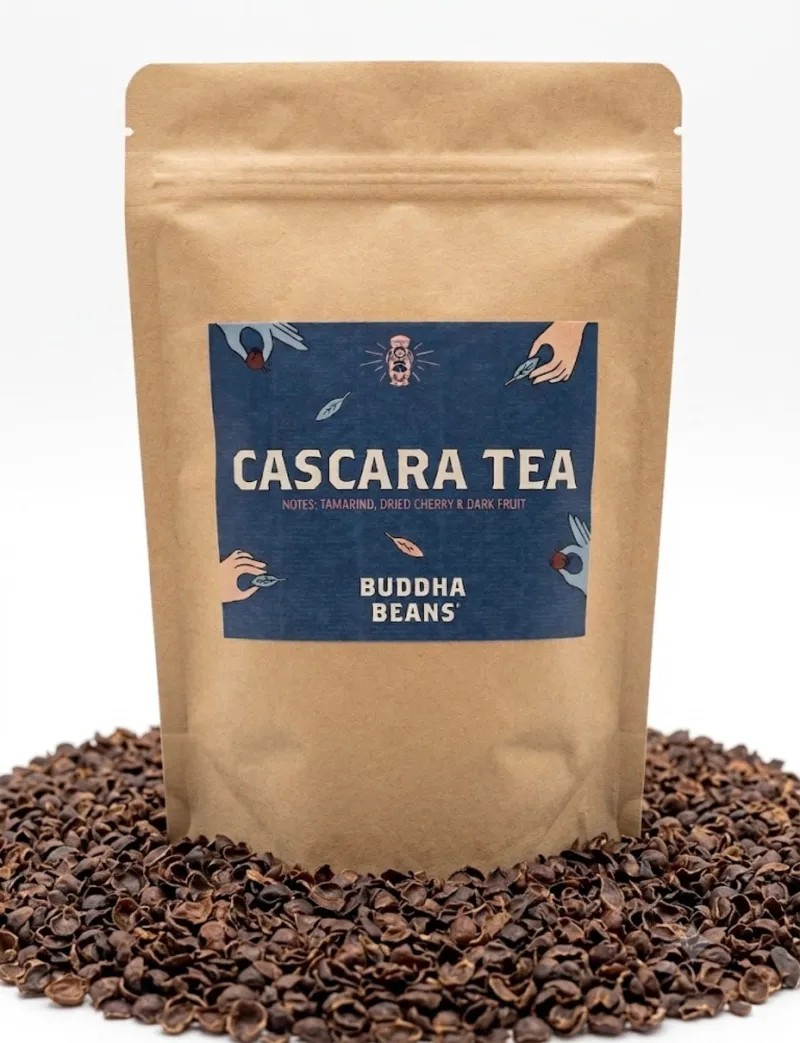
Kochere pairs well with lighter foods that won’t overpower its delicate profile. We enjoy it alongside pastries, fruit, or mild cheeses during morning tastings. If you want to explore the coffee plant beyond the bean, try coffee cherry tea or dried coffee cherries as a snack. Both use the fruit that surrounds the seed and offer a different kind of caffeine lift with subtle sweetness.
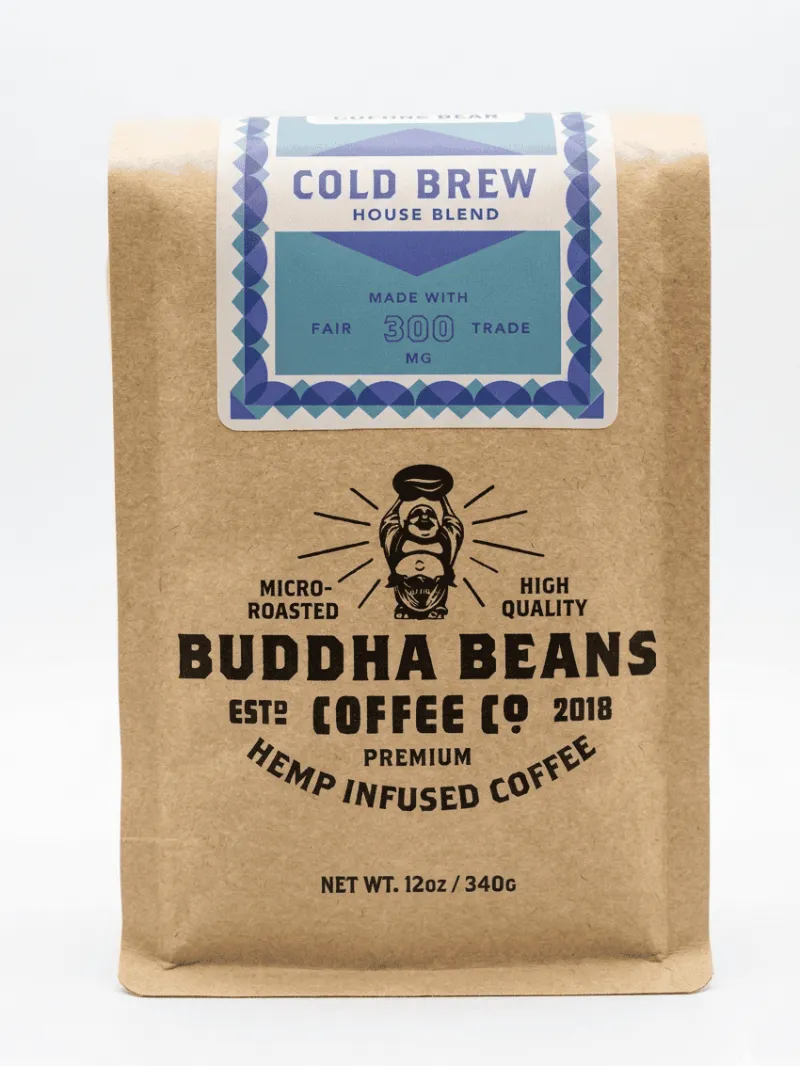
For those building a regular rotation, pairing kochere with a cold brew subscription 12oz ground cold brew gives you contrast between bright, hot-brewed complexity and smooth, cold-extracted body. We alternate between the two depending on season and mood, and the variety keeps coffee interesting rather than routine.
Questions
What does kochere coffee taste like?
Kochere coffee typically tastes floral and citrus-forward with notes of jasmine, bergamot, lemon, and sometimes grapefruit. It has a light to medium body and a clean, tea-like finish with minimal bitterness when brewed properly.
Is kochere coffee the same as Yirgacheffe?
No, though they are neighbors. Kochere is a district adjacent to Yirgacheffe in Ethiopia's Gedeo Zone. Both share floral and citrus characteristics, but kochere often has a cleaner, less jammy profile due to slight differences in micro-climate and processing.
What is the best way to brew Ethiopia kochere coffee?
Pour-over and Aeropress methods work best because they preserve kochere's delicate floral and citrus notes. Use water between 200-205°F and a 1:16 coffee-to-water ratio. Avoid over-extraction or dark roasts, which can bury the brightness under bitterness.
Why is kochere coffee more expensive than regular coffee?
Kochere coffee grows at high altitude in a specific Ethiopian region, which limits supply. The beans undergo careful washed processing and are often sold as specialty-grade single origin. The distinct terroir and quality control justify the higher price compared to commodity blends.
Can I use kochere coffee for espresso?
Yes, but it requires careful dialing. Kochere's natural acidity can turn sour if pulled too fast or too hot. Many drinkers prefer it as pour-over or drip to fully experience its floral aromatics and citrus brightness.
Where can I buy fresh kochere coffee with a discount?
Buddha Beans Coffee stocks kochere coffee and other single-origin options. Use our exclusive discount code for 15% off all orders, and check the roast date to ensure you receive beans at peak freshness.
Products in this guide
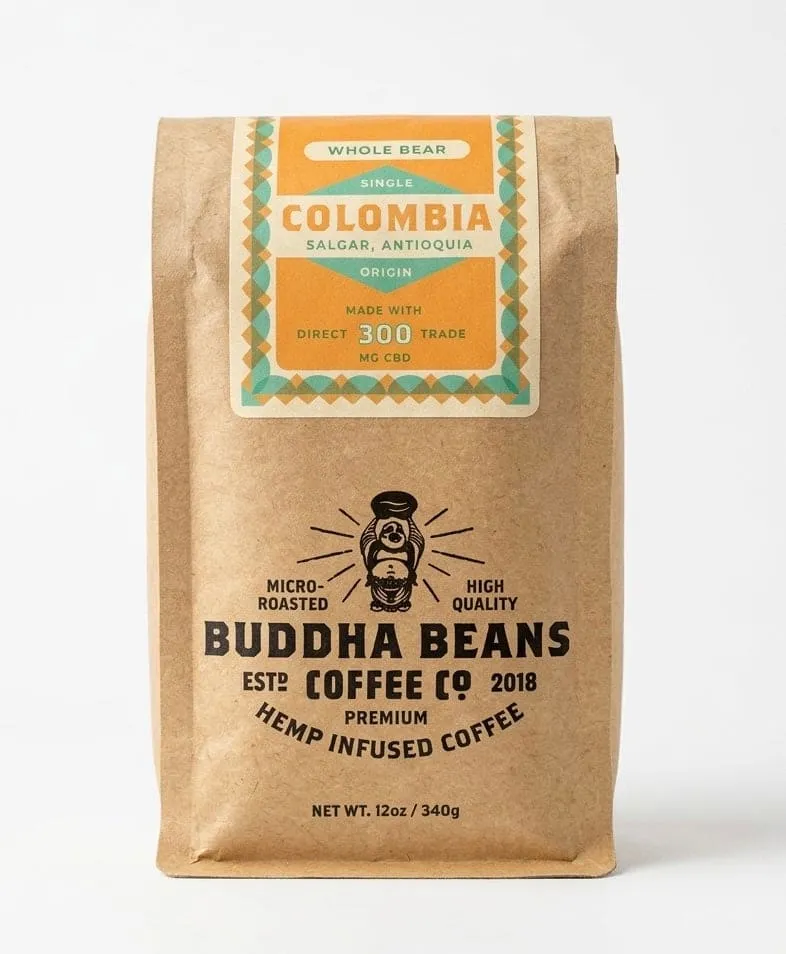 Shopping at Buddha Beans Coffee? See the discount code
15% OFF All Orders
Shopping at Buddha Beans Coffee? See the discount code
15% OFF All Orders
More in this series
White Label Coffee for Small Businesses: Minimum Orders and Pricing3 Sep 20265 minIs a Cold Brew Subscription Worth It? Cost Breakdown and Freshness Benefits3 Sep 20265 minDo Dried Coffee Cherries Go Bad? Storage and Shelf Life Explained3 Sep 20264 minCBD Coffee vs Regular Coffee: Does CBD Change the Caffeine?3 Sep 20264 minHow to Brew Coffee Cherry Tea at Home3 Sep 20264 min